
Fly To The World’s Coldest National Capital From New Delhi In Just 5 Hours: Here’s How
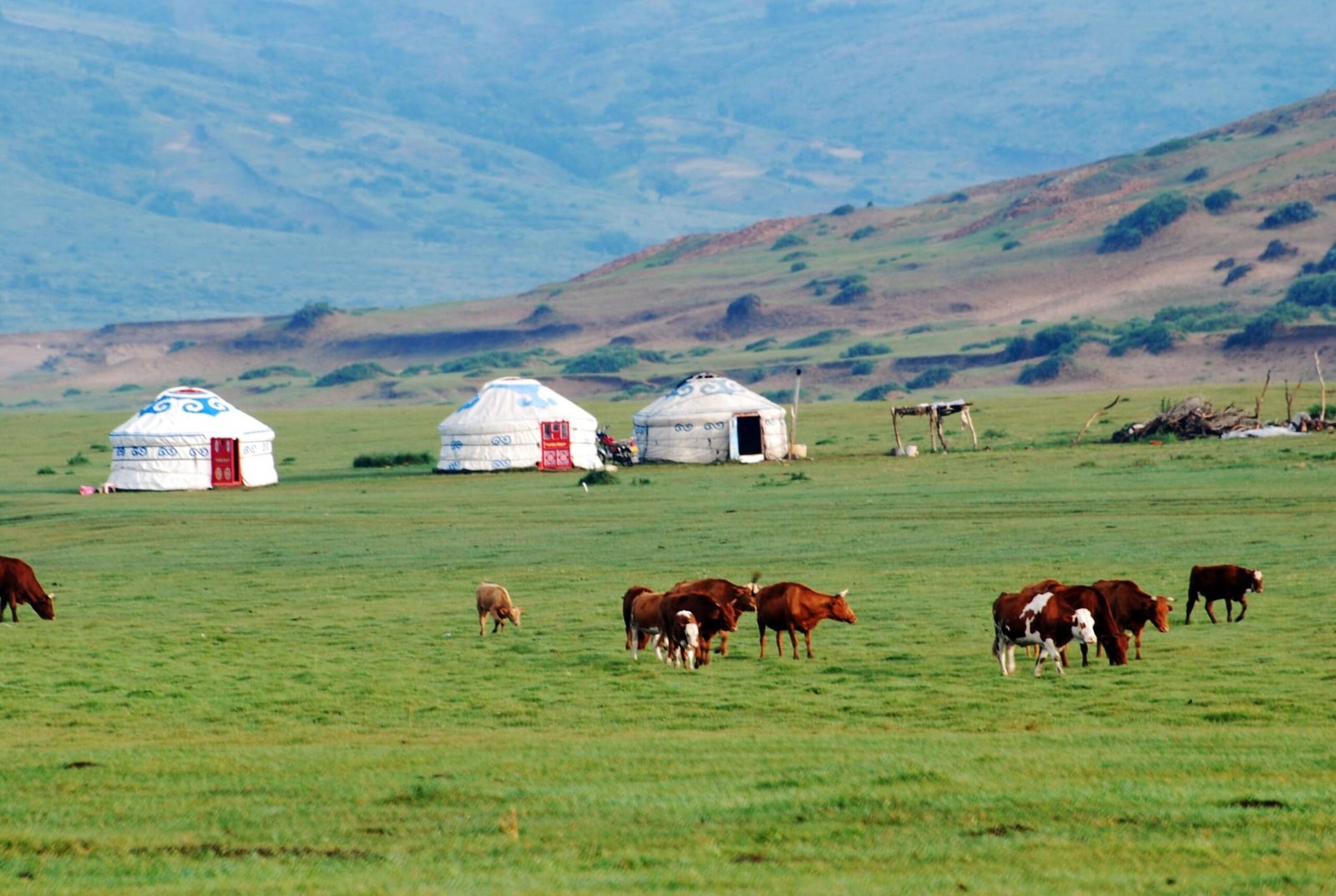
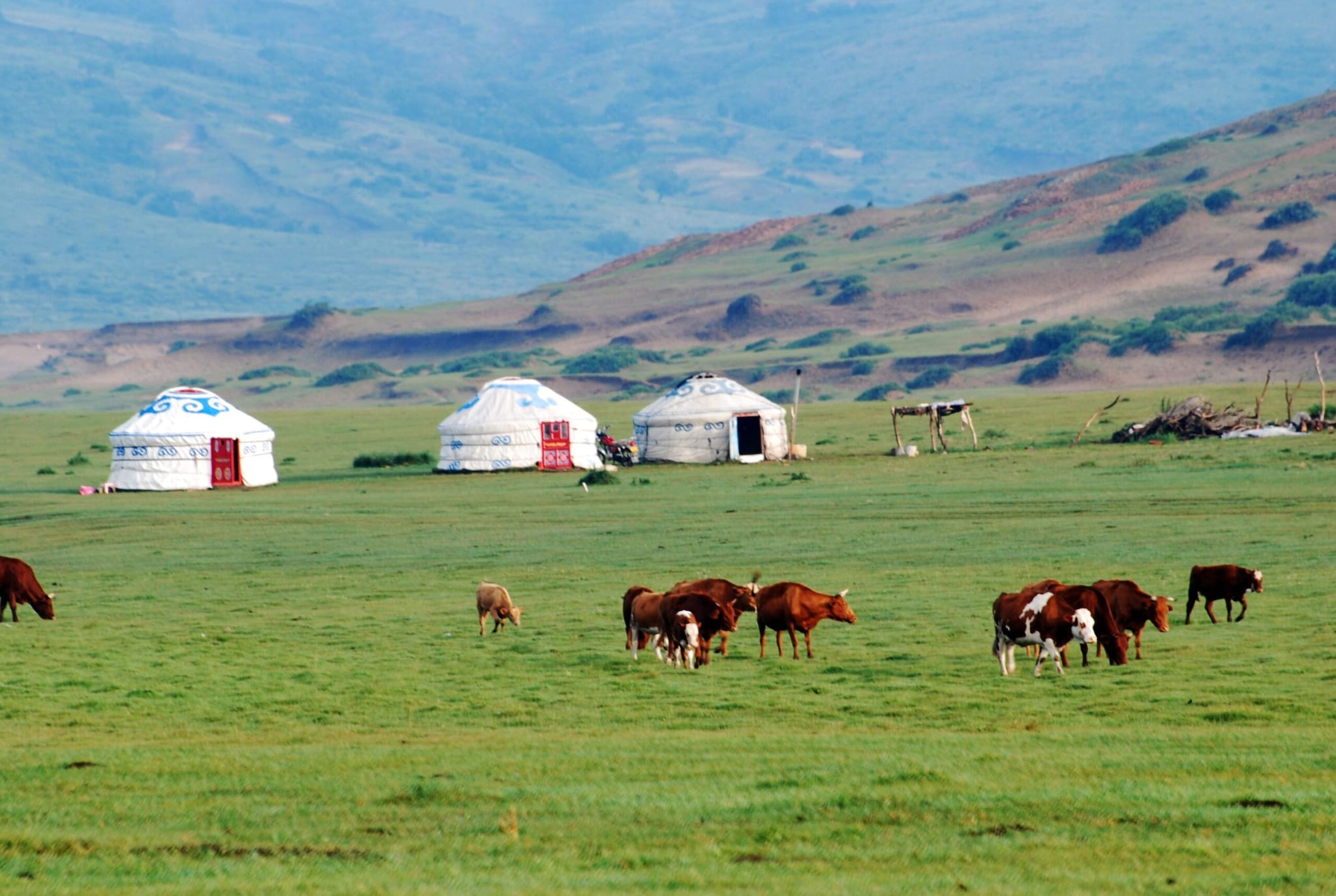
Forget long layovers and multiple flight changes if Mongolia is on your travel wishlist. A new nonstop connection from New Delhi to Ulaanbaatar has brought the vast, windswept landscapes of Mongolia much closer to Indian travellers, with the journey taking just around five hours. From the world’s coldest national capital to the dramatic Gobi Desert, Mongolia offers a very different kind of getaway. With the new route making the country easier to reach, here’s what Indian travellers should know before planning the trip. (Image: Lovesa Chang/Pexels)

The new nonstop service has dramatically shortened the journey between India and Mongolia. Hunnu Air’s New Delhi-Ulaanbaatar route takes around 5 hours 30 minutes, compared with roughly 13-18 hours when travelling through hubs such as Seoul, Beijing or Bangkok. The service currently operates once a week, on Mondays, so travellers should check the latest schedule before booking. (Image: Wikimedia Commons)
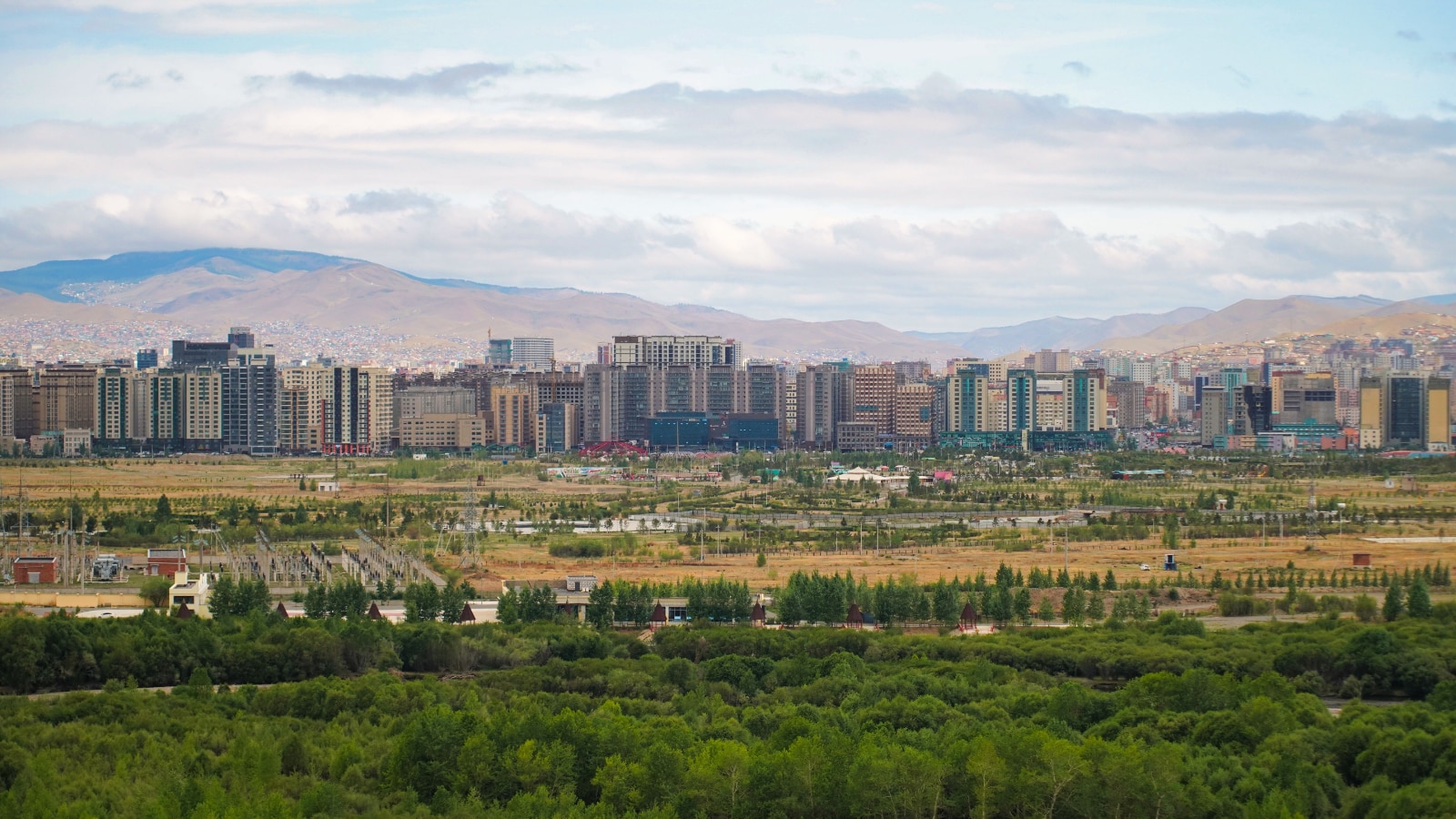
Ulaanbaatar sits at around 1,350 metres above sea level and has long, dry and extremely cold winters. NASA describes it as one of the world’s coldest national capitals, while current climate information from the city’s tourism authority shows winter temperatures can fall dramatically below freezing. So, if you are looking for a genuinely cold-weather destination, Mongolia offers a very different experience from the usual European winter getaway. (Image: Uuganbayar Otgonbayar/Pexels)
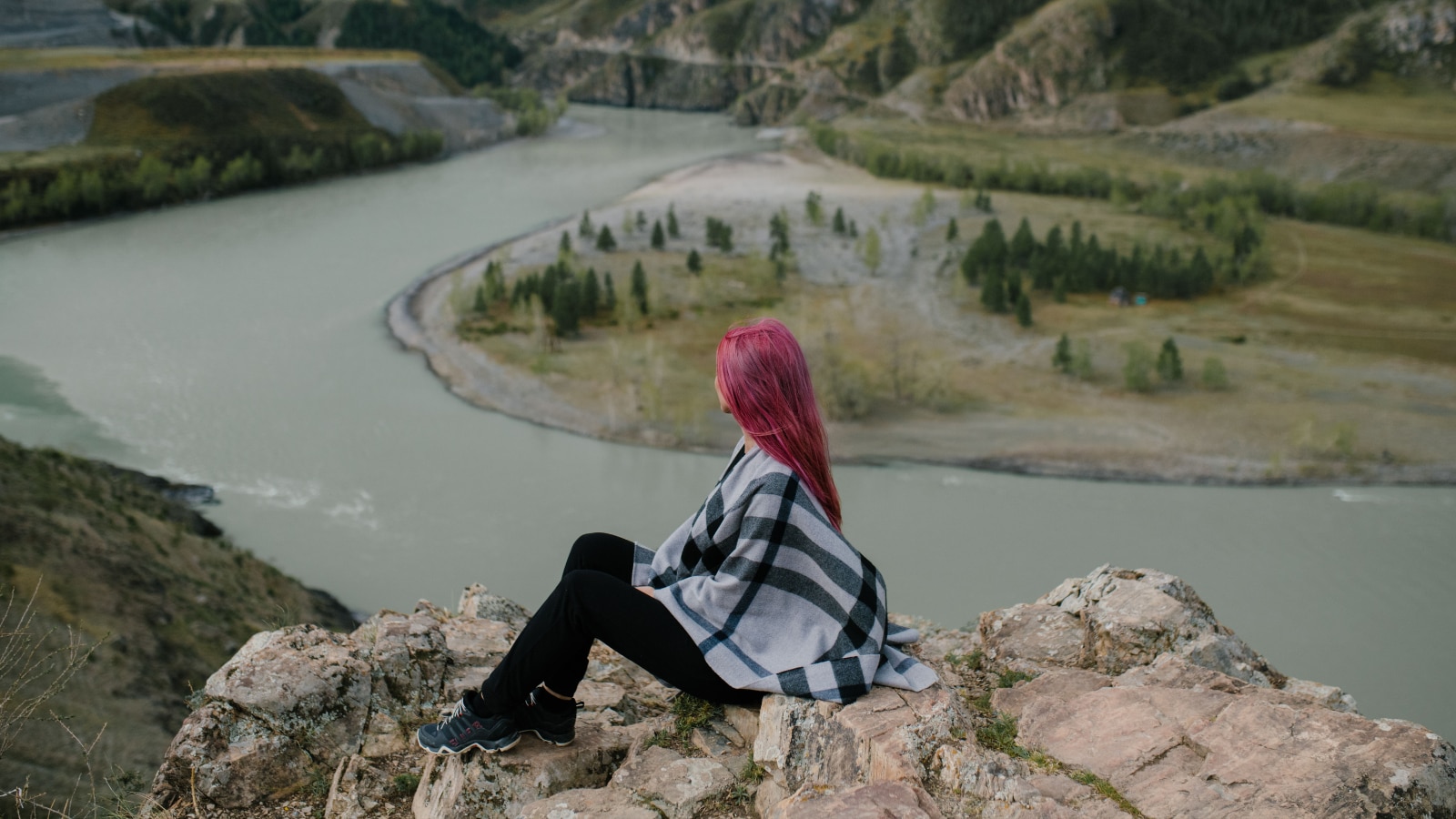
According to the current travel information, Indian tourists can apply for a Mongolian tourist e-visa, with stays of up to 30 days indicated for the tourist visa category. Travellers should verify the latest requirements and fees through Mongolia’s official immigration/visa channels before making travel arrangements. (Image: Julia Volk/Pexels)
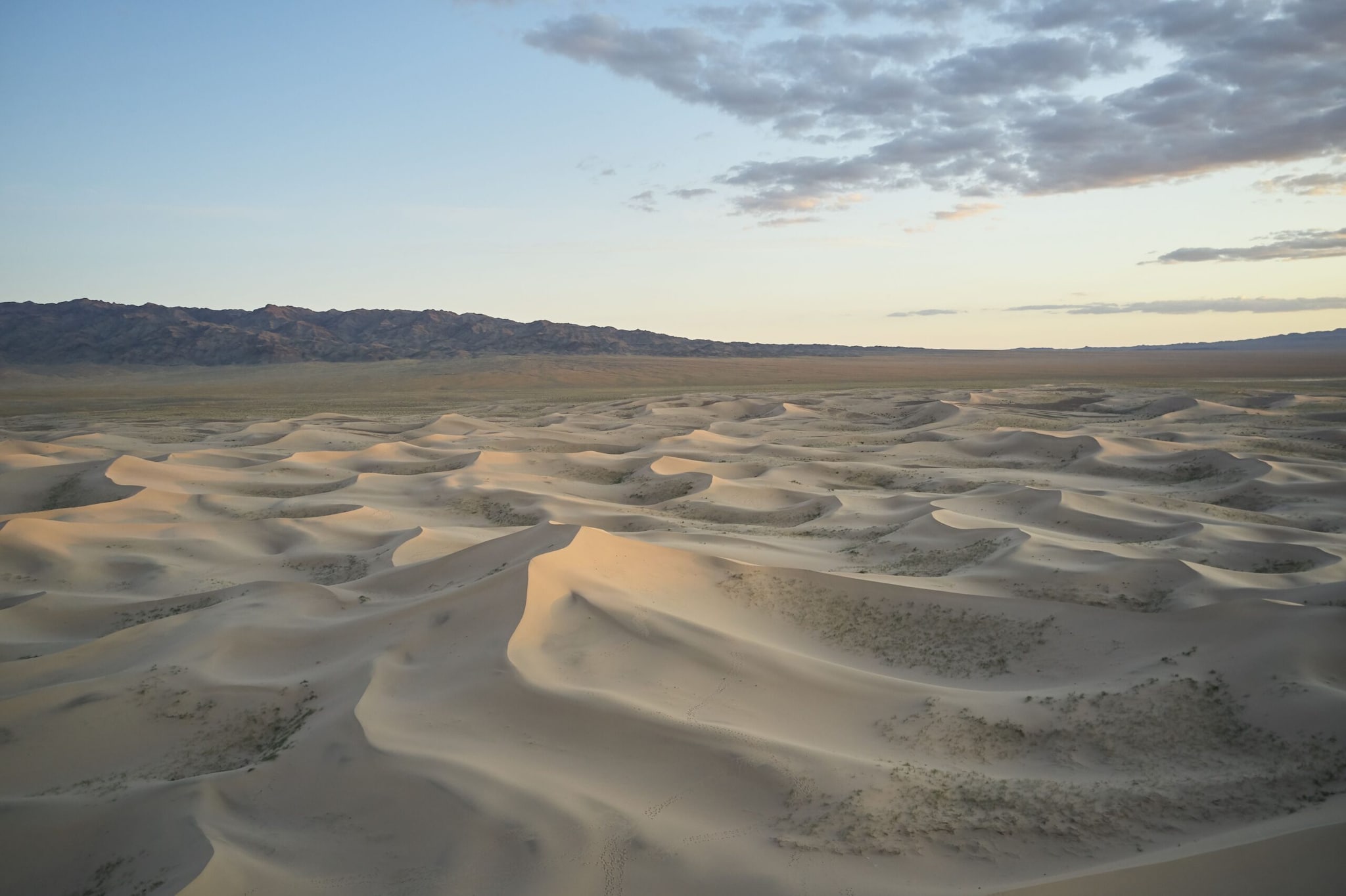
Mongolia’s Gobi Desert is a major draw for travellers. A typical trip can include landscapes such as the Flaming Cliffs at Bayanzag, Yolyn Am gorge, Tsagaan Suvarga and the Khongoryn Els sand dunes. The Gobi is not simply endless sand; it features dramatic cliffs, rocky landscapes, grasslands and vast open spaces. (Image: ArtHouse Studio/Pexels)
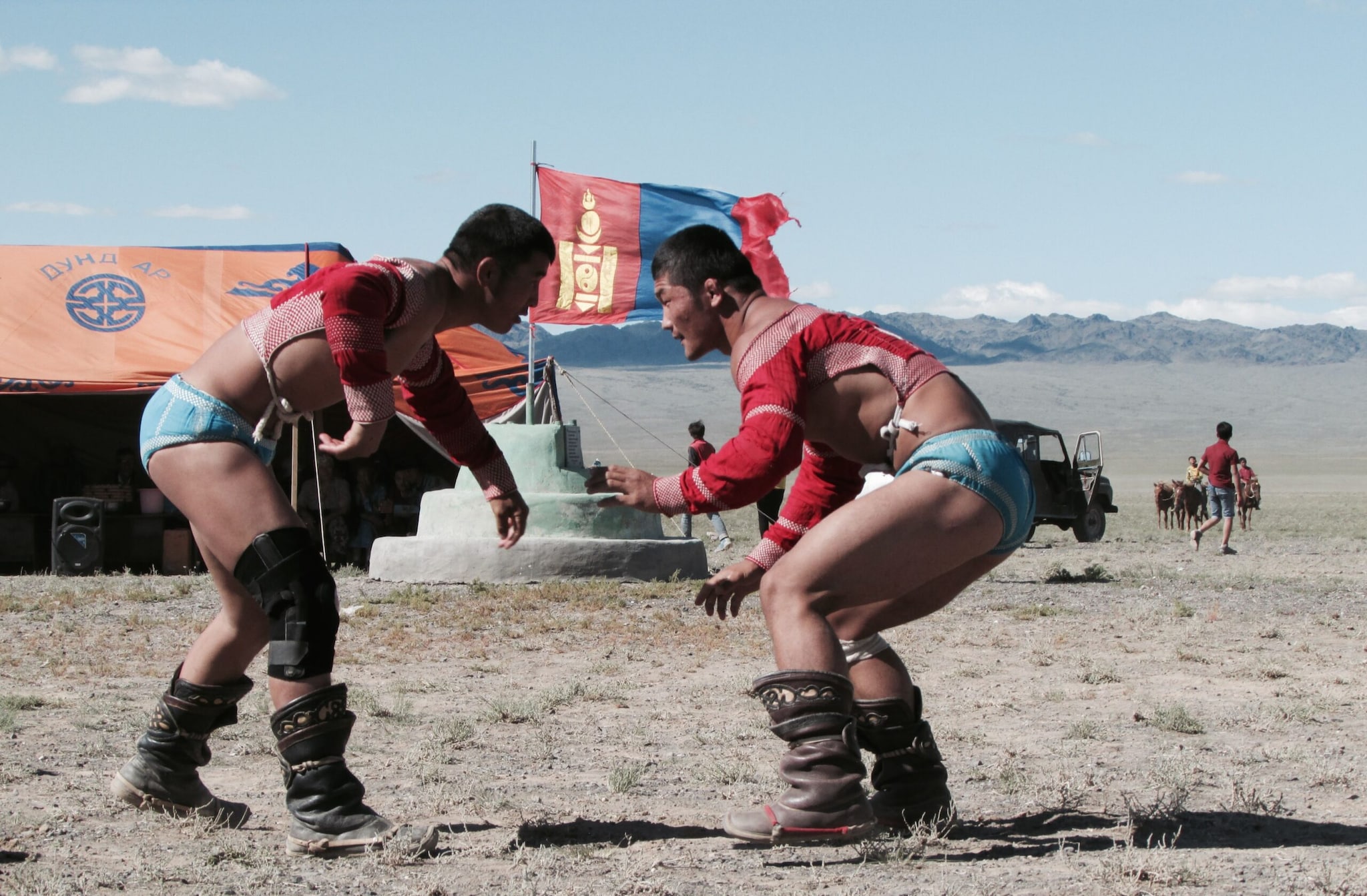
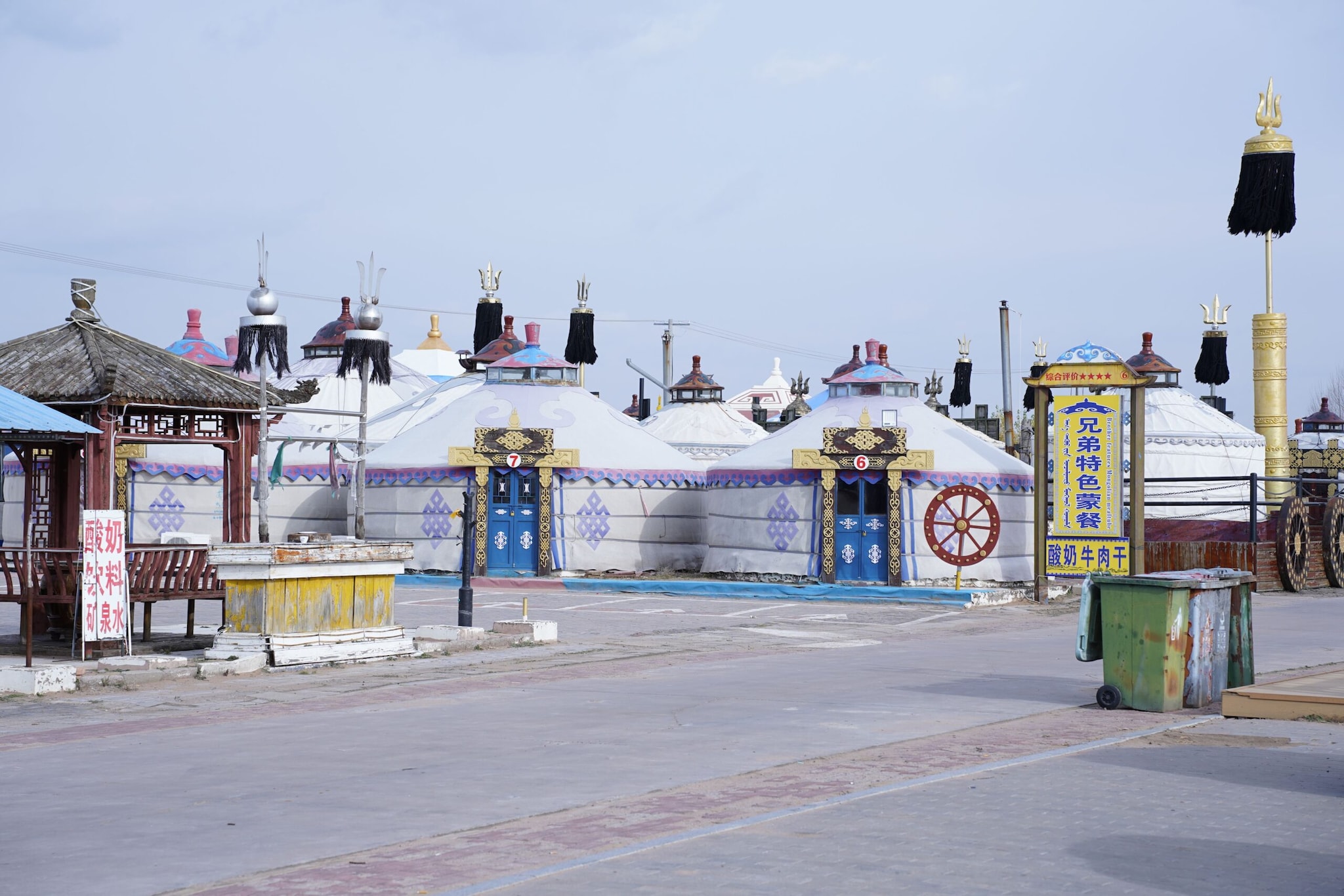
Mongolia is closely associated with its centuries-old nomadic culture. Travellers can stay in gers, the traditional round tents used by Mongolian nomadic communities, and experience a very different style of accommodation from conventional hotels.
(Image: Agostino Toselli/Pexels)
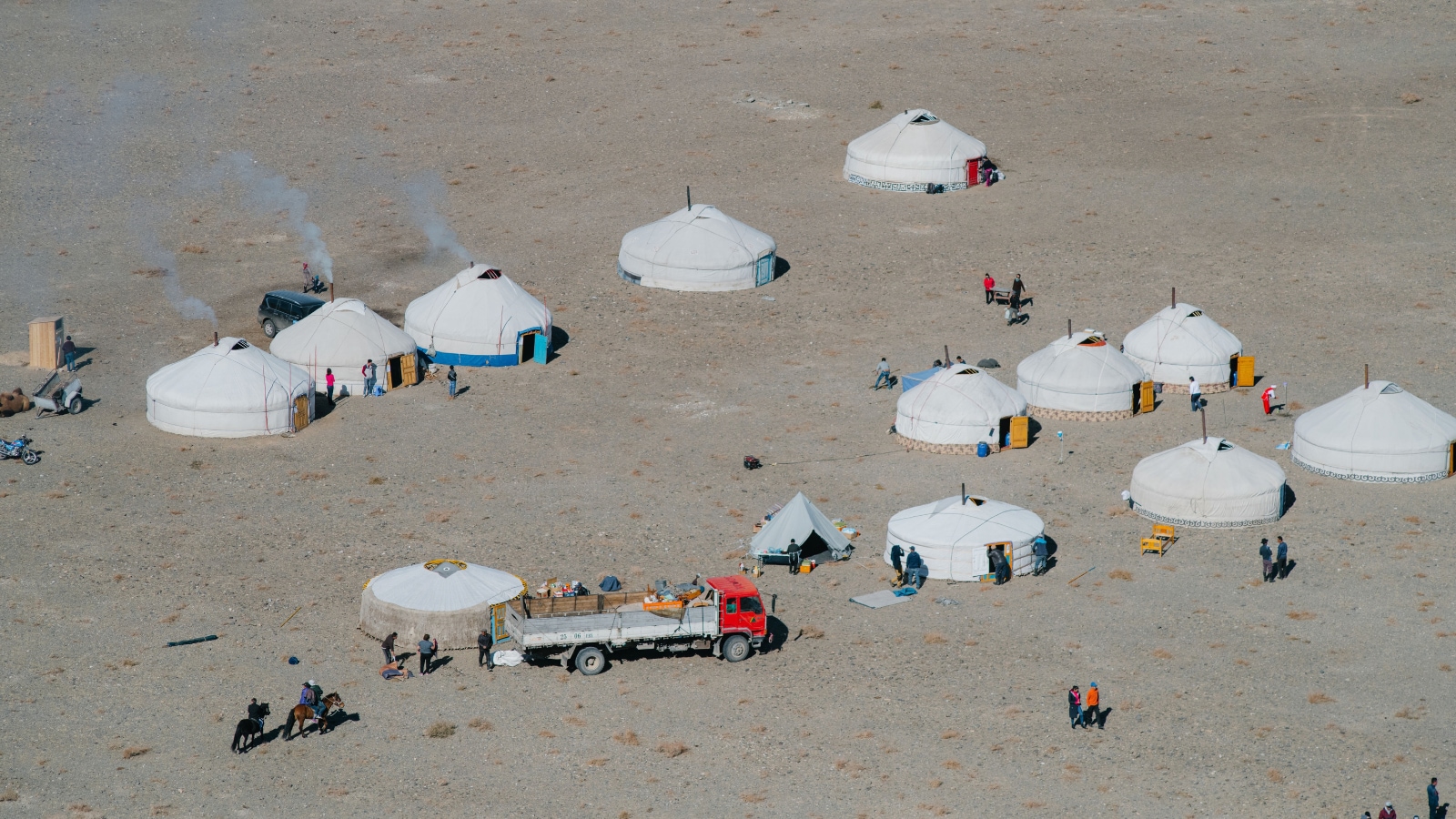
The capital can be the starting point for exploring Mongolia, but it is also worth spending some time in the city. Sükhbaatar Square and Gandan Monastery are among the well-known sights, while the massive Chinggis Khaan Statue complex lies outside the city. The city also offers museums, restaurants and a glimpse of modern Mongolian life alongside its traditional influences. (Iamge: Julia Volk/Pexels)
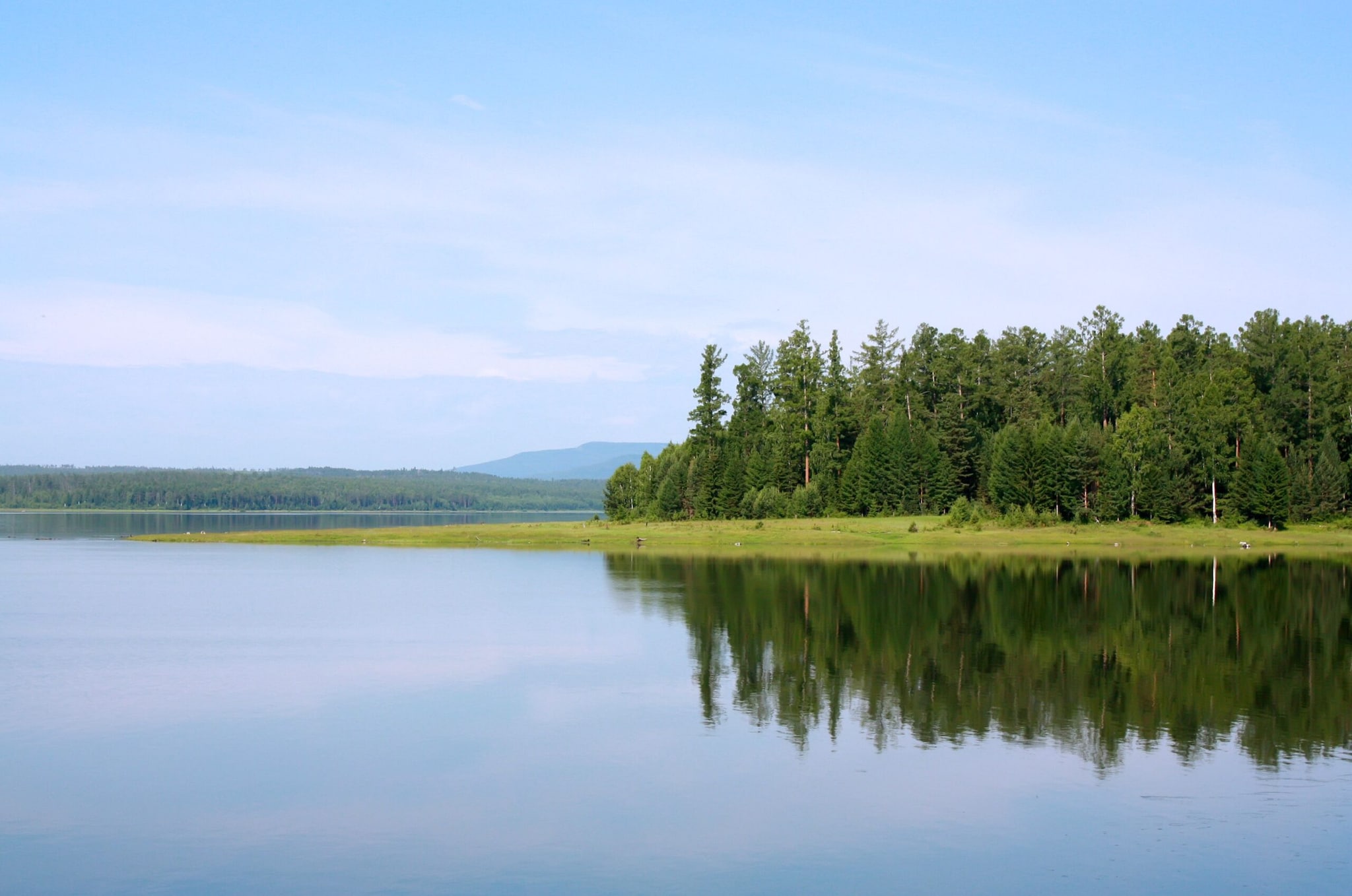
In northern Mongolia, Lake Khövsgöl offers forests, mountains and clear blue waters, quite a contrast to the arid landscapes of the Gobi. It is Mongolia’s largest freshwater lake by volume and is surrounded by a region known for its natural beauty and traditional communities. (Image: Vladimir Shipitsin/Pexels)
For a first visit, June to August is generally considered the most convenient period, when the steppe is greener and tourist camps are operating. July also coincides with Naadam, Mongolia’s famous festival featuring wrestling, horse racing and archery. Those looking for fewer crowds can consider the shoulder seasons, although temperatures can drop considerably outside summer. (Image: Yu Xin/Pexels)