Why Bengaluru’s Daily Commute Is Costlier Than Mumbai, Kolkata And Delhi
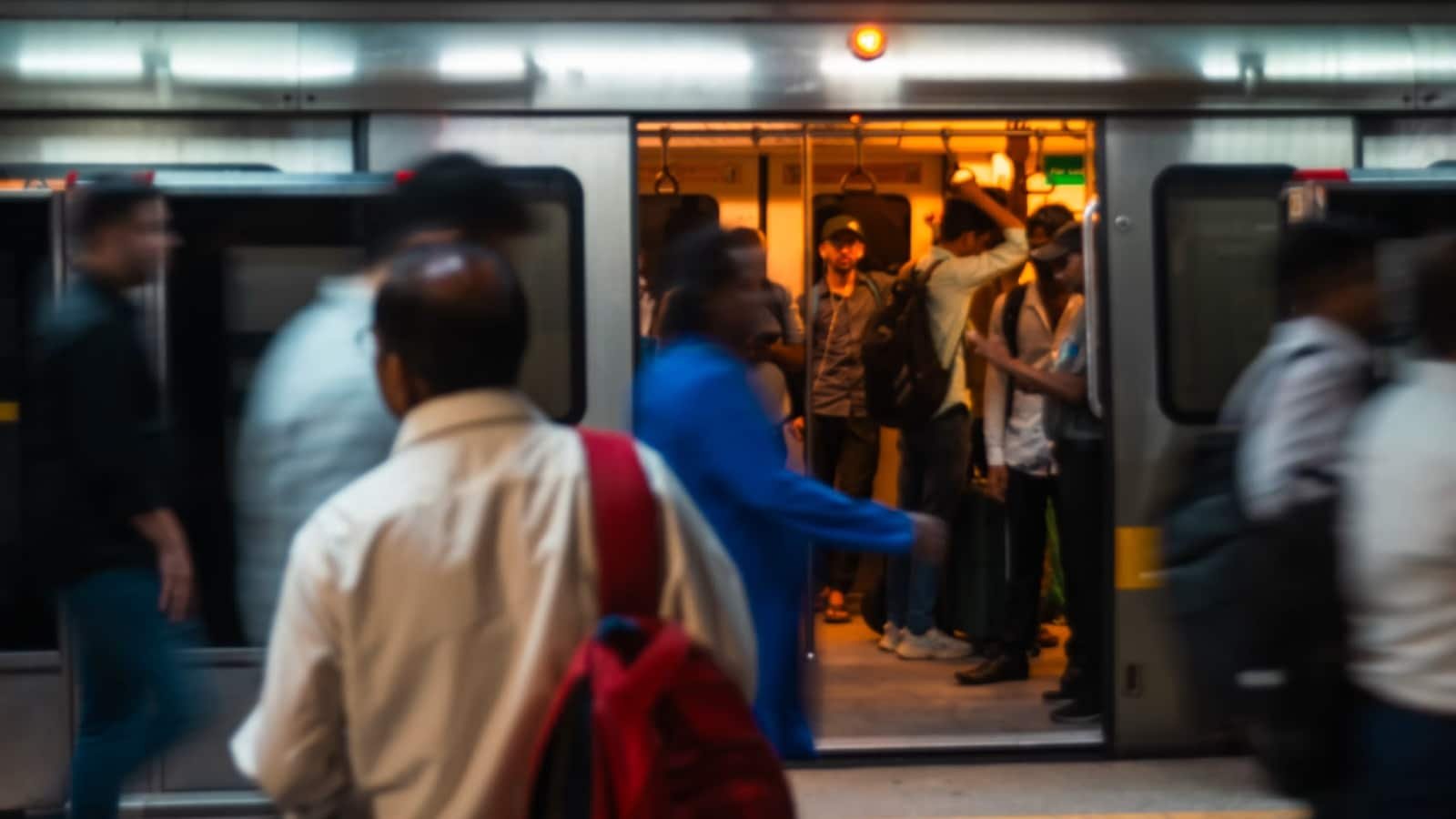
For thousands of Bengaluru residents, Namma Metro has become a way to avoid the uncertainty of the city’s traffic. But that convenience comes at a higher monthly cost than rail-based commuting in several other major Indian cities. Consider a commuter travelling about 15 km each way on working days. Once the cost of getting to and from the Metro is added, the monthly expenditure can come to approximately Rs 3,520, based on 22 working days and around 2 km of connectivity at either end of the Metro journey. That amount looks very different at different income levels. For someone earning Rs 20,000 a month, it represents almost 18% of take-home income. At Rs 50,000, it is still about 7%. Using a 5% share of monthly income as a reference point for transport spending, a commuter would need to earn roughly Rs 70,400 a month to keep a Rs 3,520 monthly commute within that level.
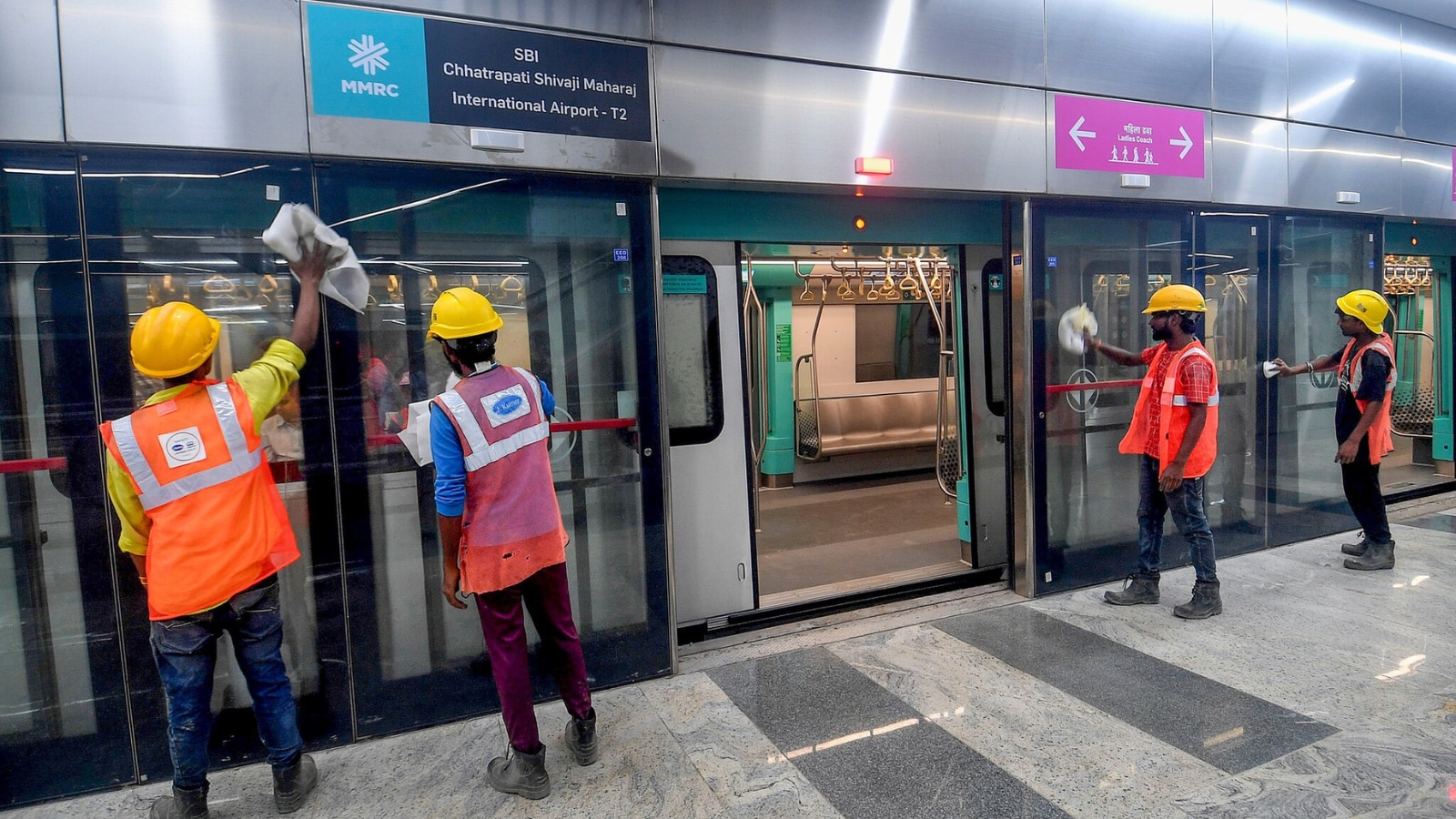
The Rail Infrastructure Bengaluru Did Not Have: The reason Bengaluru compares poorly on cost is largely historical. Cities such as Mumbai and Kolkata had extensive suburban railway systems in place long before modern Metro networks became a major part of urban transport. Those railway systems continue to provide low-cost travel over long distances. Commuters can also switch between suburban trains and Metro services, meaning the entire journey does not have to depend on the comparatively higher Metro fare.
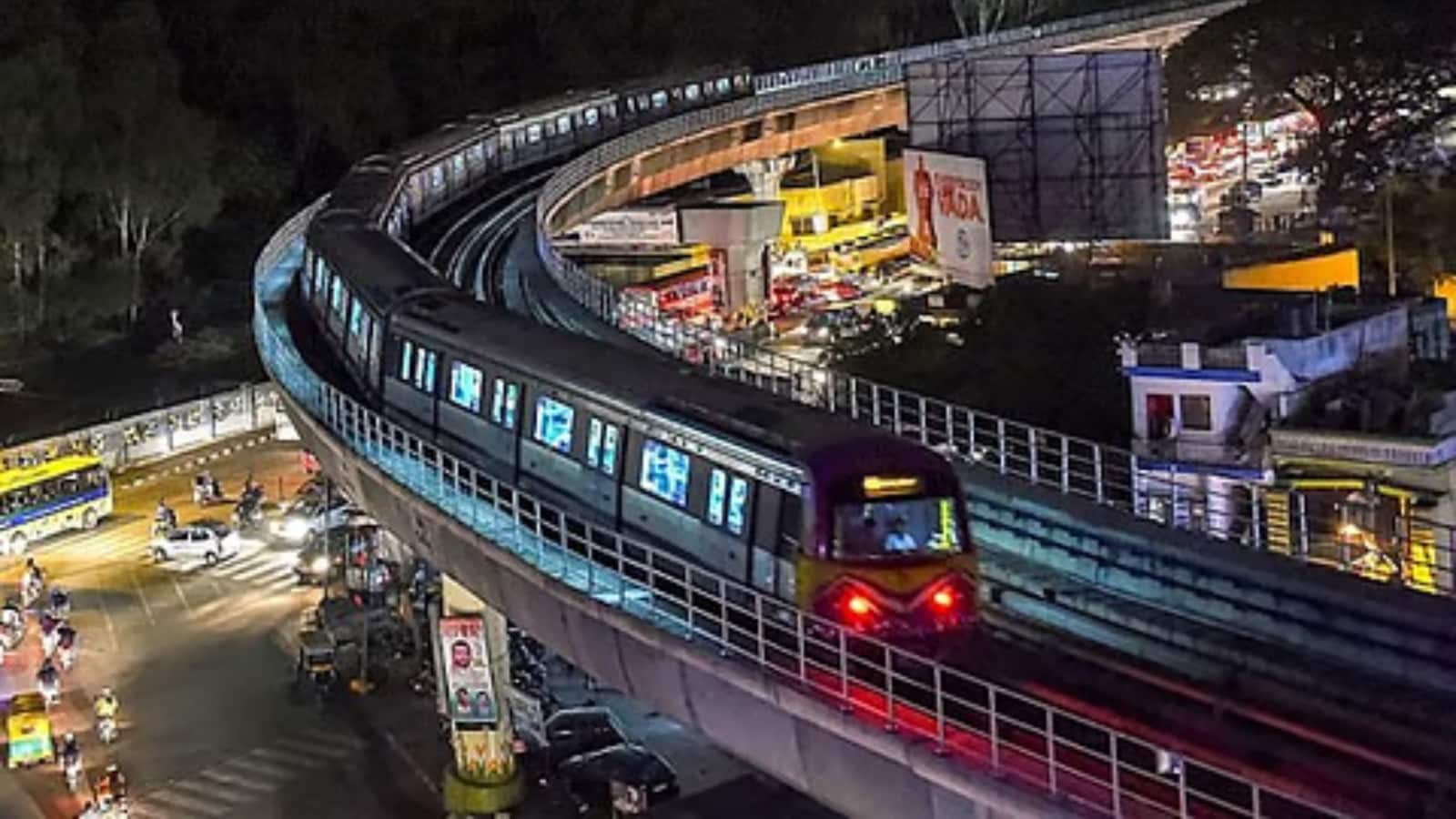
Bengaluru’s rail story is different. Namma Metro has expanded considerably, but the city’s suburban railway network is still being developed and does not yet play a major role in daily mass commuting. As a result, many residents have to rely on Metro services, buses or road transport for journeys that could otherwise be split between different forms of rail. The Karnataka government, with support from the Centre, is developing the Bengaluru suburban rail project to address this gap. A larger suburban network could eventually give commuters another affordable option, particularly for longer journeys.
Bengaluru’s Metro Is Not The Most Expensive Way To Commute: The higher Metro cost does not necessarily make it a poor-value option. The alternative may be considerably more expensive once traffic and road-based fares are taken into account. A 15-km daily autorickshaw commute can cost more than Rs 14,000 a month. App-based cabs are also significantly more expensive than the Metro, while bike taxis can cost more than twice the typical monthly metro expenditure. For private vehicle users, the calculation changes again: fuel is only one part of the expense, with maintenance, depreciation and parking also adding to the cost. The overall monthly expenditure can approach Rs 6,000.
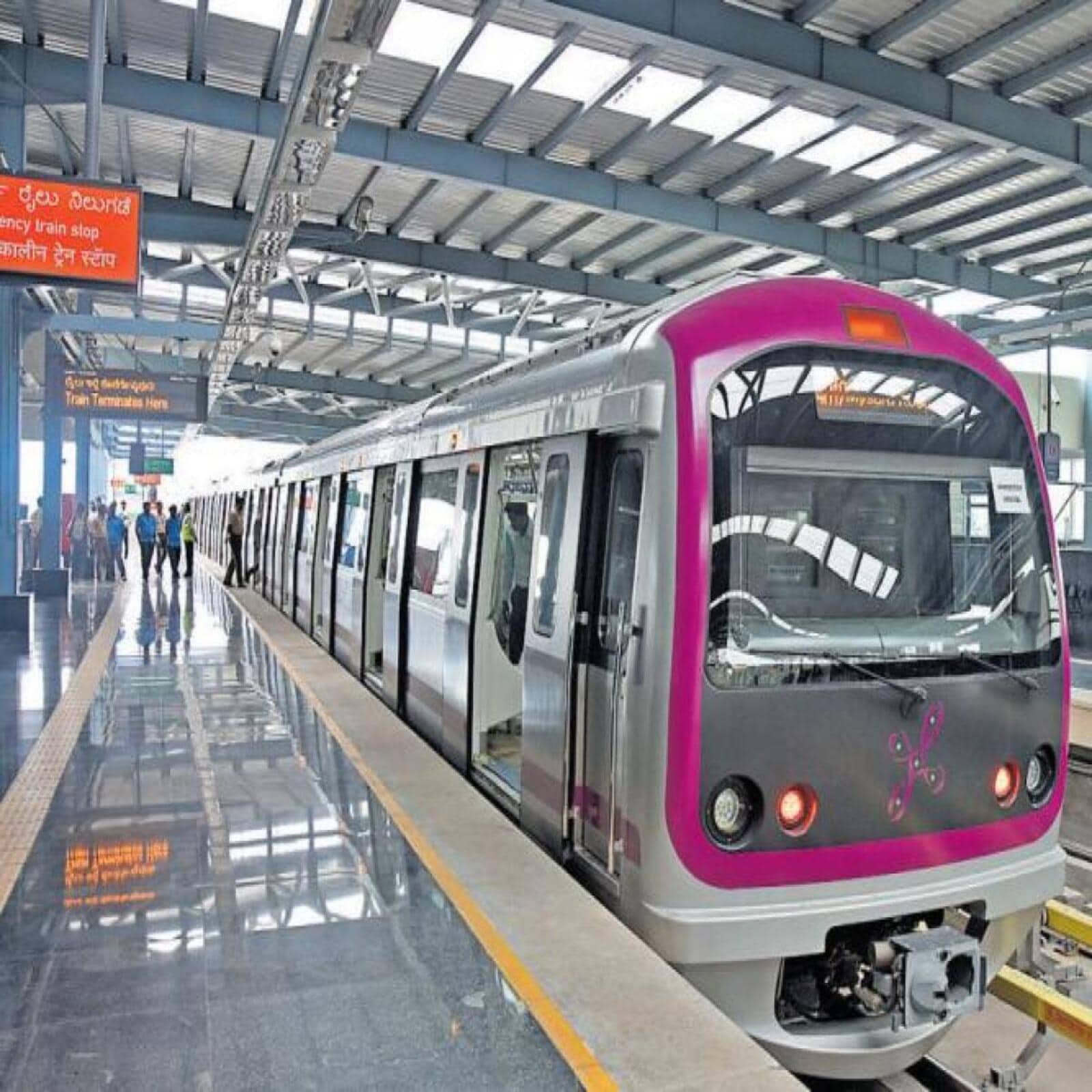
This is where Namma Metro gains an advantage. Bengaluru’s road traffic can make travel times highly unpredictable, whereas a Metro journey is largely insulated from congestion. For someone travelling to one of the city’s major employment hubs, that predictability can be particularly valuable. Saving even 30 to 60 minutes a day can influence the choice between a cheaper but uncertain road journey and a more expensive Metro trip.
How Bengaluru Compares With Other Major Cities? The cost difference becomes clearer when the monthly commuting estimates are placed side by side. A comparable journey is estimated at around Rs 2,772 in Delhi, Rs 2,200 in Chennai, Rs 1,980 in Mumbai and Rs 1,760 in Kolkata. Bengaluru’s estimated Rs 3,520 includes the additional first- and last-mile cost.
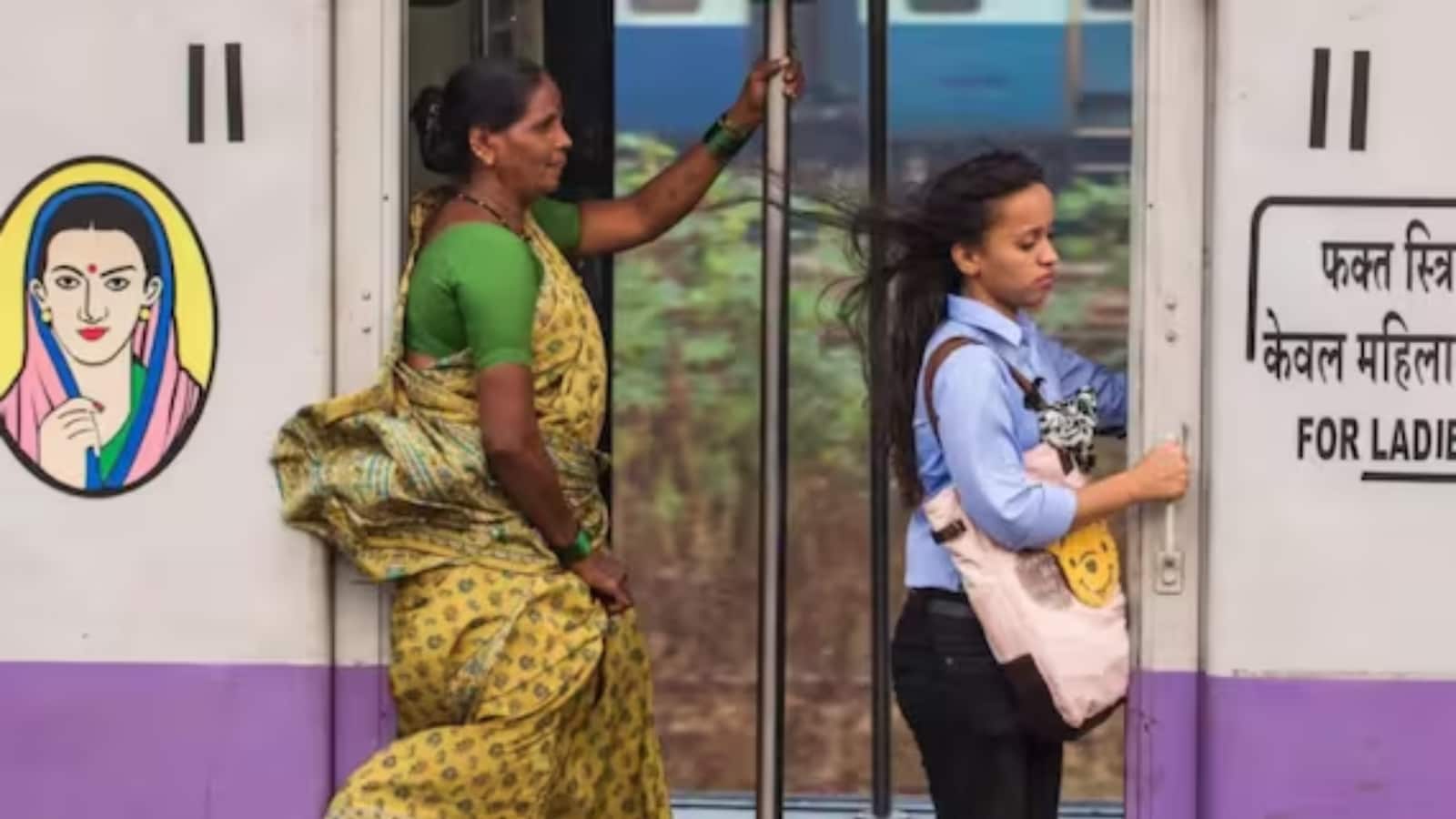
Mumbai’s position is particularly notable because the city is generally associated with high living costs. Its extensive suburban rail network allows commuters to cover long distances at relatively low fares, while Metro services provide additional connectivity. Kolkata has a similar advantage. Its suburban railway system and Metro network operate alongside each other, giving commuters more ways to structure a journey without depending entirely on metro fares. Chennai also benefits from a long-established suburban rail network. Delhi, meanwhile, has built a vast Metro system, although its suburban rail services are used more heavily for journeys connecting the wider National Capital Region with the capital.
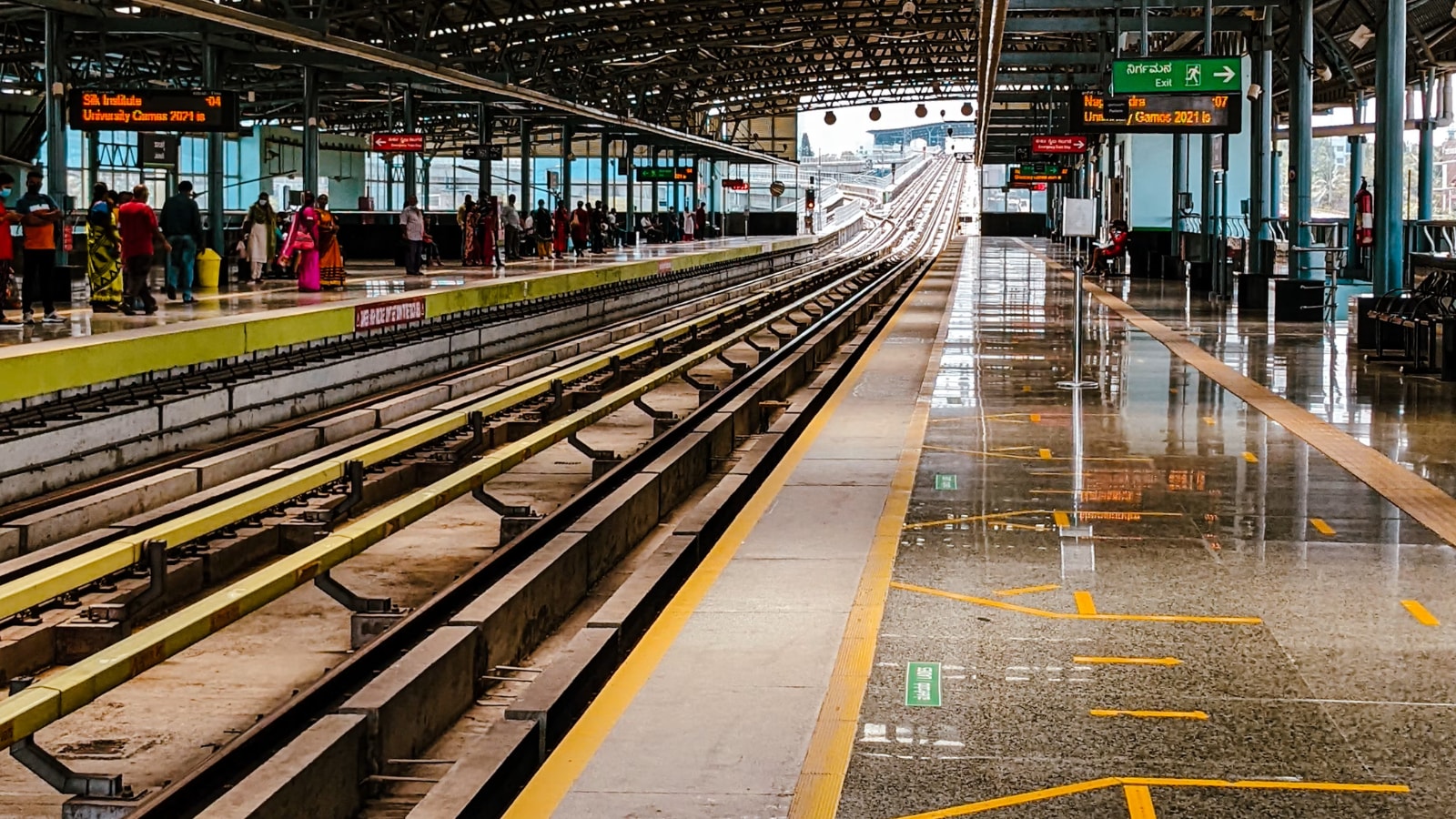
Another factor is the distance people are willing to travel when affordable rail services are available. In Mumbai and other cities with extensive suburban networks, daily journeys can stretch far beyond 15 km and, in some cases, reach several dozen kilometres or more. A longer commute does not necessarily mean a proportionately higher transport bill when low-cost suburban rail is available. It can also allow households to live farther from expensive city centres, where rents may be lower. Bengaluru’s limited suburban rail coverage leaves commuters with fewer such choices. Someone living farther from the workplace may have to depend on a combination of Metro and road transport, pushing up the total cost.
The Real Question Is Cost Or Time? For Bengaluru’s lower-income commuters, the difference is significant. Choosing the Metro can mean spending a larger share of monthly earnings on transport, while switching to road-based options can result in longer journeys and greater uncertainty. For higher-income workers, the calculation may be different. The additional expense can be viewed as the price of avoiding traffic and making journey times more predictable. That distinction explains why Namma Metro continues to attract commuters despite its relatively high cost. It is not necessarily the cheapest way to cross Bengaluru, but it offers something that road transport often cannot – a relatively dependable journey time.
The city’s long-term answer may lie in expanding the rail network beyond the Metro. A stronger suburban railway system, integrated with Namma Metro and other public transport, could give Bengaluru commuters more choices and reduce the financial pressure of daily travel. Until then, Namma Metro remains a trade-off: commuters pay more than their counterparts in cities such as Mumbai and Kolkata, but they are paying for speed, reliability and a way around Bengaluru’s increasingly costly traffic congestion.