
Which Is The World’s Longest Train Route? It Takes Nearly 7 Days And Crosses 8 Time Zones
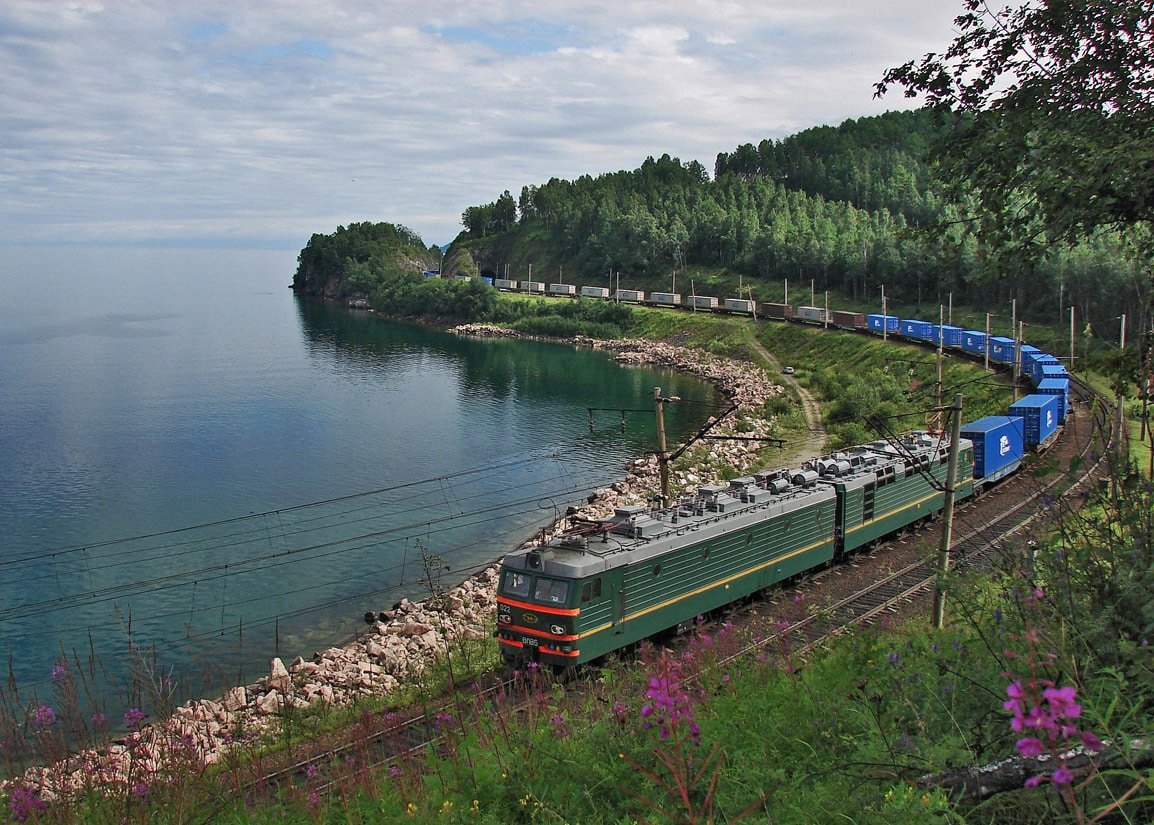
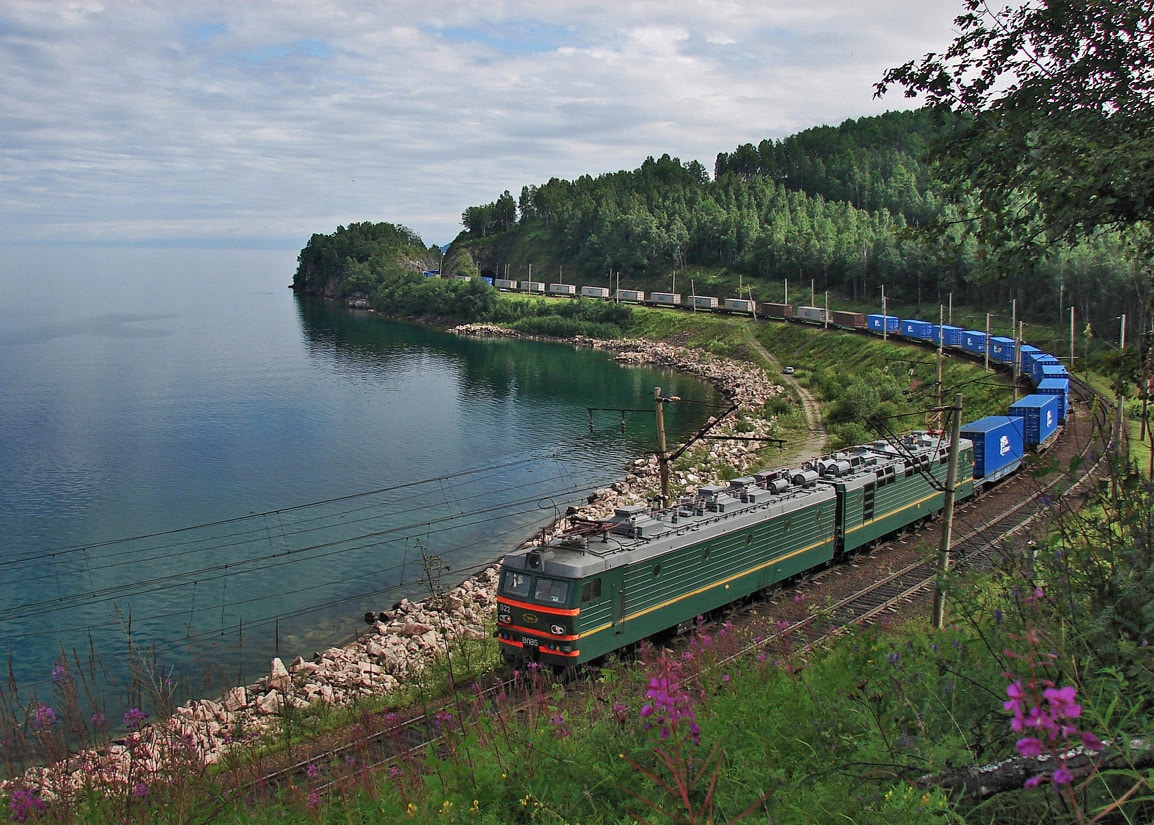
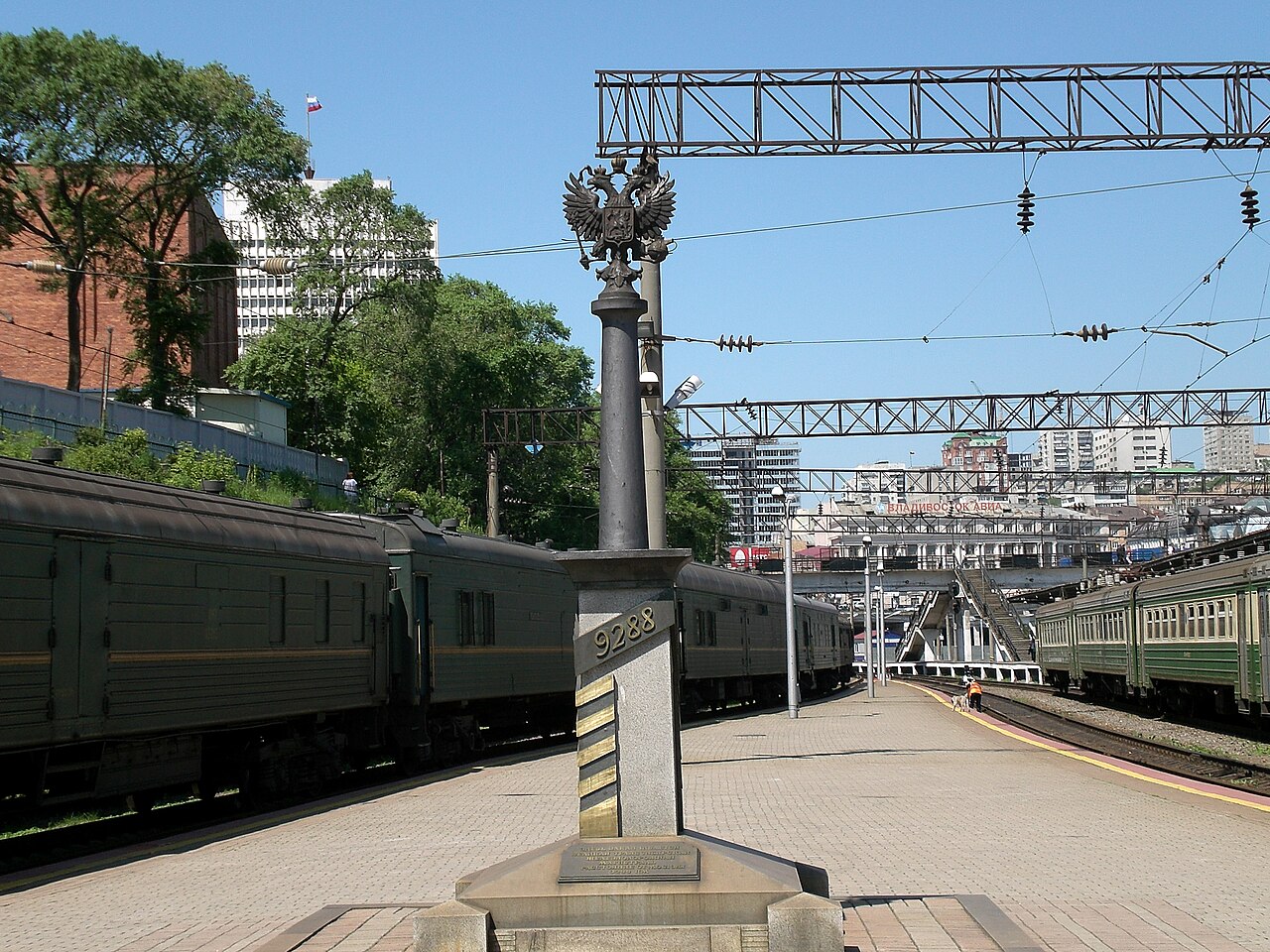
If you love train journeys, imagine spending nearly a week on a train while travelling across thousands of kilometres. One of the world’s most famous long-distance rail journeys takes passengers across Russia, through vast forests, major cities, rivers and Siberian landscapes. Known as the Trans-Siberian Railway, it connects Moscow with Vladivostok in the Russian Far East. (Image: Sorovas/Wikimedia Commons)
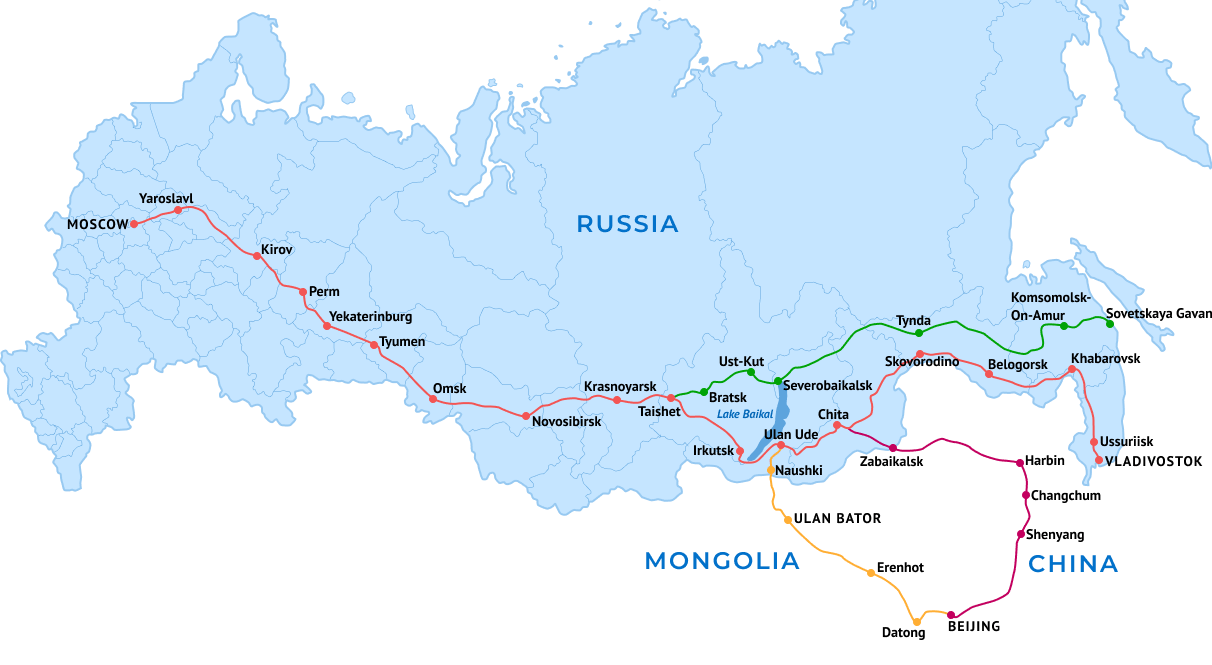
The Trans-Siberian Railway is widely regarded as the world’s longest continuous railway route. The classic Moscow-Vladivostok route covers approximately 9,289 kilometres across Russia. It stretches from the country’s European side to its Pacific coast. (Image: Russian Train)
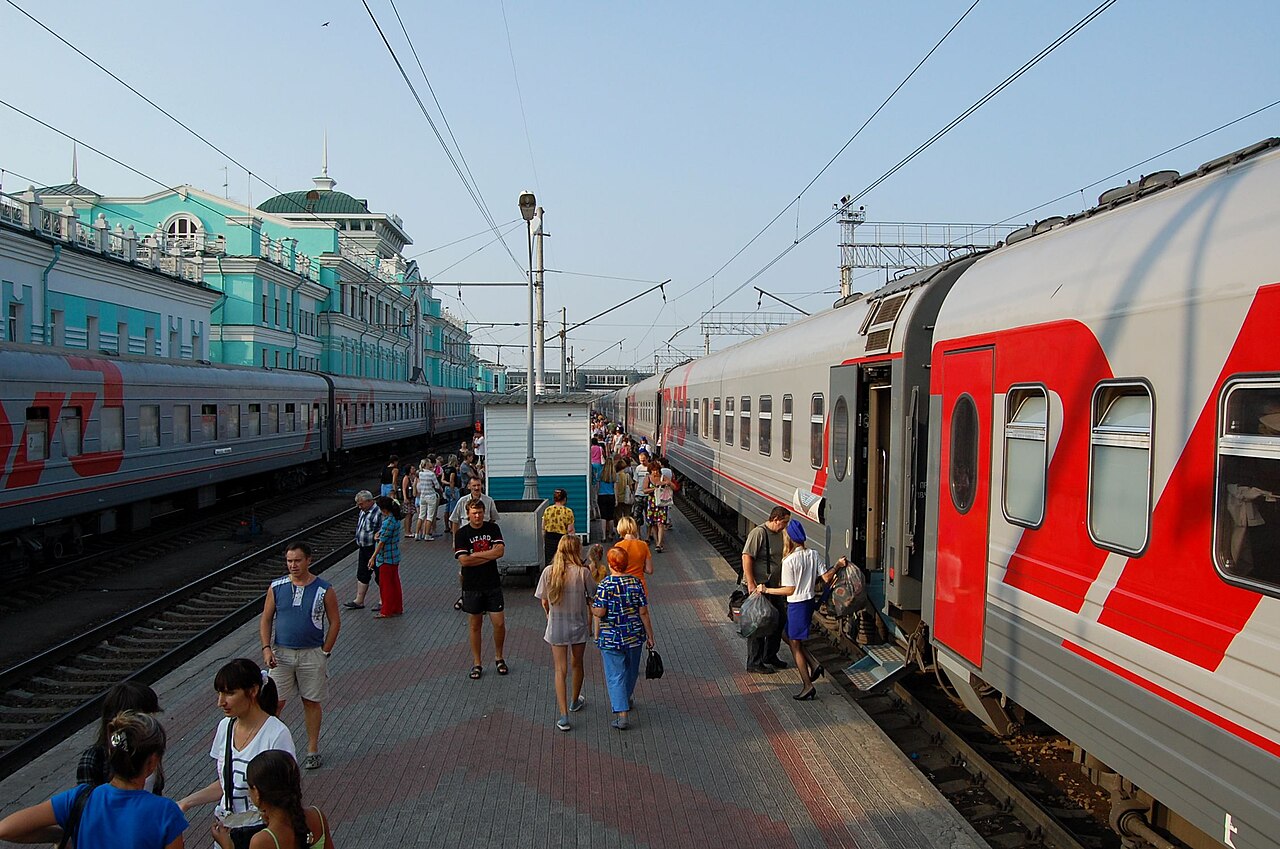
Travelling the entire Moscow-Vladivostok route by train takes roughly seven days, depending on the service and schedule. That means passengers remain on the journey for several days while crossing much of the world’s largest country. (Image: Hugues – Gare de Omsk/Wikimedia Commons)
One of the most fascinating things about the journey is the changing time. The route crosses eight time zones, making it possible for passengers to experience major differences in local time between the beginning and end of the journey. (Image: Toen96/Wikimedia Commons)
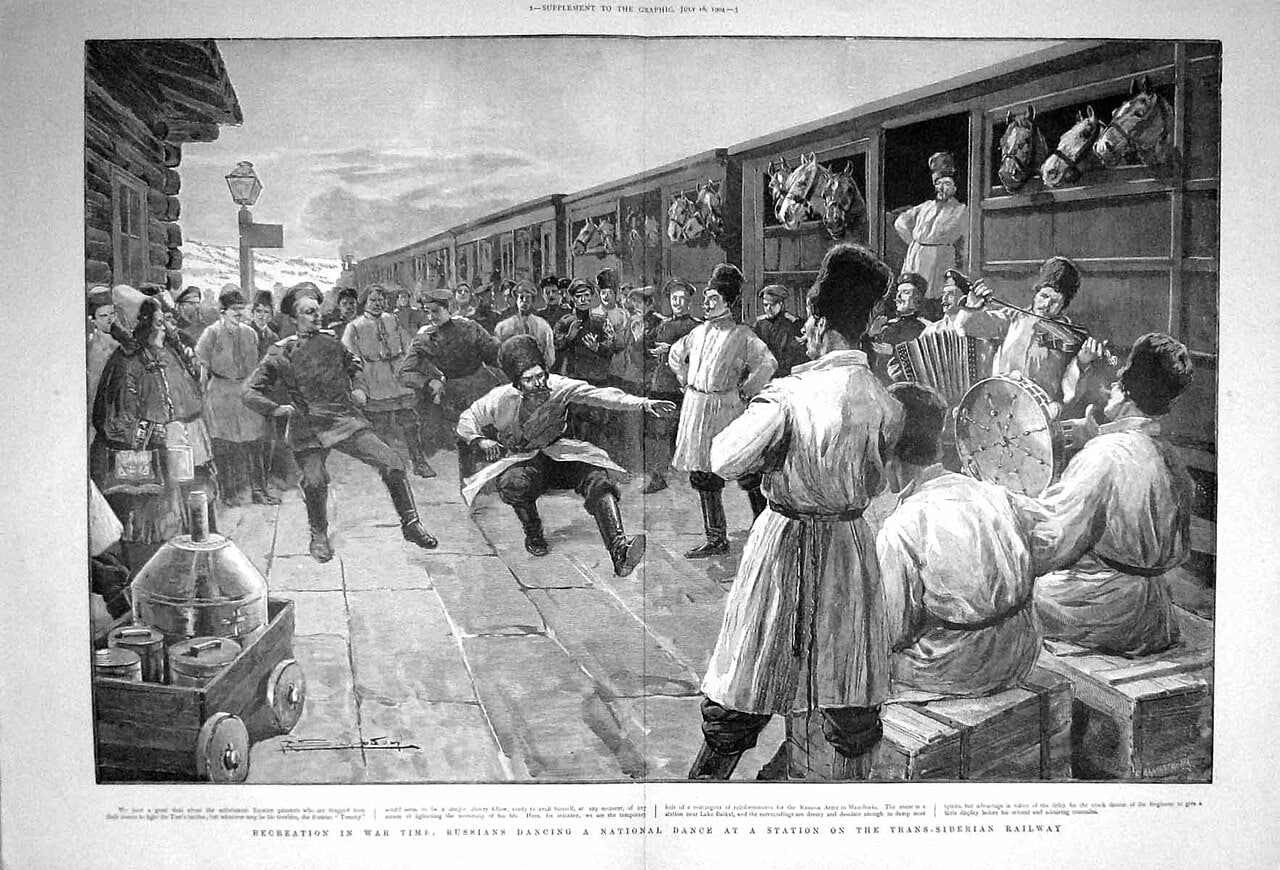
The Trans-Siberian Railway is also an important part of railway history. Construction began in 1891, during the Russian Empire, as authorities sought to improve connections between western Russia and its distant eastern territories. The main line was completed in 1916. (Image: Wikimedia Commons)
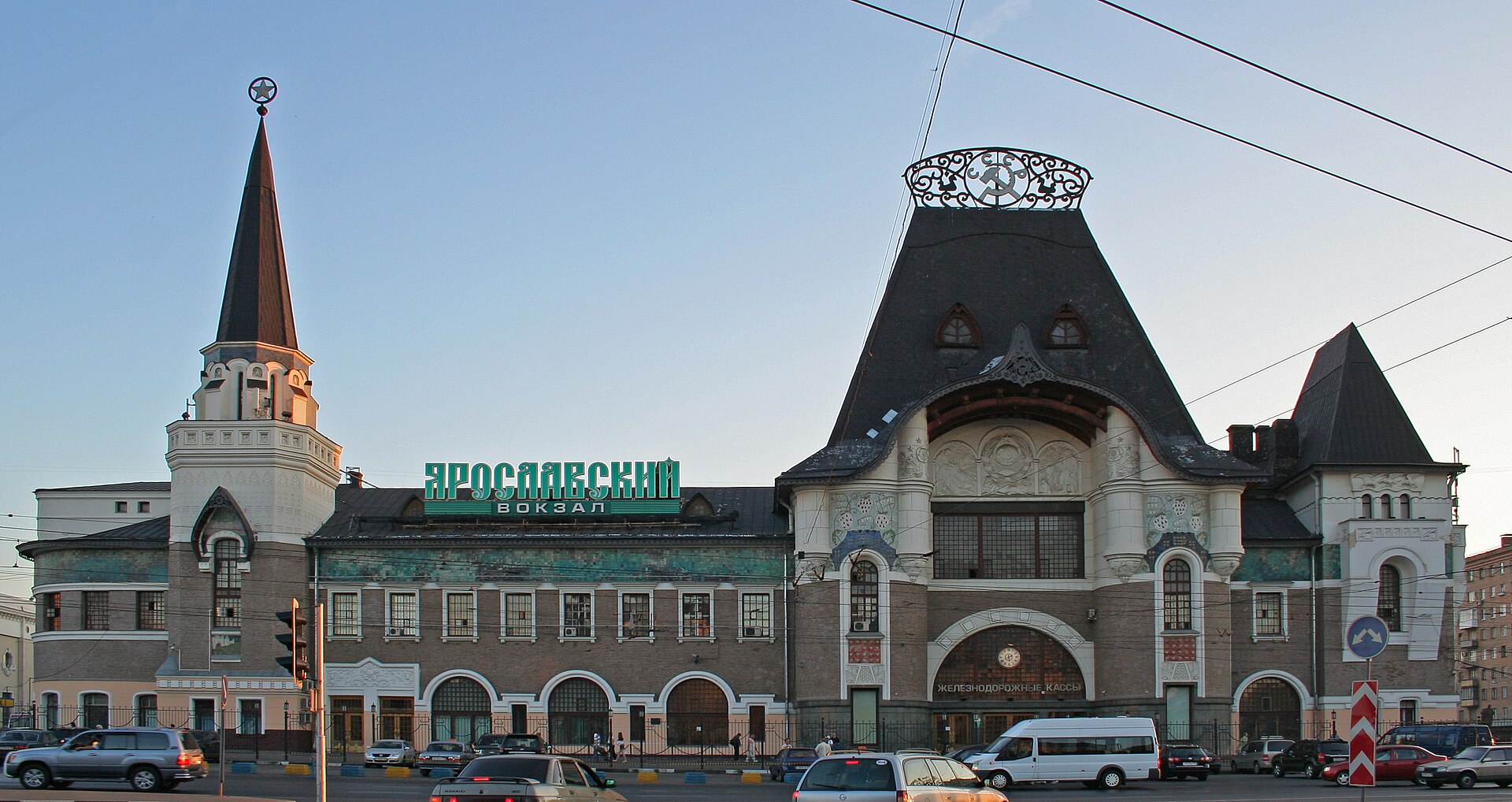
The classic route begins in Moscow and ends in Vladivostok. Along the way, the railway connects or passes through major cities including Yekaterinburg, Omsk, Novosibirsk, Krasnoyarsk, Irkutsk, Ulan-Ude and Khabarovsk. Each stop offers a glimpse of a different part of Russia, from its European heartland to the vast landscapes of Siberia. (Image: A.Savin/Wikimedia Commons)
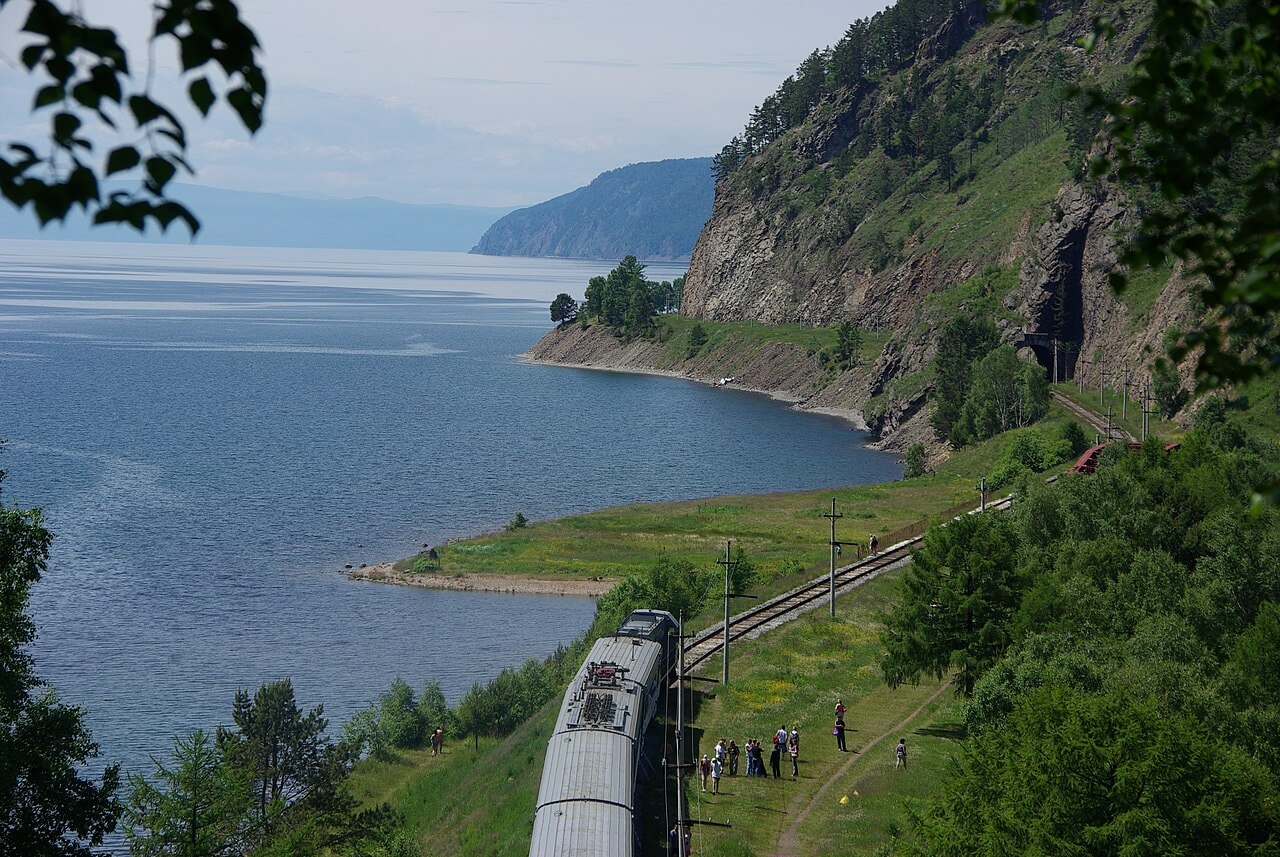
The journey is as much about the scenery as the railway itself. Passengers can see forests, rivers, open plains and Siberian landscapes from the train. The route also passes near Lake Baikal, the world’s deepest freshwater lake, making the journey particularly popular with tourists. Irkutsk is one of the important stops for travellers planning a visit to Lake Baikal. (Image: Artem Svetlov/Wikimedia Commons)
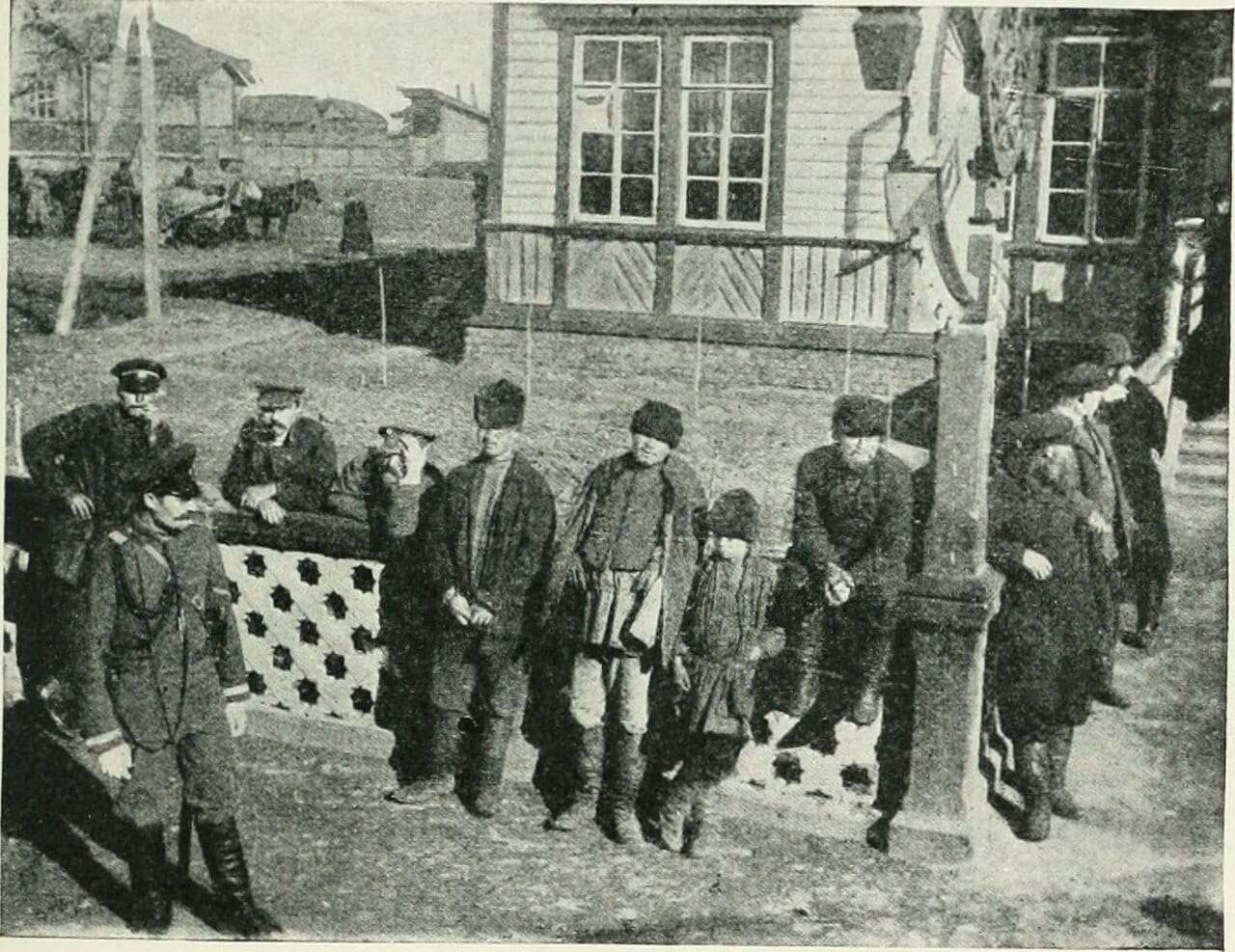
Today, the Trans-Siberian Railway is famous as a bucket-list travel experience, but its original importance was much greater. The railway improved transportation and communication across Russia and became an important route for trade, cargo and strategic movement. It also helped connect distant regions with the country’s major cities. (Image: Internet Archive Book Images/Wikimedia Commons)