
Pregnant Women Travelling By Train? Know The Rules For Lower Berths
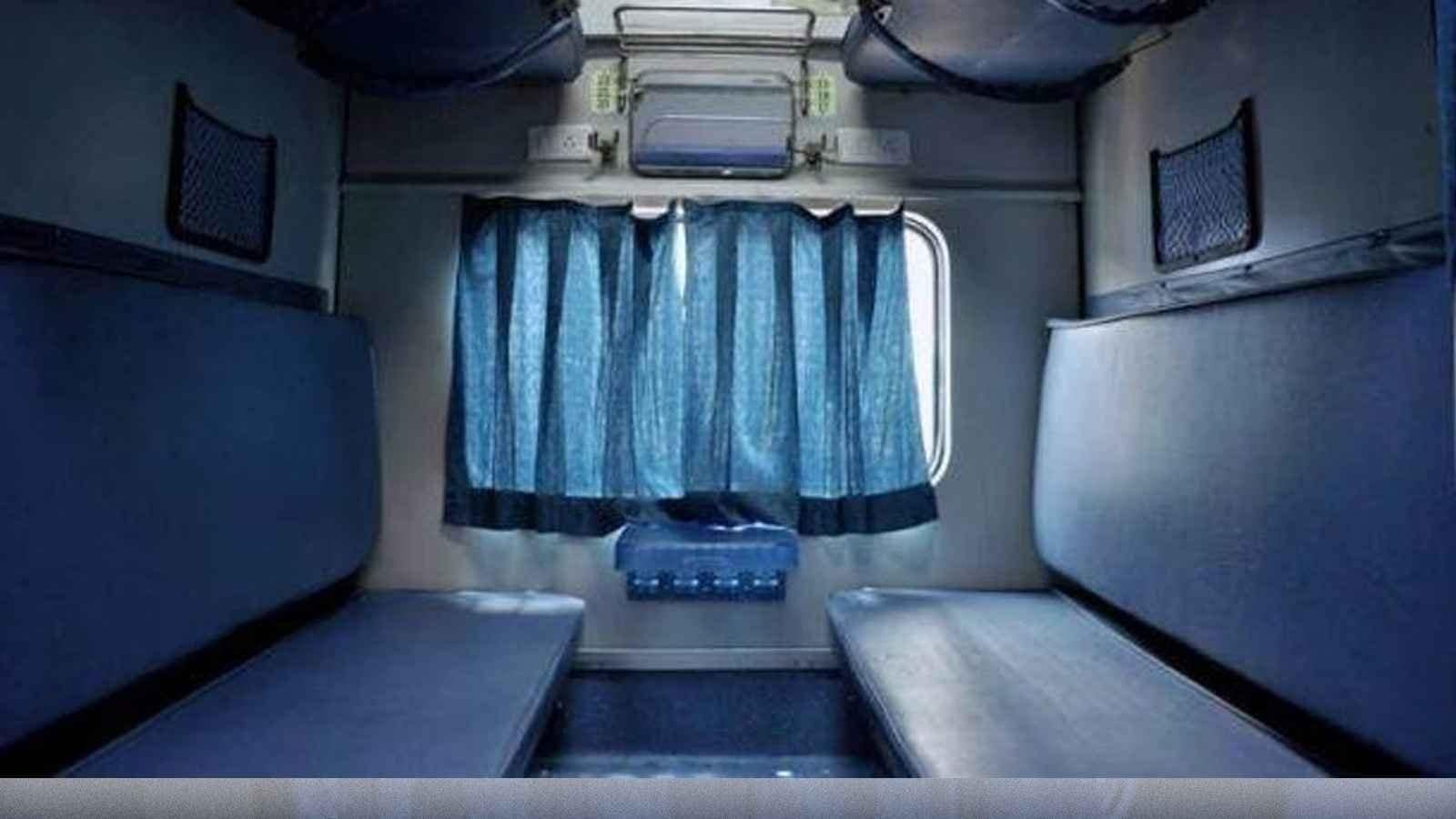
Navigating train journeys presents significant physical challenges for expectant mothers assigned upper or middle berths. Following a public interest litigation regarding missing online booking options on IRCTC, the Delhi High Court issued notices to Indian Railways. Here is a clear breakdown of lower berth allocation rules and key traveller rights.
The Delhi High Court issued official notices to Indian Railways following a PIL highlighting how the IRCTC application lacks direct selection options for pregnant women seeking mandatory lower berth seating during online reservations.

Chief Justice Devendra Kumar Upadhyaya emphasized that IRCTC operates strictly as a booking agent. Indian Railways holds full legal responsibility to execute statutory reservation policies across all digital platforms without forcing counter visits.
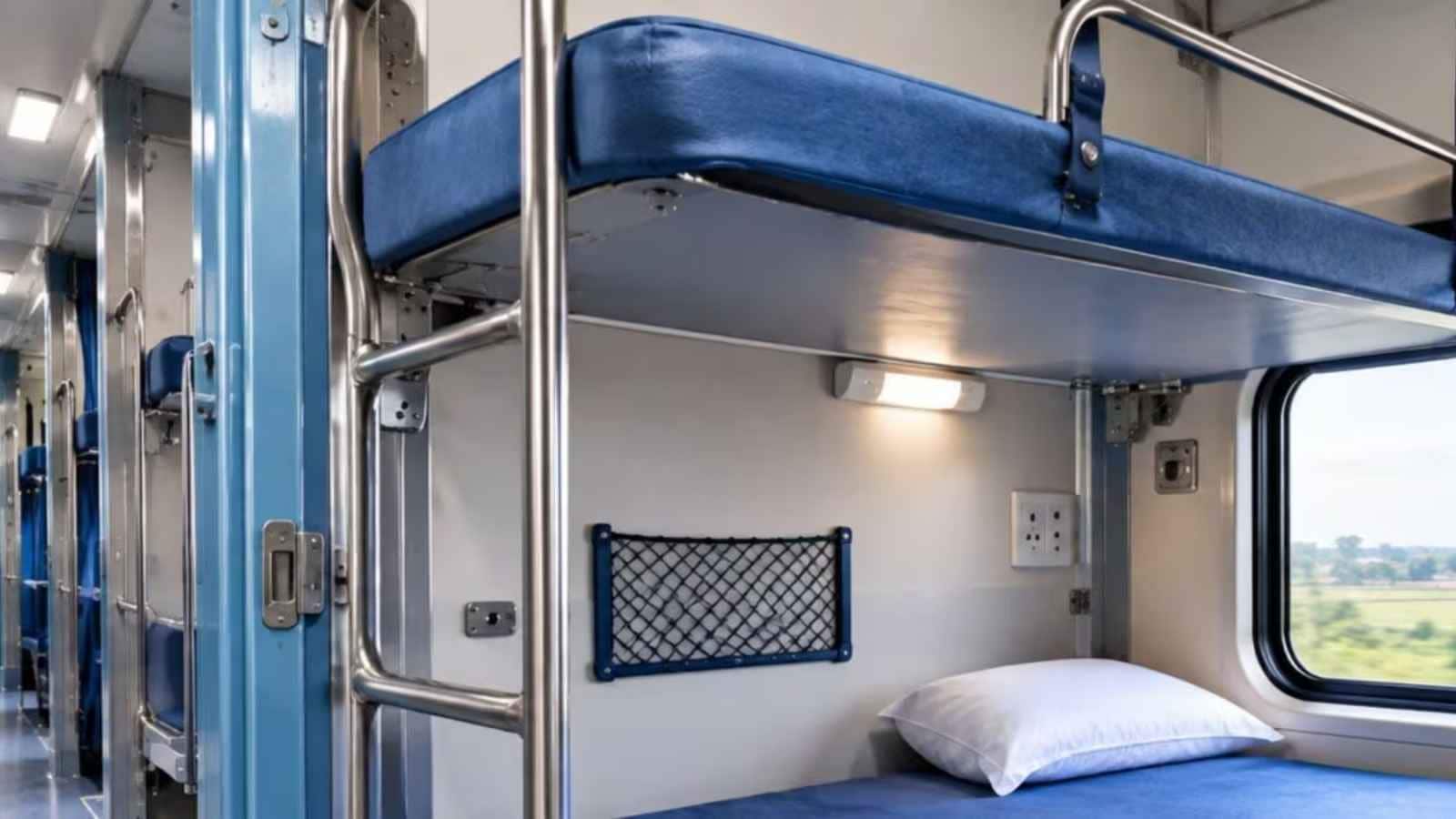
Currently, expectant mothers seeking guaranteed lower berth allocation must present medical pregnancy certificates in person at physical railway reservation counters, because automated online booking systems fail to offer direct verification features.
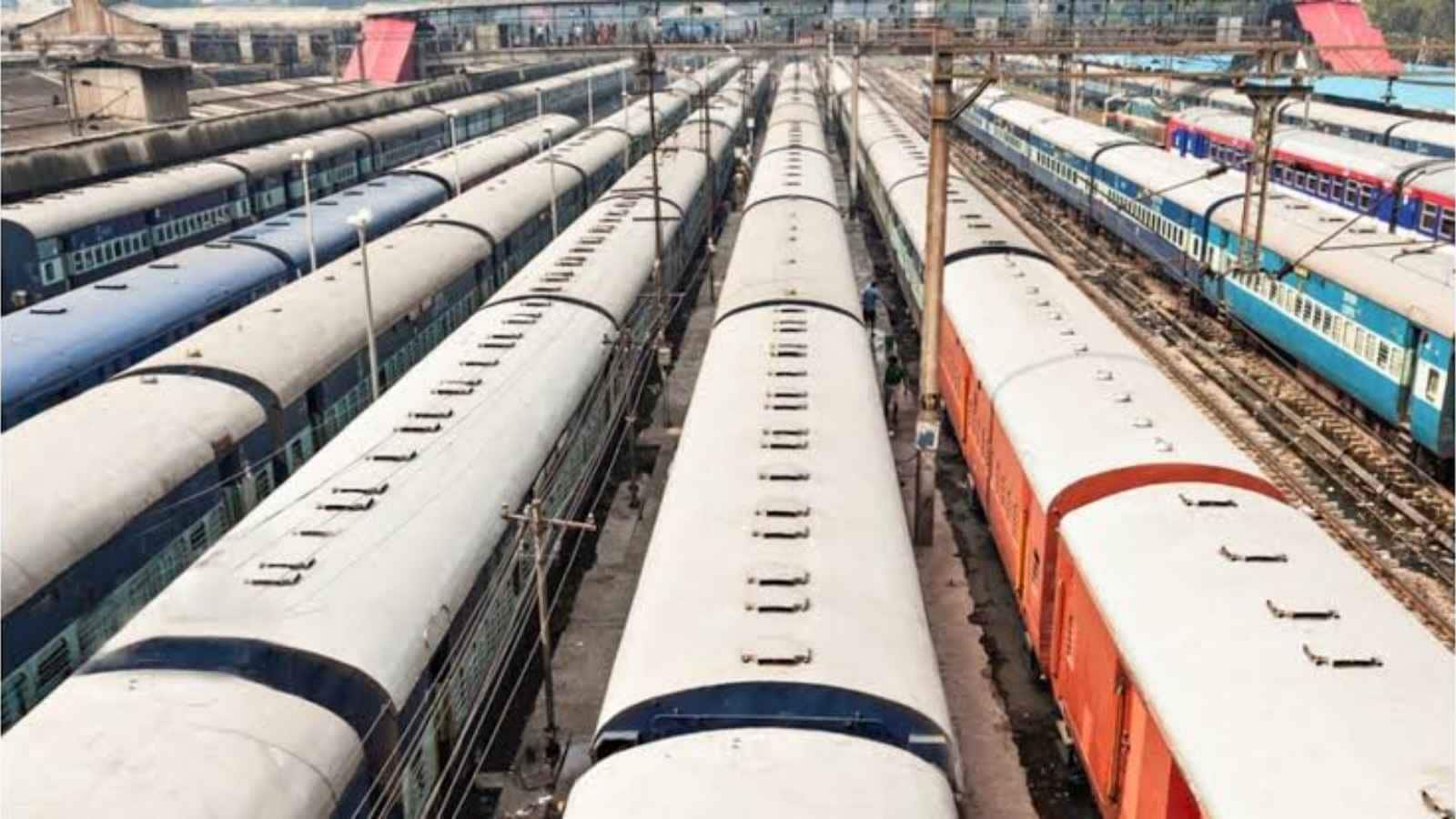
Indian Railways utilizes an auto-allocation system offering lower berths to senior citizens, women over 45, and pregnant travellers. However, these priority seats are assigned strictly subject to real-time quota availability per train.
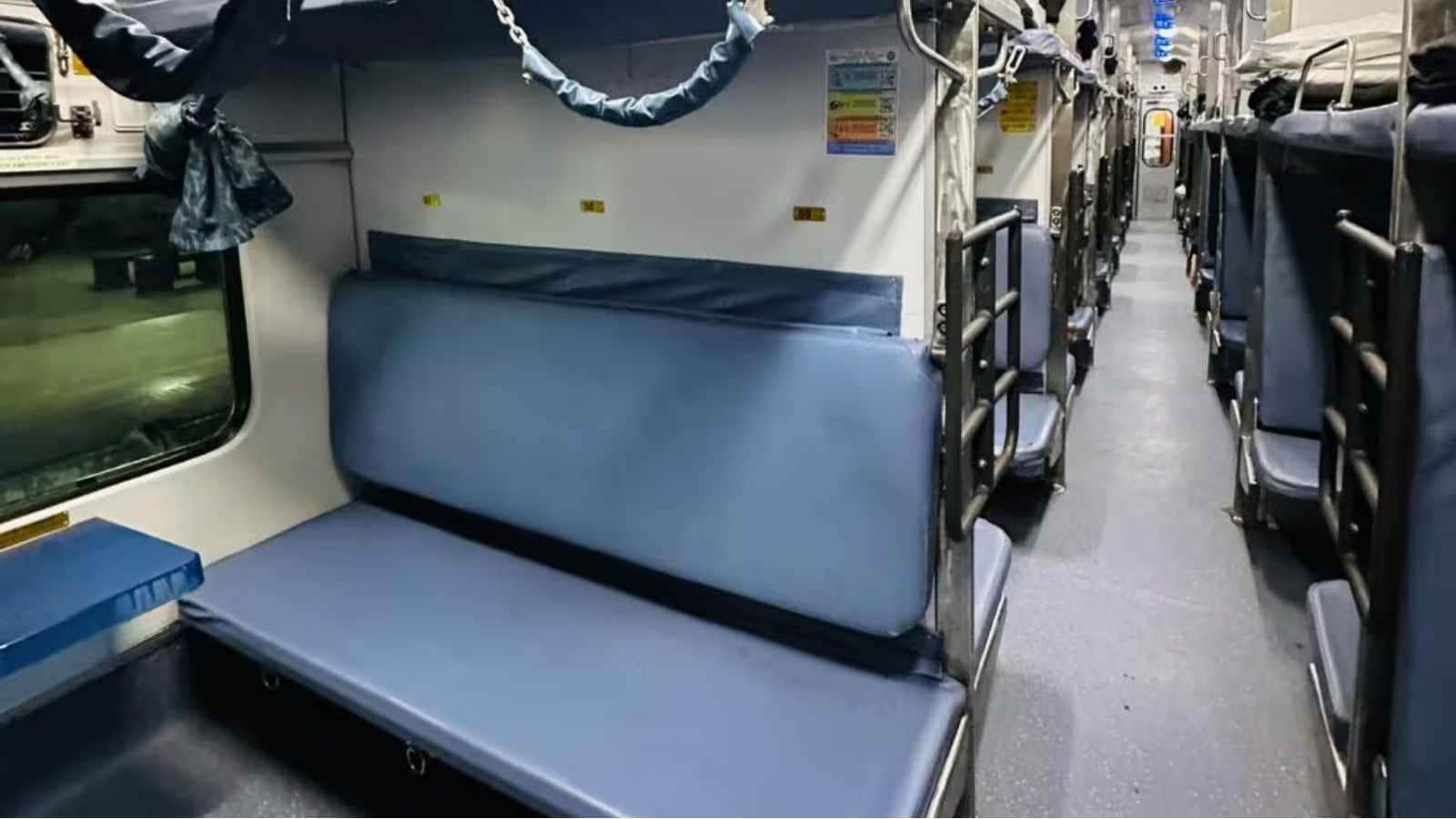
Under existing railway guidelines, six to seven lower berths per Sleeper Class coach are specifically reserved for senior citizens, women above 45 years old, and pregnant passengers travelling across long-distance routes.
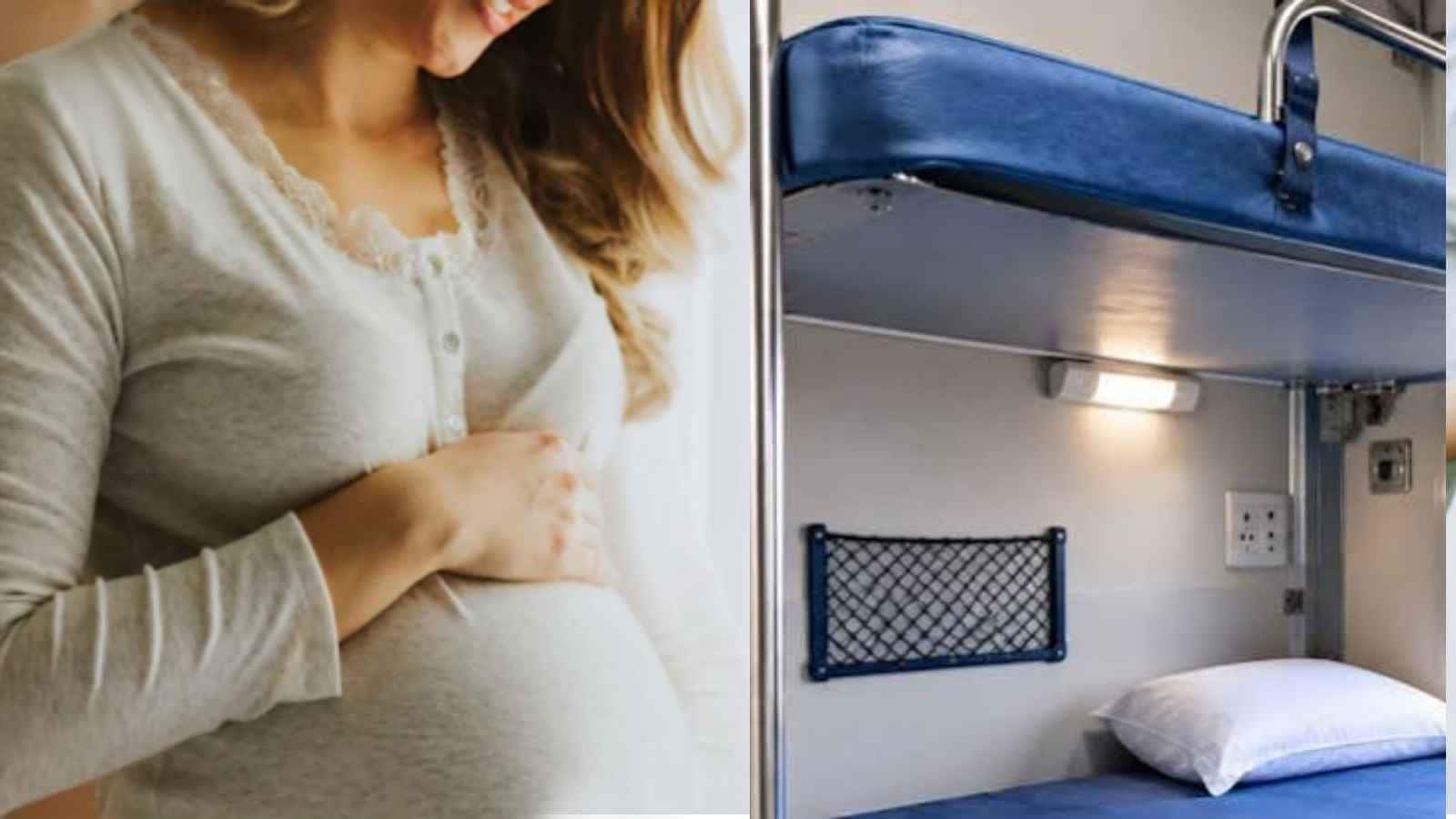
Air-conditioned coaches maintain dedicated lower berth numbers for priority travellers. Every 3AC coach reserves four to five lower berths, while 2AC coaches allocate three to four lower berths per individual train compartment.
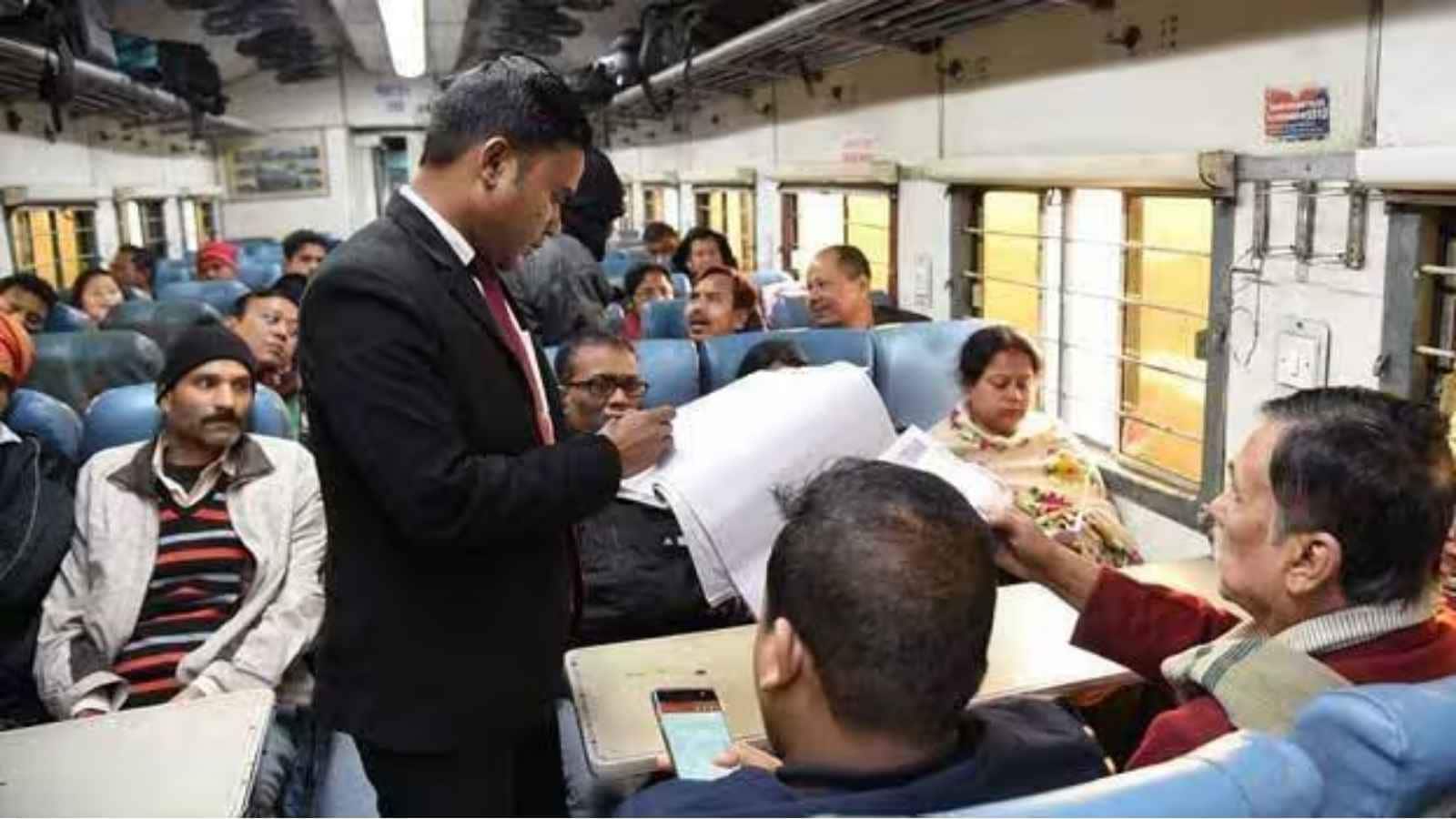
If booking systems assign upper berths, on-duty TTE officers must reassign any unallocated or cancelled lower berths to pregnant women, elderly passengers, or differently-abled travellers immediately upon boarding the train.