
Check Route, Stations And More
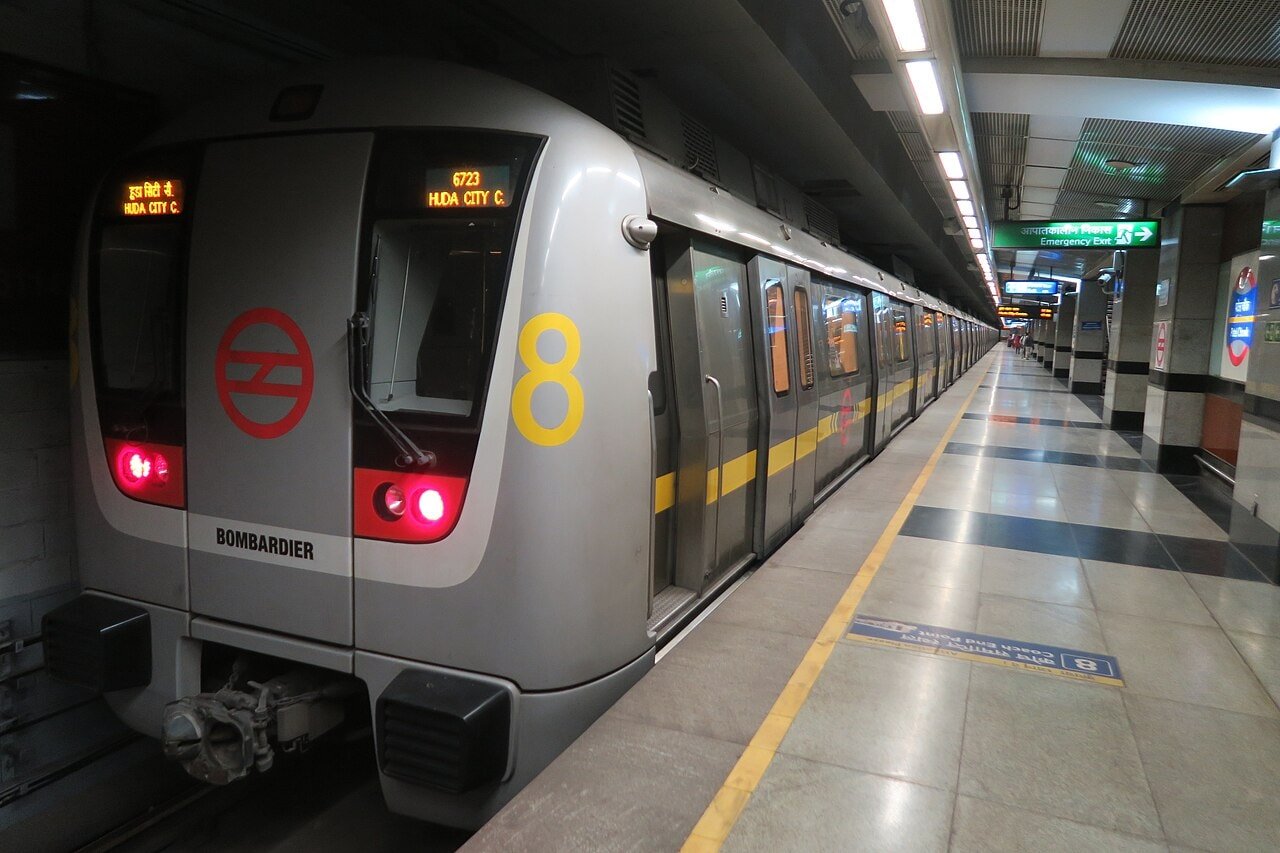
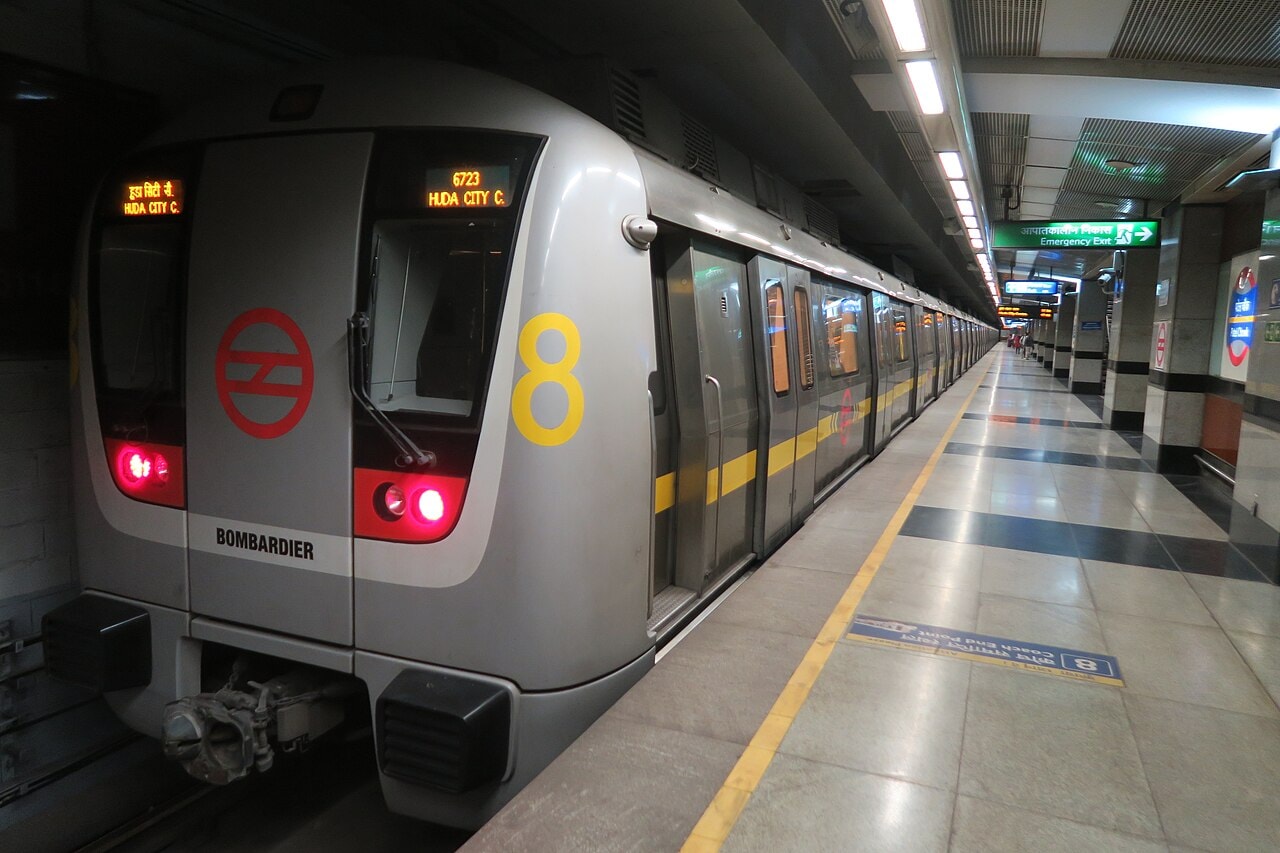
Delhi is set to get a new metro corridor connecting Lajpat Nagar with Saket G Block. The proposed route will improve connectivity across South Delhi and introduce a smaller three-coach metro train on the city’s network. (Image: WillaMissionary/Wikimedia Commons)
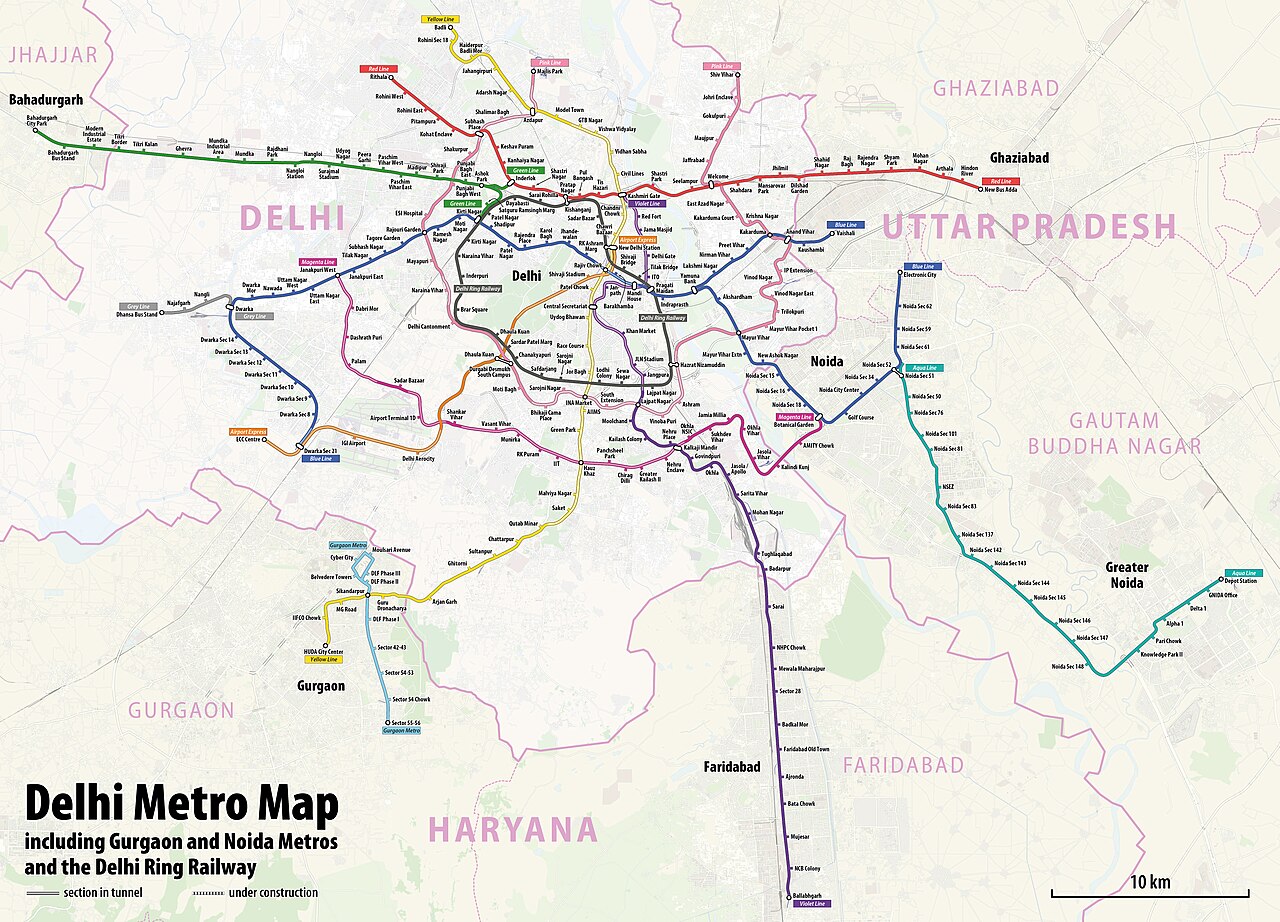
The new Lajpat Nagar-Saket G Block corridor is part of Delhi Metro’s Phase IV expansion. It will be an elevated stretch of the Golden Line, covering approximately 8 km and featuring eight stations. The project is aimed at improving public transport in South Delhi, especially for people travelling between residential, commercial and institutional areas. (Image: Maximilian Dörrbecker/Wikimedia Commons)
The proposed corridor will have the following stations: Lajpat Nagar, Andrews Ganj, Greater Kailash-I, Chirag Delhi, Pushpa Bhawan, Saket Court, Pushp Vihar, and Saket G Block. The route will provide metro access to neighbourhoods such as Greater Kailash-I, Pushp Vihar and Saket. (Image: WillaMissionary/Wikimedia Commons)
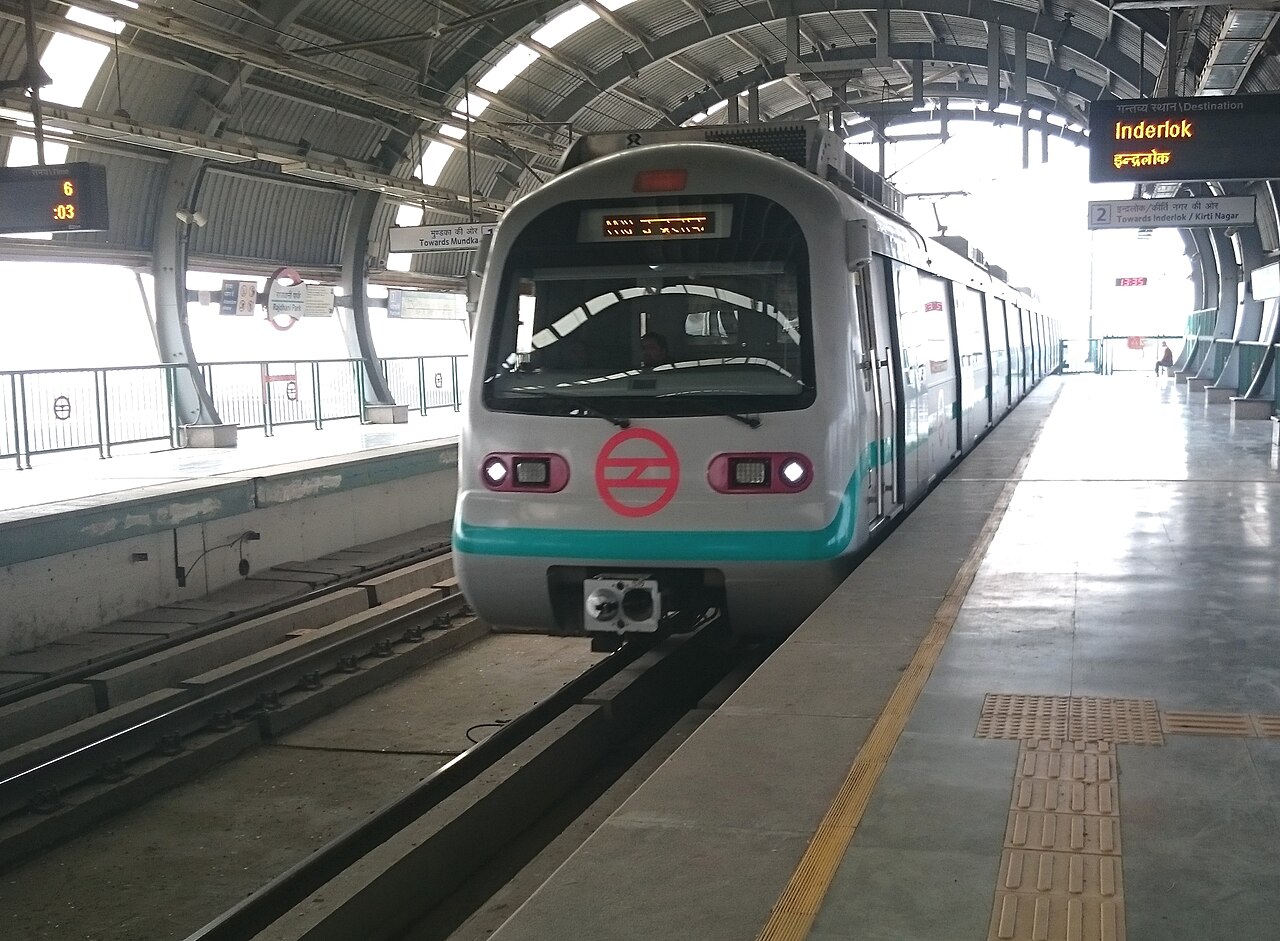
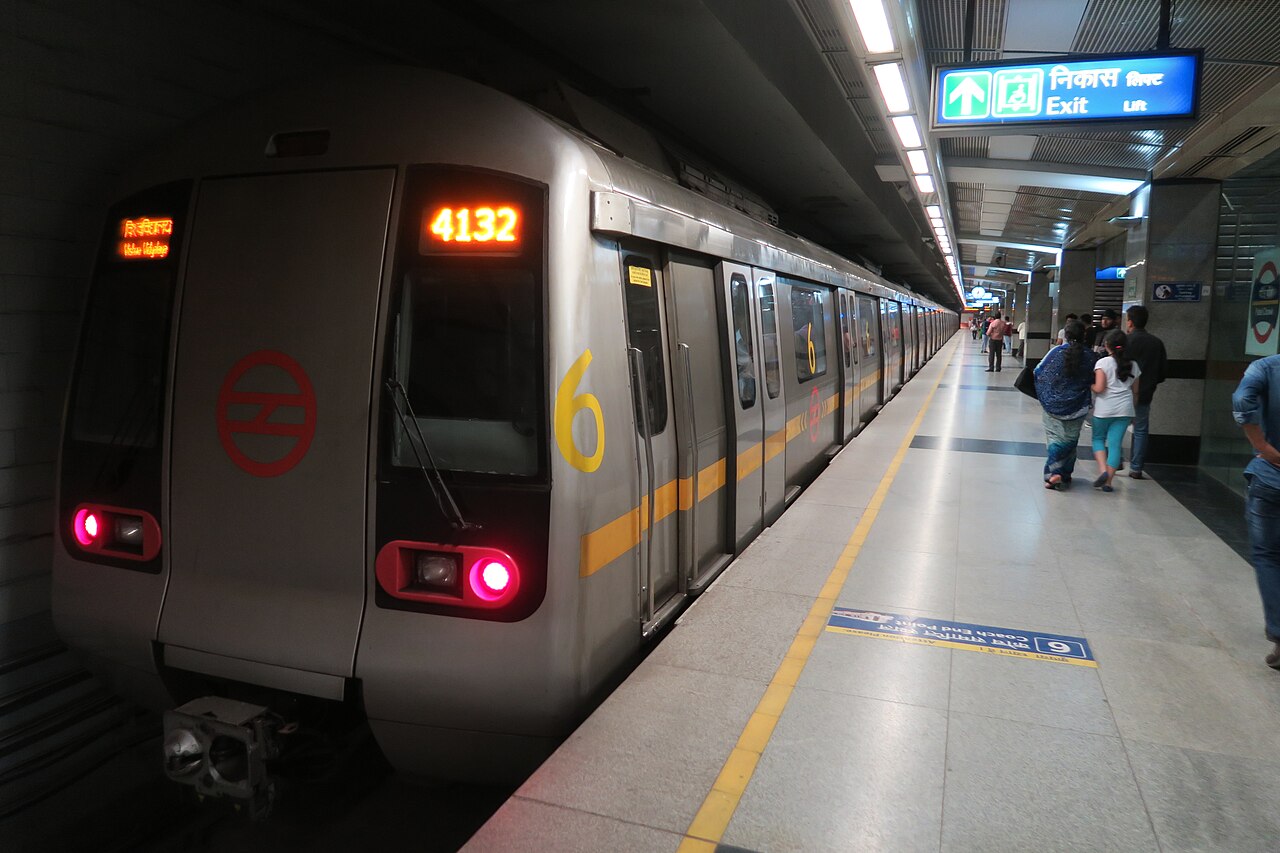
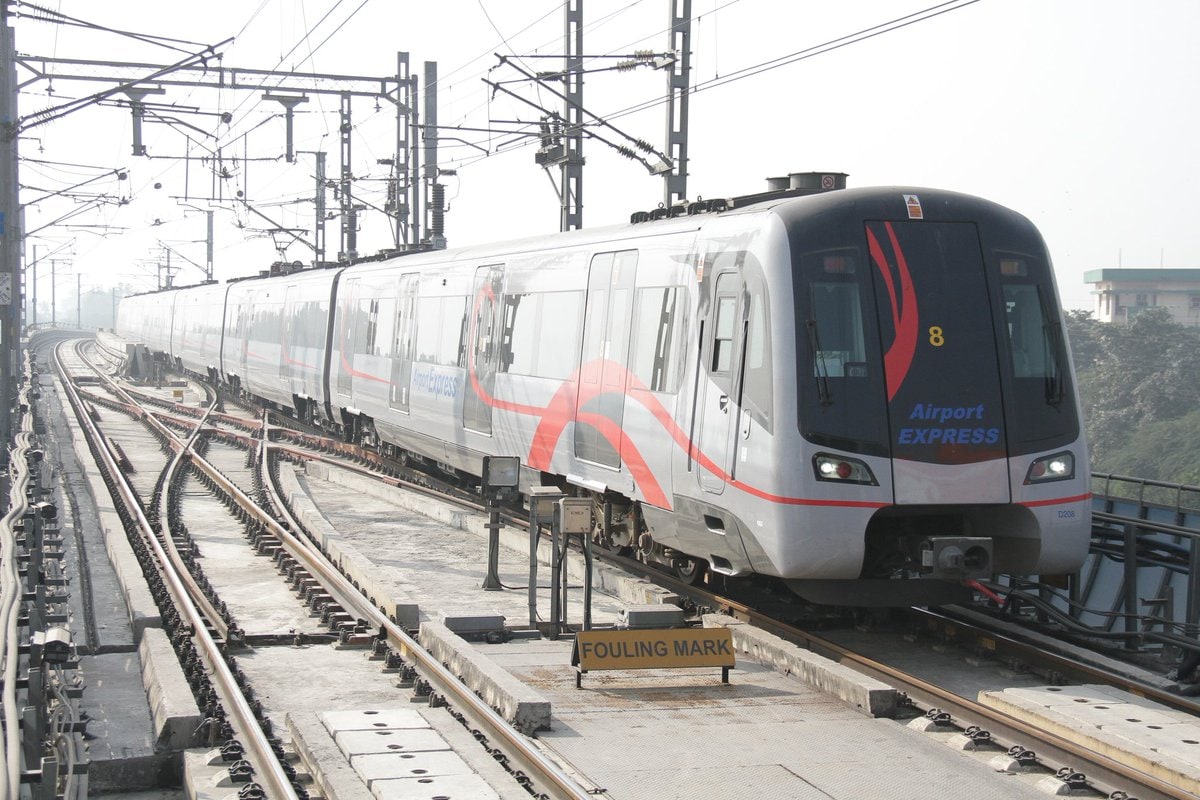
One of the most notable features of this corridor is the plan to operate India’s first three-coach metro train. Unlike longer metro trains used on several busy routes, these trains are designed for shorter-distance urban travel. Each train is expected to accommodate around 900 passengers, with approximately 300 passengers per coach. The smaller train configuration is intended to suit the expected demand on this relatively short corridor. (Image: Ashish itct/Wikimedia Commons)
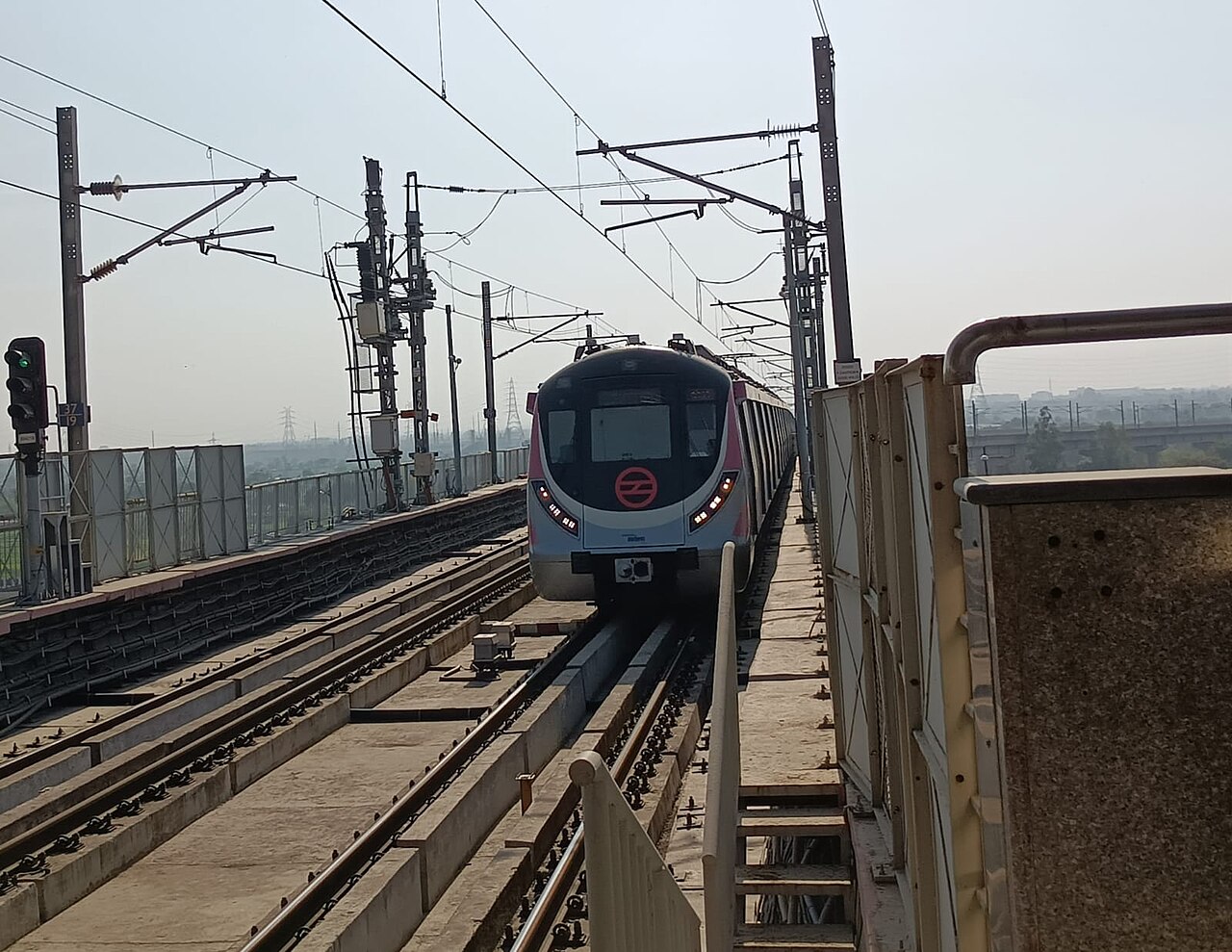
The new corridor will add another metro connection at Lajpat Nagar. The station will connect the Golden Line with the existing Violet and Pink lines, making it a triple interchange station. This will offer commuters more options for changing lines and travelling to different parts of Delhi. (Image: Kool Nerd 123/Wikimedia Commons)
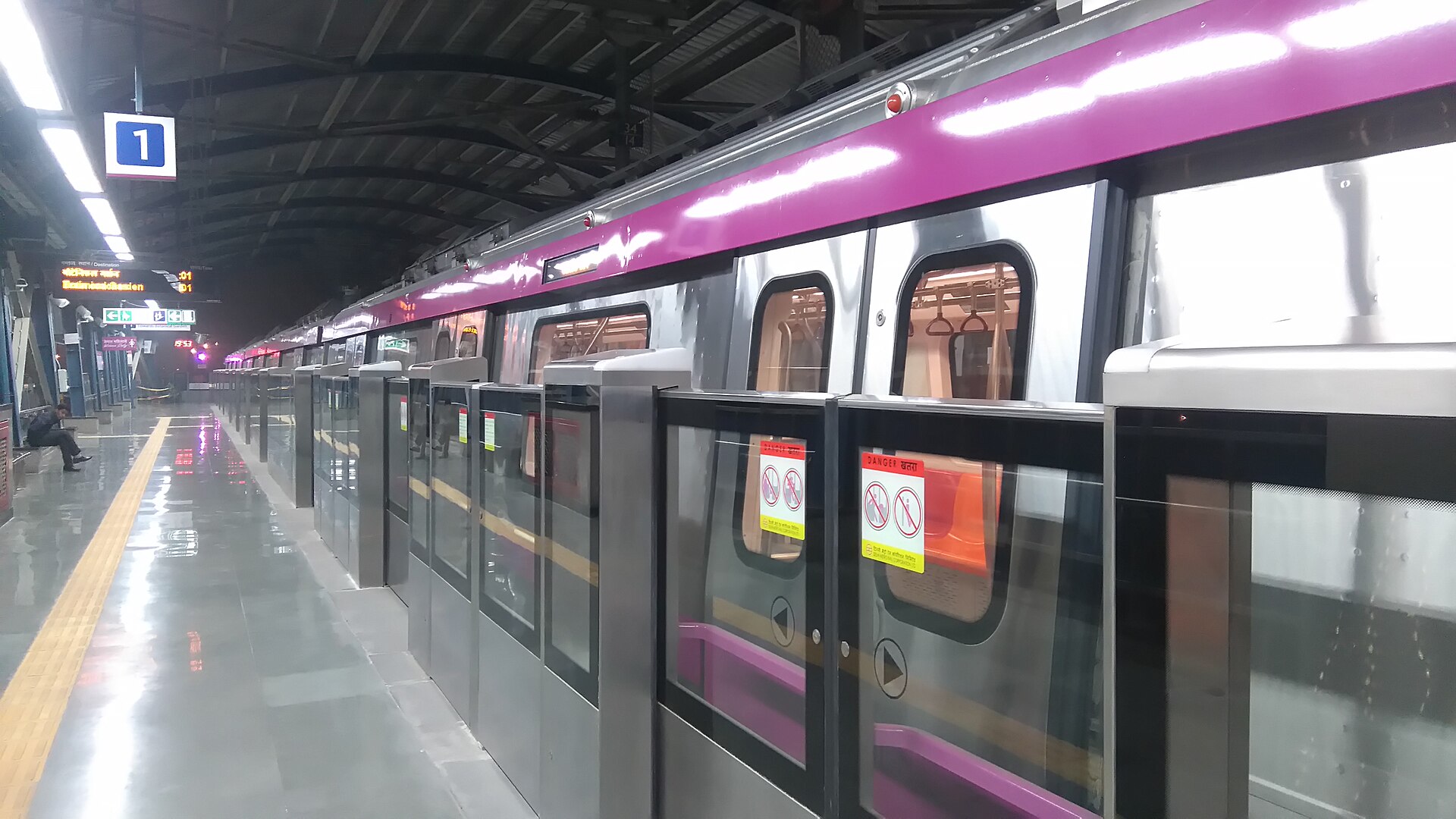
Chirag Delhi is another important station on the route. It will provide an interchange with the Magenta Line, allowing passengers to connect to another major metro corridor. This connection is expected to make travel across South Delhi more convenient for commuters heading towards different parts of the city. (Image: Aze0098/Wikimedia Commons)
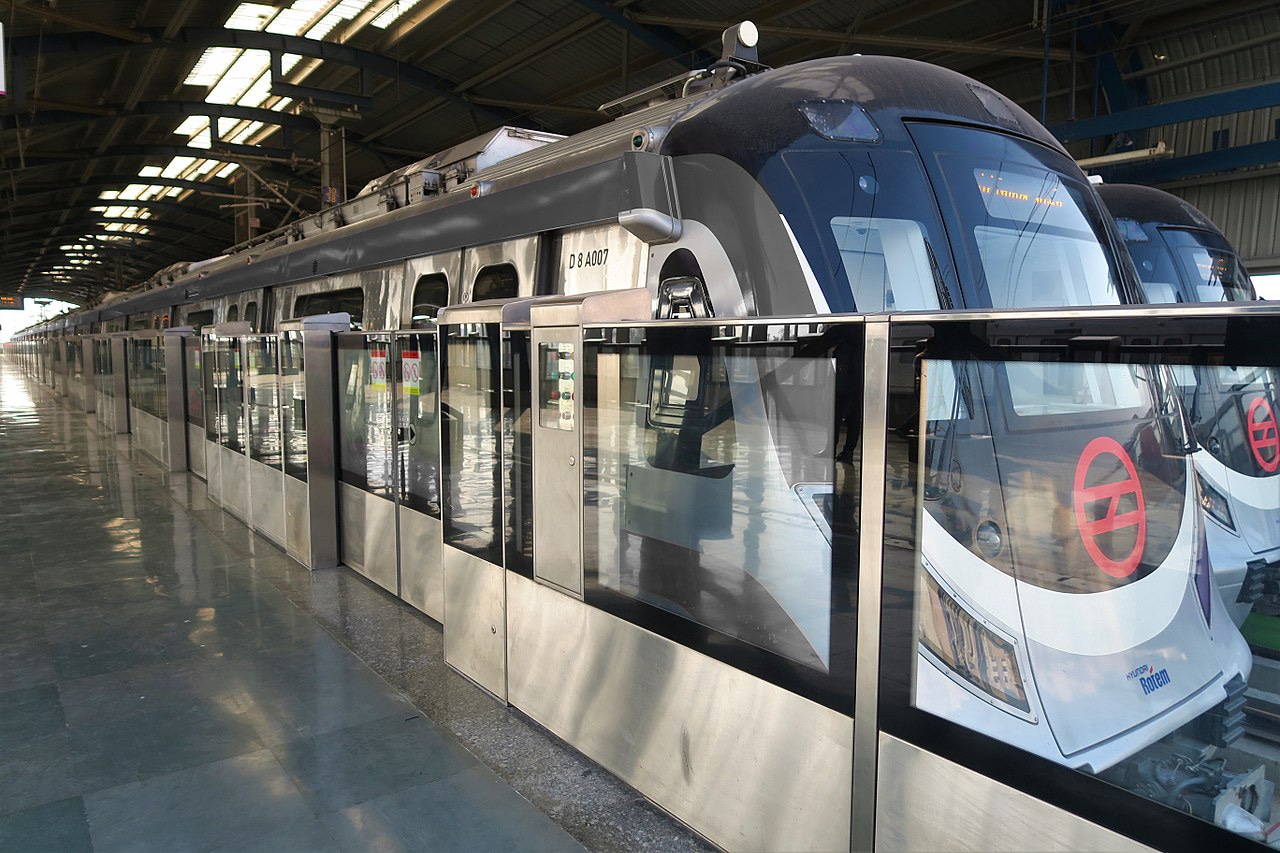
According to reports, the corridor is expected to attract significant daily ridership because it connects densely populated neighbourhoods and high-footfall areas. Delhi Metro has estimated daily ridership of around 60,000-80,000 passengers, with the number projected to cross 1.2 lakh by 2041 after improvements in train frequency. These figures are estimates, not actual passenger counts. (Image: AshuSinghRajput2020/Wikimedia Commons)
The Delhi Metro Rail Corporation (DMRC) began construction work on the corridor in December 2025. The first test pile and groundbreaking ceremony took place near Pushpa Bhawan in the Saket area. The corridor is also linked to the wider Golden Line expansion, which includes the Tughlaqabad-Aerocity route. (Image: Delhi Metro Rail Corporation/Wikimedia Commons)