All You Need To Know
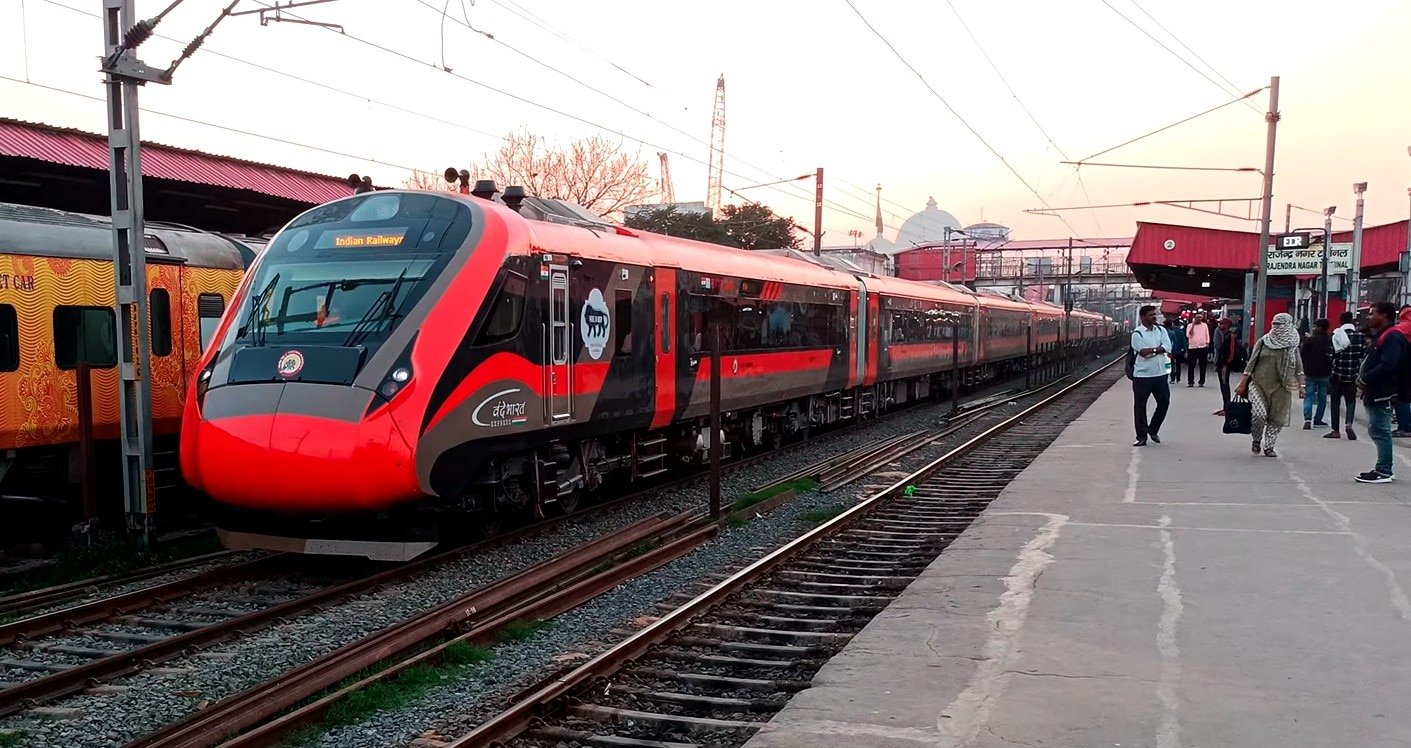
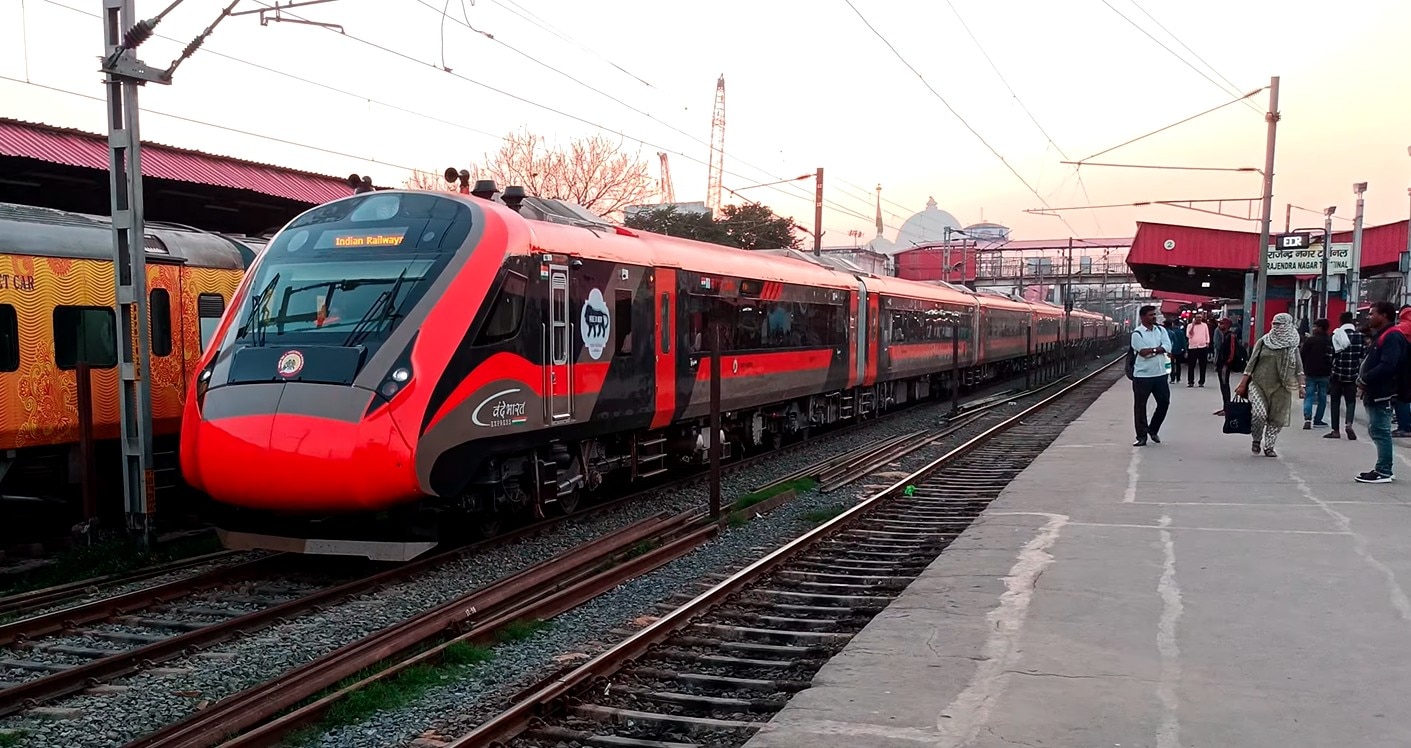
India’s Vande Bharat trains are best known for carrying passengers at high speeds. But the same technology is now being tested for another purpose — moving goods quickly across the country. (Image: Arjun Arvind/Wikimedia Commons)
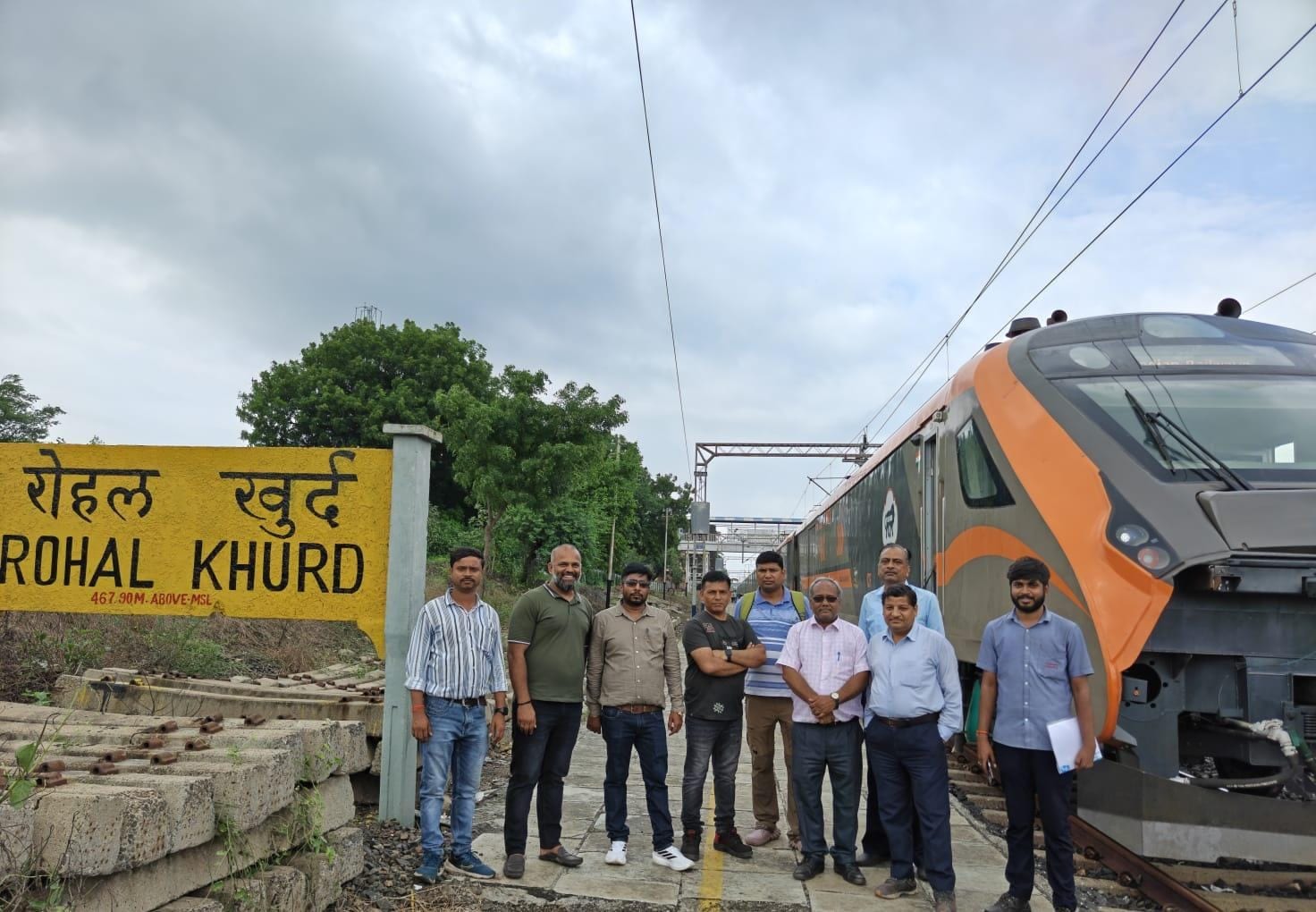
India’s first Vande Bharat freight train has successfully completed a 130 km/h trial run on the Kota-Rohal Khurd section of West Central Railway. The trial is being seen as a significant step towards faster and more efficient freight movement. (Image: X/@drmkota)
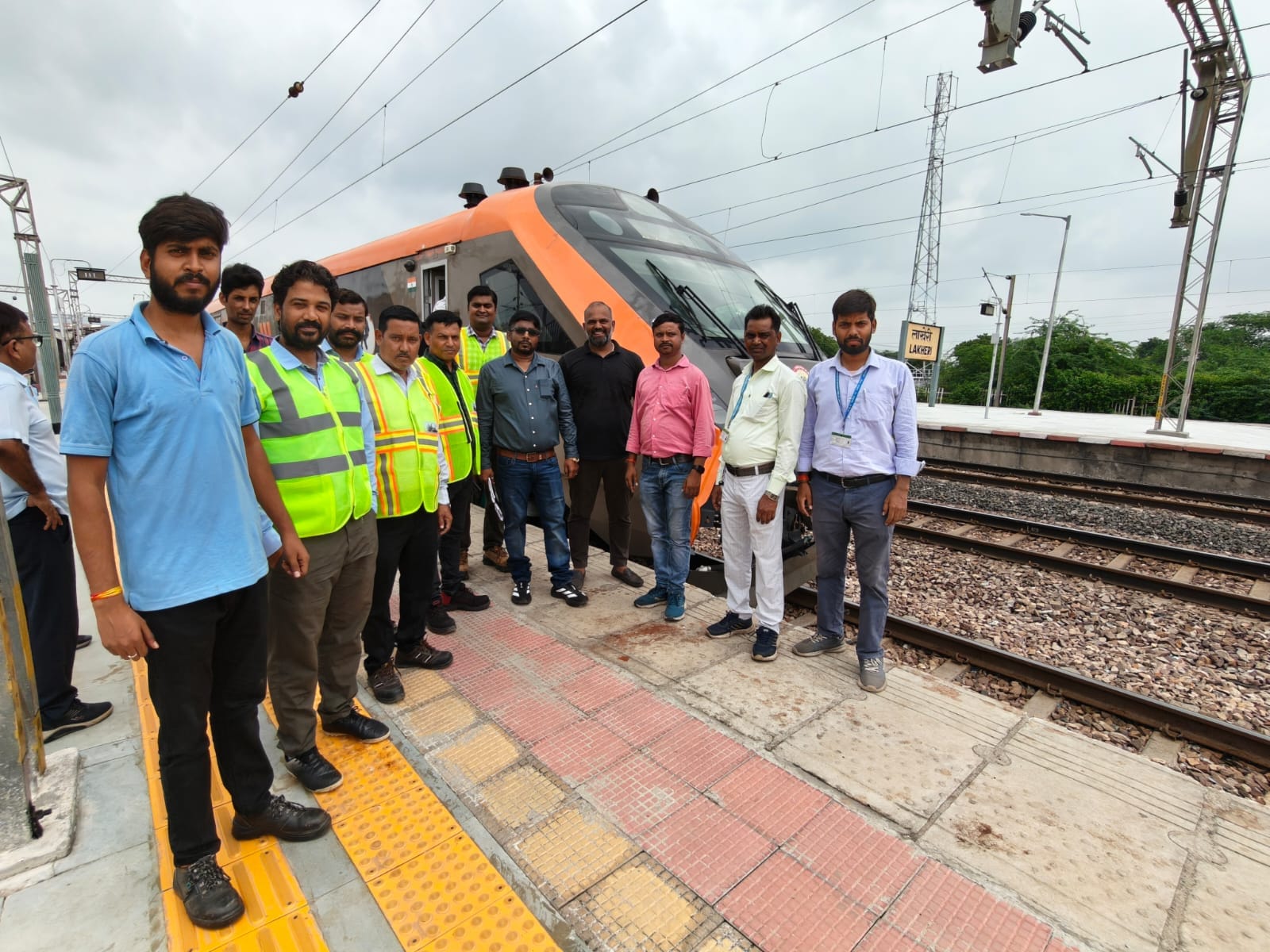
Unlike conventional freight trains, which typically have a locomotive pulling a series of wagons, the new freight version uses a distributed-power trainset design. This means power is distributed across the train’s coaches. The technology is similar to that used in passenger Vande Bharat trains and is designed to support smoother acceleration and braking. (Image: X/@drmkota)
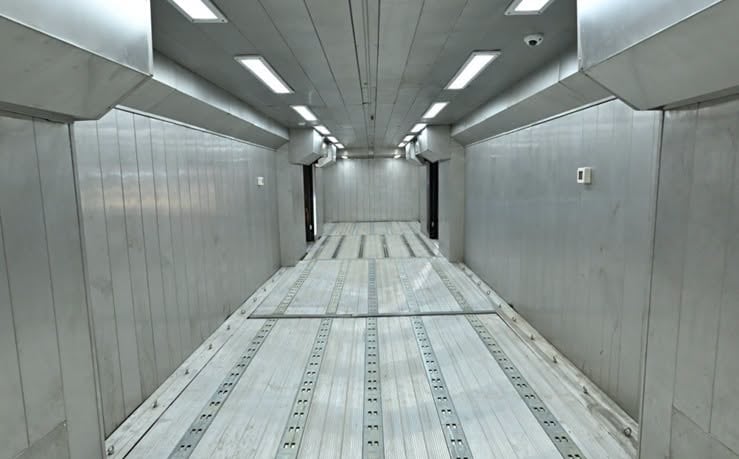
The trial wasn’t simply about checking how fast the train could travel. Technical teams from Integral Coach Factory (ICF), Chennai, and the Research Designs and Standards Organisation (RDSO) evaluated several aspects, including traction, electrical performance, braking, acceleration and suspension. They also examined jerk levels, regenerative braking and the train’s thermal performance while carrying cargo. (Image: Instagram/@indian.railgadi)
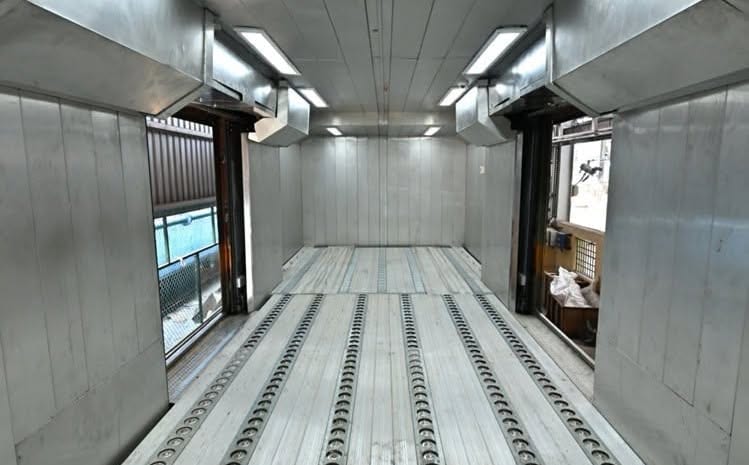
The train is being developed with express freight in mind. Potential cargo could include parcels, e-commerce shipments and perishable goods where delivery speed is particularly important. (Image: Instagram/@indian.railgadi)
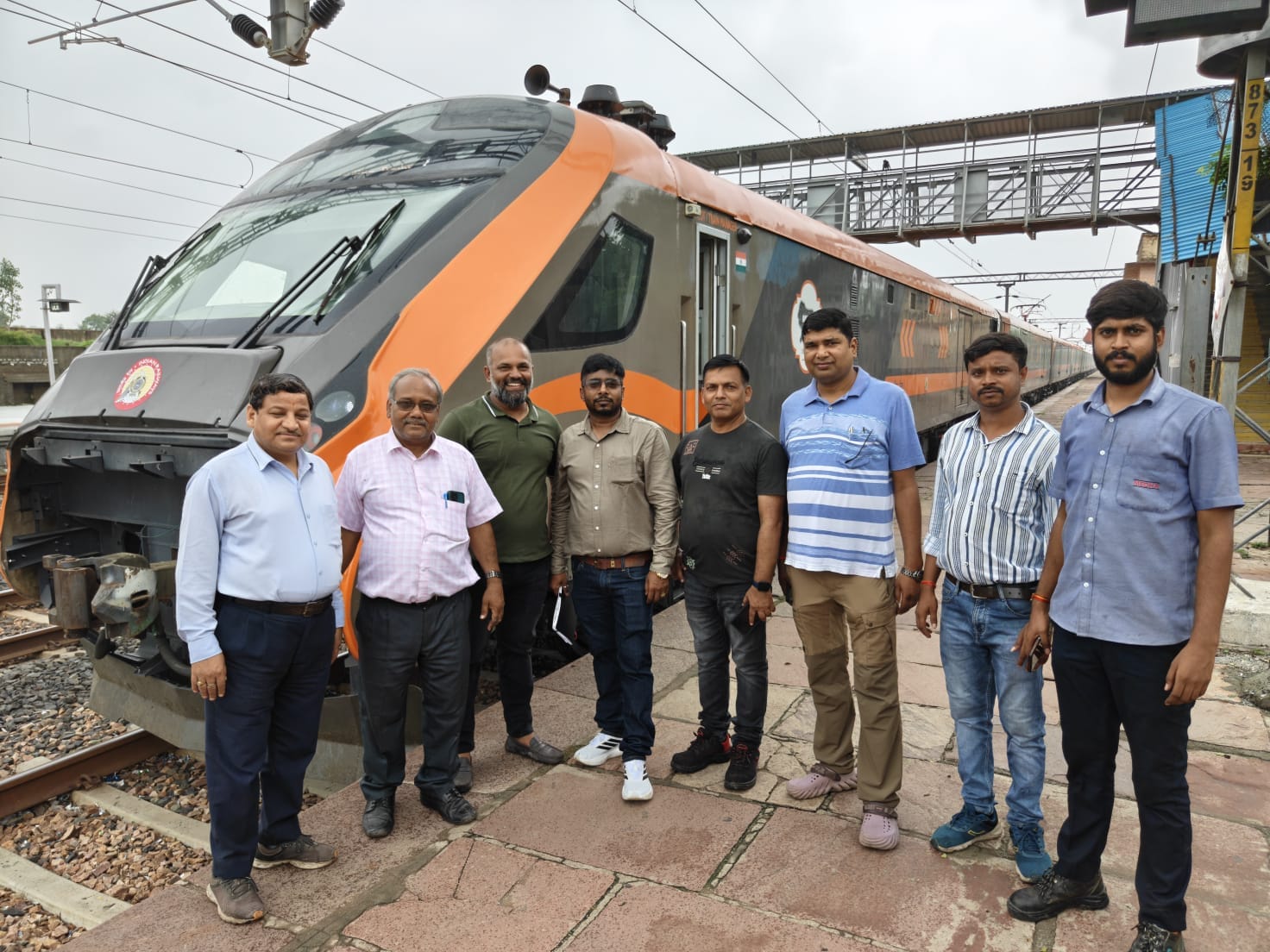
Faster freight trains could make railways a more attractive option for transporting goods that need to reach their destination quickly. The Vande Bharat freight concept could also make use of India’s existing electrified railway network, potentially providing an alternative to some long-distance road transportation. (Image: X/@drmkota)
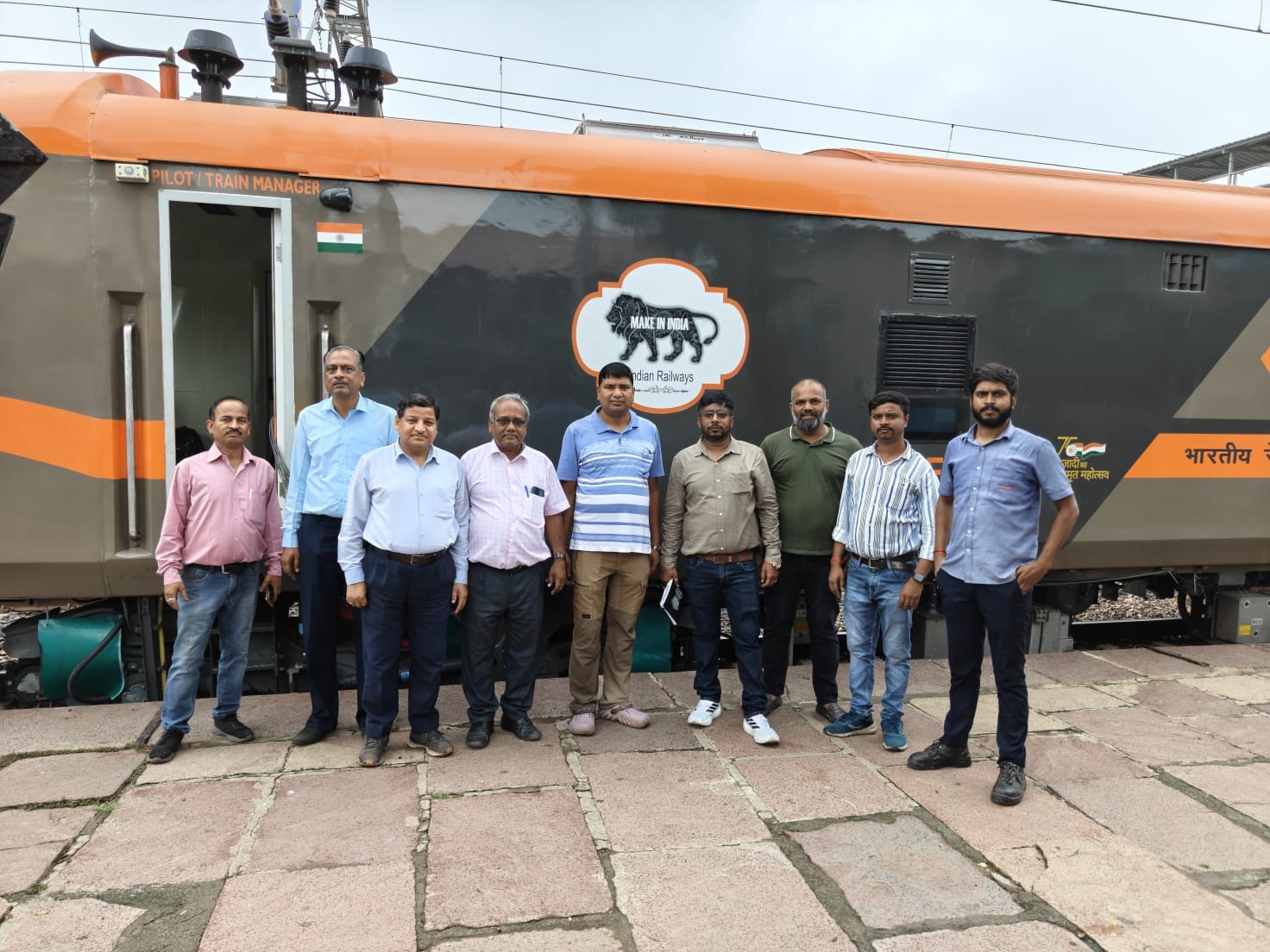
Despite the successful trial, the Vande Bharat freight train has not yet been launched for regular commercial service. Further technical evaluations, safety checks and necessary certifications will be required before it can begin carrying cargo commercially. (Image: X/@drmkota)