Citroen 2CV EV: India Considered For Production And Exports
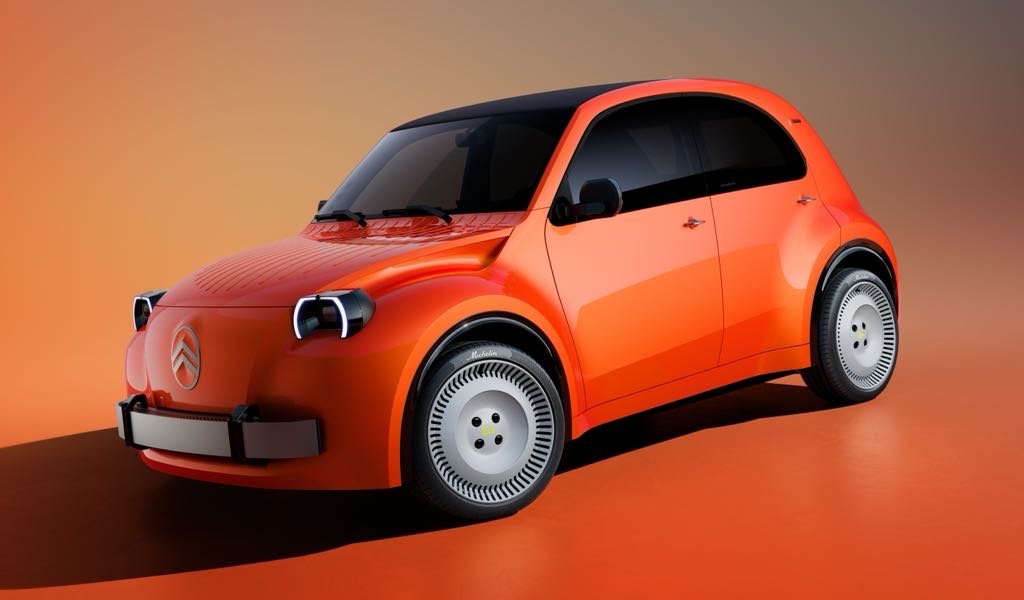
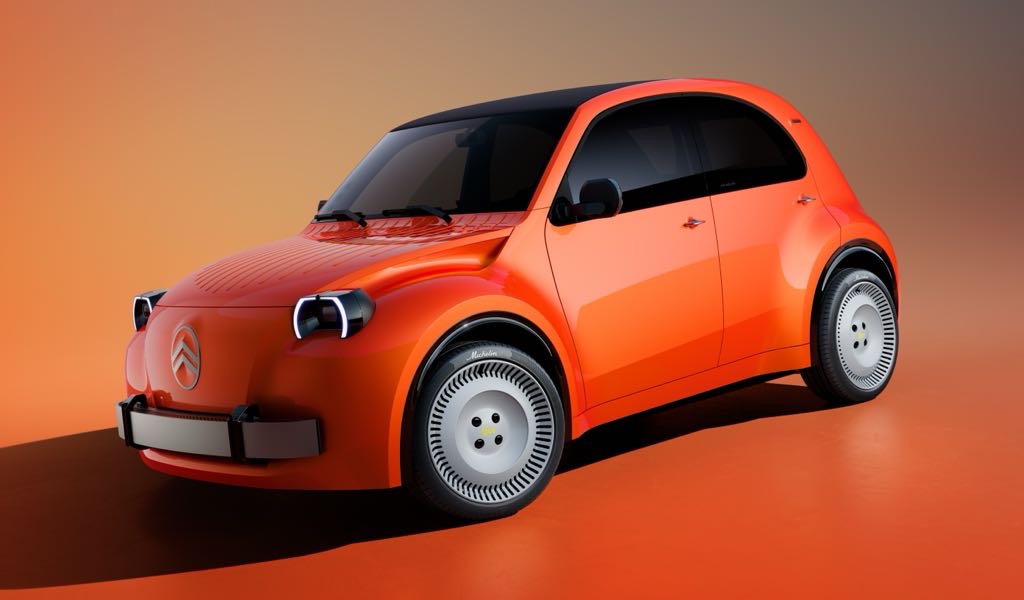
Citroen is reportedly considering India as a manufacturing base for its upcoming 2CV electric hatchback, which is expected to enter production in 2028. The model could be sold in India and exported to Europe. The carmaker has not officially confirmed the production location.
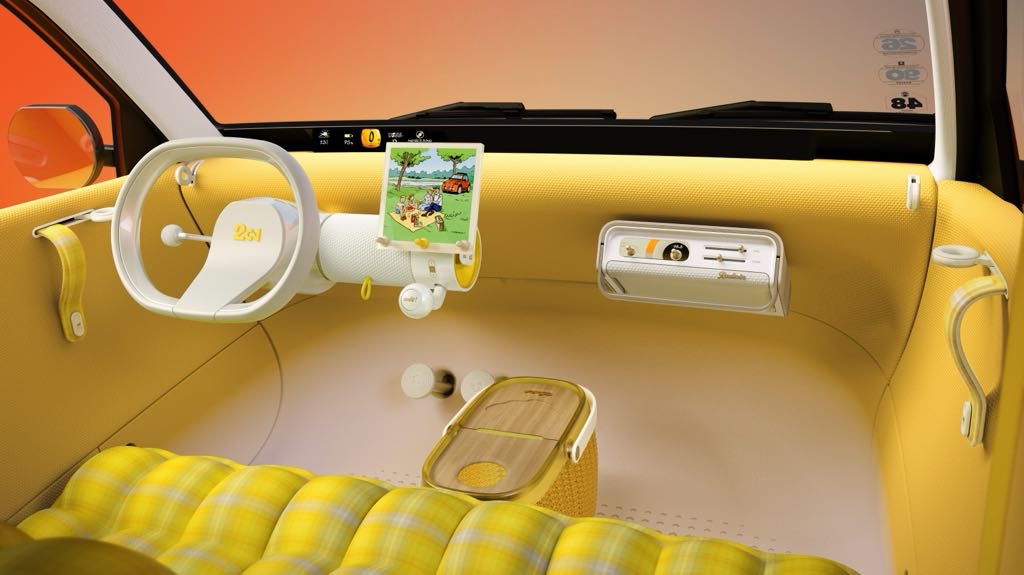
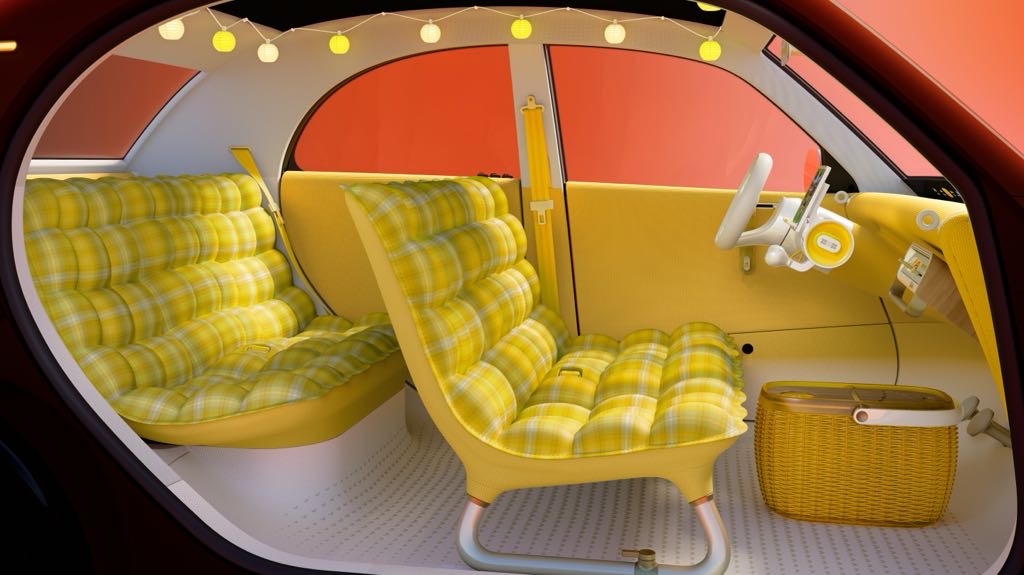
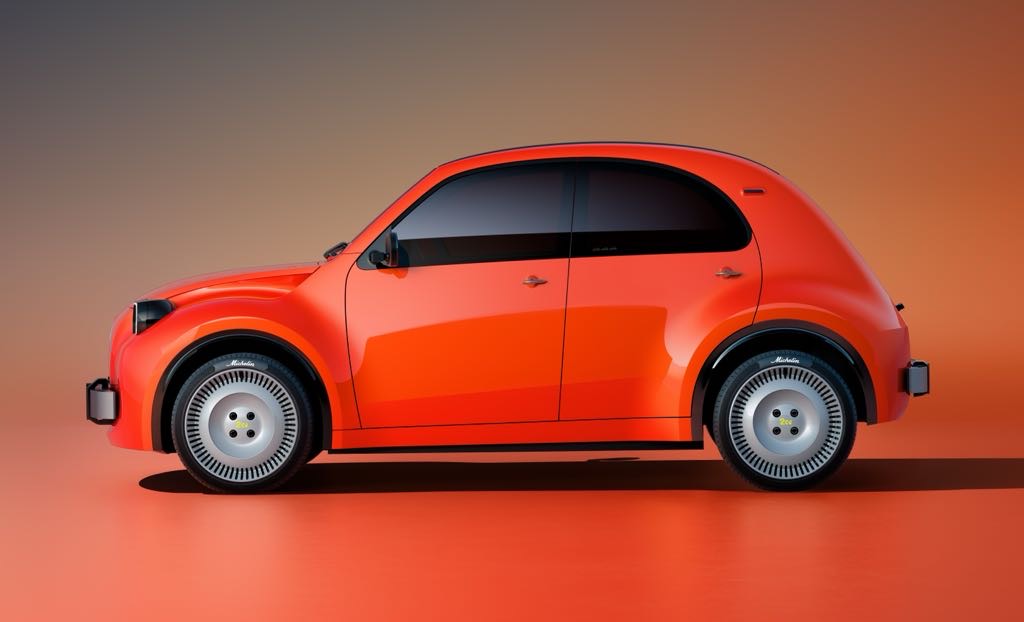
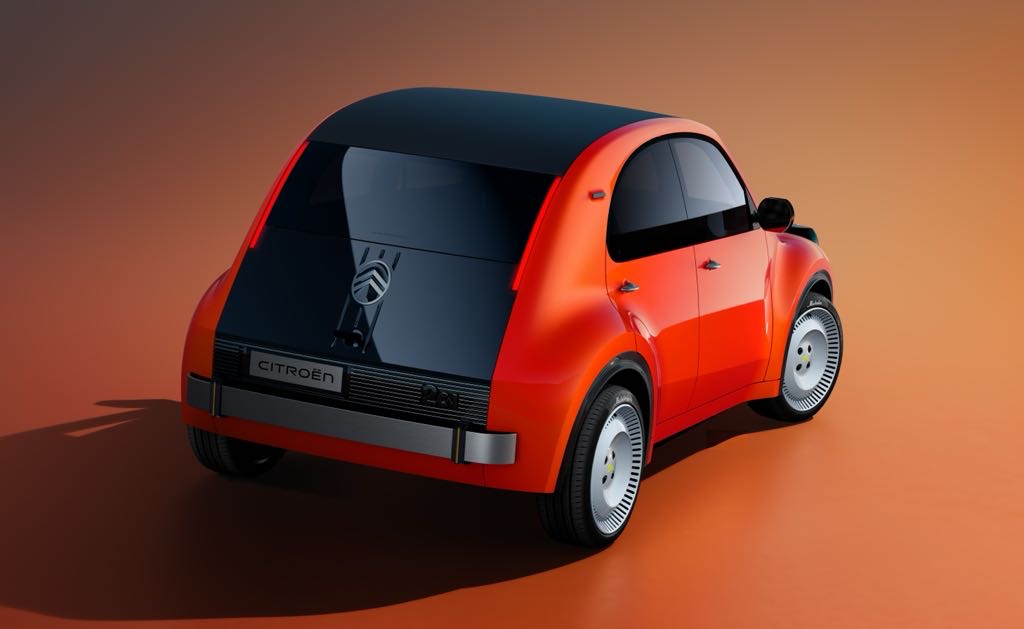
The 2CV concept was showcased at the 2026 Paris Motor Show earlier this month. Measuring 3.76 metres in length, the electric hatchback is expected to target the entry-level European EV segment, with a projected starting price of around €15,000.
The potential India manufacturing programme comes as Citroen prepares to expand its product portfolio in the country. Its parent company, Stellantis, has committed an additional Rs 4,000 crore investment over the next three years to support new product launches and strengthen its operations in India.
Why India Could Become A Production Base
Manufacturing costs are likely to be a key consideration for the 2CV EV. The model is expected to compete in Europe’s affordable electric car segment, where automakers face pressure to keep prices competitive amid growing competition from Chinese manufacturers.
India already serves as an important production and export base for Citroen outside Europe, alongside Brazil. The company’s Thiruvallur facility in Tamil Nadu manufactures the C3, eC3, Aircross and Basalt. Following Stellantis’ acquisition of the remaining stake held by the CK Birla Group, the plant is now fully owned by the automaker.
The facility reportedly achieves localisation levels exceeding 95% across its existing products and exports vehicles to eight markets. Stellantis is also looking to increase annual output from around 16,000 units in 2026 to more than 43,000 units by 2028.
If approved, production of the 2CV EV could contribute to higher utilisation of the existing facility and potentially support additional manufacturing capacity. Exports to Europe could also become more attractive if the India-European Union free trade agreement improves market access and reduces applicable trade barriers, subject to the final terms.
Localisation And Supply Chain Challenges
Despite India’s established automotive manufacturing ecosystem, producing an affordable electric vehicle will require competitive sourcing of key components. Electric motors, battery systems and other EV-specific parts remain important cost considerations, particularly for a vehicle targeting the lower end of the market.
One possibility is sourcing the electric motor from Leapmotor, the Chinese electric vehicle manufacturer in which Stellantis holds a stake. However, the final component sourcing strategy for the production-specification 2CV EV has not been confirmed.
Greater localisation could help reduce manufacturing costs and improve the model’s export competitiveness. The extent to which India can supply EV components at the required cost and scale will be an important factor in determining the feasibility of the project.
Will The Citroen 2CV EV Be Sold In India?
Although India is being considered as a possible production location, the business case for selling the 2CV EV domestically presents separate challenges.
The entry-level car segment has faced declining demand as buyers increasingly gravitate towards larger vehicles with more features. Maruti Suzuki continues to dominate the small-car category with models such as the Alto and S-Presso, while Tata Motors offers the Tiago with petrol and electric powertrain options.
The electric microcar segment has also remained relatively limited. The MG Comet EV, one of the closest alternatives in terms of size and positioning, has recorded modest monthly sales compared with larger electric vehicles.
Pricing could be another obstacle. A European starting price of around €15,000 would translate into a substantial amount in India before accounting for differences in taxes, specifications and local pricing strategies. To compete with established entry-level vehicles, the 2CV EV would likely need extensive localisation and a carefully calibrated price.
Consequently, India could prove more valuable as an export-oriented manufacturing base than as the model’s primary sales market. However, its eventual domestic availability will depend on Citroen’s product and pricing decisions.
New Electric 2CV Revives A Historic Nameplate
The upcoming model draws inspiration from the original Citroen 2CV, which was produced from 1949 to 1990. Designed as an affordable and practical vehicle, the original became known for its simple construction, distinctive styling and suspension designed to cope with uneven roads.
The electric concept retains some recognisable design elements, including rounded headlights, a curved roofline and a fabric-style sunroof, while replacing the original car’s air-cooled engine with an electric powertrain.
The 2CV name also has a historical connection with India. In the late 1980s, Escorts reportedly explored an arrangement to manufacture the original model in India, but the proposal did not receive the necessary government approval.
The new electric interpretation could therefore represent another opportunity to establish the 2CV name in the Indian market, although its manufacturing location and domestic sales plans remain undecided.
Citroen’s India Expansion Plans
Beyond the potential 2CV EV programme, Citroen is preparing to expand its Indian lineup by 2030. Planned additions include a C-segment SUV and a D-segment MPV, complementing its existing range of the C3, eC3, Aircross, Basalt and C5 Aircross.
The company is also expected to play a role in Stellantis’ plans to expand CNG offerings in India. For now, the eC3 remains its established electric offering in the market, while the company has not confirmed whether an electric version of the Aircross will be introduced.
Citroen is also working on improving its retail presence, local marketing and customer experience through more accessible showroom and service formats.
For the 2CV EV, the next major milestones will be confirmation of its production location, final technical specifications and launch plans. Until then, India’s role in the project remains under evaluation rather than a confirmed manufacturing commitment.