Toyota Plans To Explore Hybrid Technology For Smaller Cars
Toyota Kirloskar Motor is exploring the possibility of introducing hybrid technology in smaller car segments in India, although any product plans will depend on customer demand and market feedback. The company has not announced a launch timeline but believes its experience with hybrid vehicles could help expand the technology to a wider customer base.
Kie Takemiya, Vice President of Toyota Kirloskar Motor, expressed interest in extending hybrid powertrains to more affordable segments, noting that the company has already sold hybrid vehicles to three lakh customers in India.
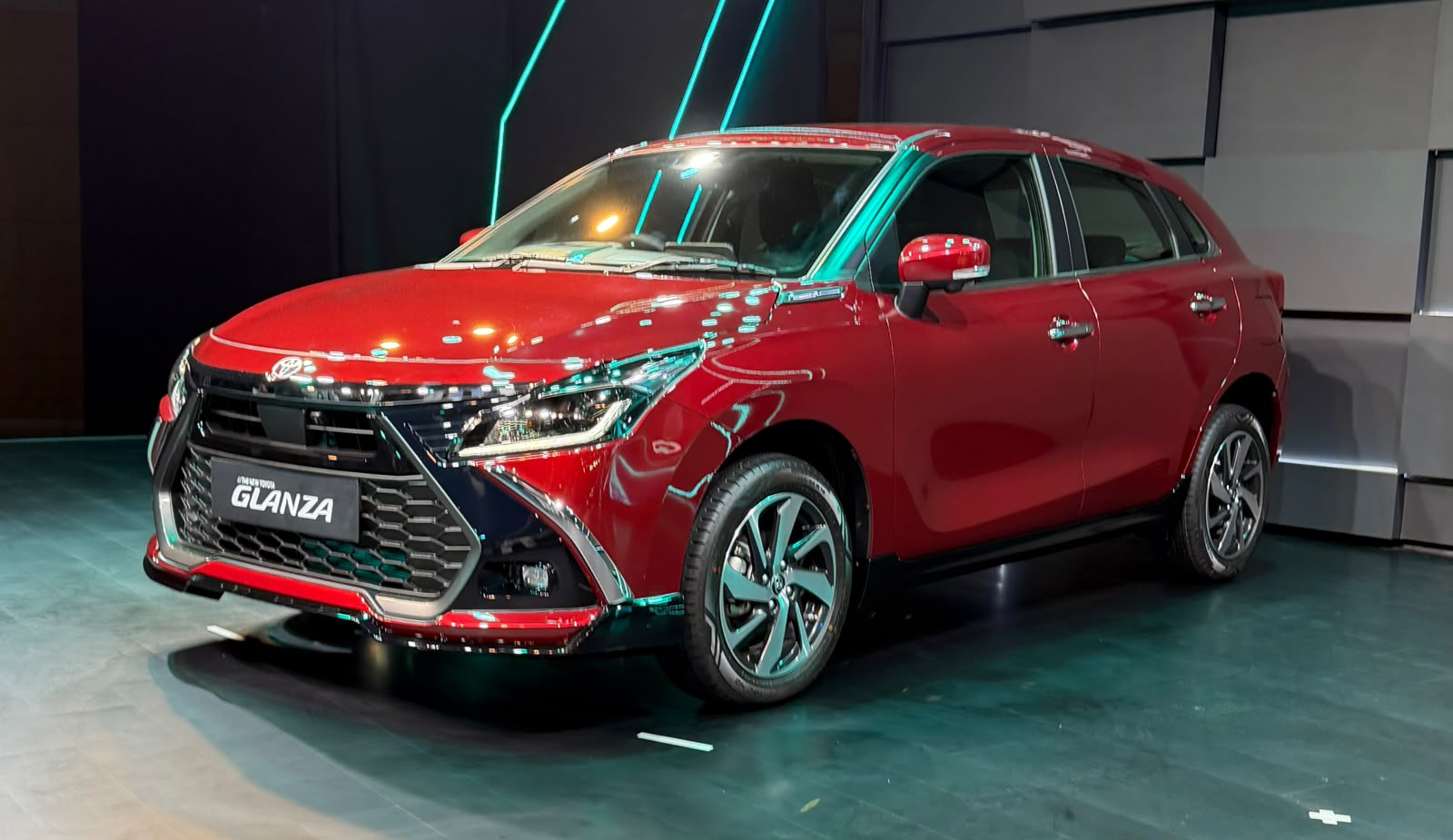
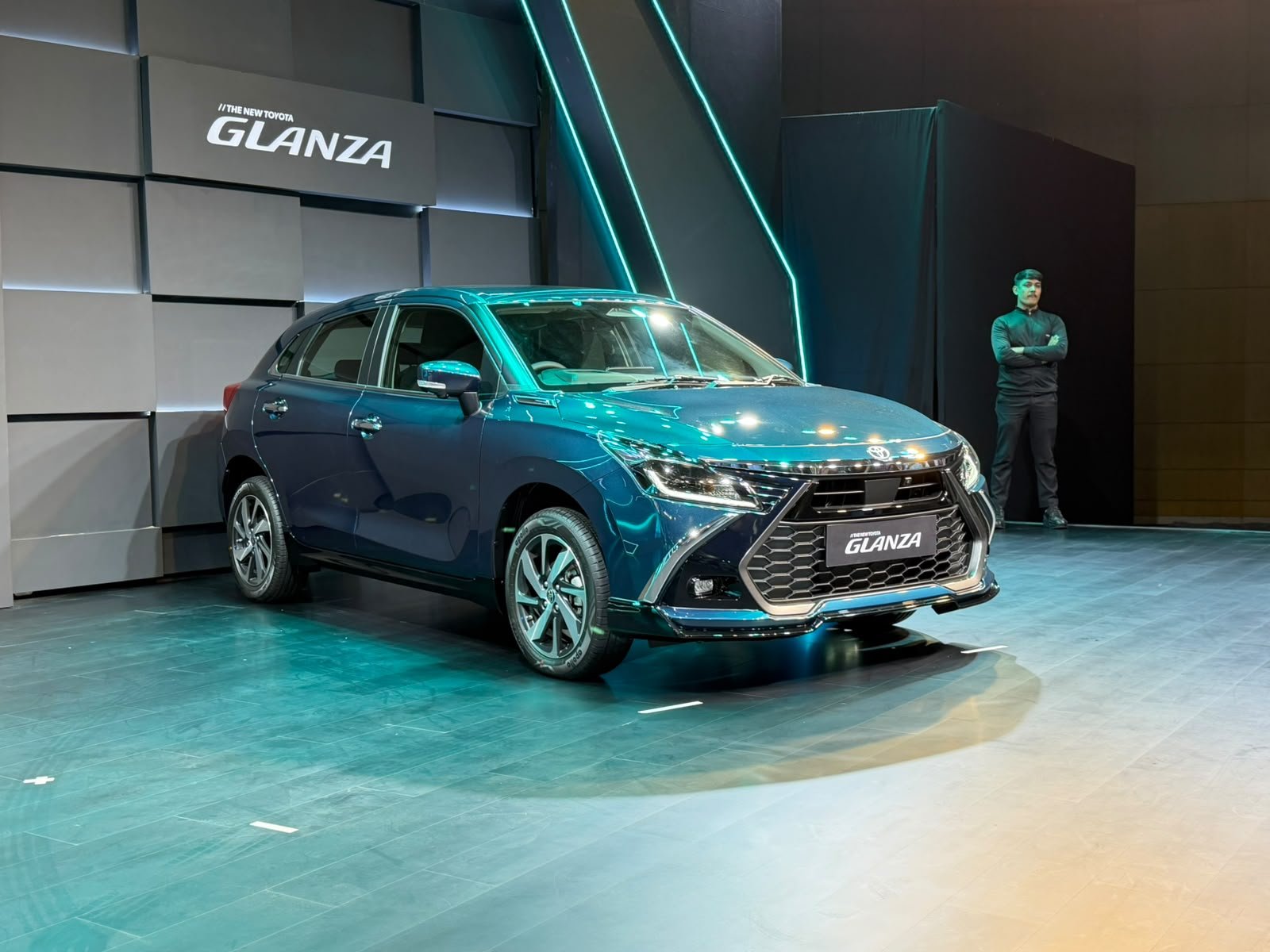
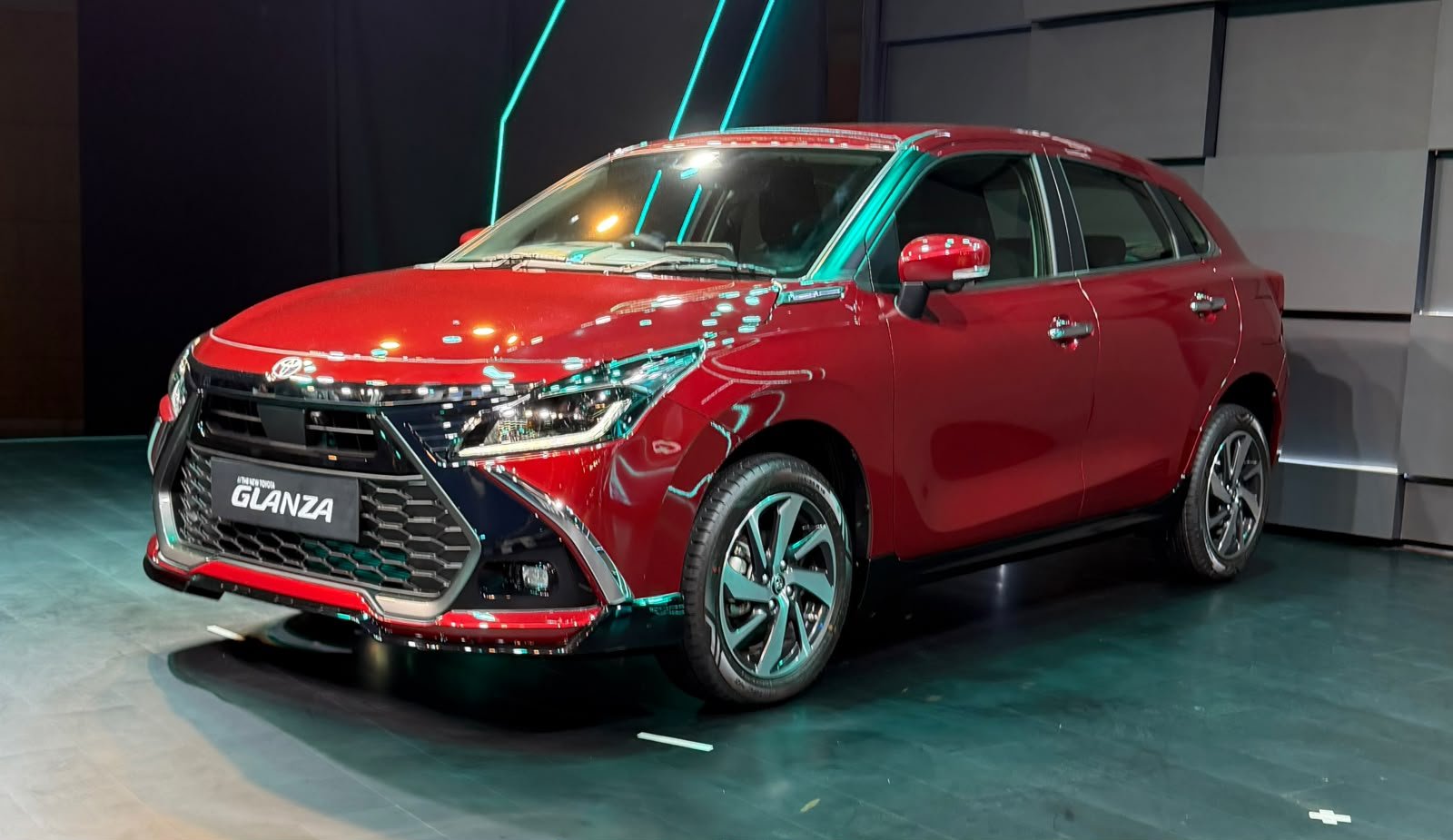
Toyota’s current entry-level offering, the Glanza, is powered by a 1.2-litre three-cylinder engine available with petrol and CNG options. Introducing hybrid technology in this segment could broaden the company’s electrified portfolio, although pricing, cost considerations and consumer preferences are likely to influence such a decision.
India Gains Importance In Toyota’s Global Strategy
Toyota sees India as an important market for its future growth and intends to strengthen the country’s role in its global operations. Takemiya said the company wants India’s automotive industry to develop further and contribute more significantly to markets across the global South.
The company’s manufacturing expansion reflects this focus. Toyota Kirloskar Motor currently operates two plants in Bidadi, Karnataka, with a combined annual production capacity of up to 3.42 lakh vehicles.
An upcoming manufacturing facility in Maharashtra is expected to add another one lakh units to annual capacity. According to Sabari Manohar, Executive Vice President – Sales, Service and Used Car Business at Toyota Kirloskar Motor, these investments underline the company’s long-term commitment to the Indian market.
The additional capacity could support Toyota’s expansion plans, although future production volumes will depend on demand and the company’s product strategy.
Toyota To Continue With Multiple Powertrain Options
Toyota plans to follow a multi-pathway approach to electrification in India rather than relying exclusively on battery-electric vehicles. The strategy includes petrol, diesel, CNG, hybrid and electric powertrains to cater to different budgets, driving requirements and levels of infrastructure availability.
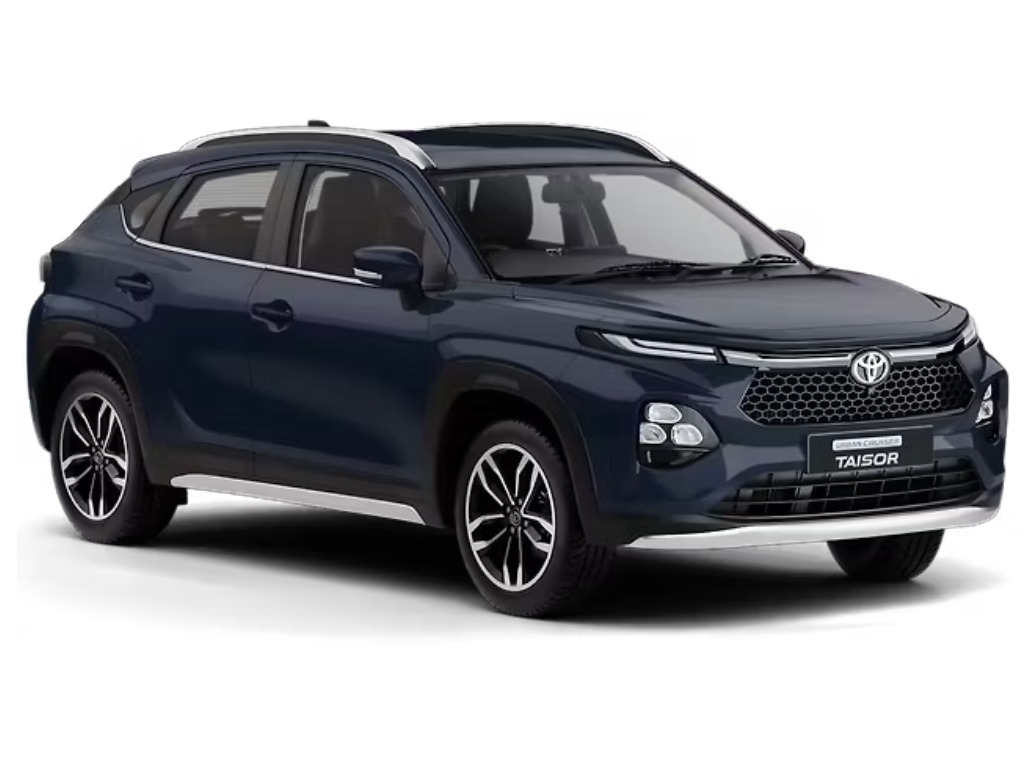
The company’s current hybrid portfolio in India includes the Urban Cruiser Hyryder, Innova HyCross, Camry Hybrid and Vellfire. Toyota has also entered the mainstream electric passenger vehicle market with the Urban Cruiser Ebella.
This strategy reflects the differences in vehicle usage, fuel availability and charging infrastructure across Indian markets. While electric vehicles are gaining traction, hybrids offer an alternative for customers seeking electrification without relying entirely on external charging.
However, the wider adoption of each technology will depend on factors such as vehicle pricing, running costs, infrastructure development and customer preferences.
Toyota Highlights ADAS And Vehicle Safety
Advanced Driver Assistance Systems (ADAS) are another area Toyota considers important for the Indian market. Takemiya highlighted the challenges posed by congested traffic and said the company wants to make these technologies accessible to more customers.
Toyota has also emphasised safety technology in connection with the updated Glanza. Depending on the system and vehicle configuration, ADAS features can assist drivers with functions such as collision warnings, emergency braking and lane monitoring.
Manohar noted that Indian buyers are becoming more willing to consider higher variants offering additional safety equipment. This suggests that safety features are playing a growing role in purchase decisions, although affordability remains an important consideration in price-sensitive segments.
Toyota’s plans for smaller hybrid cars remain at the exploratory stage. For now, the company’s priorities include expanding its Indian manufacturing footprint, offering multiple powertrain choices and improving access to safety technology. Whether hybrid systems reach its smaller cars will depend on how these priorities align with market demand.