One Station Is 30 Metres Underground, Another Is Inspired By Diamonds
Bullet Train Progress Update: Construction of the Mumbai-Ahmedabad Bullet Train corridor is progressing at different stages across Maharashtra and Gujarat, with work advancing on some of the project’s most technically challenging stations.
In Mumbai, construction is continuing at the Bandra Kurla Complex (BKC) station, which will serve as the southern starting point of the corridor. Unlike most other stations along the route, the terminal is being constructed nearly 30 metres underground, making it one of the most technically demanding sections of the project. Excavation and foundation work at the BKC site are now nearing completion, marking an important stage in the development of the underground terminal.
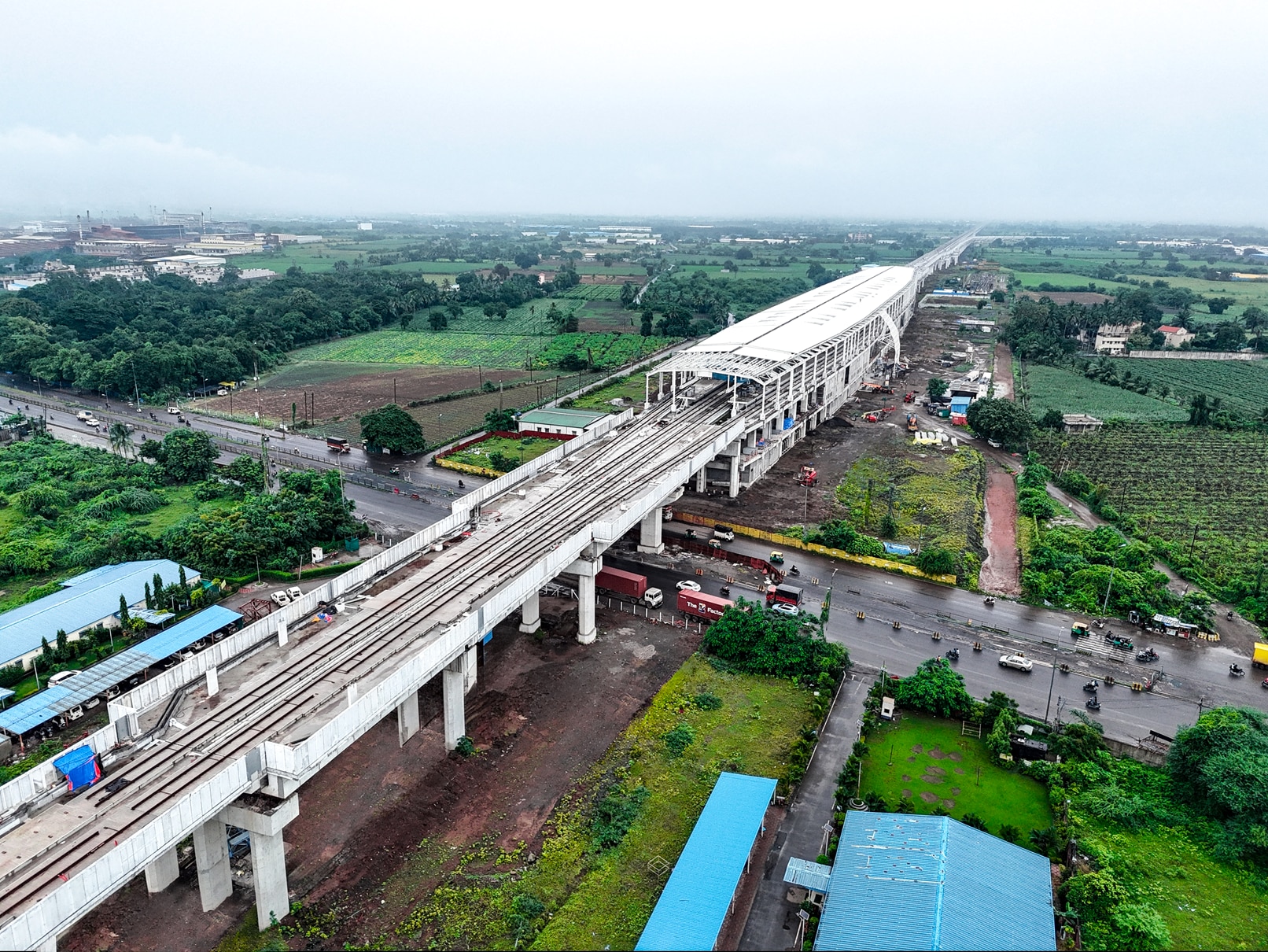
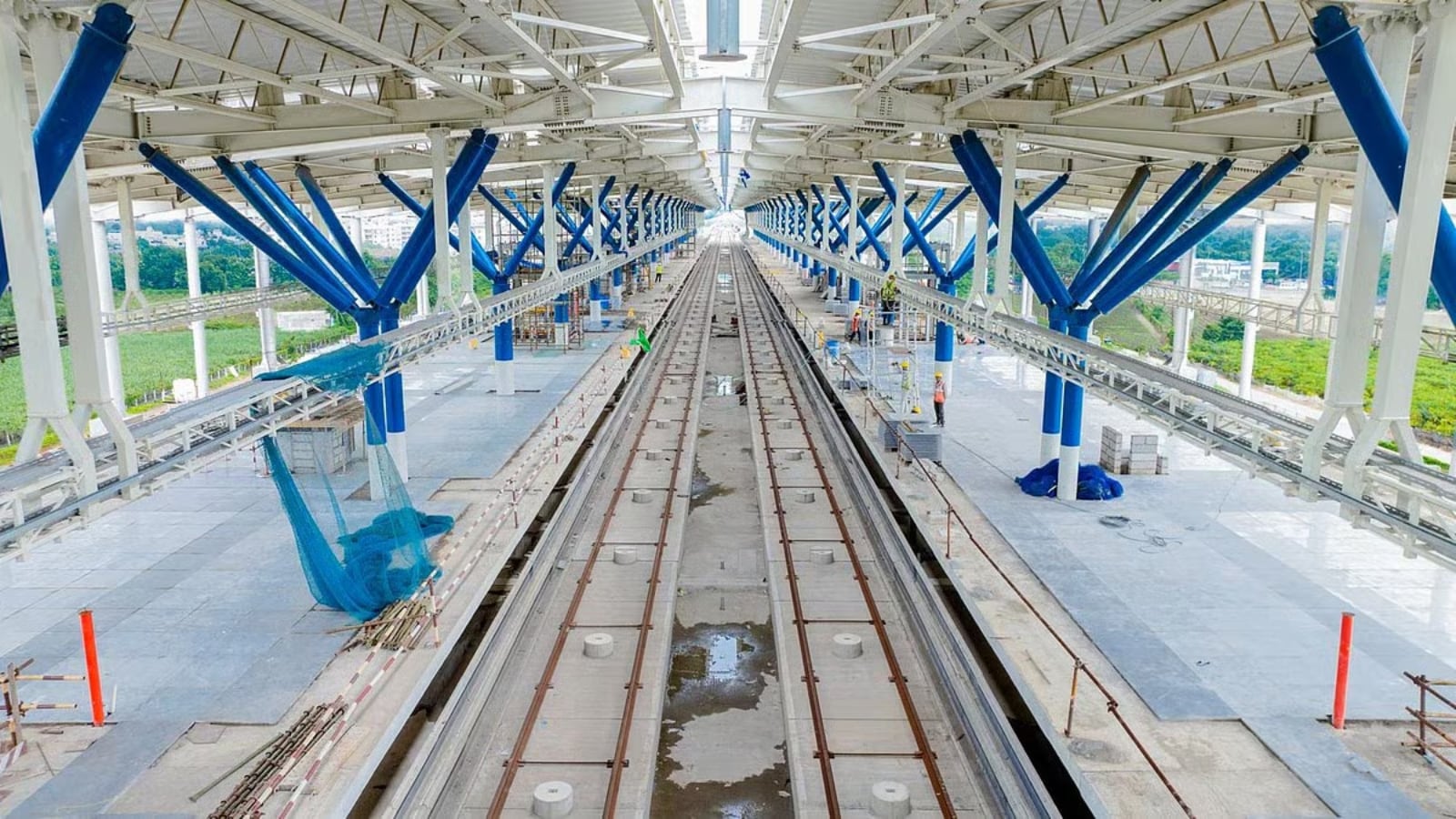
In Gujarat, construction of the Surat station has progressed further. Its structural framework and roofing have been completed, with work now moving to interior finishing, including flooring, cladding and ceiling installation. The station’s design draws inspiration from Surat’s renowned diamond-cutting industry, reflecting the city’s strong commercial identity through its architecture.
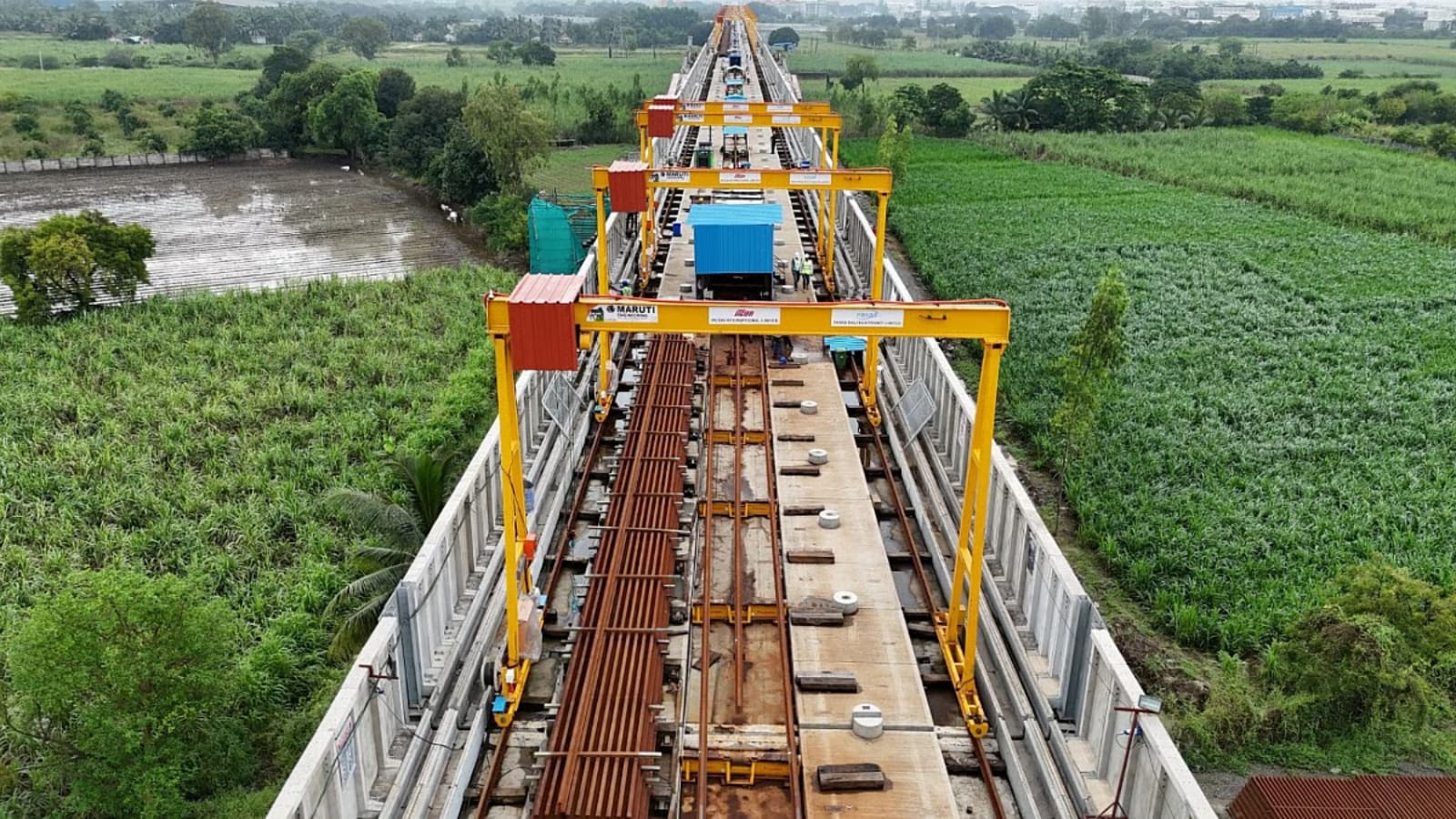
Bullet Train Route: The Mumbai-Ahmedabad High-Speed Rail (MAHSR) Corridor is India’s first high-speed rail project. The 508-km dedicated corridor will connect Mumbai and Ahmedabad through Maharashtra, Gujarat and the Union Territory of Dadra & Nagar Haveli. The route will pass through several major business and industrial centres and will have 12 stations: Mumbai (BKC), Thane, Virar, Boisar, Vapi, Bilimora, Surat, Bharuch, Vadodara, Anand, Ahmedabad and Sabarmati.
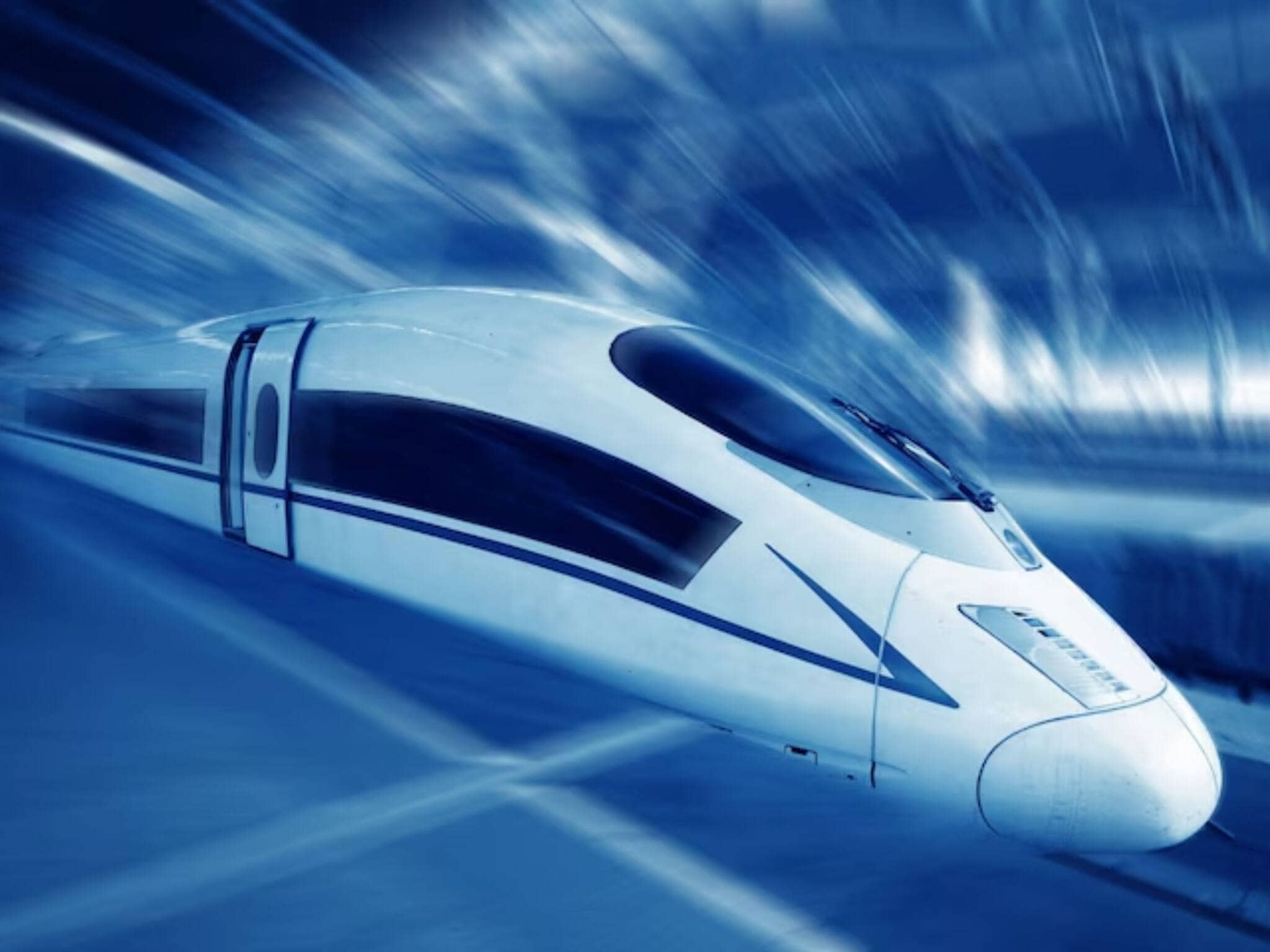
Once operational, trains are expected to run at a maximum speed of 320 kmph and cover the 508-km journey in approximately two hours. Officials have indicated that services could be introduced in phases, with some sections becoming operational before the entire corridor is completed.
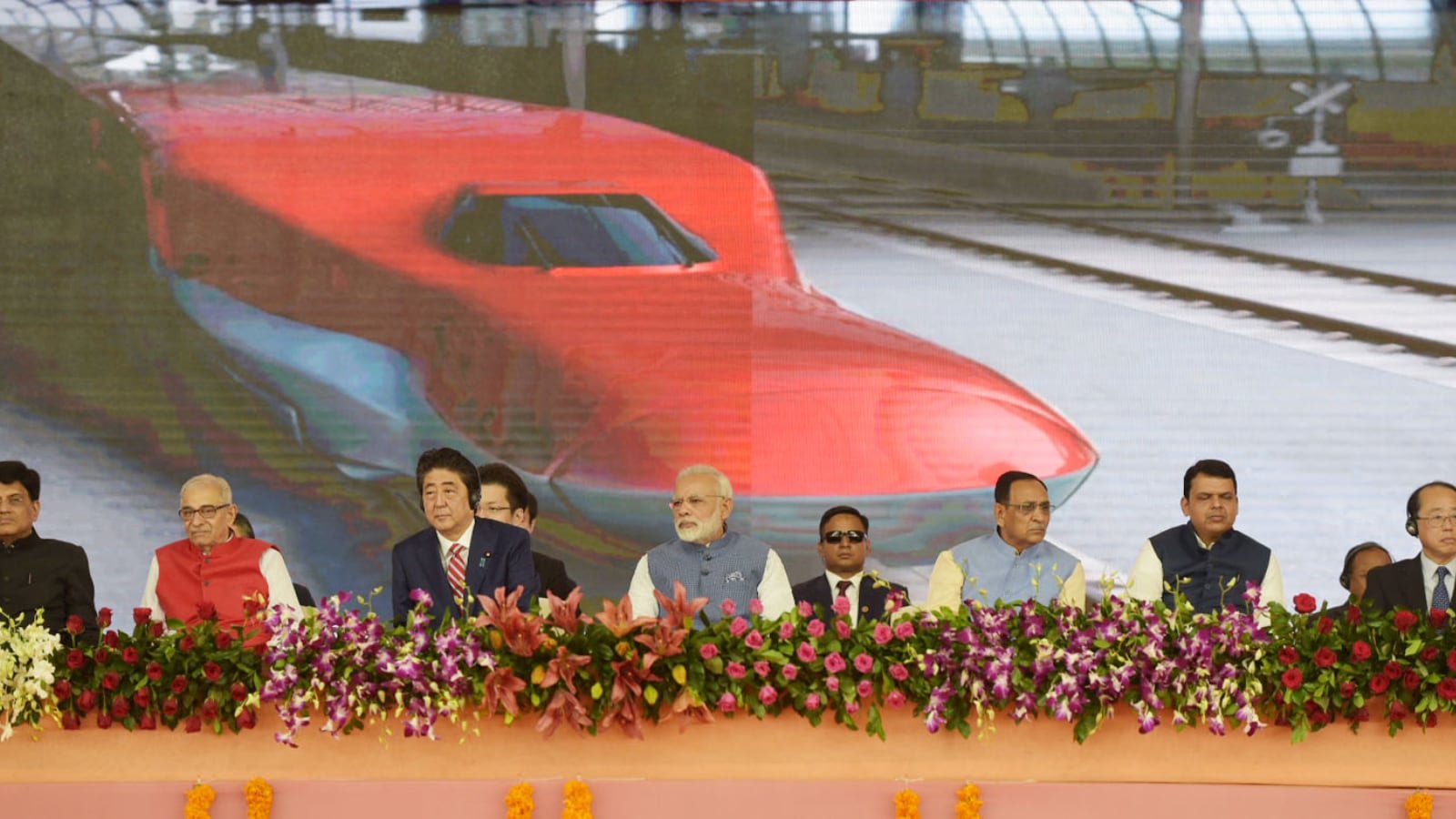
The foundation stone for the MAHSR Corridor was laid in September 2017, marking the beginning of India’s high-speed rail journey. The project is intended to significantly reduce travel time while improving passenger comfort, safety and reliability, while also supporting the modernisation of India’s rail infrastructure and sustainable economic development.
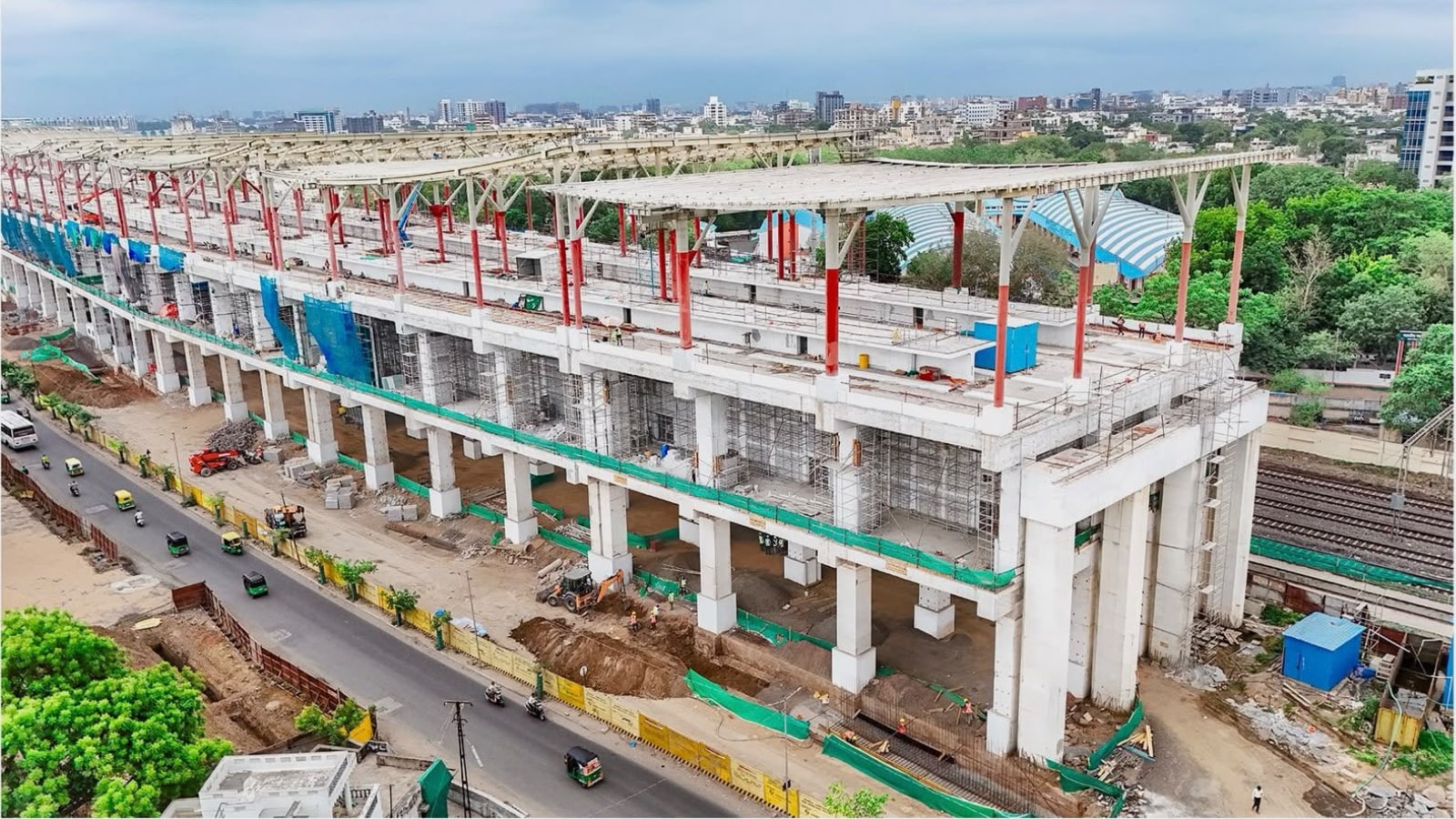
According to the government, each station has been designed to reflect the character and spirit of its host city. Contemporary architecture, modern passenger amenities and multimodal connectivity form key elements of the station designs. Sabarmati station is being developed as a multimodal transport hub, bringing together the bullet train, metro, Bus Rapid Transit System (BRTS) and conventional railway networks. The surrounding area is also being planned according to transit-oriented development principles.
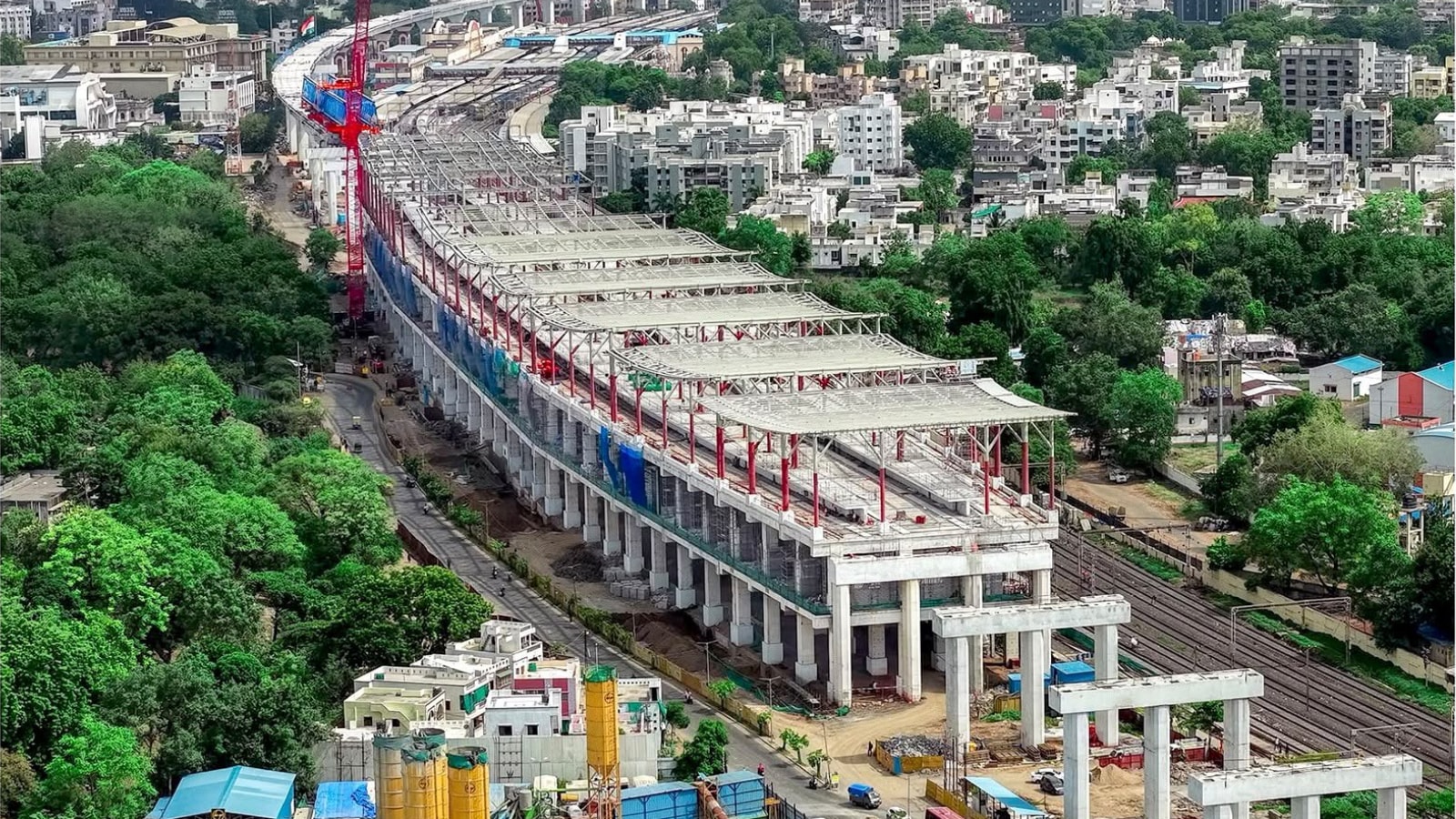
With construction progressing at different speeds across Maharashtra and Gujarat, the coming months will be significant in determining how closely the project follows its proposed timeline. Authorities are continuing to monitor construction activity at both ends of the high-speed rail corridor.
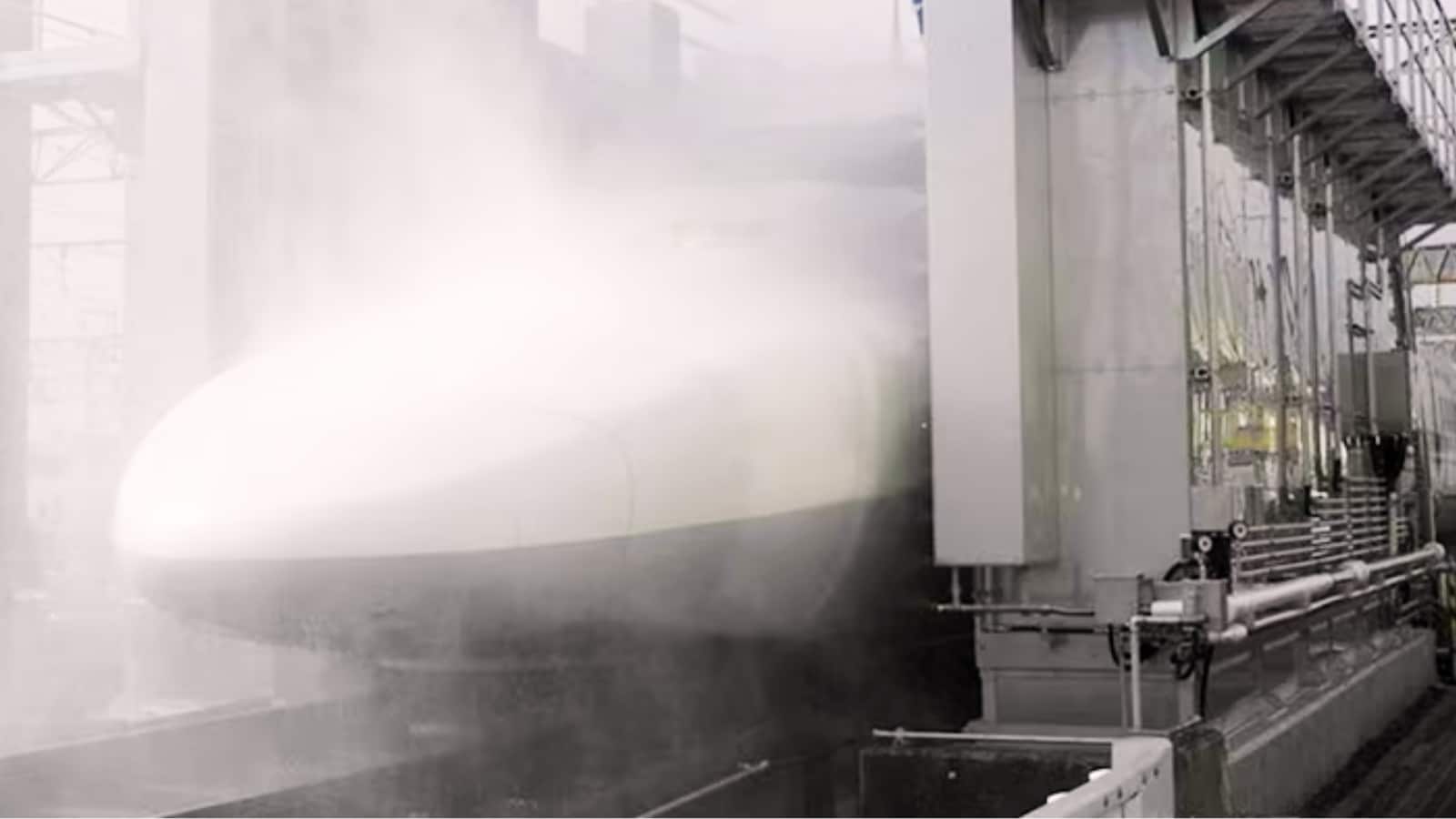
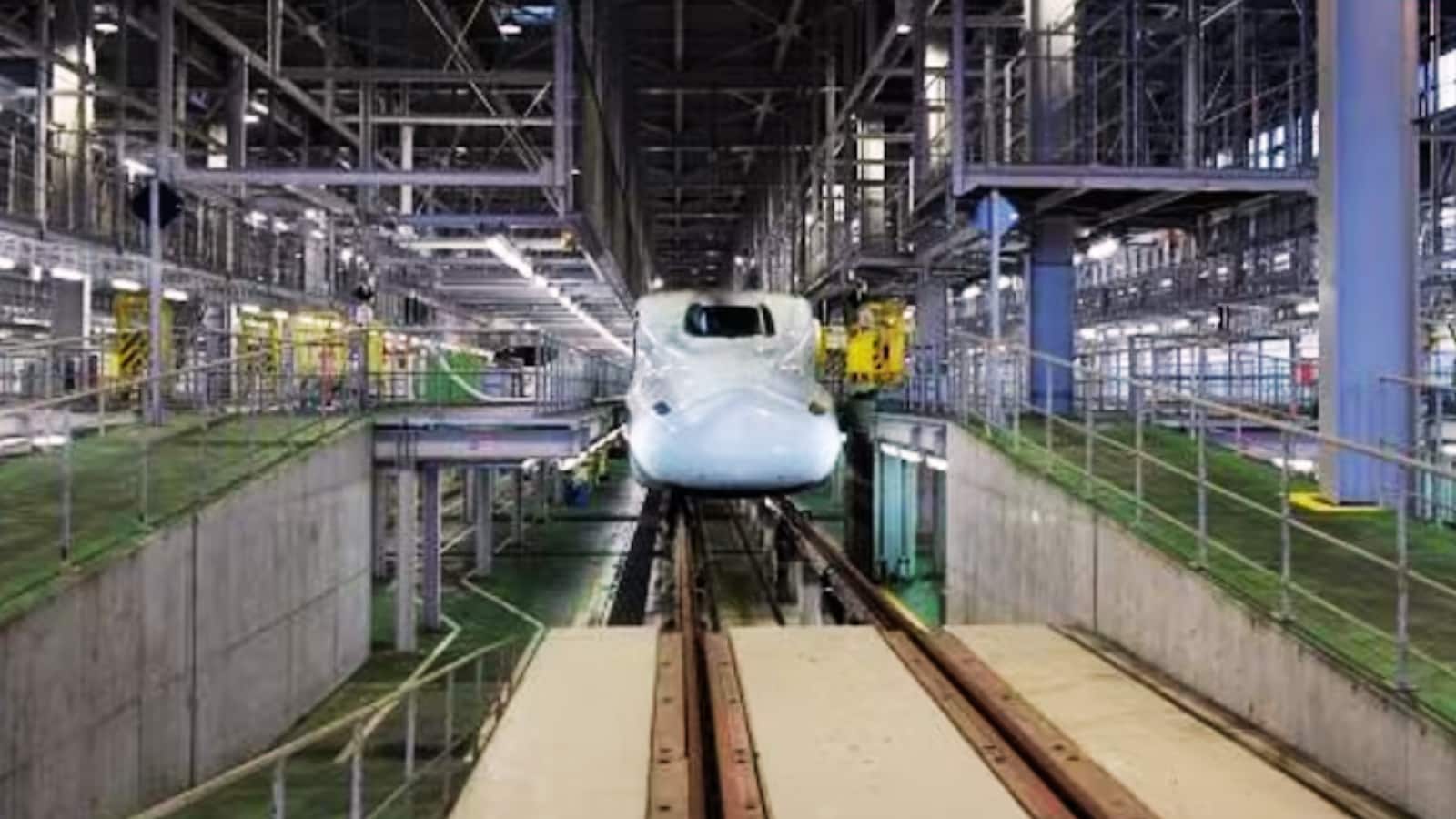
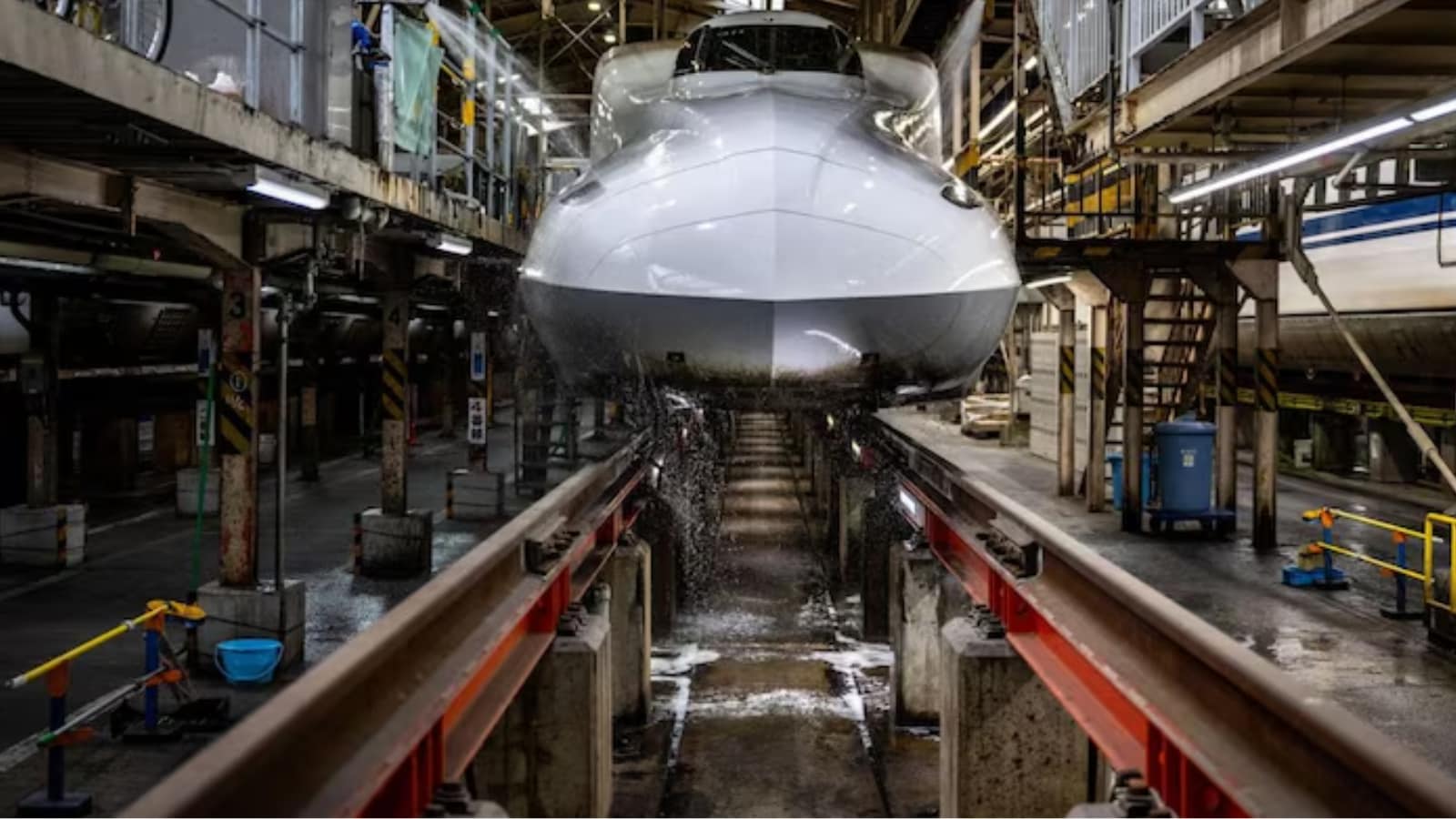
First High-Speed Rail Service Expected In August 2027: The first high-speed rail service on the Mumbai-Ahmedabad corridor is expected to commence in August 2027. As the country prepares for its first bullet train service, extensive arrangements are also being made to ensure the trains can be regularly inspected, maintained and repaired. Three ultra-modern rolling stock depots are planned at Thane in Maharashtra and Surat and Sabarmati in Gujarat. These depots will undertake regular inspections, repairs, major maintenance and emergency repairs, helping keep the bullet train sets available for continuous service on the 508-km Mumbai-Ahmedabad route.
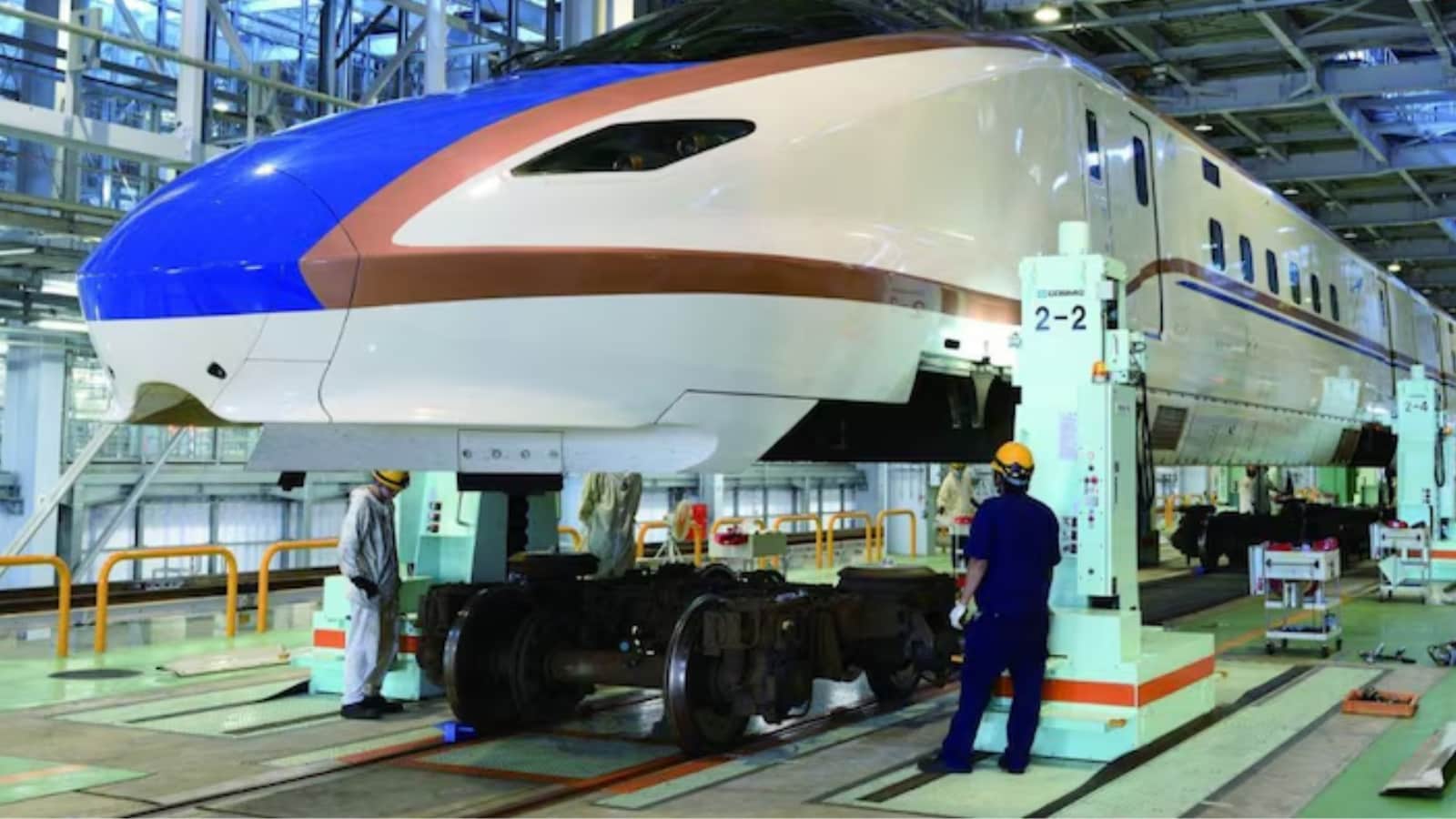
Mumbai is the southern terminus of the corridor, making the planned Thane depot particularly important to the project. The depot will be equipped with state-of-the-art machinery, with some of the technologies expected to be introduced in India for the first time. It will support the maintenance requirements of the high-speed train sets and help ensure their readiness for service. The Sabarmati rolling stock depot in Gujarat will also handle both minor and major repairs. Its facilities will include emergency repair areas, wheel re-profiling equipment, coach body repair facilities and bogie workshops. Special tracks and inspection roads will be provided for regular examinations, while train-washing plants will support routine cleaning and maintenance.
Environmental considerations have also been incorporated into the design of the maintenance facilities. Wastewater treatment systems and other processes will be established within the depots, alongside waste management and groundwater recharge systems. The facilities will also focus on reusing as much water as possible for train washing, helping to reduce overall water consumption.
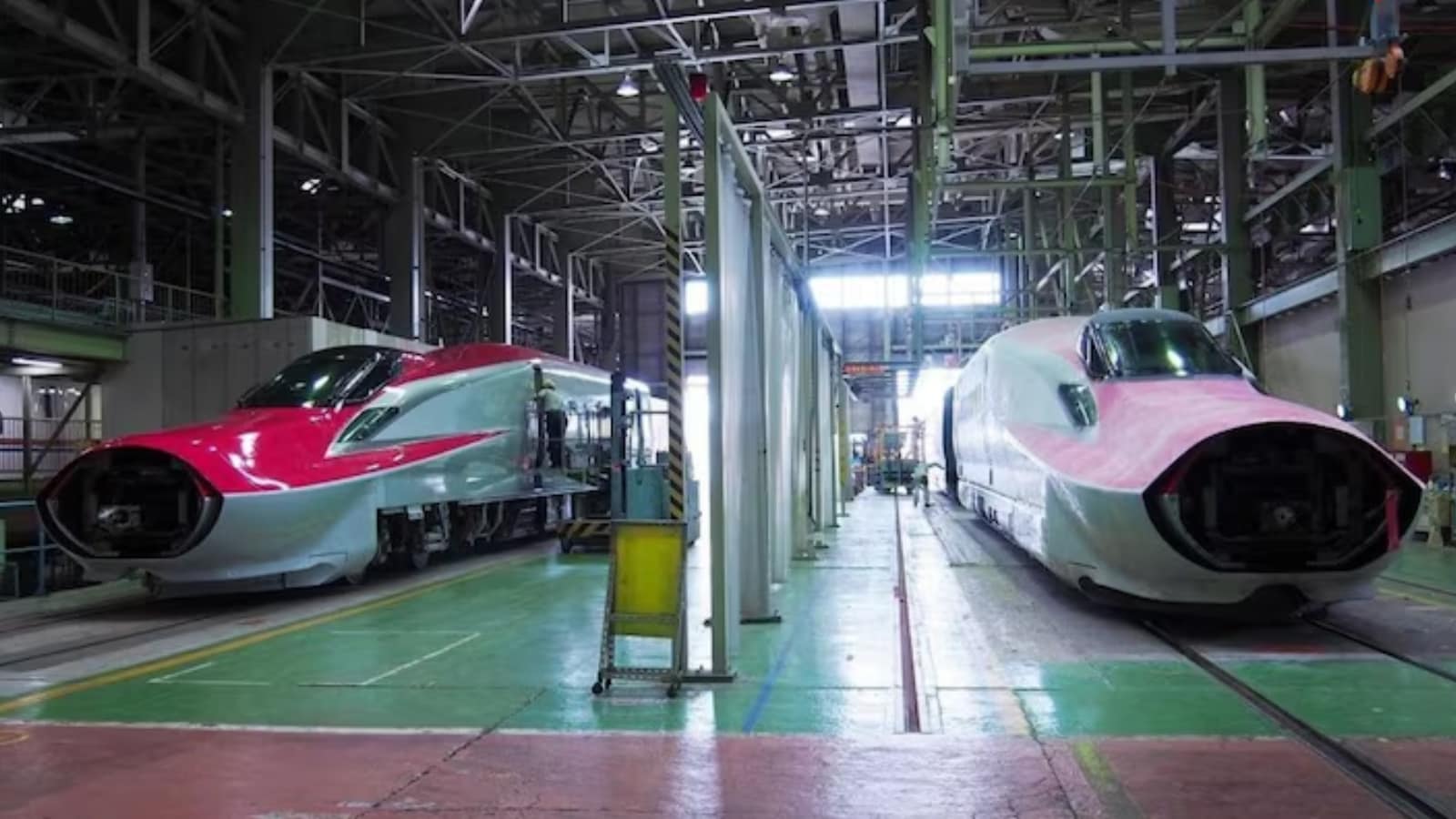
The maintenance programme will additionally involve specialised training for Indian employees. Some personnel have already received direct training in Japan, including instruction in various aspects of operating and maintaining Japan’s Shinkansen high-speed railway system. As construction continues across the 508-km corridor, the development of stations, maintenance infrastructure and supporting facilities will remain crucial to bringing India’s first high-speed rail service into operation.