Navi Mumbai Airport Crosses 3 Million Passengers. But What Works — And What Still Needs Fixing?


Navi Mumbai International Airport (NMIA) has crossed a major milestone, handling more than 3 million passengers since beginning commercial operations on December 25, 2025. In less than nine months, the airport has expanded from 13 destinations at launch to 46 and handled around 22,500 commercial flights, signalling that Mumbai’s long-awaited second airport is quickly finding its place in India’s aviation network.
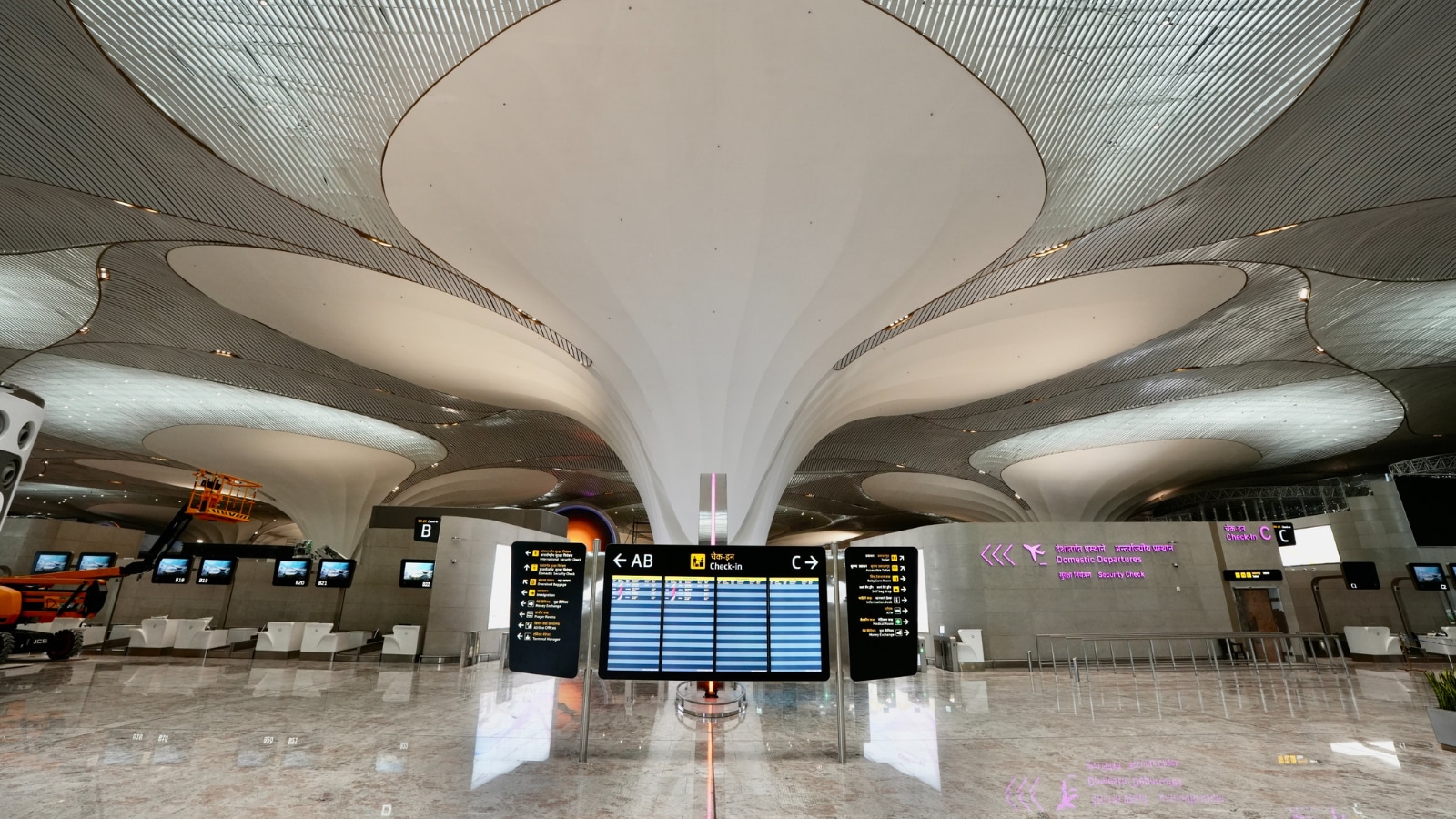
But passenger numbers are only one measure of whether a new airport is working. NMIA has received considerable attention for its architecture, technology and passenger experience, from its striking interiors and digital art installations to its much-discussed ‘dancing curtains’. At the same time, travellers are still navigating the limitations of a relatively new airport, including its developing connectivity, limited operational infrastructure and the time needed for the wider transport network around it to catch up. So, nearly nine months after opening, what works at Navi Mumbai International Airport – and what still needs work? (X/@Dev_Fadnavis)
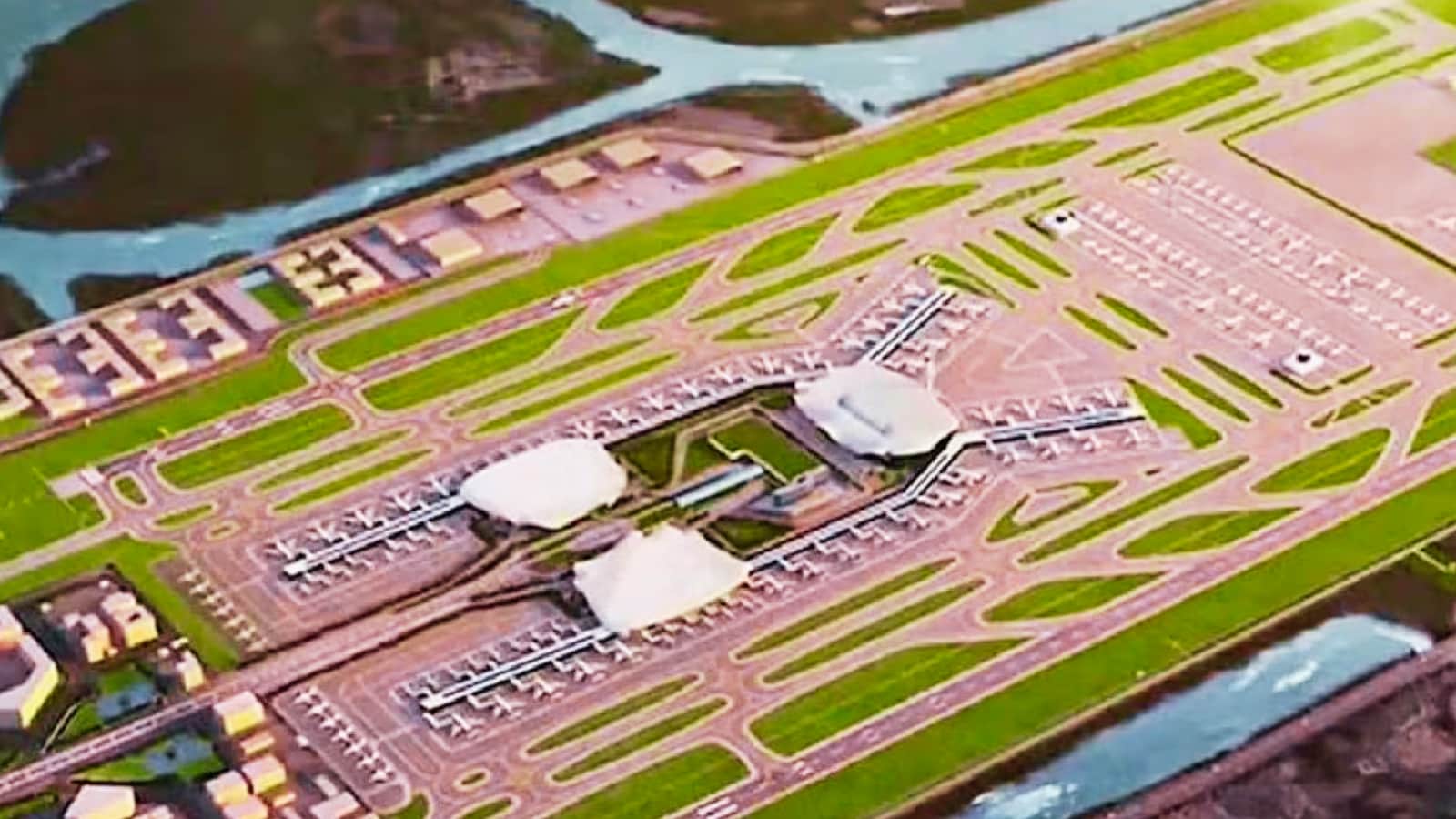
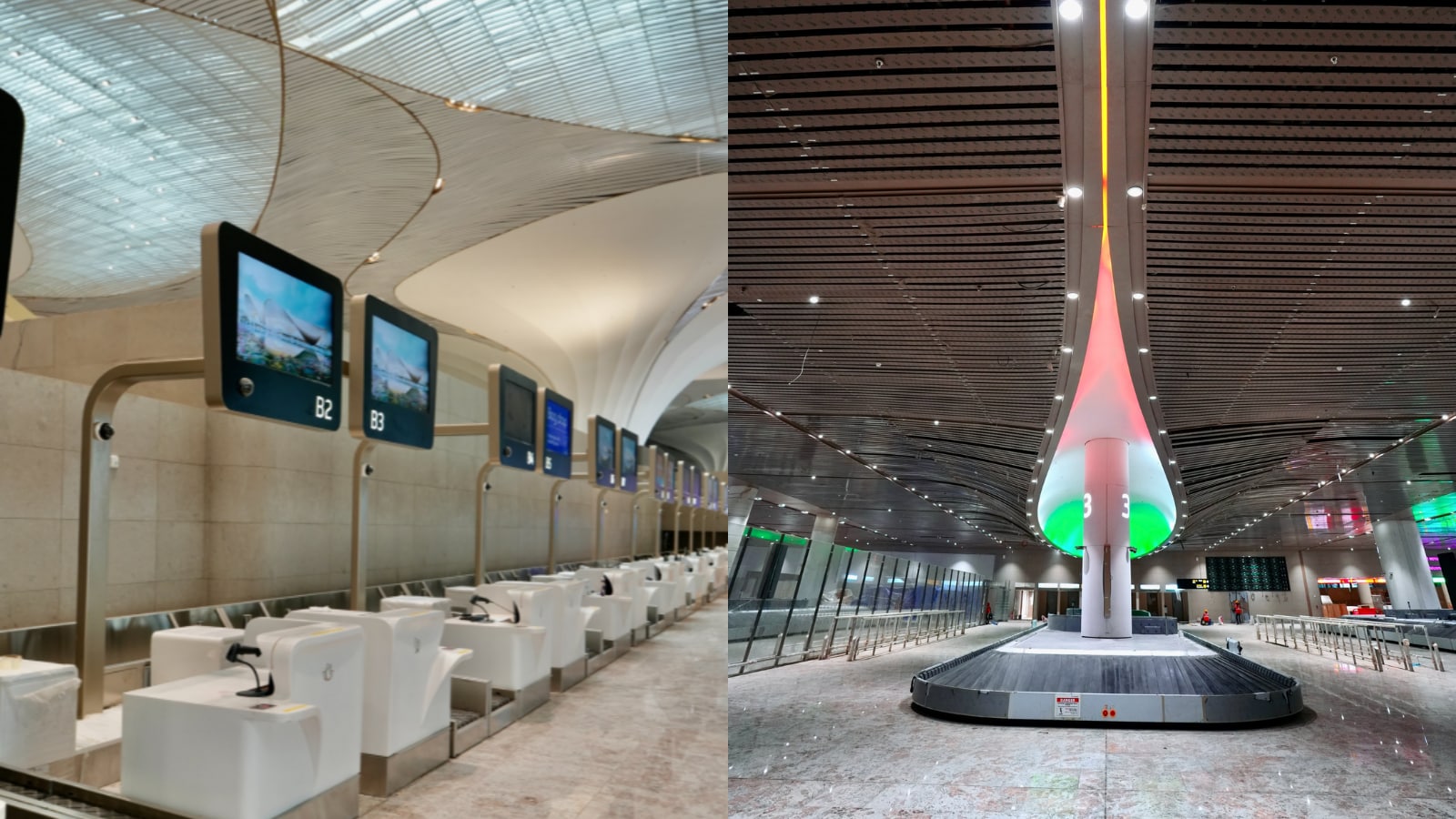
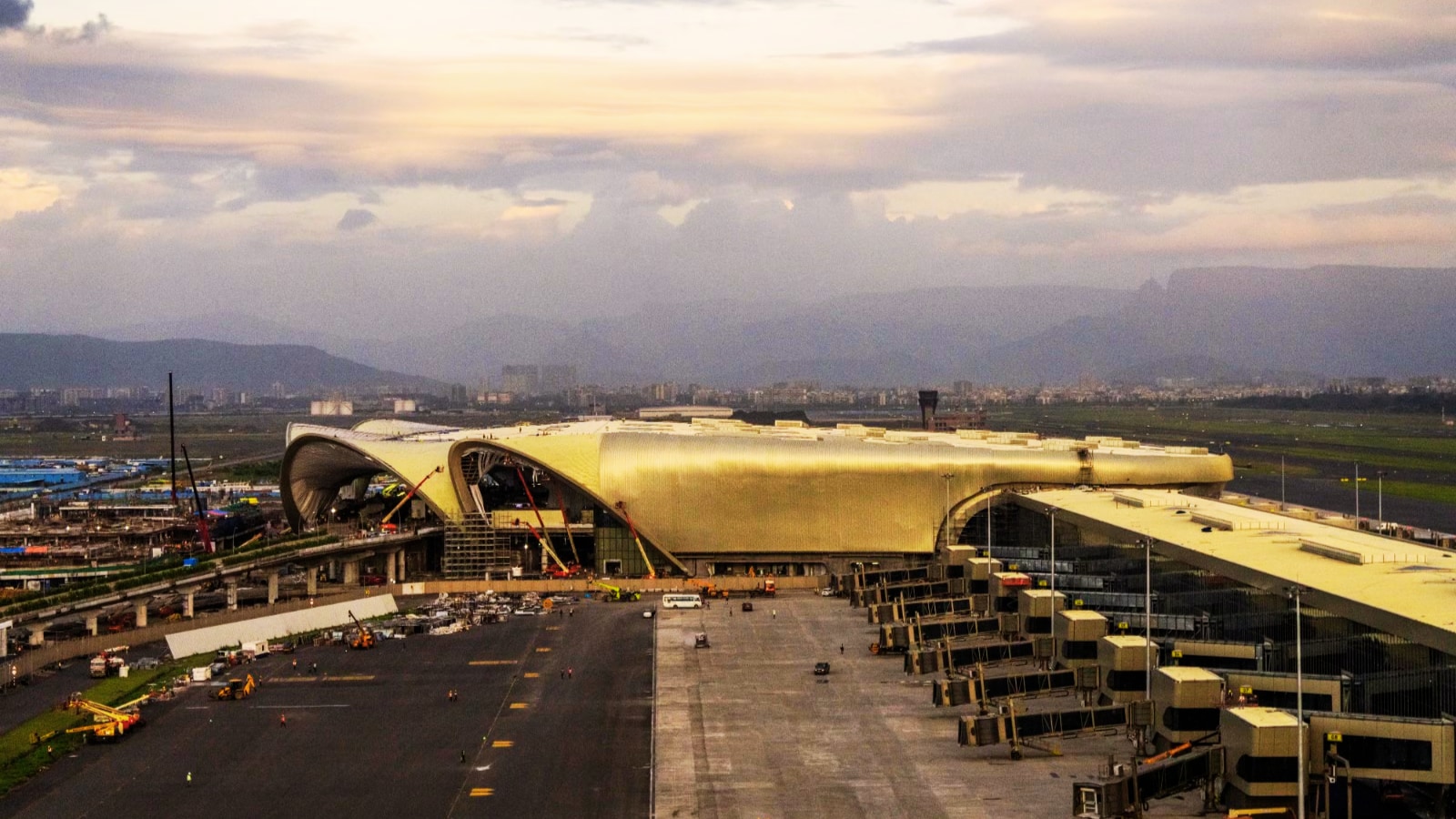
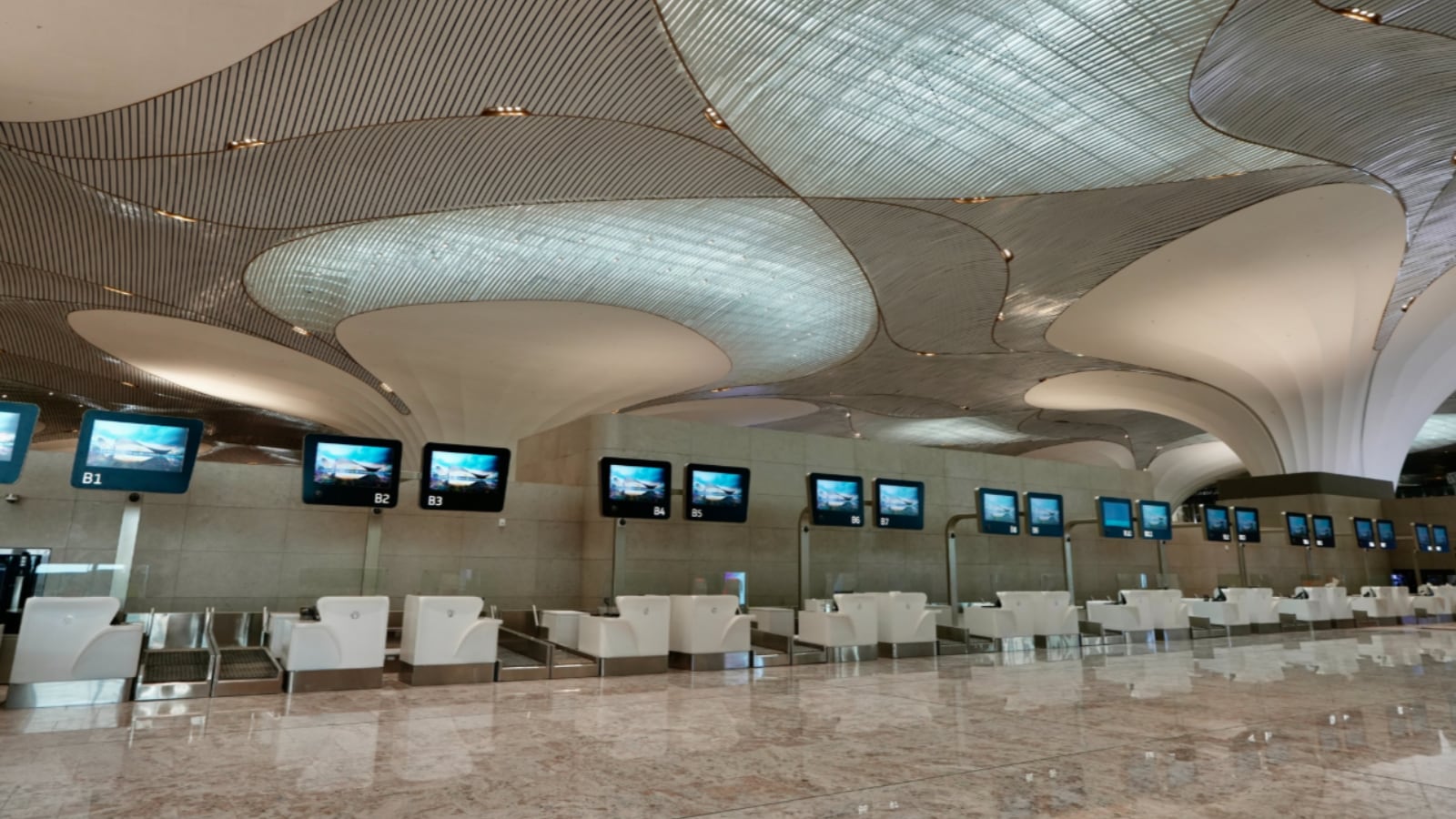
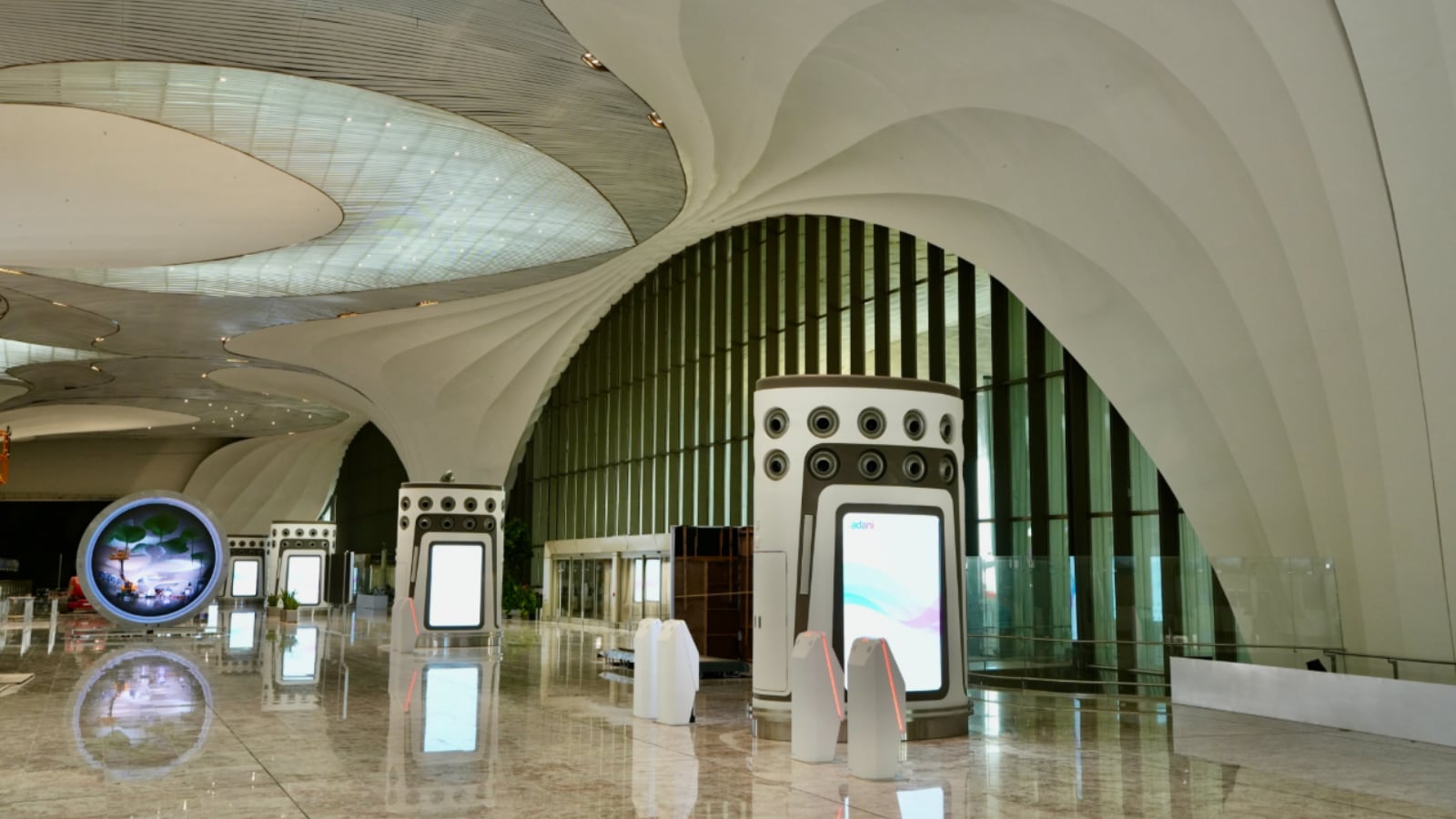
The first thing that stands out at NMIA is difficult to miss – its design. Spread across a massive 1,160 hectares, the airport was designed by Zaha Hadid Architects, with the terminal drawing inspiration from the lotus, India’s national flower. Its expansive glass façades, lattice-inspired elements and large, naturally lit interiors give the airport a distinctly different appearance from Mumbai’s existing airport.
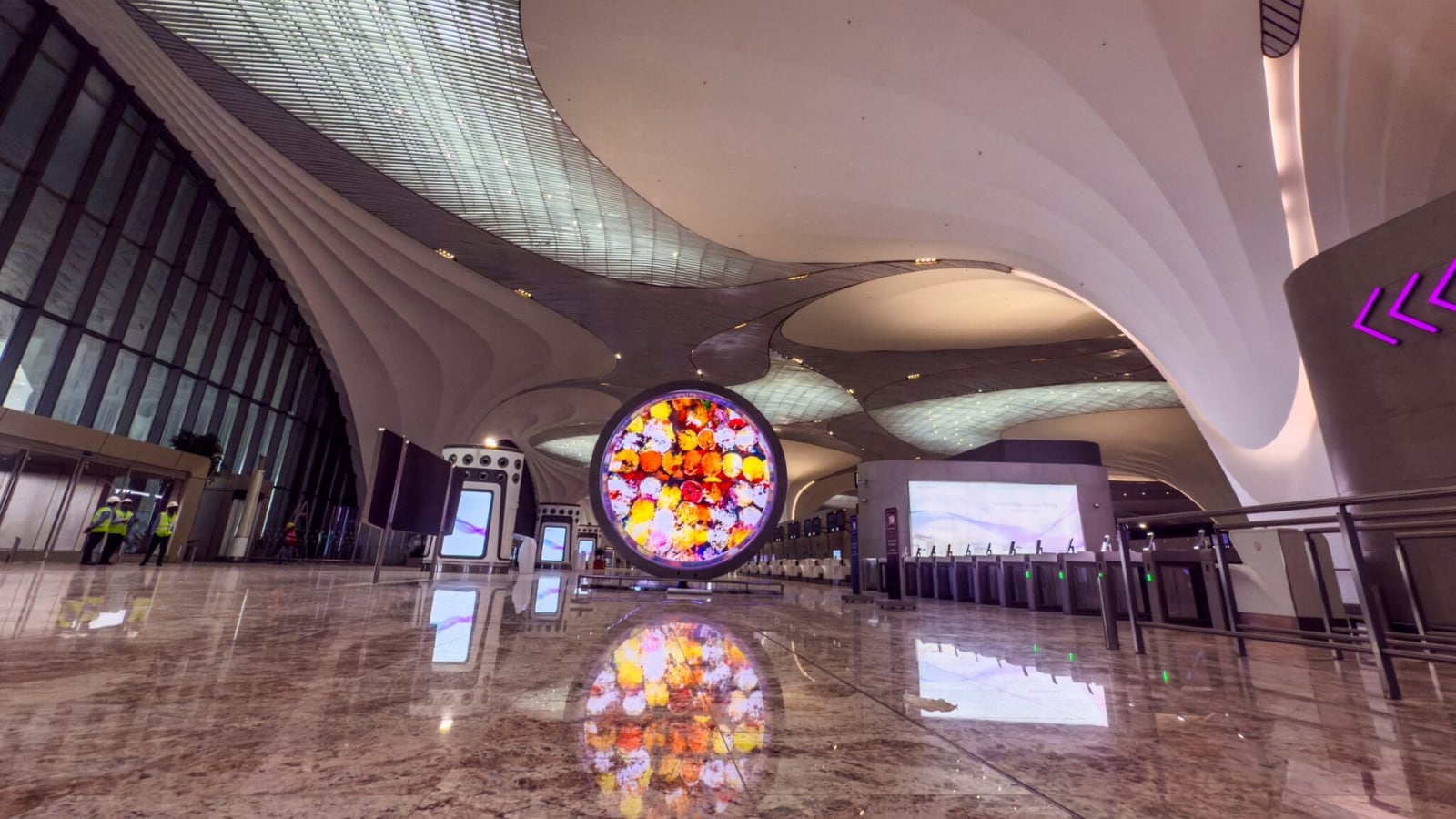
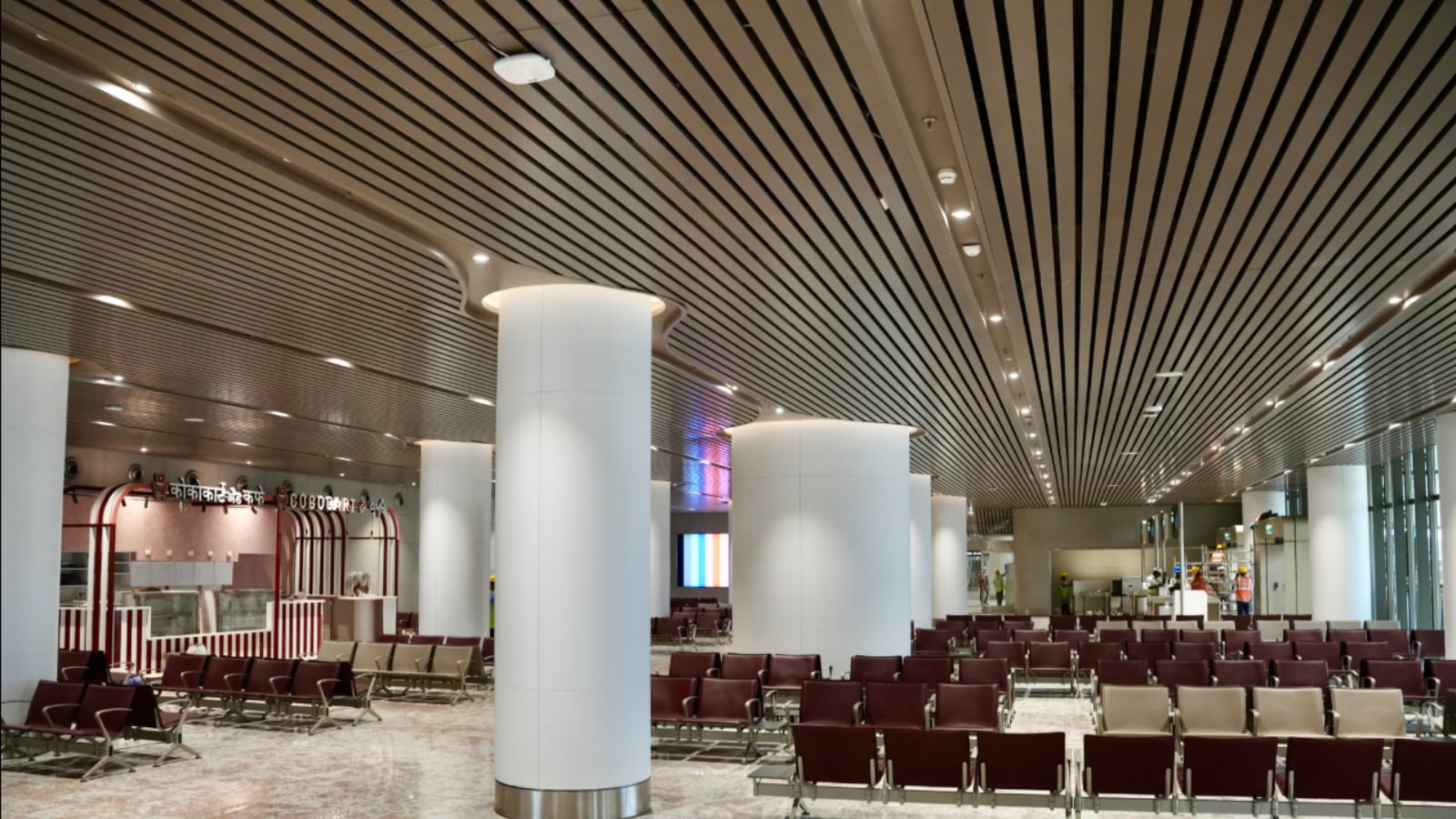
The design is not merely intended to look futuristic. Spacious check-in areas, wide corridors, modern boarding gates and passenger facilities have been planned to accommodate large volumes of domestic and international travellers as the airport expands. One of its more unusual attractions is the digital and artistic experience built into the passenger journey.
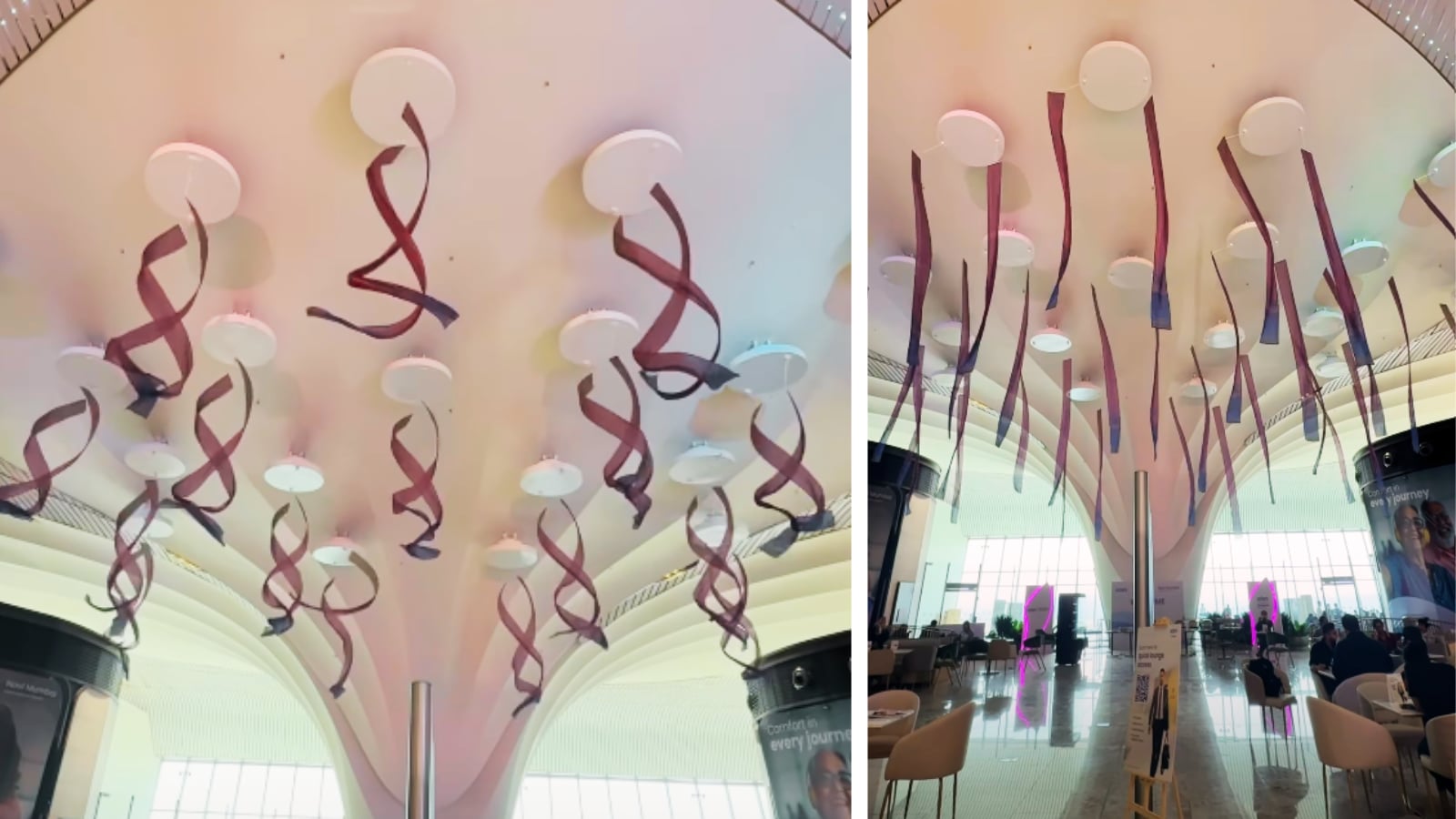
The Viral ‘Dancing Curtains’: Among the features that have attracted attention are NMIA’s so-called ‘dancing curtains’. The installation uses long fabric ribbons suspended from the ceiling, with technology-controlled circular wheels allowing them to move in coordinated patterns. The effect becomes particularly striking when the ribbons move in sync with music. A video showing the installation performing to the popular Deva Shree Ganesha song from the film Agneepath went viral, with travellers praising the unusual airport experience. The installation is part of NMIA’s wider attempt to make the airport more than a functional transit space. (Instagram/@anchor_shahbazkhan)
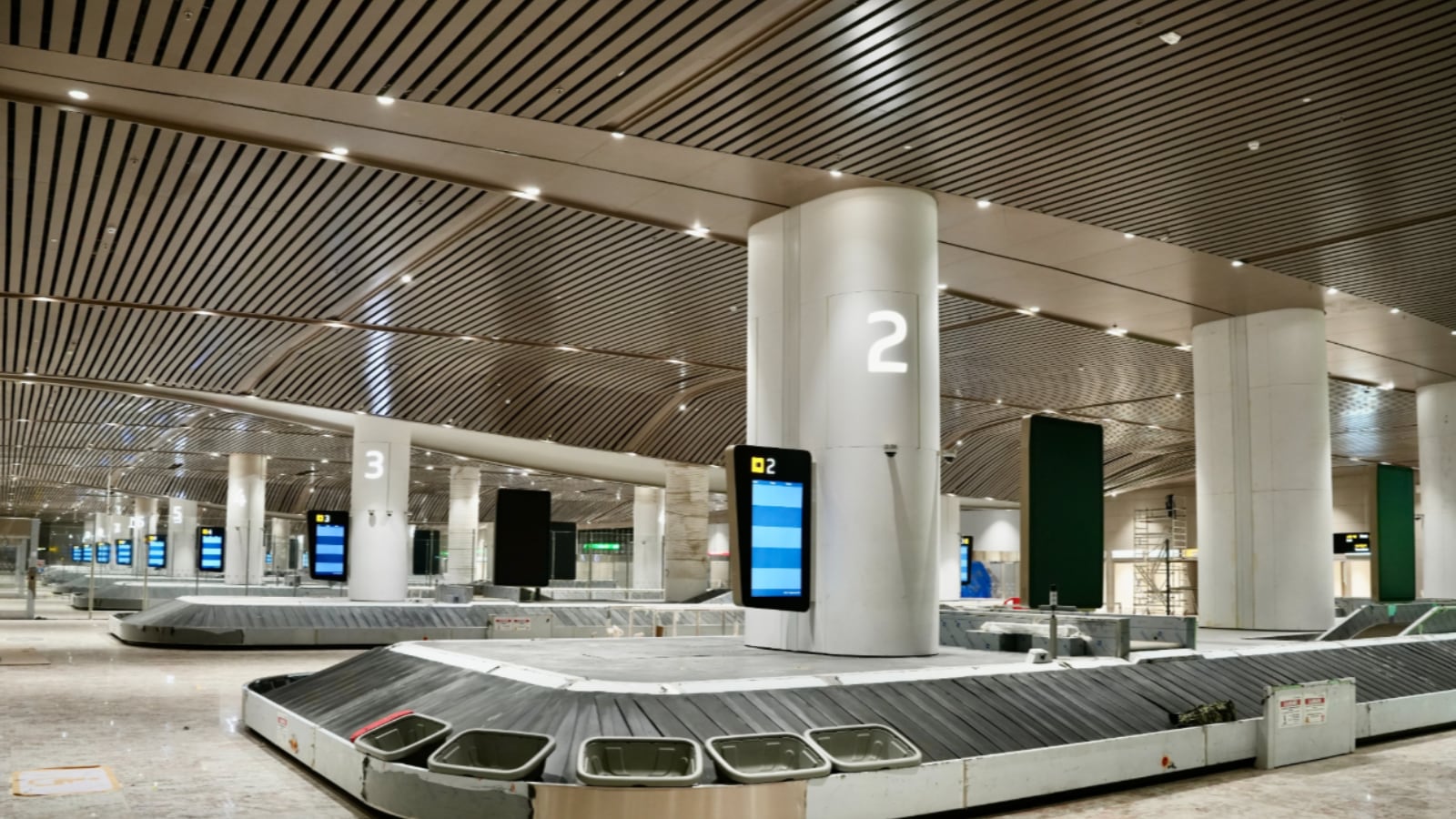
The airport’s dIGate (Navigate) digital art experience is another part of that effort. The programme combines contemporary digital art with India’s artistic heritage, with a particular focus on Maharashtra. The idea is to give passengers an immersive introduction to Indian art, craft and culture while providing artists with a modern platform. The experience was conceived and scenographed by Berlin-based TAMSCHICK MEDIA+SPACE, in collaboration with international architectural and technology partners. For an airport that wants to position itself as a modern gateway to Mumbai and Maharashtra, incorporating local culture into the passenger experience gives NMIA something beyond conventional airport infrastructure. (X/@Dev_Fadnavis)
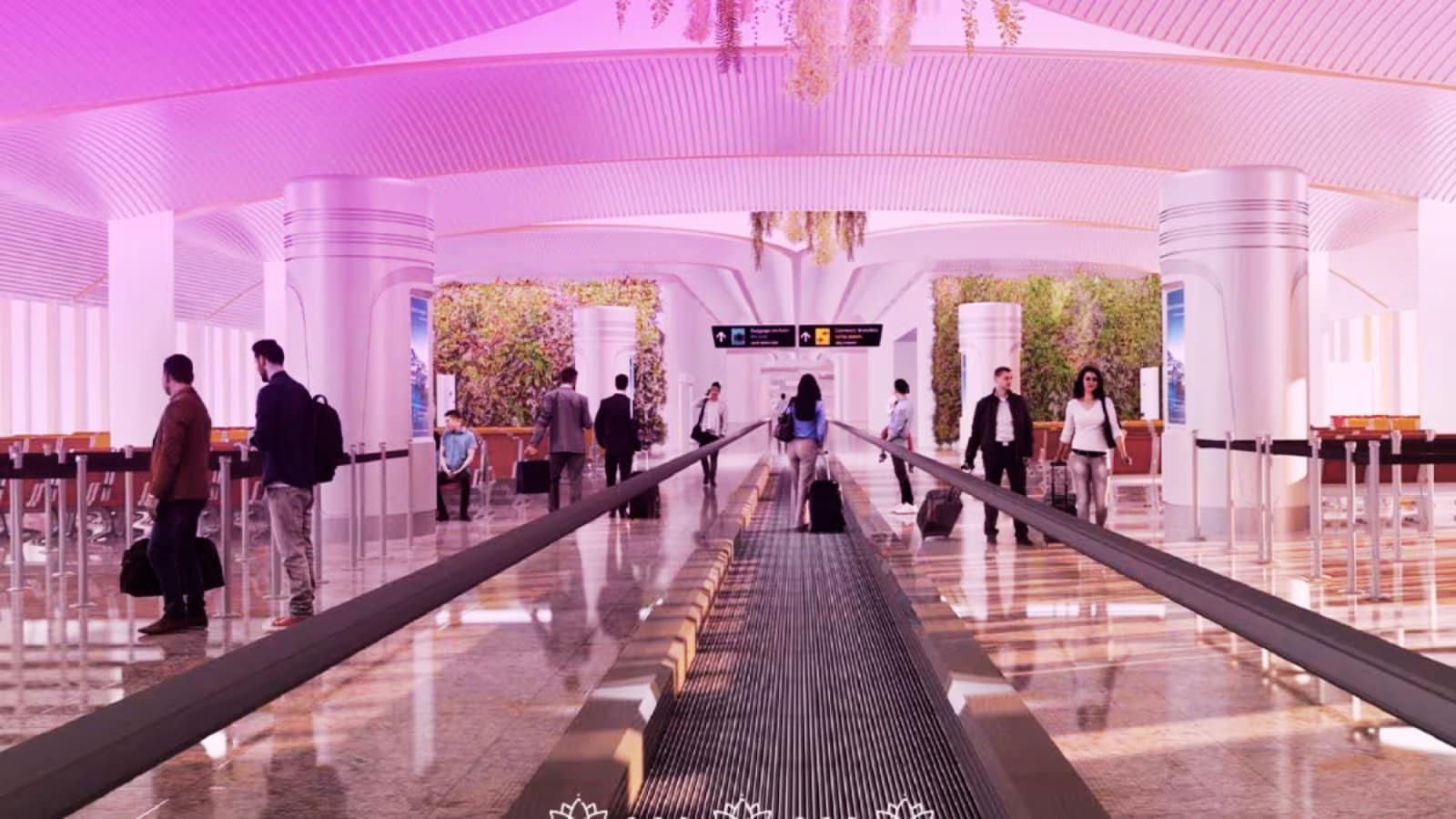
The airport’s operational performance also offers some encouraging signs. NMIA recorded an average last-bag delivery performance of 94% in August. In practical terms, this means the last checked-in bag reached the baggage carousel within 30 minutes on 94% of flights during the month. For passengers, baggage delivery is one of those airport services that often matters more than impressive architecture. A relatively strong last-bag performance suggests that at least part of NMIA’s ground-handling operation is settling into place as passenger numbers increase.
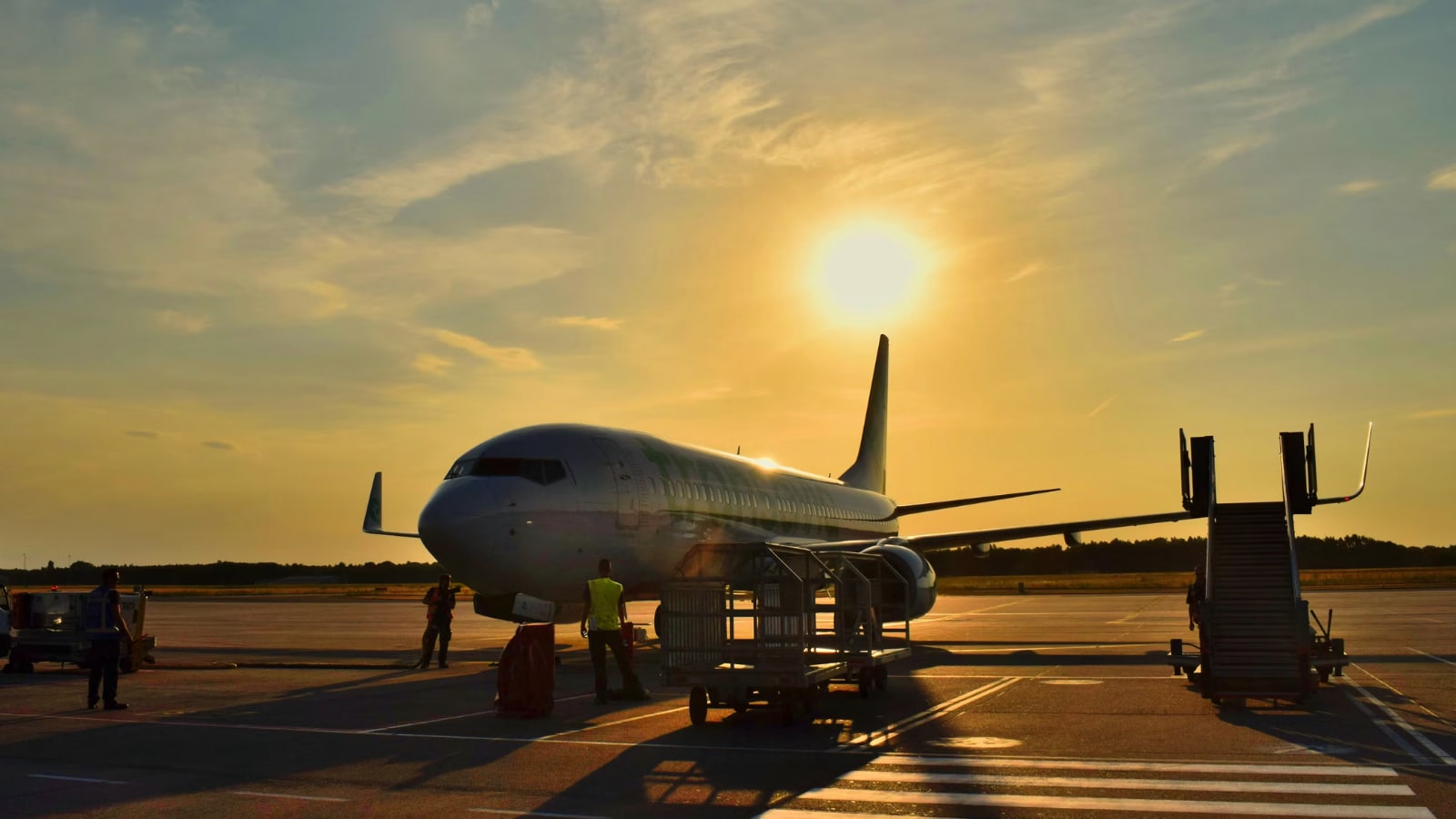
Another clear positive is how rapidly NMIA’s flight network has expanded. The airport started commercial operations with connections to 13 destinations. That network has now grown to 46 destinations, with airlines including IndiGo, Air India Express, Akasa Air and Star Air operating services. The expansion means passengers in Navi Mumbai and surrounding areas have an increasing number of reasons to choose NMIA rather than travel across the Mumbai Metropolitan Region to Chhatrapati Shivaji Maharaj International Airport. The airport has also already handled its first international operations, with Abu Dhabi becoming its first international connection.
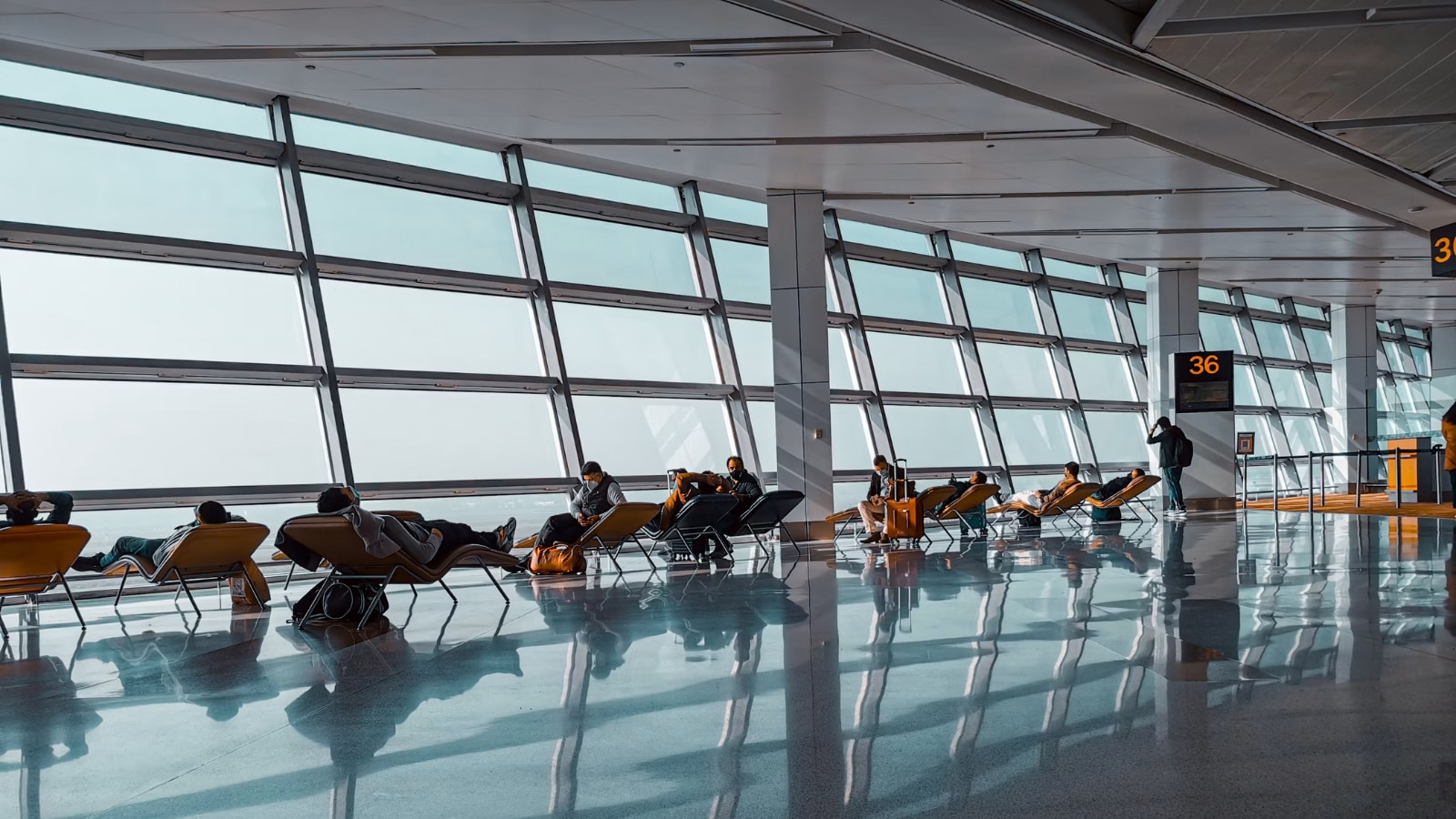
But Connectivity Outside The Airport Still Needs To Catch Up: This is where the experience becomes more complicated. An airport can have an impressive terminal and an expanding flight network, but getting to and from it is just as important for passengers. NMIA is located in Ulwe, near Panvel, away from Mumbai’s established suburban core. While road connectivity is developing and the airport is expected to benefit from improved transport infrastructure in the region, travelling to the airport can still require significant planning depending on where a passenger is coming from.

For residents of Navi Mumbai and parts of Raigad, the location can be considerably more convenient than travelling to Mumbai’s existing airport. For passengers coming from other parts of Mumbai, however, the overall journey can be less straightforward. This is one area where the airport’s success will increasingly depend not only on what happens inside the terminal but also on how quickly surrounding road and public transport links improve.
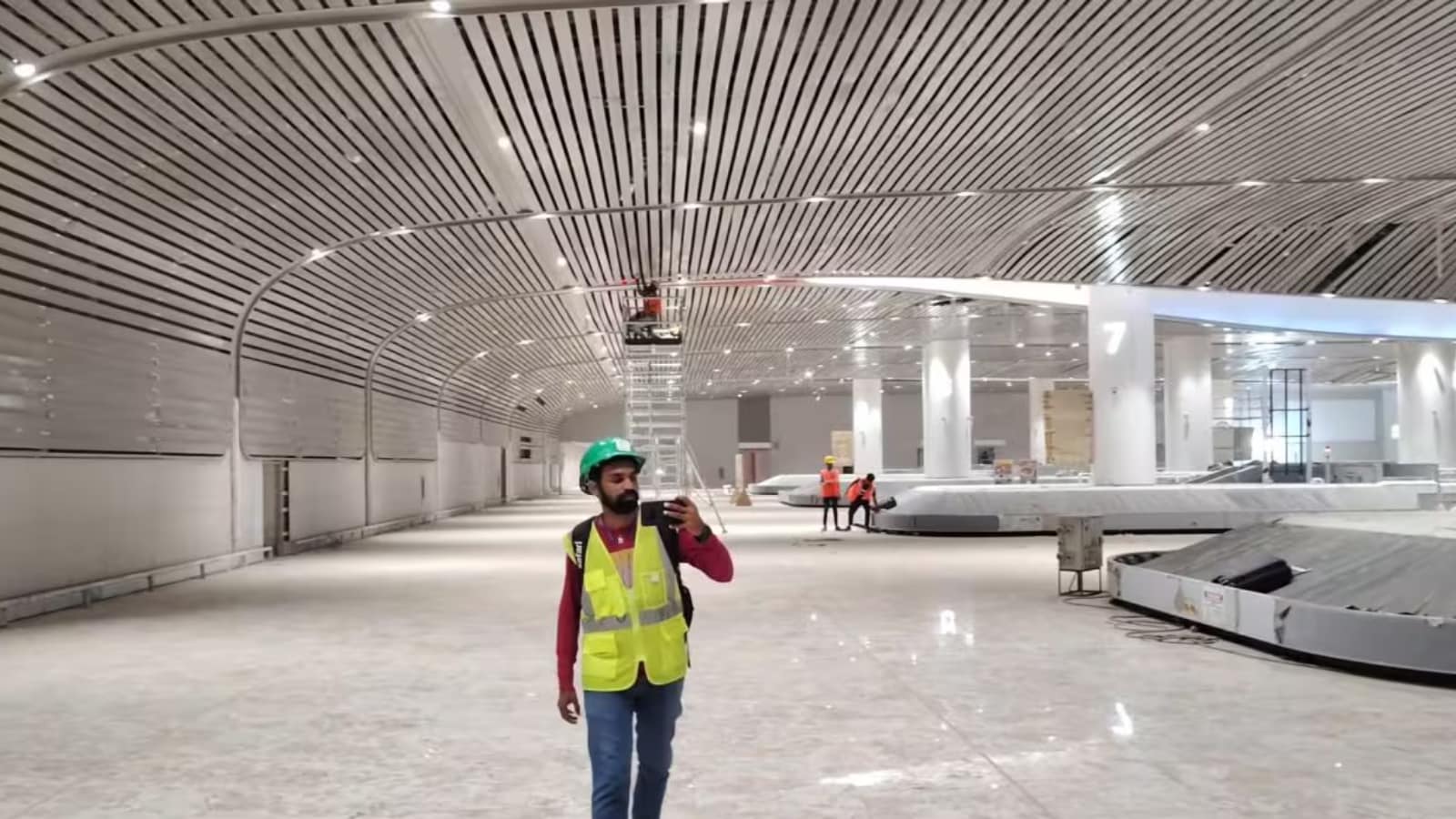
The Airport Is Still Growing Into Its Full Potential: Another limitation is that NMIA is not yet operating at the scale originally envisioned. The airport’s first phase is designed to handle up to 20 million passengers annually, with its eventual capacity expected to rise to 90 million passengers. The current passenger experience therefore represents only the early stage of a much larger project.
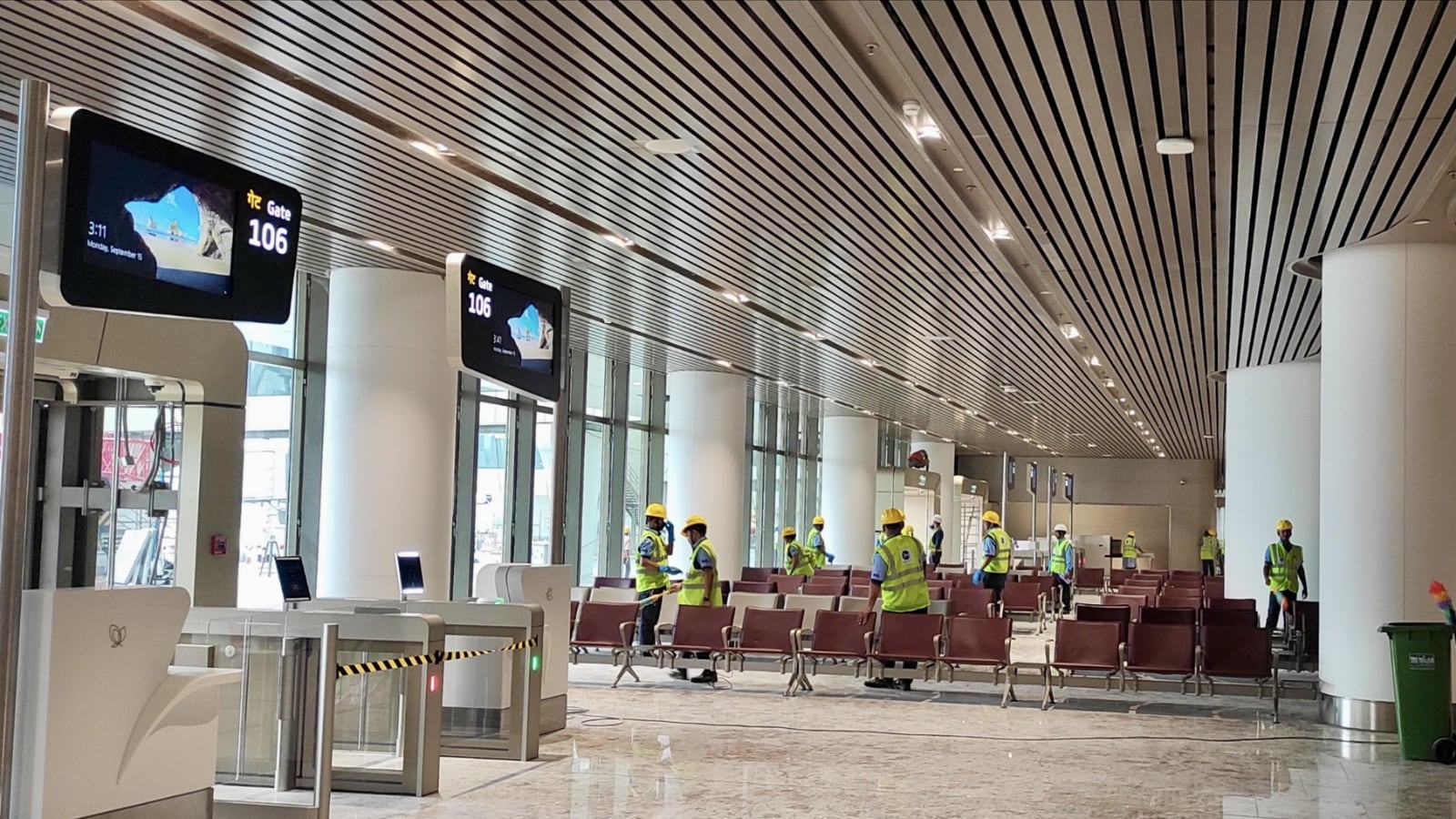
Four terminals and two parallel runways are planned as the airport develops. A VVIP terminal is also expected to be ready by 2030. For now, only a portion of the airport’s planned infrastructure is operational. That means travellers are experiencing an airport that is still expanding rather than a completely built-out aviation hub. (X/@Dev_Fadnavis)
International connectivity is another area where NMIA has room to grow. The airport has already begun scheduled international operations, which is an important milestone. However, the range of international destinations and airlines remains much smaller than what travellers might expect from an airport being positioned as Mumbai’s second international gateway. (X/@Dev_Fadnavis)
The long-term ambition is far bigger. As more international airlines begin operating from NMIA and the airport’s network expands, it could reduce pressure on Mumbai’s existing international airport while giving passengers in Navi Mumbai and surrounding regions another option for overseas travel. For that to happen, however, the airport will need to continue attracting airlines and building a sufficiently strong international network.
NMIA Is Also Trying To Become A Cargo Hub: Passenger traffic is not the only part of the airport’s ambitions. NMIA recently received an Antonov An-124 Ruslan, one of the world’s largest production cargo aircraft and a Code F wide-body freighter. The aircraft arrived from Abu Dhabi carrying around 46 tonnes of cargo. The arrival was significant because NMIA is positioning itself as an important cargo gateway as well as a passenger airport. The airport is eventually expected to handle up to 0.5 million tonnes of cargo annually. If that capacity is effectively utilised, NMIA could become increasingly important for logistics, trade and the movement of high-value goods in the Mumbai Metropolitan Region.
So, Is Navi Mumbai International Airport Working? The answer is increasingly yes – but with an important qualification. The passenger numbers show that travellers are using the airport. Crossing the 3 million-passenger mark in less than nine months, expanding to 46 destinations and maintaining a 94% last-bag delivery performance are all encouraging signs. Its architecture and cultural installations also give passengers an experience that feels considerably more ambitious than a conventional transport terminal. But NMIA is still a work in progress. (X/@Dev_Fadnavis)
Its surrounding connectivity needs to mature, its international network needs to expand and much of its planned infrastructure is yet to become operational. The airport’s true impact will therefore be measured over the next several years, when more terminals, routes, transport links and cargo facilities come online. (X/@Dev_Fadnavis)
For now, Navi Mumbai International Airport appears to have successfully moved beyond being a long-awaited infrastructure project and into becoming a functioning part of Mumbai’s aviation ecosystem. The bigger question is whether it can eventually become the fully fledged second gateway to Mumbai that it was designed to be. (X/@Dev_Fadnavis)