What Commuters Need To Know
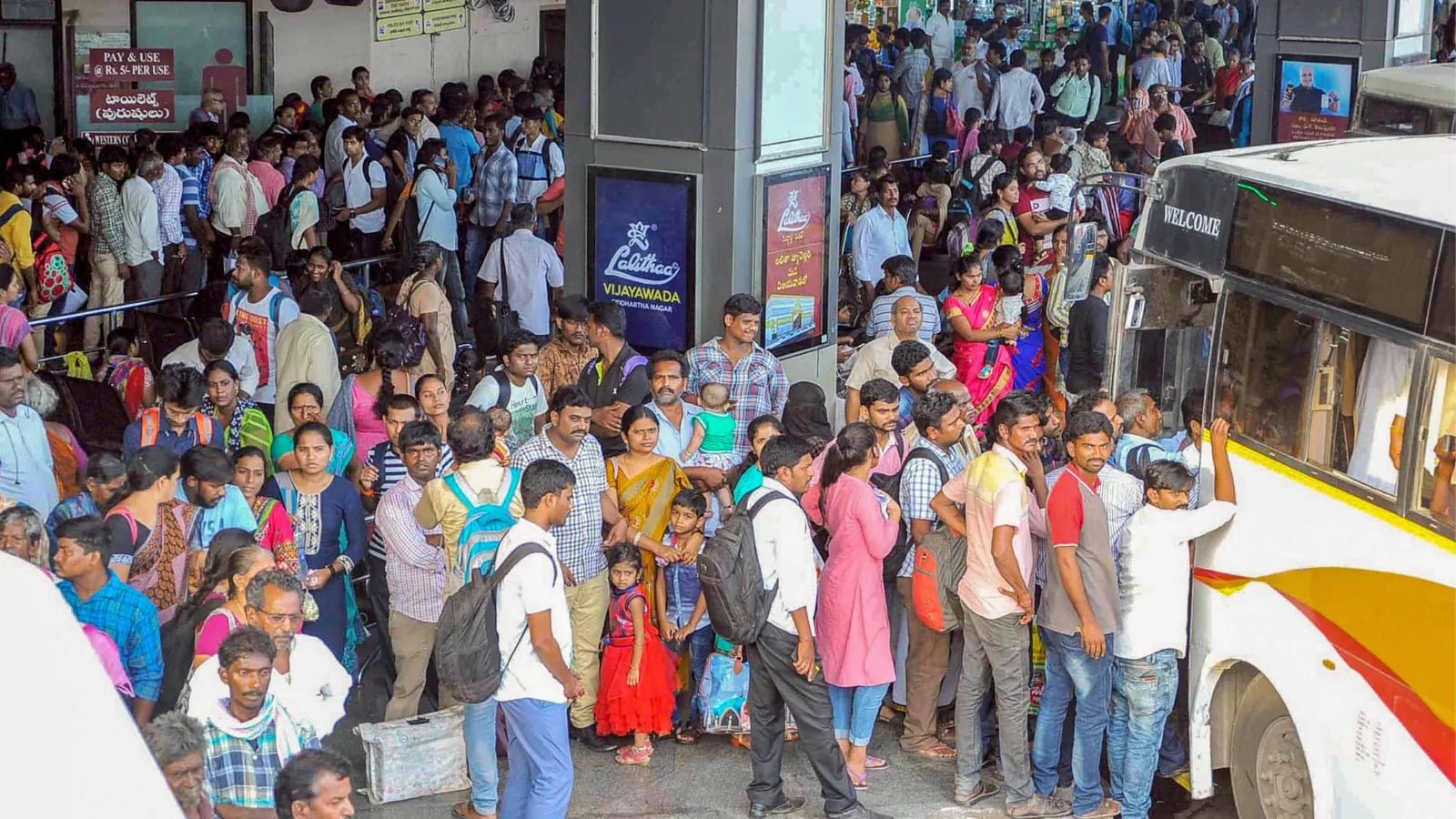
Hyderabad commuters who switch between Metro trains and Telangana State Road Transport Corporation (TGSRTC) buses could soon have one less ticket to worry about. Telangana Chief Secretary Sanjay Jaju has directed officials to introduce a common Metro-RTC pass immediately, with both daily and monthly options planned for passengers. The direction came during a coordination meeting held at Metro Rail Bhavan in Begumpet on Sunday, September 6, where officials from Hyderabad Metro Rail Limited (HMRL), TGSRTC, the electricity department and other agencies discussed public transport and ongoing Metro-related works, as reported by The Times of India.
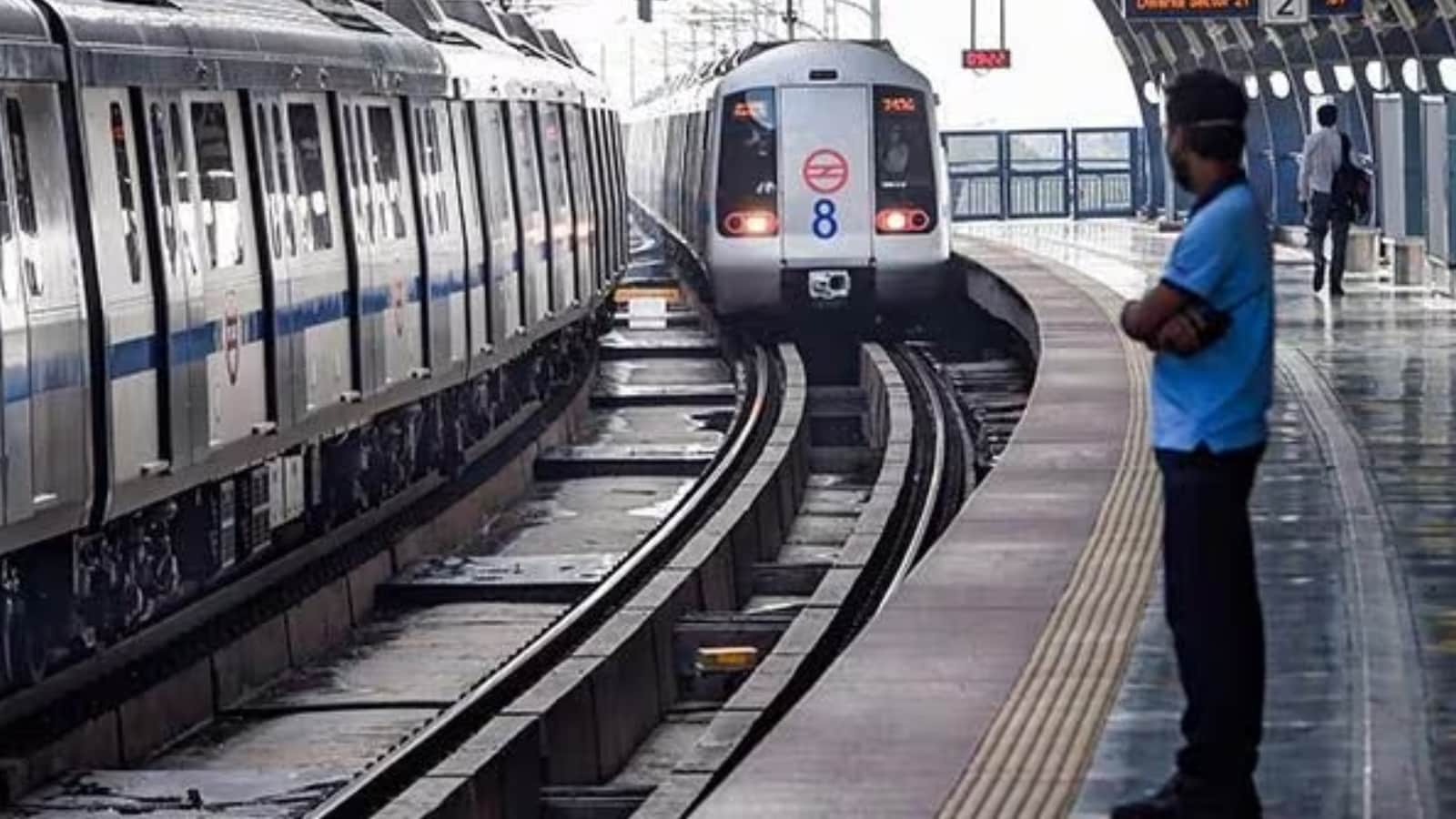
According to a report in The Times of India, HMRL and TGSRTC officials told the Chief Secretary that the technical arrangements for the joint pass were already in place, following which Sanjay Jaju asked them to quickly finalise the common fare structure and put the facility into operation. The proposed system is expected to be particularly useful for commuters whose journeys do not end at a Metro station. Instead of buying separate tickets for the Metro and a connecting RTC bus, passengers could use a common pass for both stages of their journey.
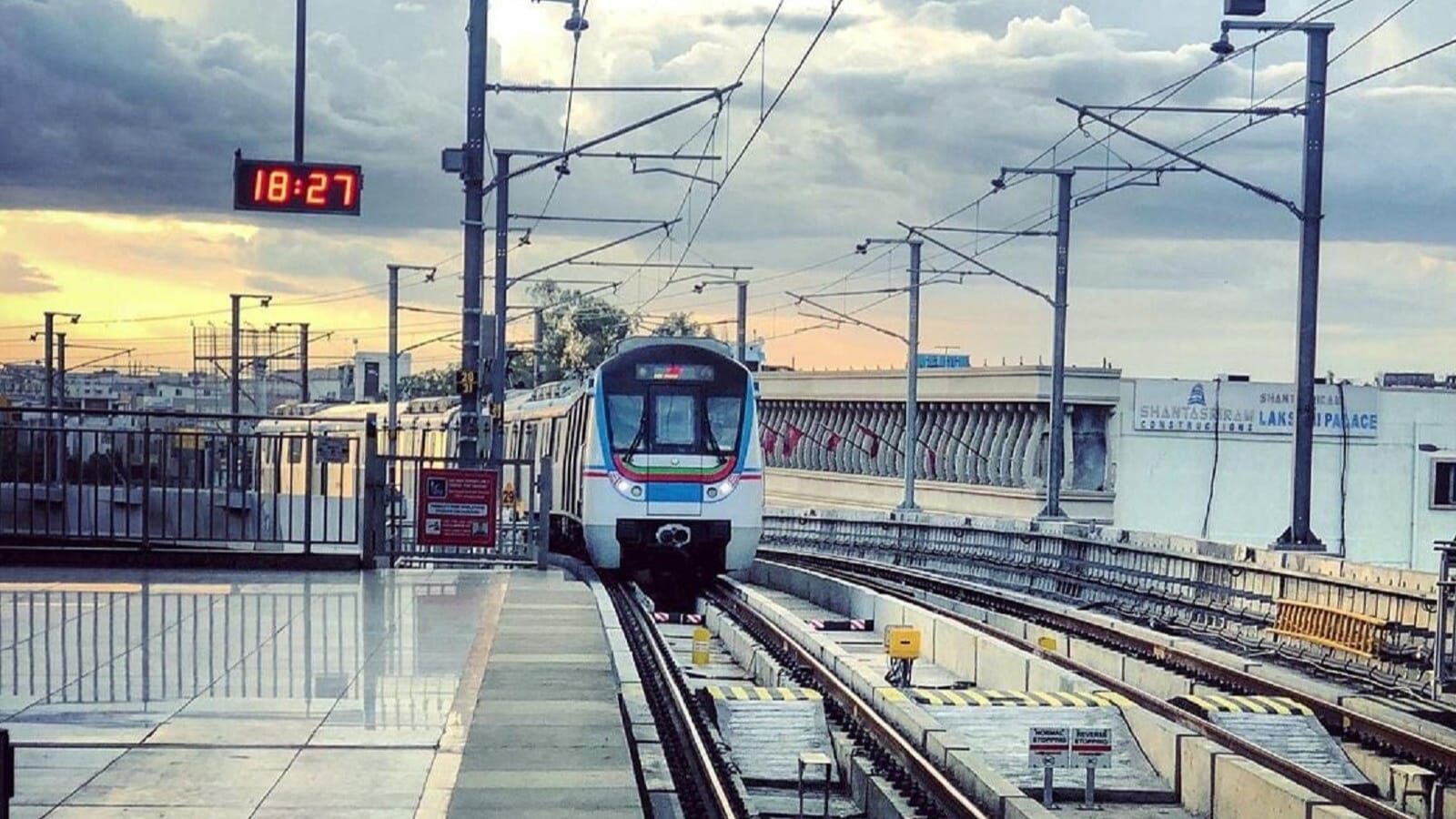
The idea is aimed at making public transport more convenient by bringing two of Hyderabad’s major mass-transit systems under a common ticketing arrangement. For a commuter travelling from a residential area to a Metro station by bus, taking the Metro for the main part of the journey and then using another RTC bus to reach the final destination, separate tickets can add both cost and hassle. A common pass could simplify that journey by bringing the two payments together.
The proposed Hyderabad system is expected to offer daily as well as monthly passes. However, the authorities have not yet announced the final price, validity conditions, eligibility rules, application process or whether the facility will be issued as a physical card, digital pass or through an existing ticketing platform. That means commuters will have to wait for the official fare structure and operating guidelines before applying for the new facility. The move also follows an earlier push by Sanjay Jaju to create integrated ticketing across Hyderabad’s public transport network. In July, he had called for a common mobility ticketing system covering Metro and RTC services and suggested exploring a common mobile application as well as daily, weekly and monthly Metro passes.
Why A Common Metro-Bus Pass Matters? The biggest advantage of an integrated ticketing system is that it treats a multi-stage journey as one public transport trip rather than two unrelated rides. A passenger could potentially board an RTC bus, transfer to the Metro and continue the journey without having to stop and purchase another ticket. For regular commuters, a monthly option could also make budgeting easier if its fare is lower than purchasing individual tickets for every journey.
Such integration can also make public transport more attractive to people who currently rely on private vehicles because of the inconvenience of changing between different modes. A smoother bus-to-Metro connection can make it easier to use buses for the first and last mile while reserving Metro Rail for longer stretches of the journey.
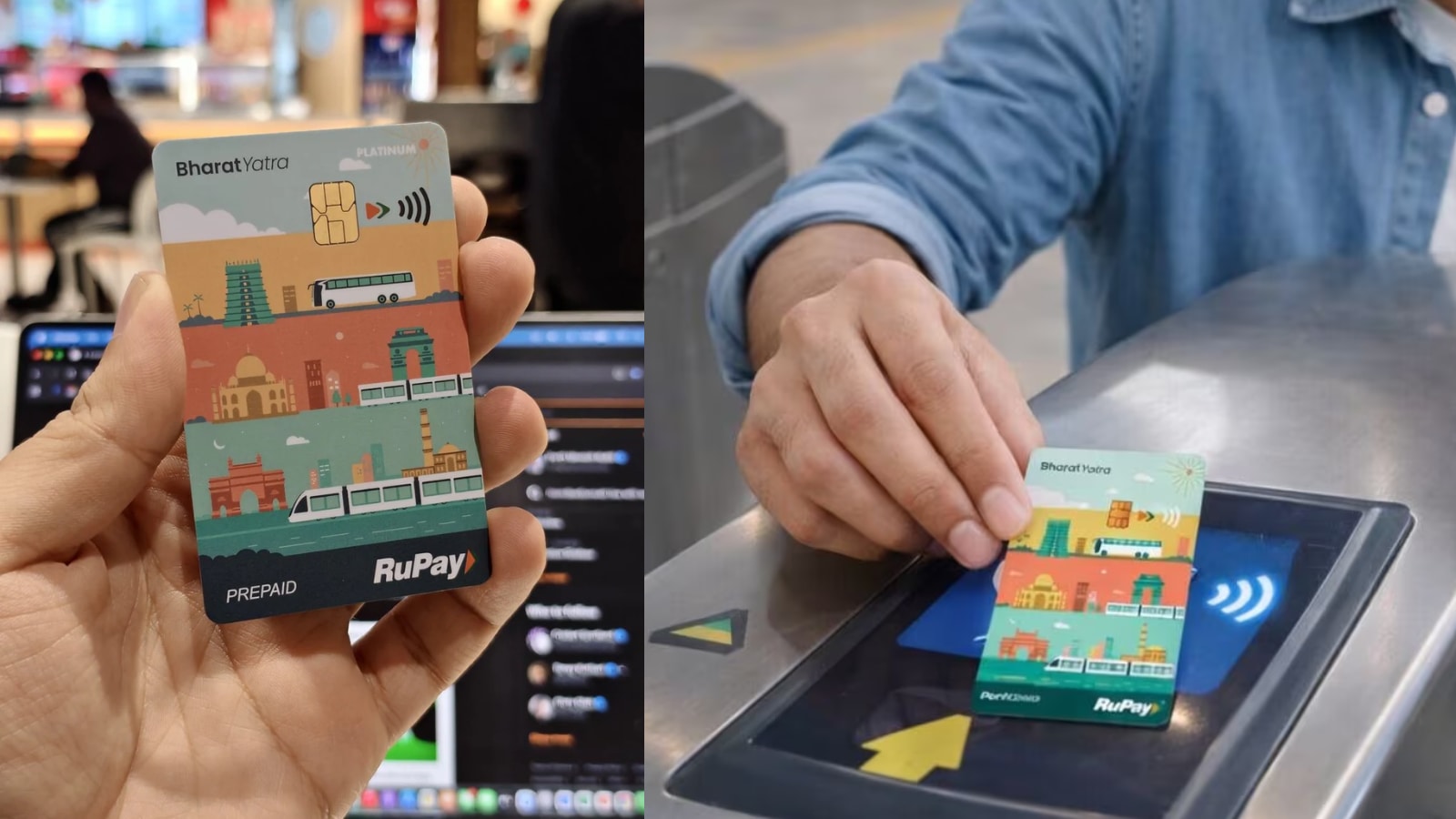
At the national level, this is the idea behind the National Common Mobility Card (NCMC), popularly associated with the ‘One Nation, One Card’ vision. NCMC is designed to allow a single payment instrument to work across participating Metro, bus and other public transport systems, with the system also capable of supporting uses such as parking and small-value payments. The Union government said in July 2026 that NCMC was functional across 13 Metro projects and 11 bus transport corporations, with the system intended to enable interoperable ticketing between different Metro, RRTS and bus operators.
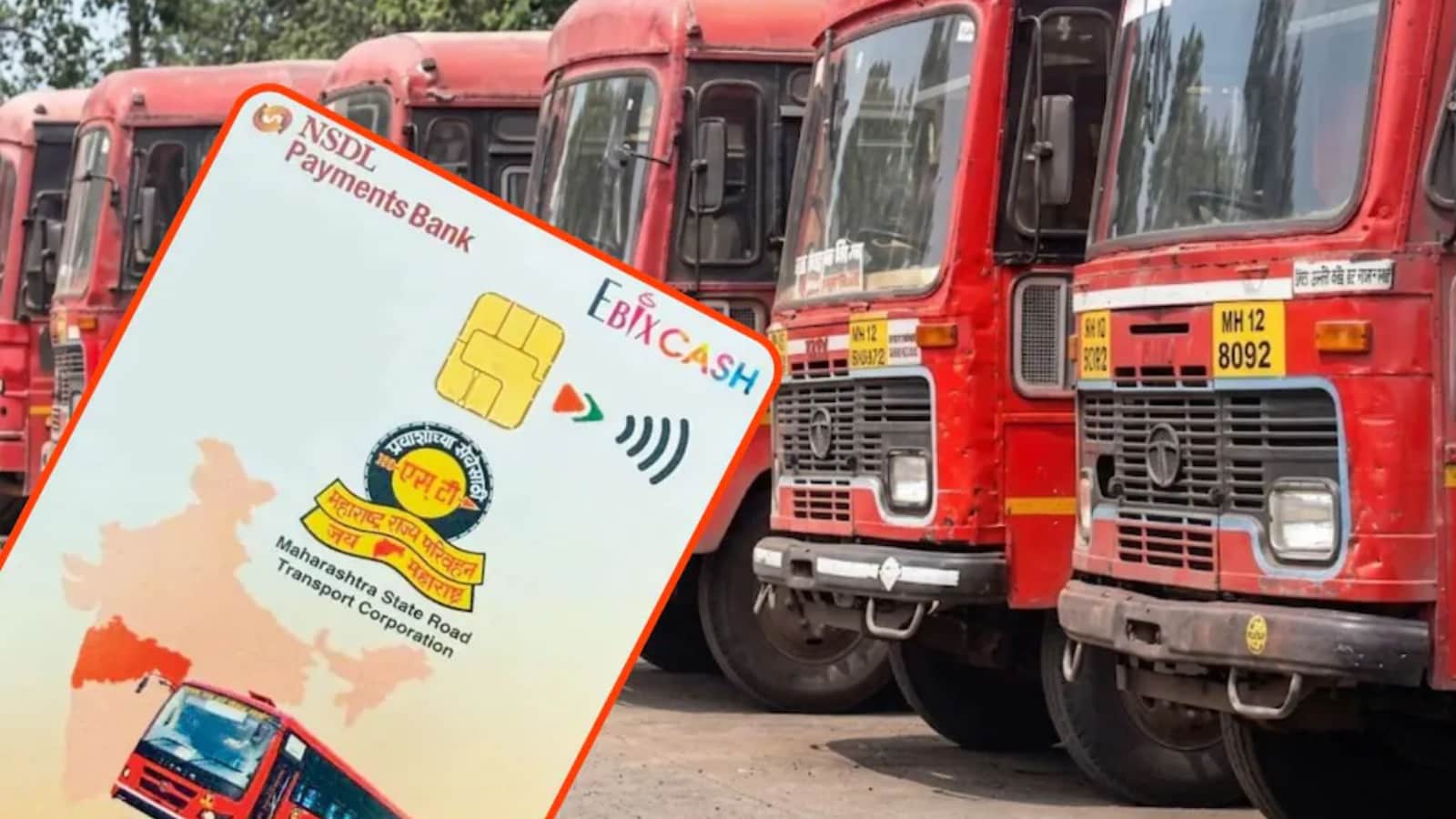
Hyderabad would not be the first Indian city to move towards common mobility payments. Mumbai has been among the prominent examples of NCMC-based integration. The Mumbai1 NCMC ecosystem has been used with BEST buses and Mumbai Metro’s NCMC-enabled corridors, giving commuters a way to use the same contactless card across participating transport services. The broader NCMC system has also been identified by the Union government as being operational with BEST in Mumbai.
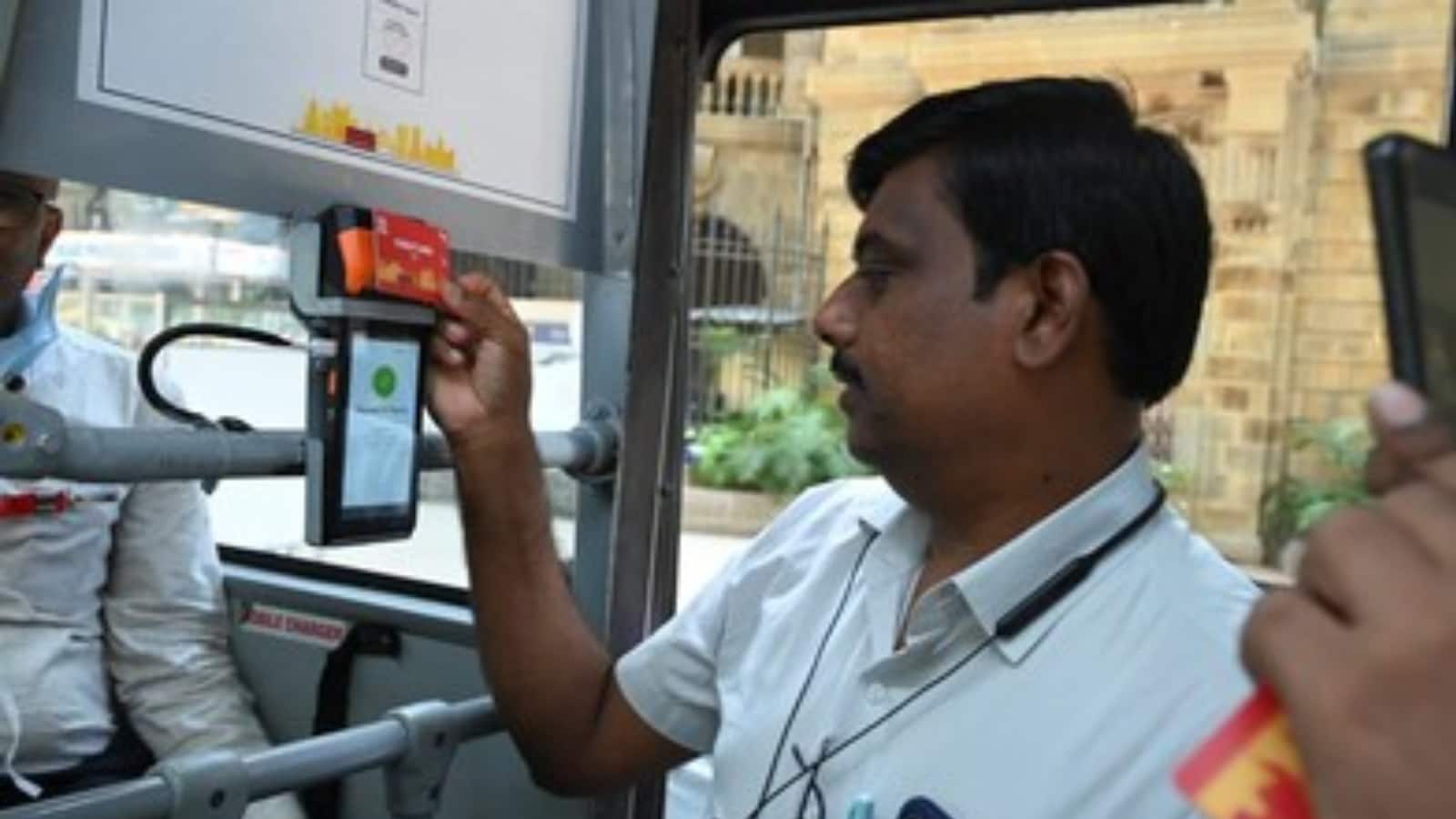
Delhi has also been moving towards wider NCMC adoption. Delhi Metro accepts interoperable RuPay NCMC cards across its network, while the Delhi Transport Corporation has been working on integrating NCMC into its bus fare collection system. Government records from 2026 also show ongoing NCMC card distribution and related implementation work by DTC.
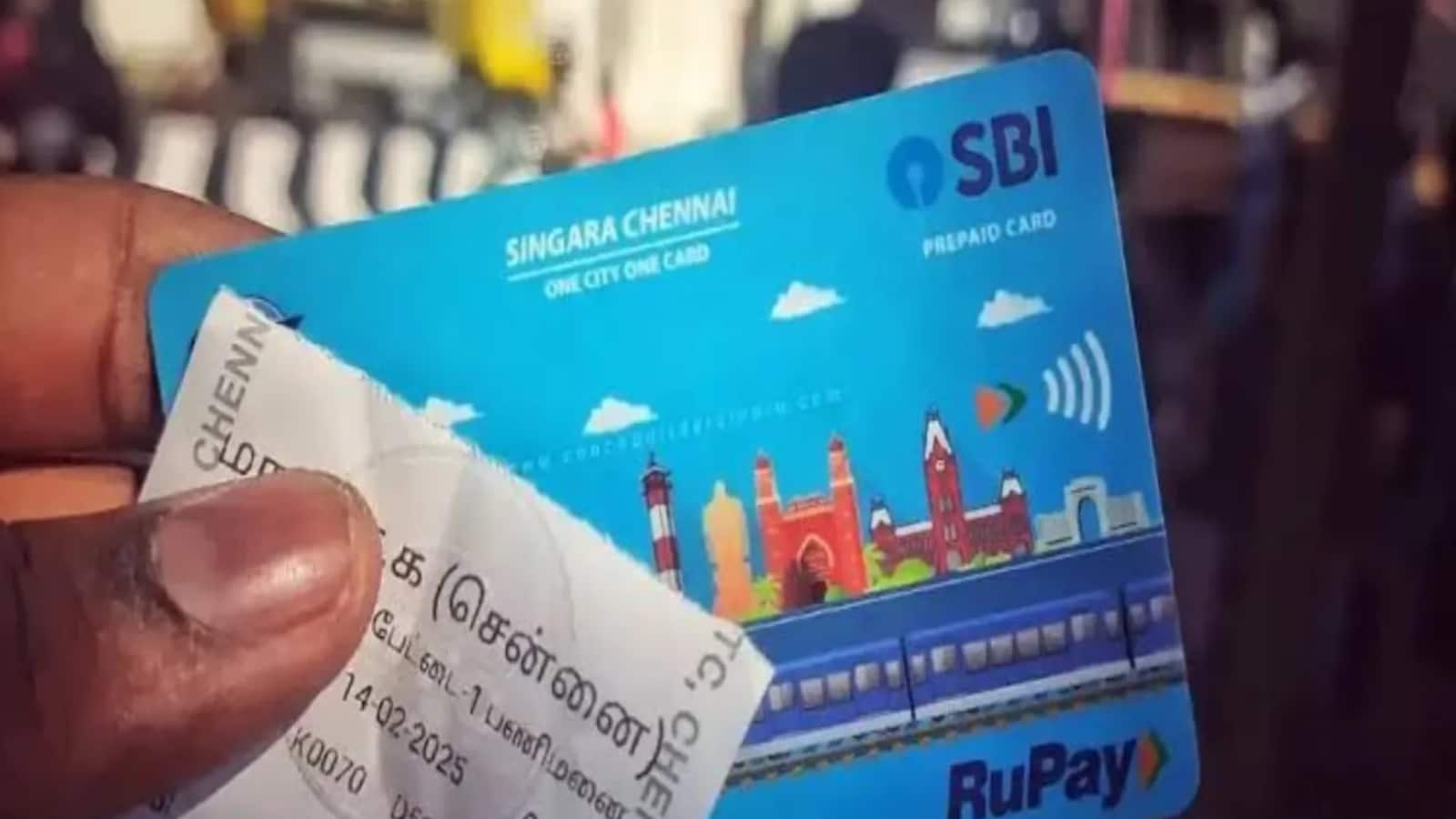
Chennai is another example. Chennai Metro Rail Limited introduced its Singara Chennai NCMC in 2023 and subsequently moved towards making NCMC the principal smart-card system. The Metro says the card can be topped up and used for Metro travel, while NCMC’s broader design allows it to work on participating transport networks.
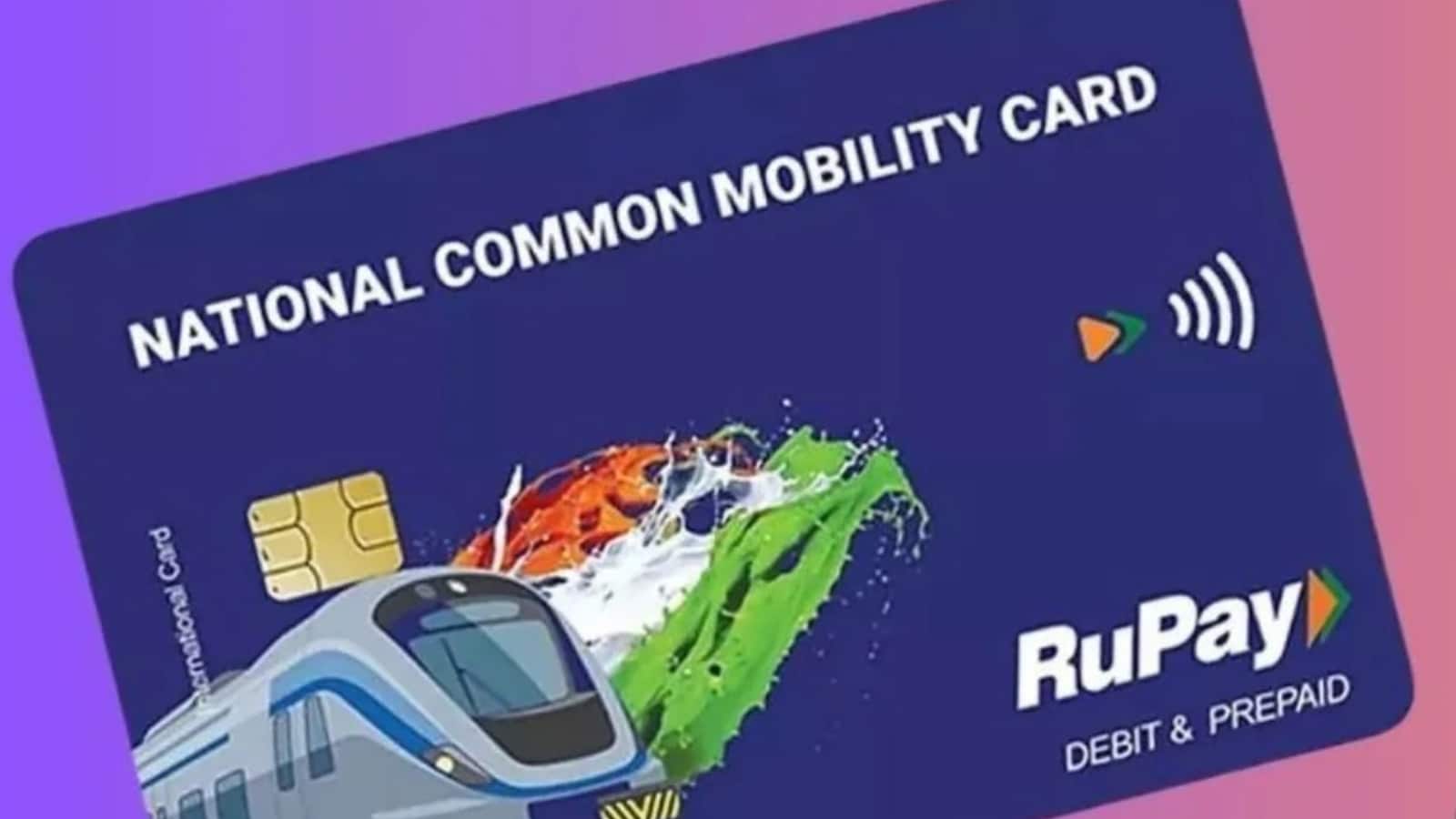
The NCMC ecosystem is also present in cities including Ahmedabad, Bengaluru, Kanpur, Pune and Nagpur, while bus operators such as BEST Mumbai, Kadamba Transport Corporation in Goa and Haryana Roadways have adopted NCMC-based systems. The important distinction, however, is that having NCMC does not automatically mean every bus and every Metro in a city accepts every NCMC card. Integration depends on the individual transport operator and the systems it has enabled.
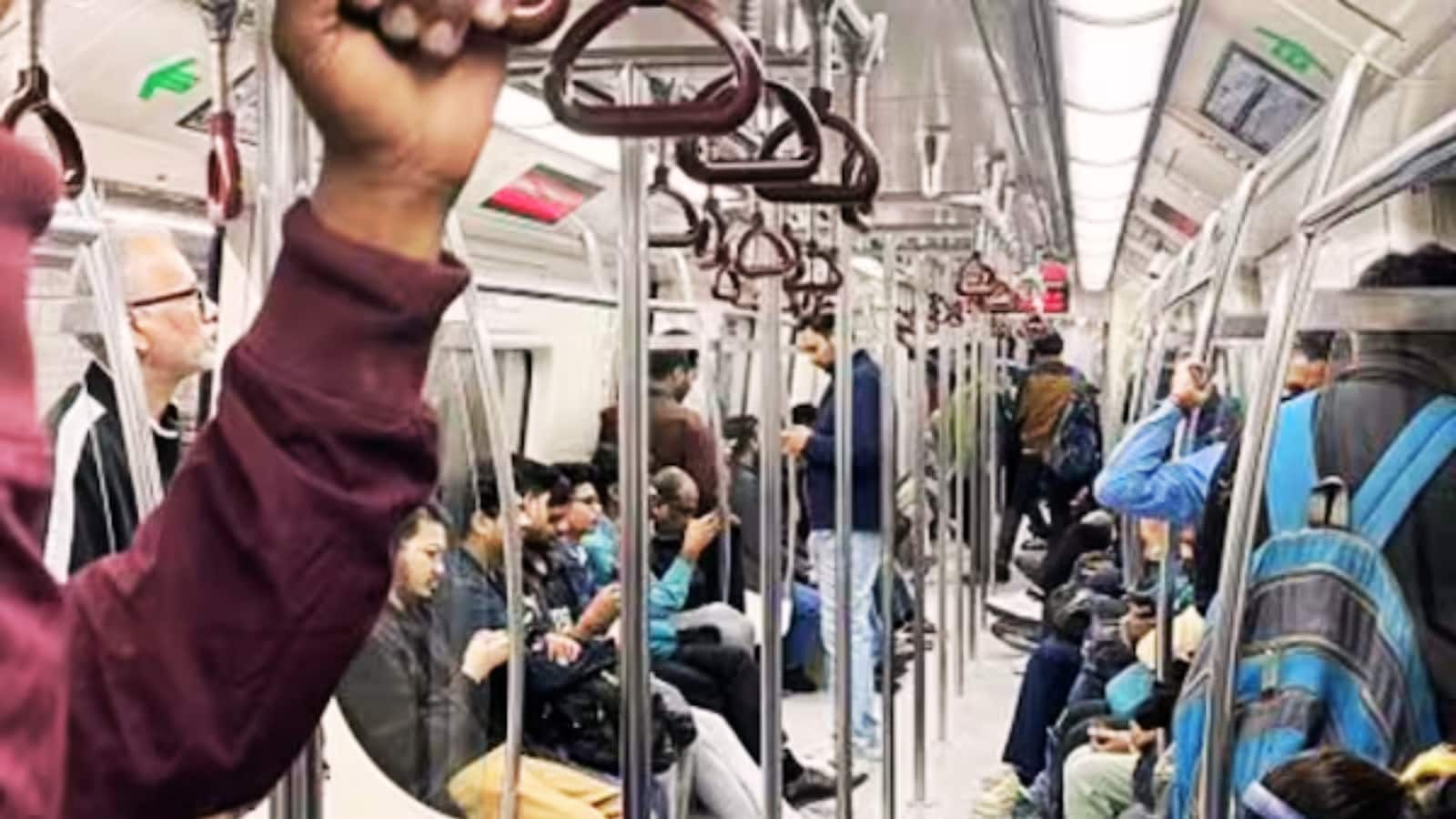
How The Hyderabad Pass Could Work? If Hyderabad follows the broader common-ticketing model, commuters could receive a pass that is valid across both Metro Rail and TGSRTC services. A passenger would then use the same pass when travelling on the two networks, with the applicable fare or pass validity determining the amount charged.
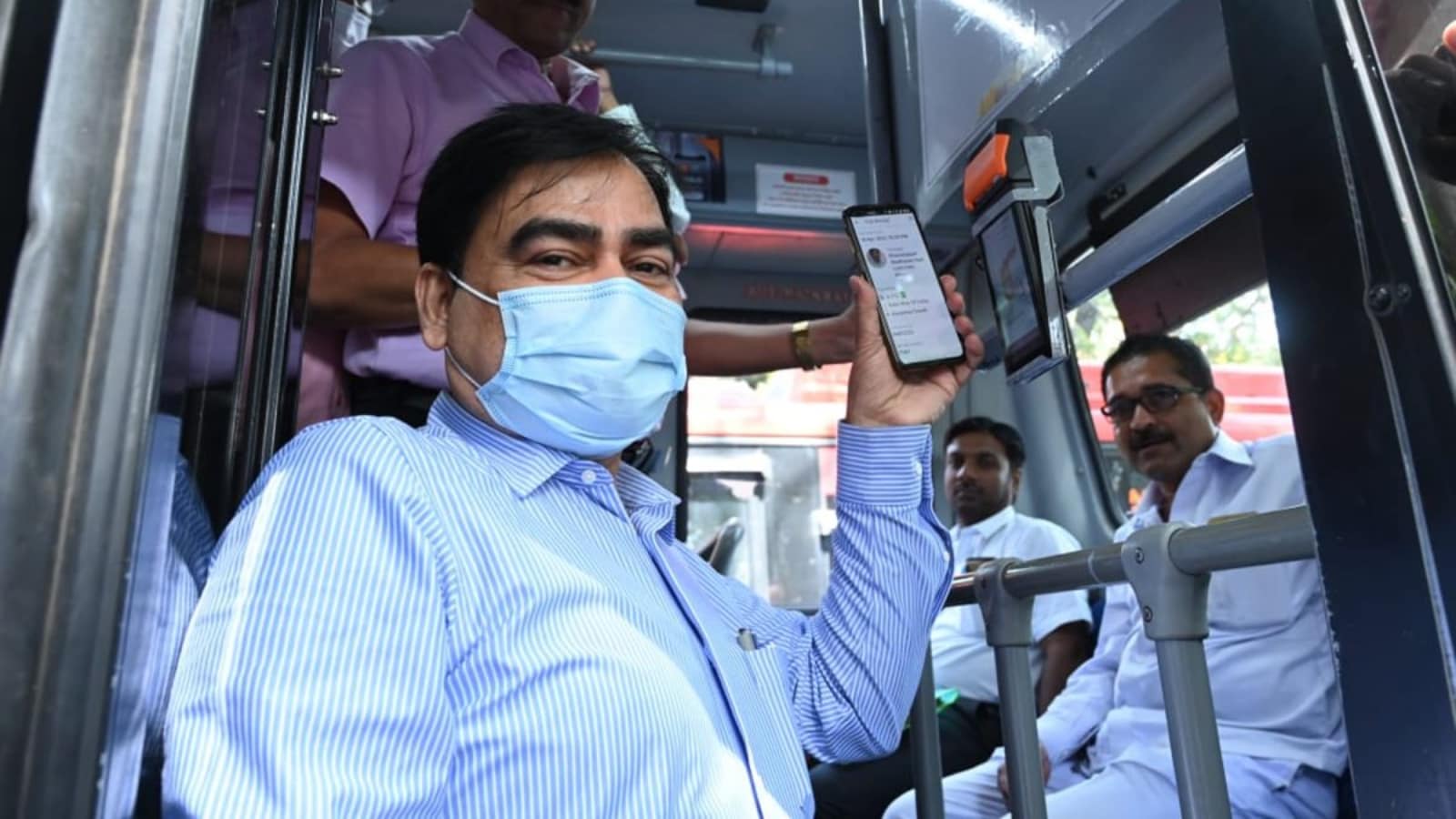
The exact process has not yet been announced. Officials are still required to finalise the joint fare structure, so commuters should not assume that the existing Hyderabad Metro smart card or any particular bank-issued NCMC card will automatically work on RTC buses once the scheme begins. For comparison, Ahmedabad Metro’s NCMC system allows passengers to obtain an NCMC card through participating issuing banks, add money through the issuing bank’s online facilities and then use the card by tapping at the entry and exit gates. The fare is deducted at the exit based on the journey.
Hyderabad Metro currently has its own smart-card facility, which can be purchased at Metro station ticket offices or through the TSavaari app. HMRL says the existing card carries a non-refundable Rs 20 administration charge, with recharge values starting at Rs 50. Whether this existing system will be expanded to cover TGSRTC, replaced by a new common card, or connected to an NCMC-based system will become clear when the authorities announce the final operating model.
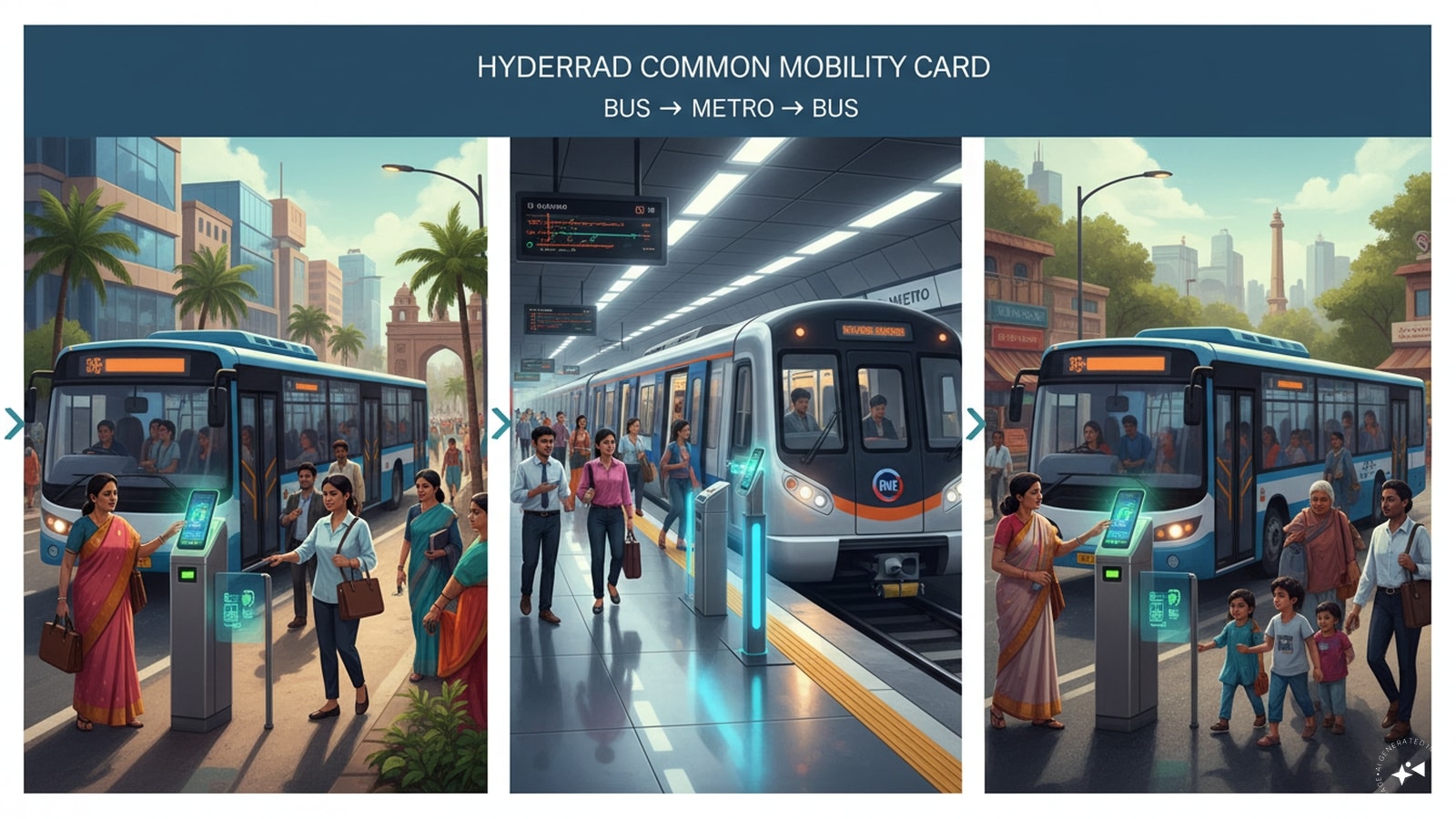
How Hyderabad’s Proposed Joint Pass Could Work: Bus → Metro → Bus, with one common pass replacing separate tickets at each stage. (AI Generated)
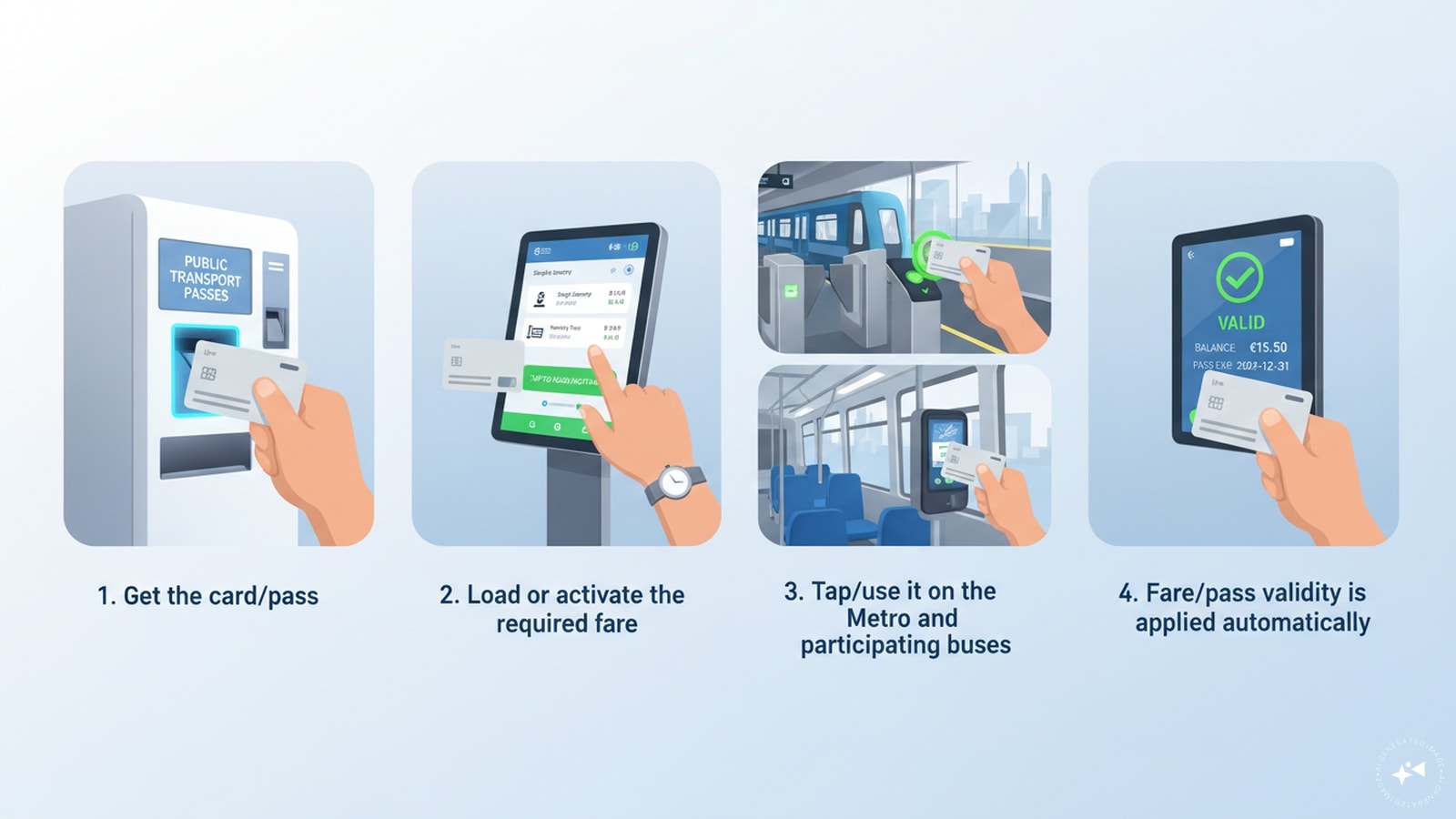
How To Use A Common Mobility Card: Get the card/pass → load or activate the required fare → tap/use it on the Metro and participating buses → fare/pass validity is applied automatically. (AI Generated)
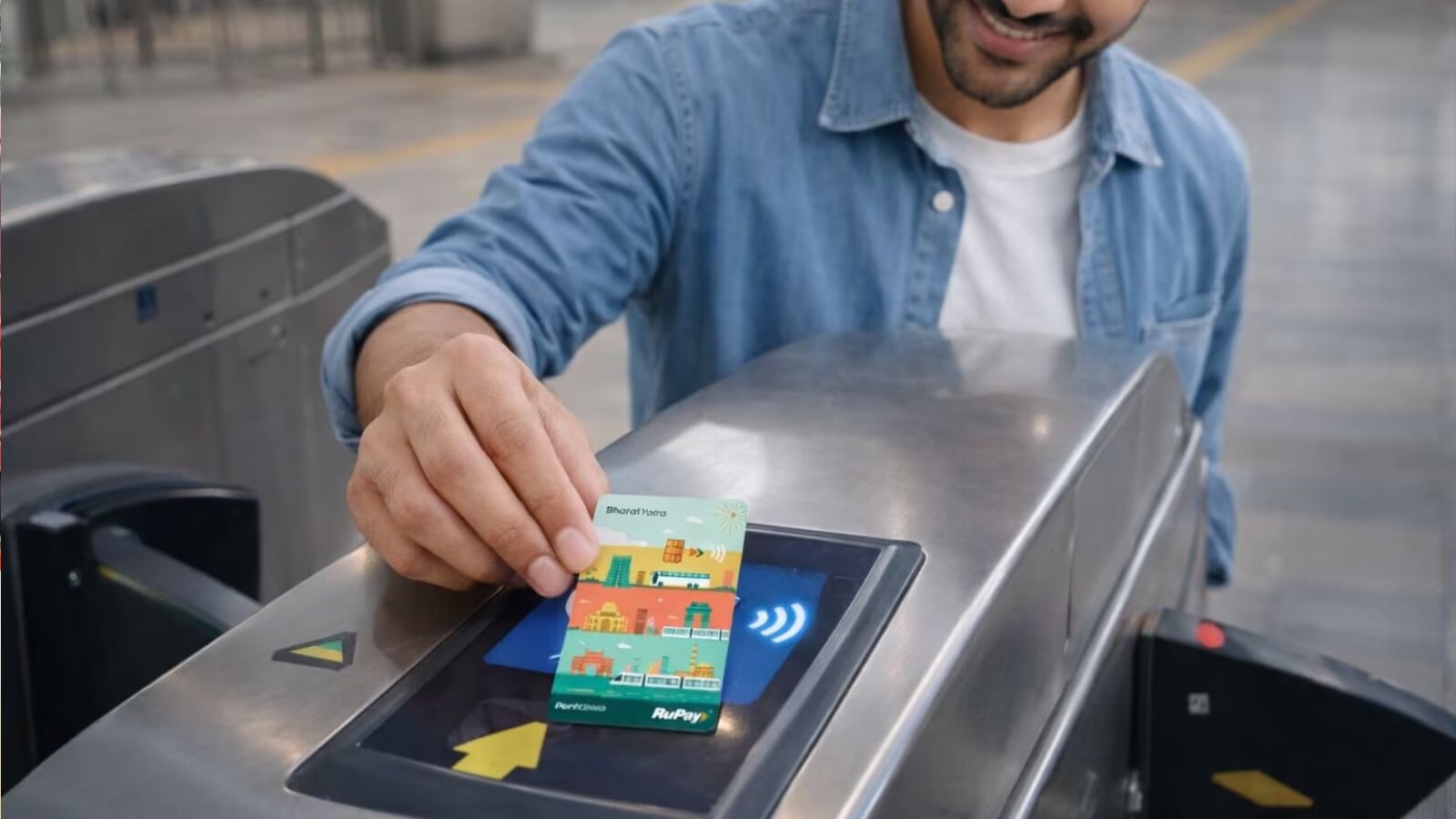
If implemented as planned, the common Metro-RTC pass could eventually become an important link between Hyderabad’s two major public transport networks. For commuters, the real benefit will depend on how the final fare is structured, where the pass can be obtained and whether it can eventually be expanded into a wider common mobility system covering more modes of transport.