Which Hatchback Should You Buy? Compare Price, Features & Mileage
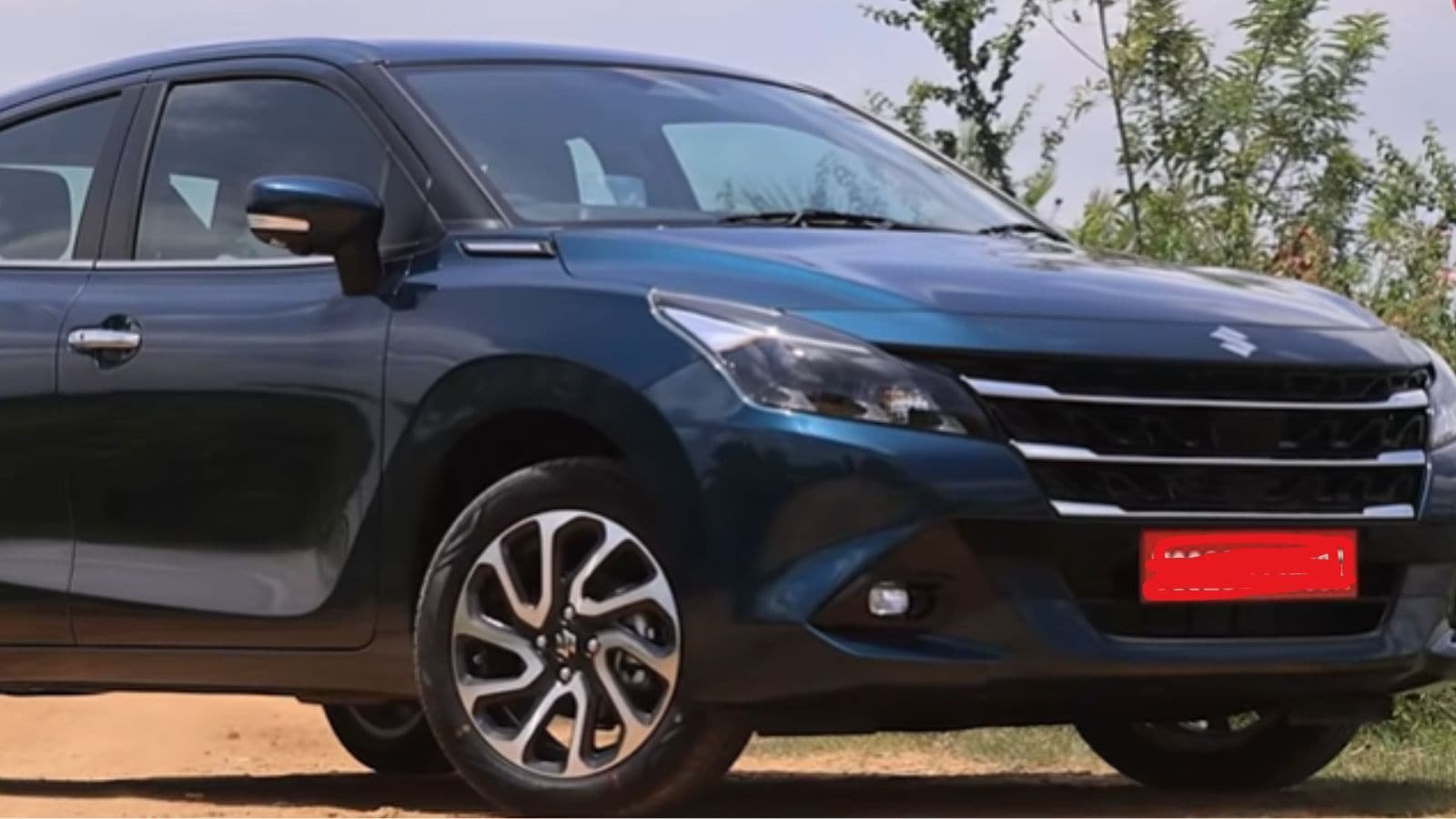
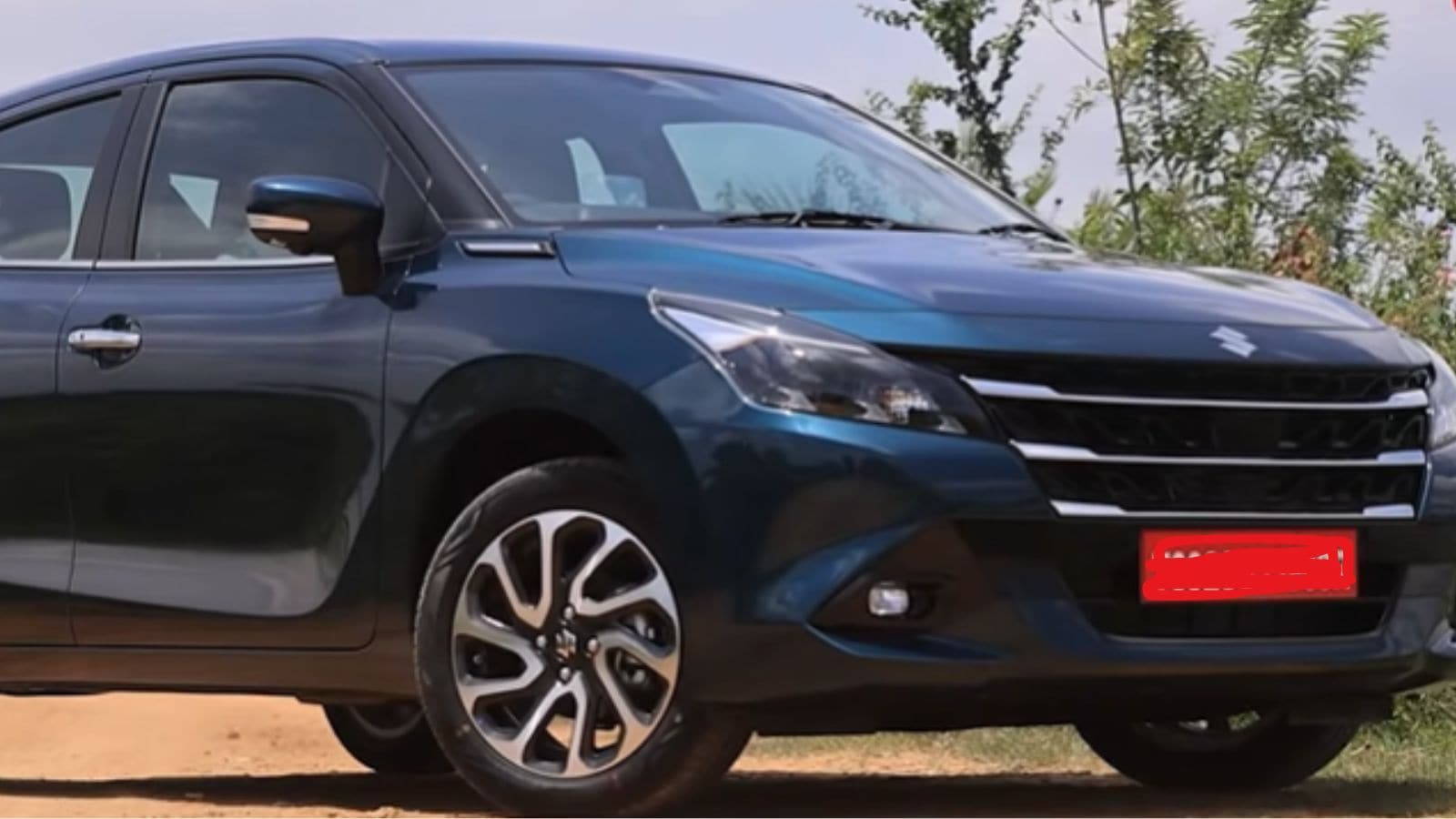
The 2026 Maruti Suzuki Baleno facelift gets a redesigned front profile with a larger grille, LED projector headlamps, a revised bumper and a new Enigmatic Teal colour option, while the rear design remains largely unchanged.
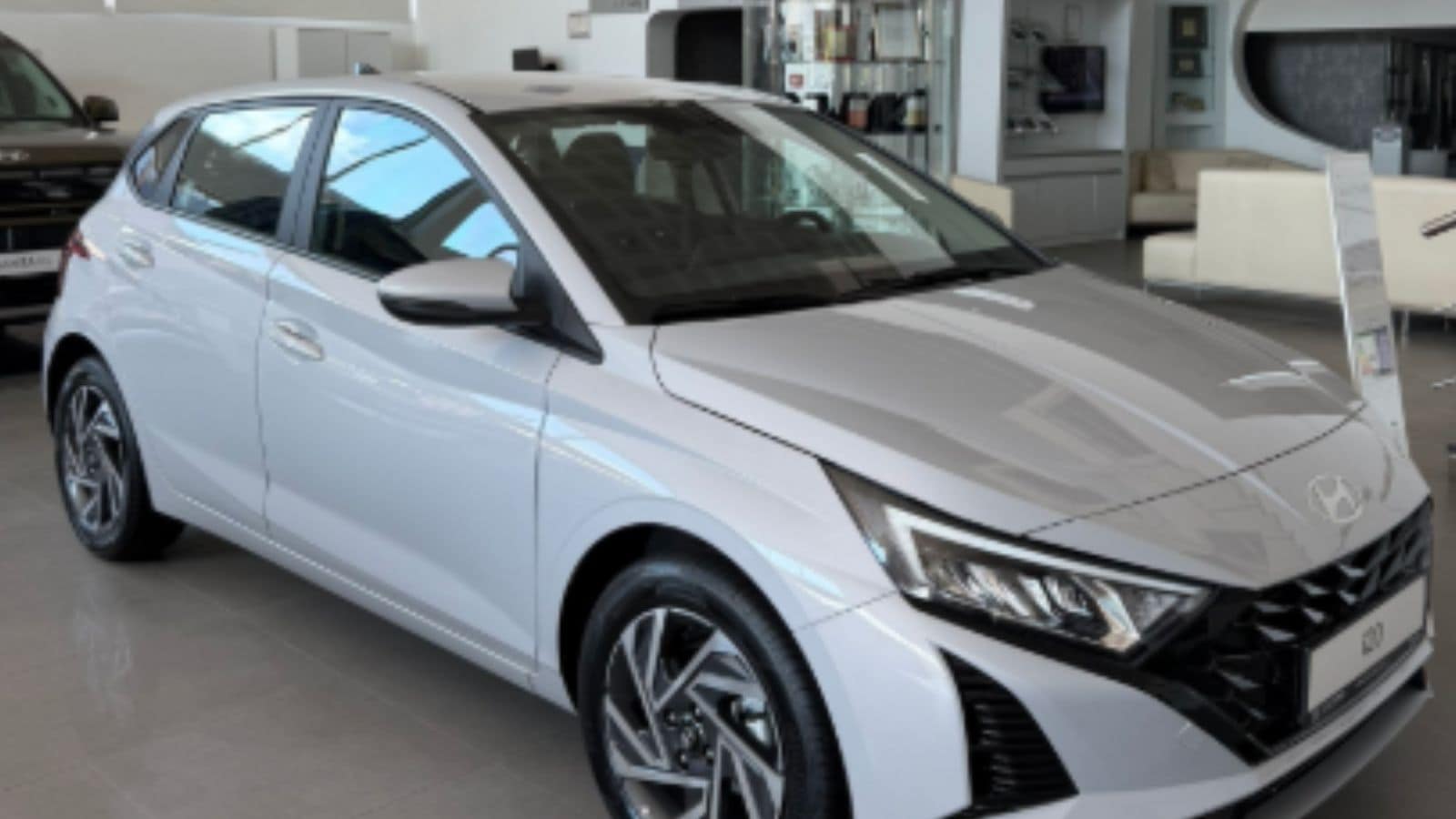
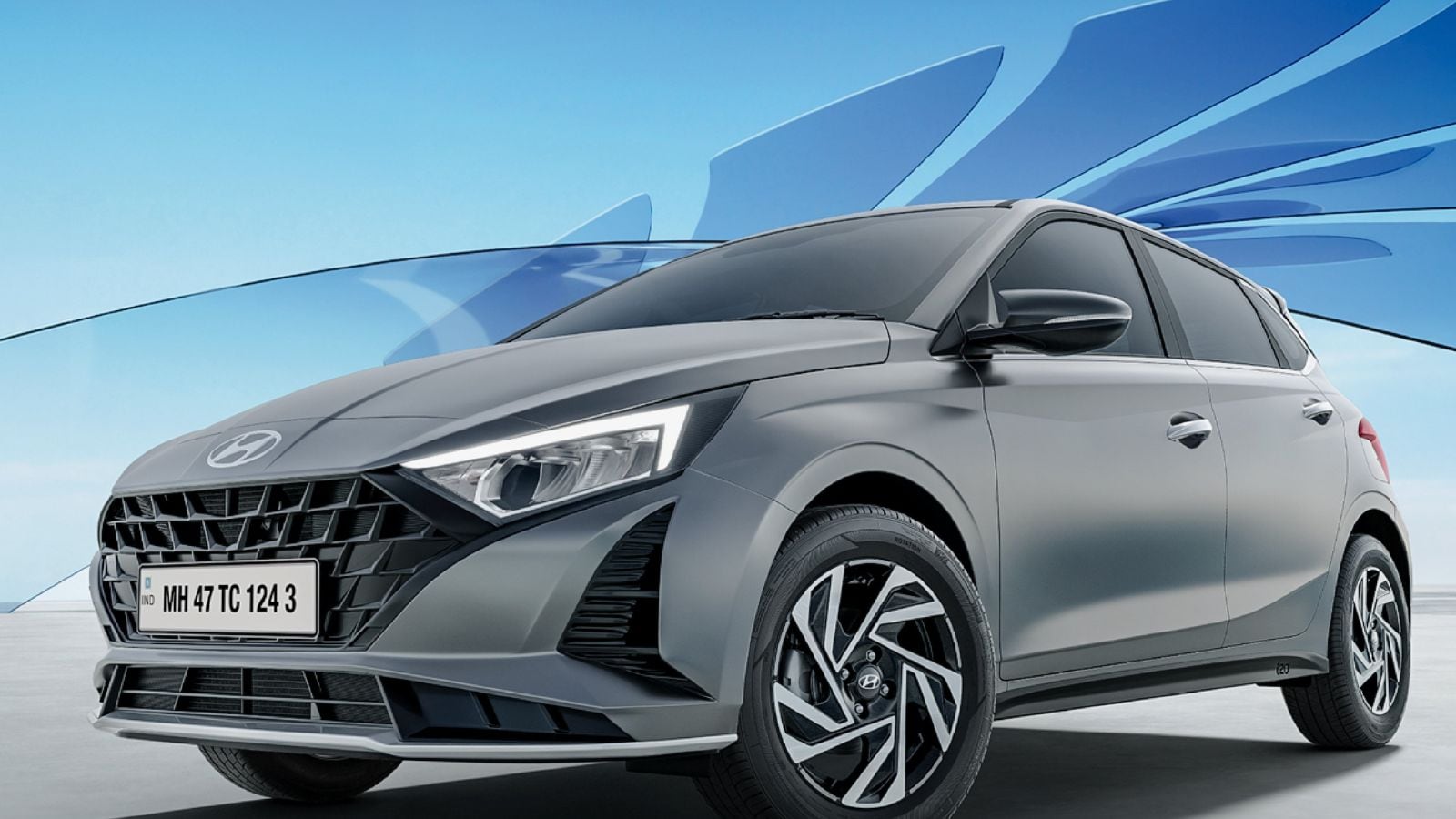
The Hyundai i20 continues with its sportier exterior design, featuring sharp character lines and a more premium appearance. It is also slightly longer and wider than the Maruti Suzuki Baleno, giving it a distinct road presence.
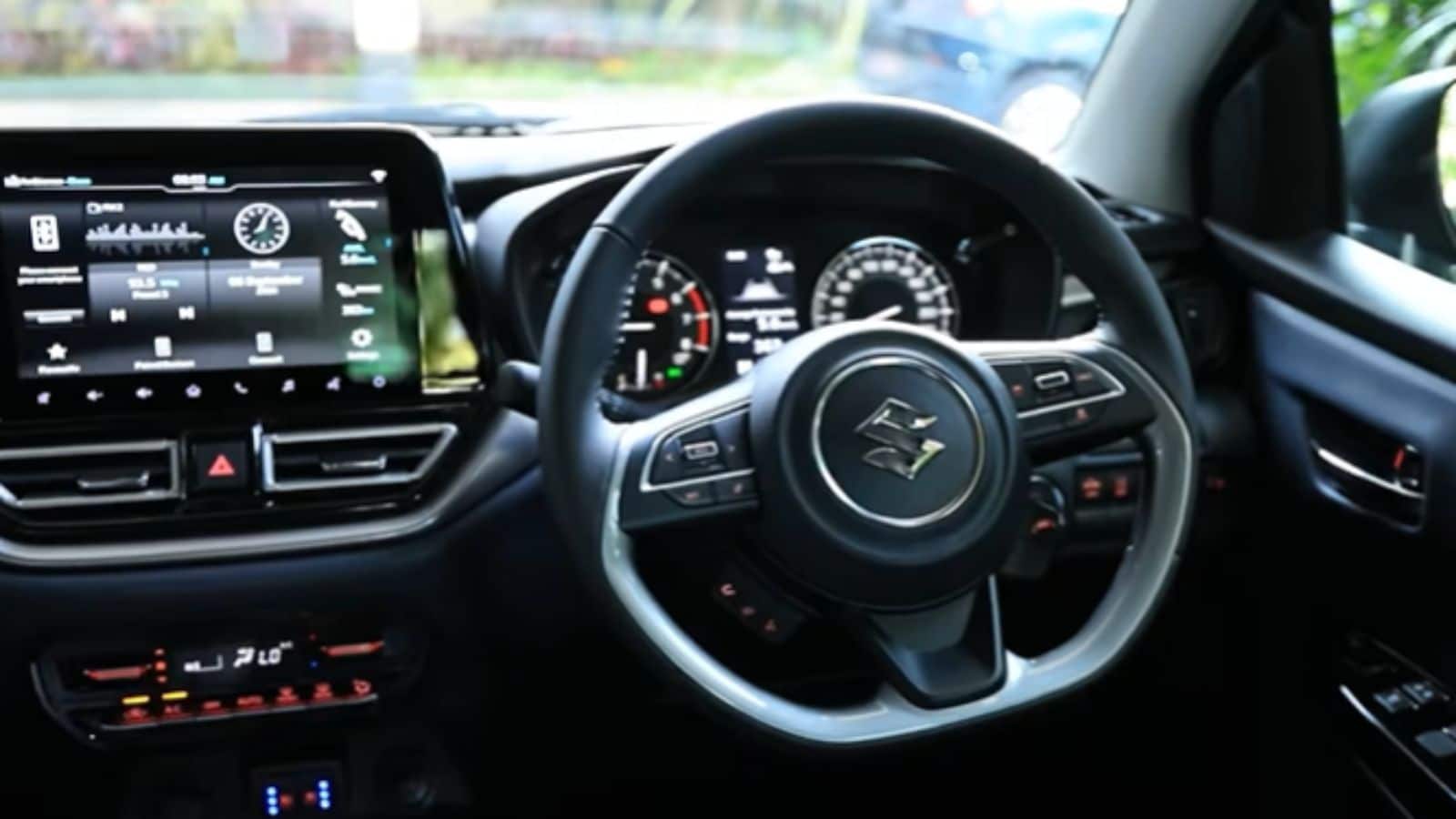
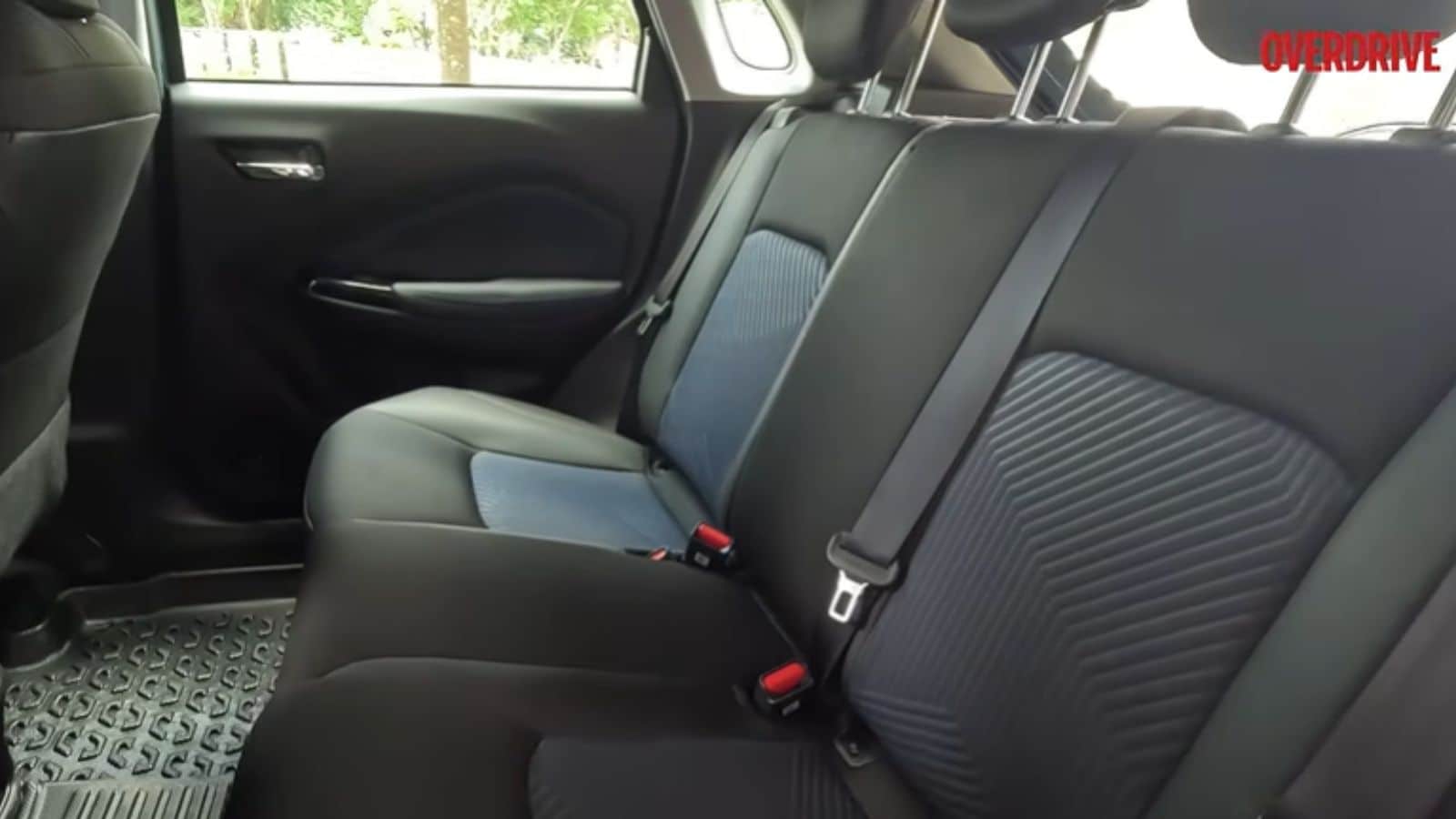
The 2026 Baleno gets a more premium cabin with features such as ventilated leatherette front seats, a 9-inch SmartPlay Pro+ touchscreen, wireless charging and a Clarion audio system, while offering a practical 318-litre boot.
The Hyundai i20 offers a premium-looking cabin with a larger 10.25-inch touchscreen, Bose sound system and higher-quality interior materials. Its longer wheelbase also helps provide better rear-seat legroom.
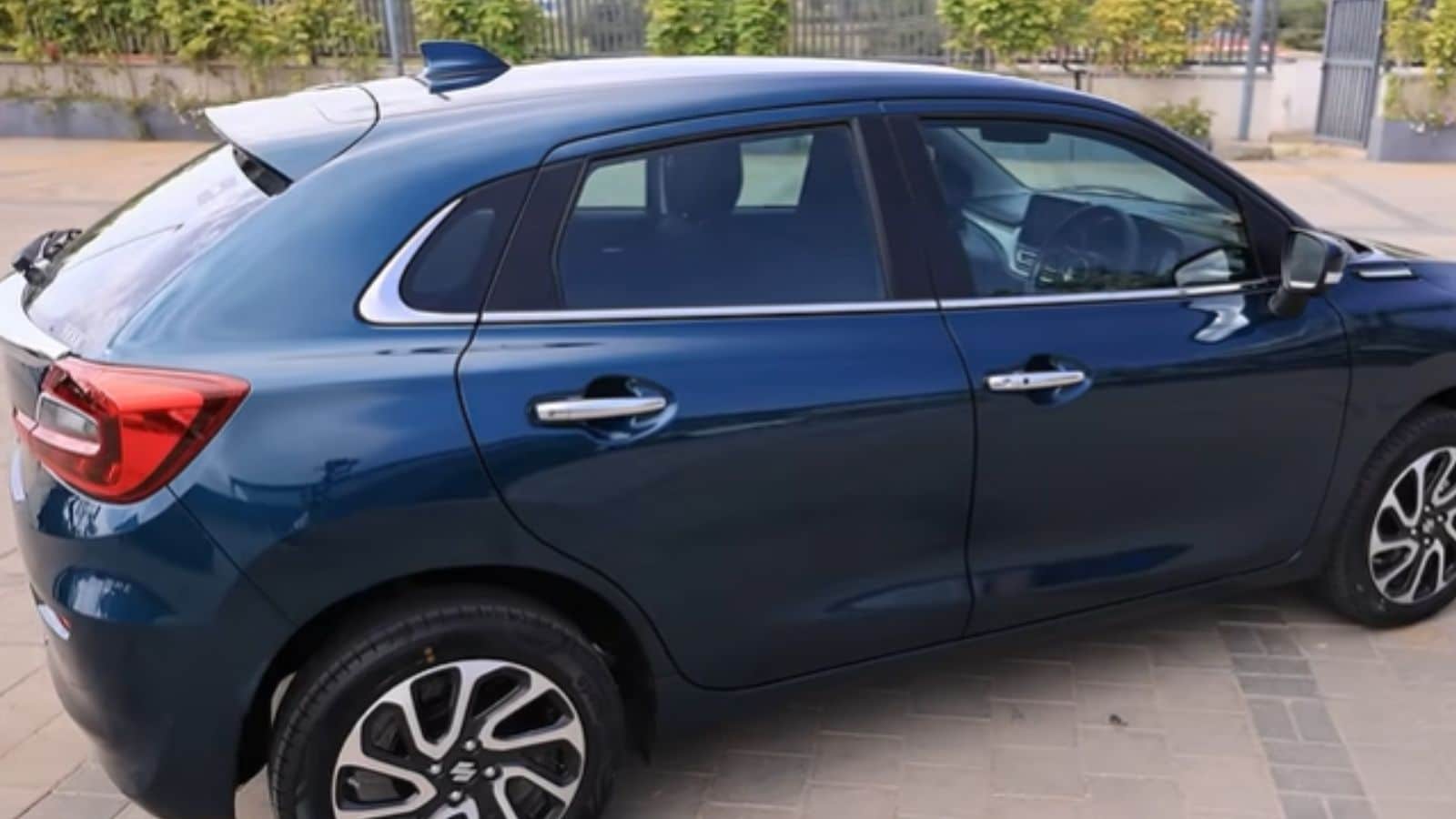
Safety and technology are major highlights of the new Baleno, which gets six airbags, a 360-degree camera, TPMS, head-up display and segment-first Level-2 ADAS features including adaptive cruise control, lane-keep assist and emergency braking.
The 2026 Maruti Suzuki Baleno is powered by a new 1.2-litre three-cylinder Z12E petrol engine producing 83 PS and 112 Nm. Petrol variants offer up to 24.77 kmpl, while the CNG version claims 33.61 km/kg mileage. The Hyundai i20’s petrol engine offers around 16-20 kmpl, depending on the variant and transmission.

The Maruti Suzuki Baleno has an advantage in mileage and running costs, with up to 24.77 kmpl in petrol-AMT and 33.61 km/kg in CNG, compared with around 16-20 kmpl for the Hyundai i20. The i20, however, appeals with its premium cabin, styling and smooth CVT option.