What Makes This Train Different?
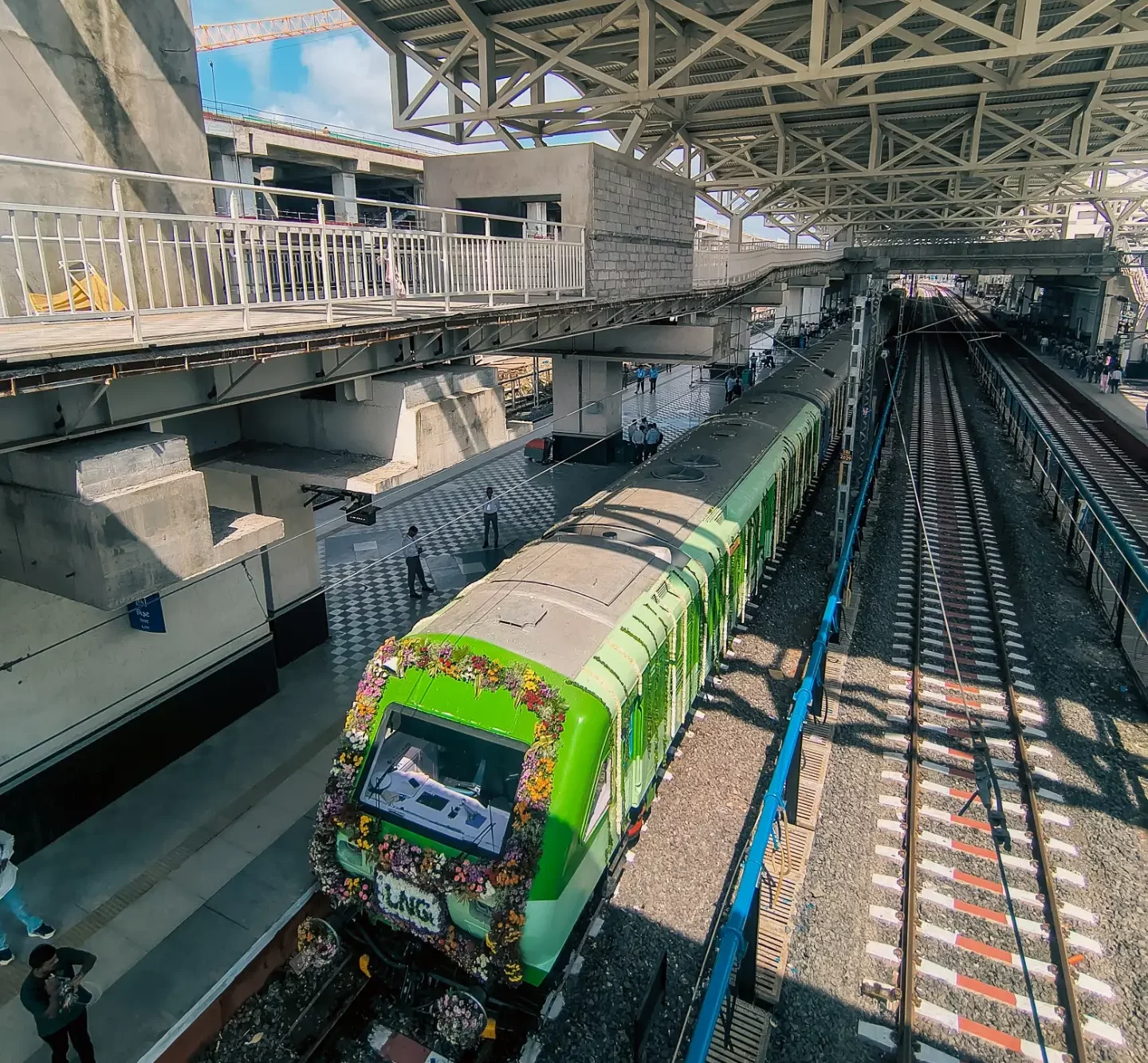
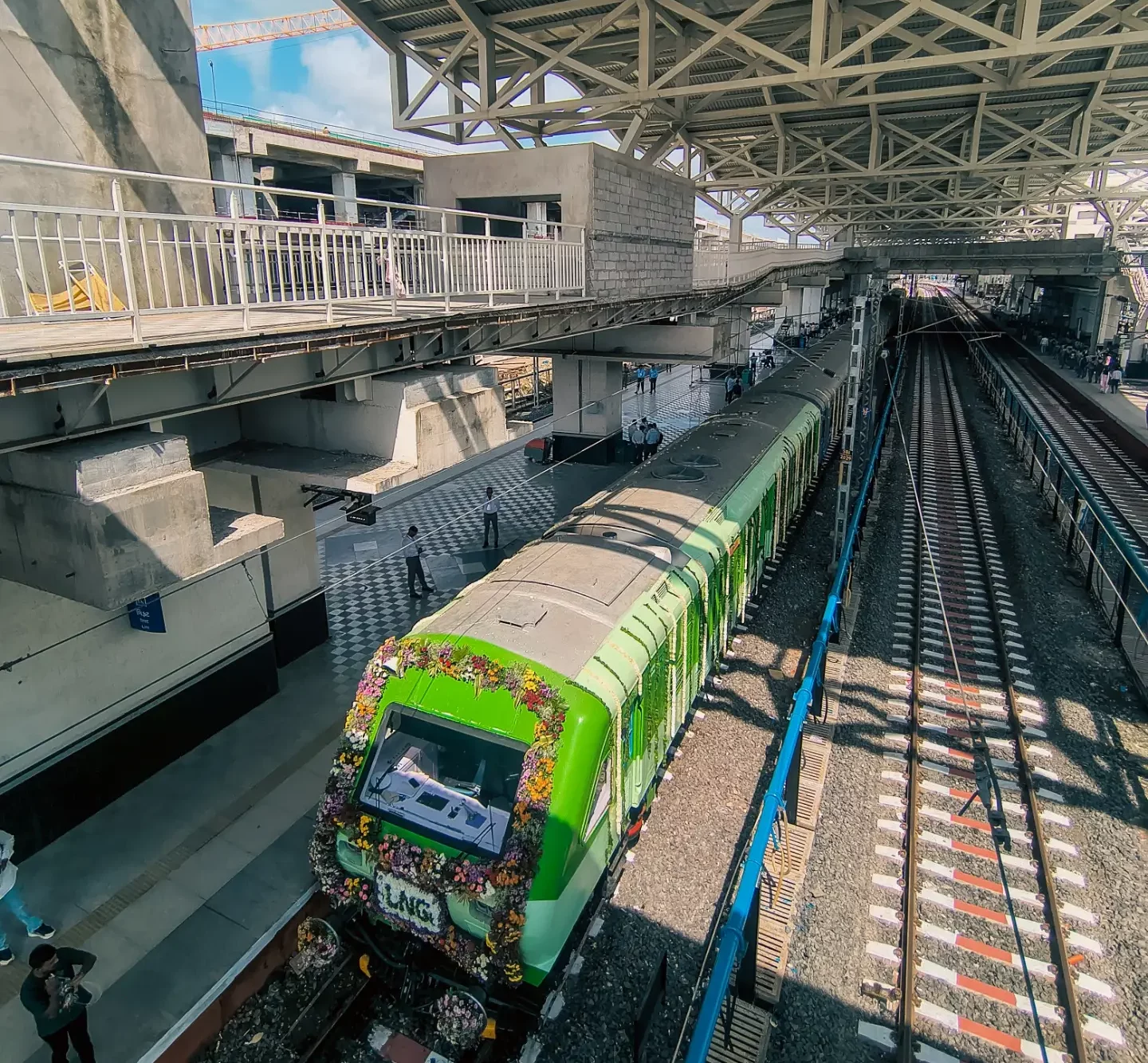
India’s railway network has added another alternative-fuel experiment with the launch of the country’s first LNG-powered train. Flagged off from Sabarmati Railway Station in Ahmedabad on September 27, 2026, the train uses a dual-fuel system that allows it to run on both liquefied natural gas (LNG) and diesel. The initiative comes shortly after India introduced its first hydrogen-powered train and is aimed at reducing diesel consumption and emissions on routes that are not fully electrified. (Image: Instagram/@drm_ahmedabad)
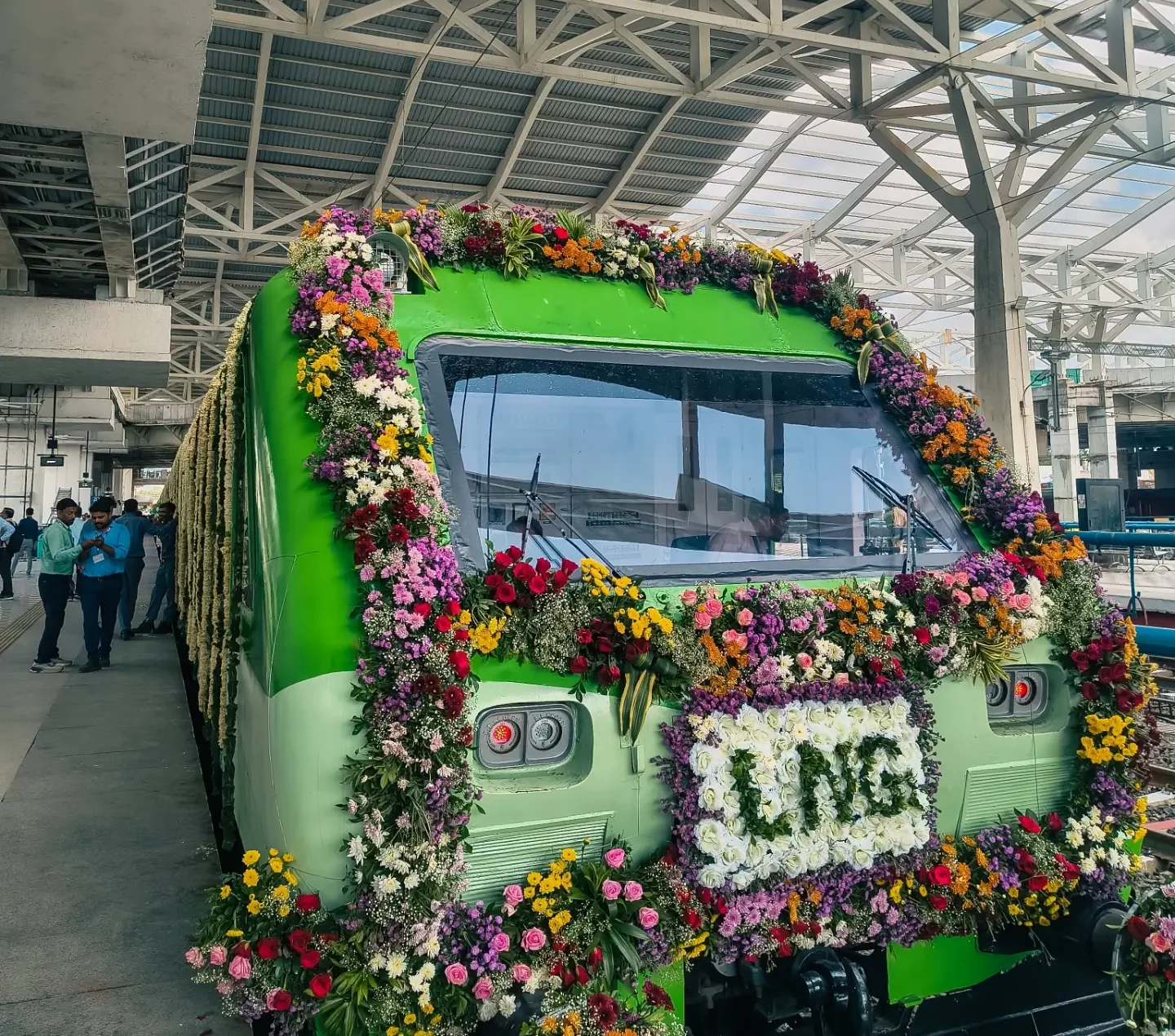
The train was flagged off from Sabarmati in Gujarat and is based on an eight-coach DEMU configuration. It was developed using technology that allows the train’s existing diesel-based power system to use LNG as an alternative fuel. (Image: Instagram/@drm_ahmedabad)
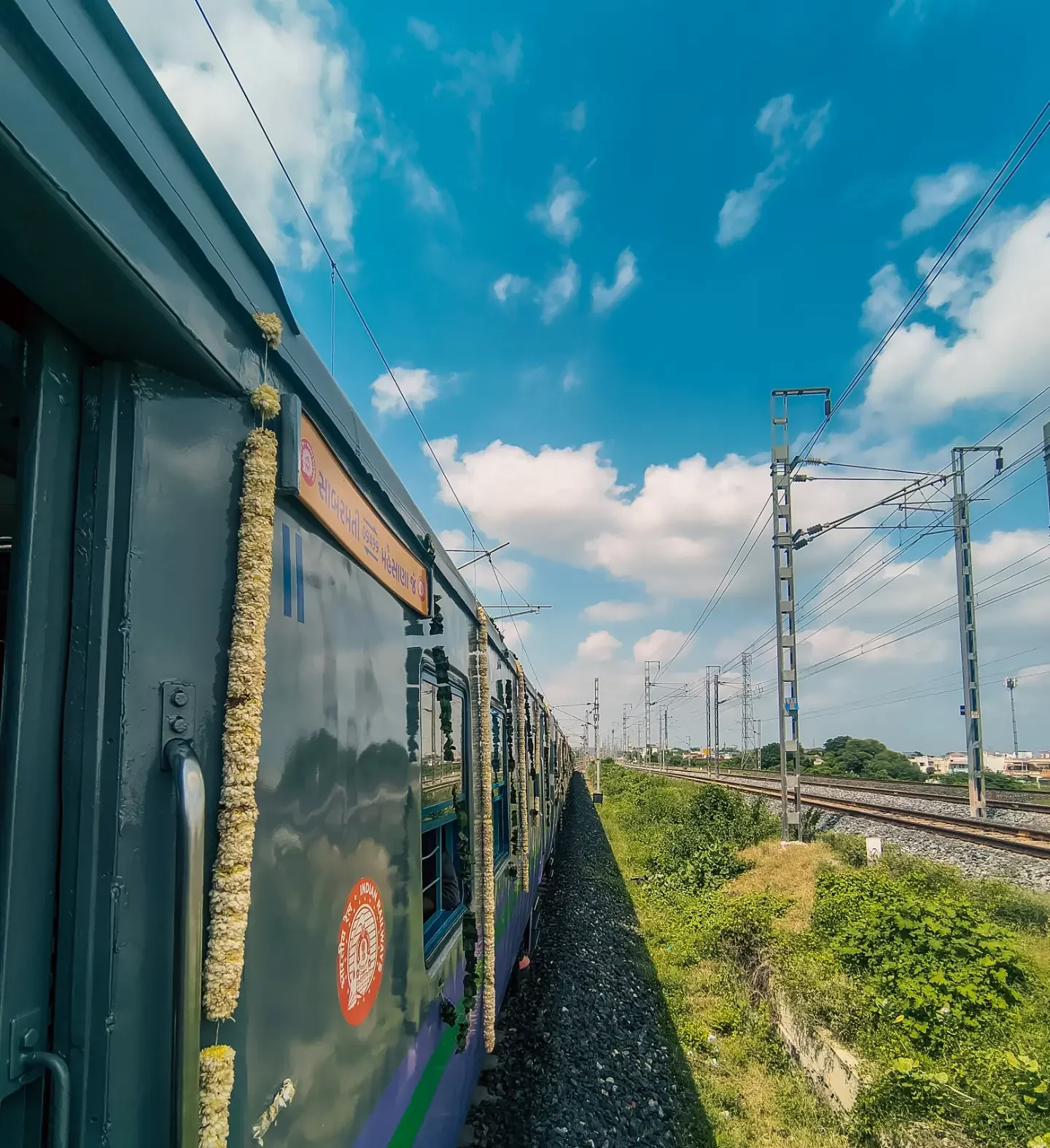
Despite being called an LNG-powered train, it is actually a dual-fuel train. Its engines can use both LNG and diesel. This means the train does not have to depend entirely on LNG and can switch to diesel depending on operating requirements and fuel availability. (Image: Instagram/@drm_ahmedabad)

The train uses two 1,400-horsepower Driving Power Cars (DPCs) that have been converted to operate with the LNG-diesel system. The conversion allows LNG to be used without removing the diesel capability, while retaining the power and operational characteristics of the engines. Each DPC has an LNG tank with a capacity of around 2,200 litres. The insulated tanks are designed to store LNG at extremely low temperatures, since liquefied natural gas is kept in cryogenic conditions. Reportedly, the LNG storage can support approximately 444 km of operation under the specified operating conditions. (Image: Instagram/@drm_ahmedabad)
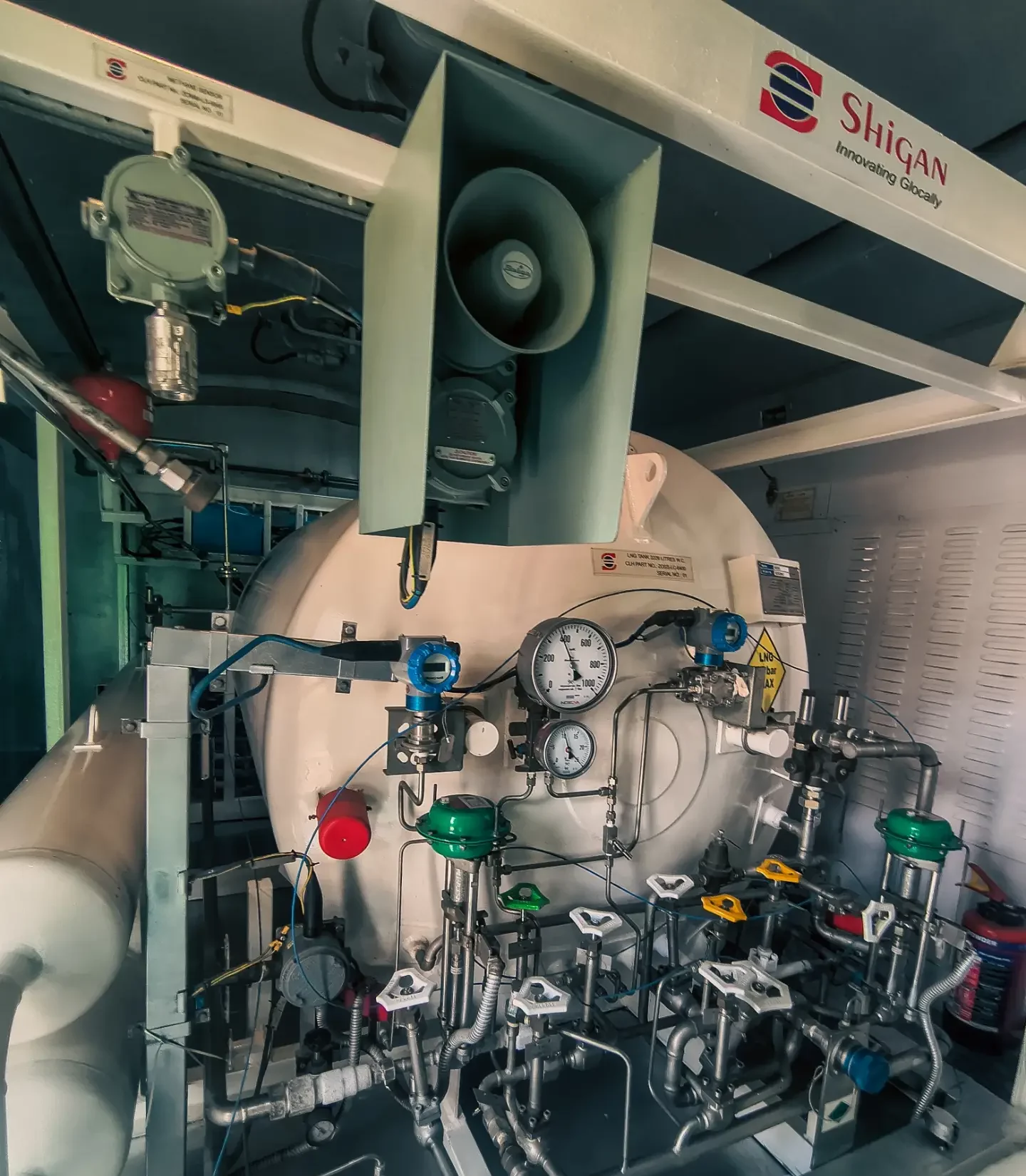
One of the main objectives of the project is to reduce dependence on diesel. The dual-fuel system is expected to replace nearly 40% of diesel consumption in the train’s operations. The shift is also expected to reduce fuel expenditure. (Image: Instagram/@drm_ahmedabad)
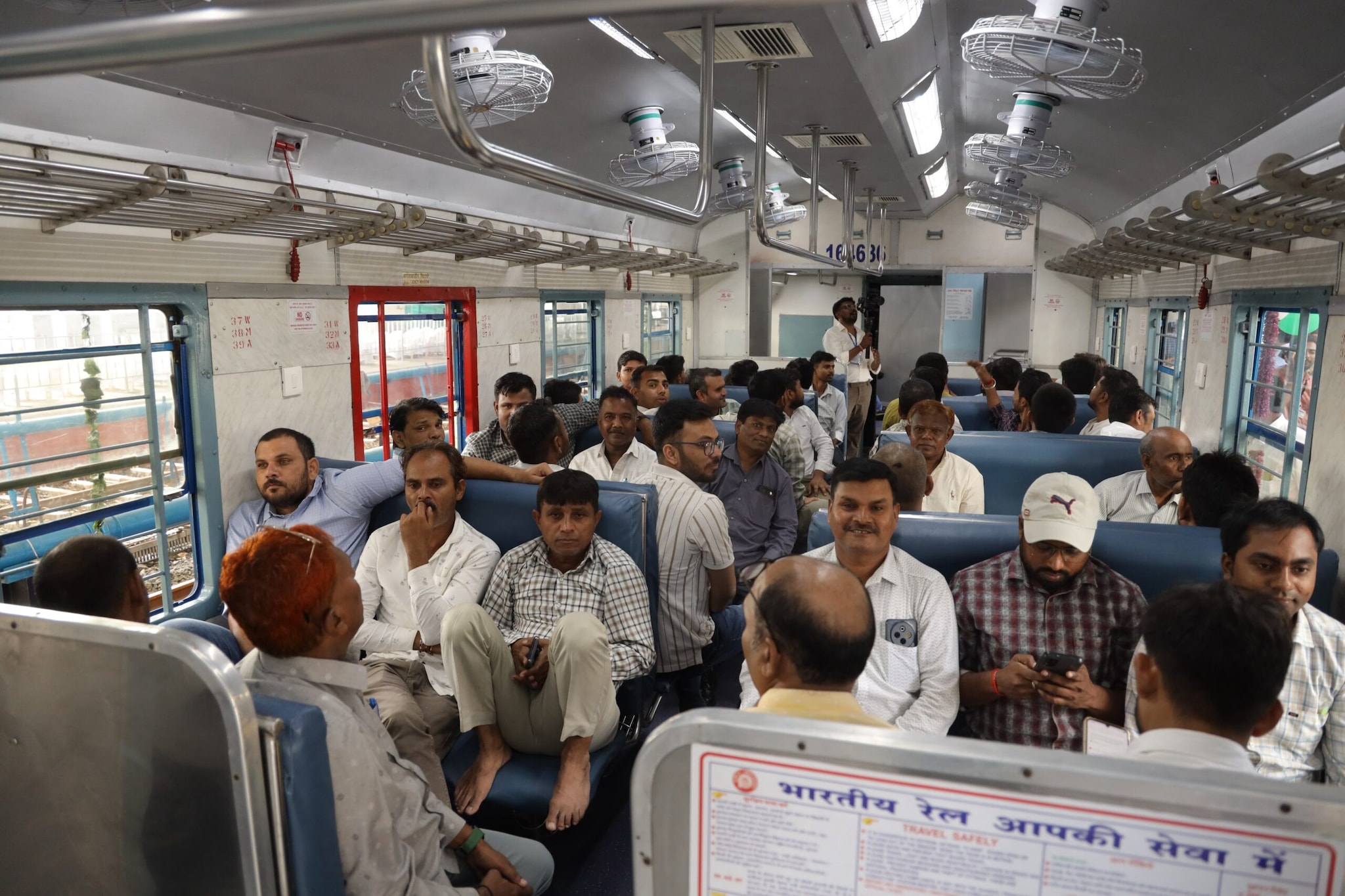
LNG is still a fossil fuel, so an LNG-powered train is not a zero-emission vehicle. However, compared with conventional diesel operation, LNG-based combustion can reduce emissions including particulate matter, nitrogen oxides and carbon dioxide. This is why the technology is being explored as an alternative fuel option for rail operations. (Image: Instagram/@bjpamitshah)
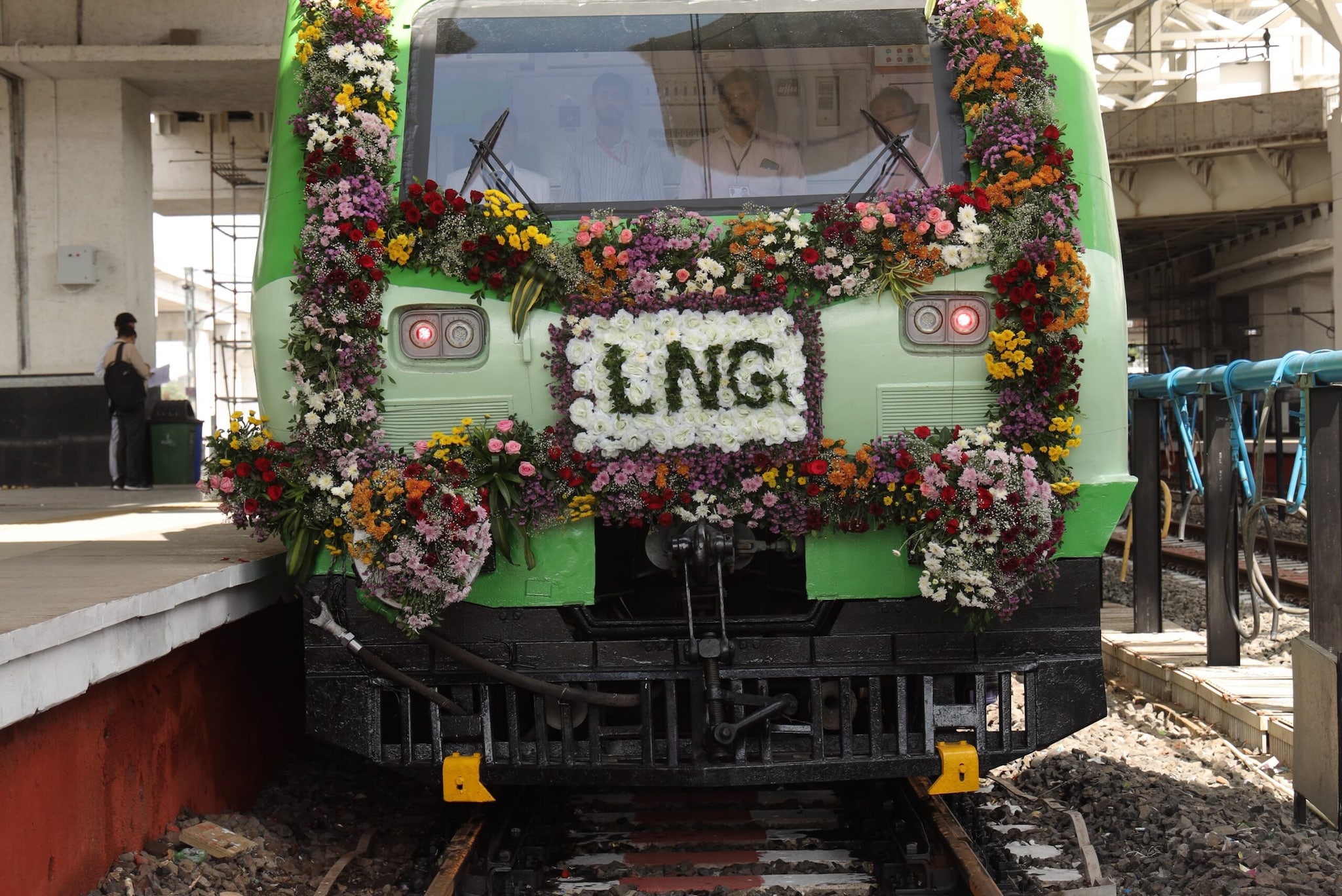
The LNG-diesel train underwent testing before its inaugural operation. Reports said it had completed around 2,000 km of trials, allowing engineers to assess the dual-fuel system before its launch. The inaugural operation was between Sabarmati and Mahesana in Gujarat. (Image: Instagram/@bjpamitshah)