
The New Technology That Will Let Trains Switch Tracks At 320 Kmph
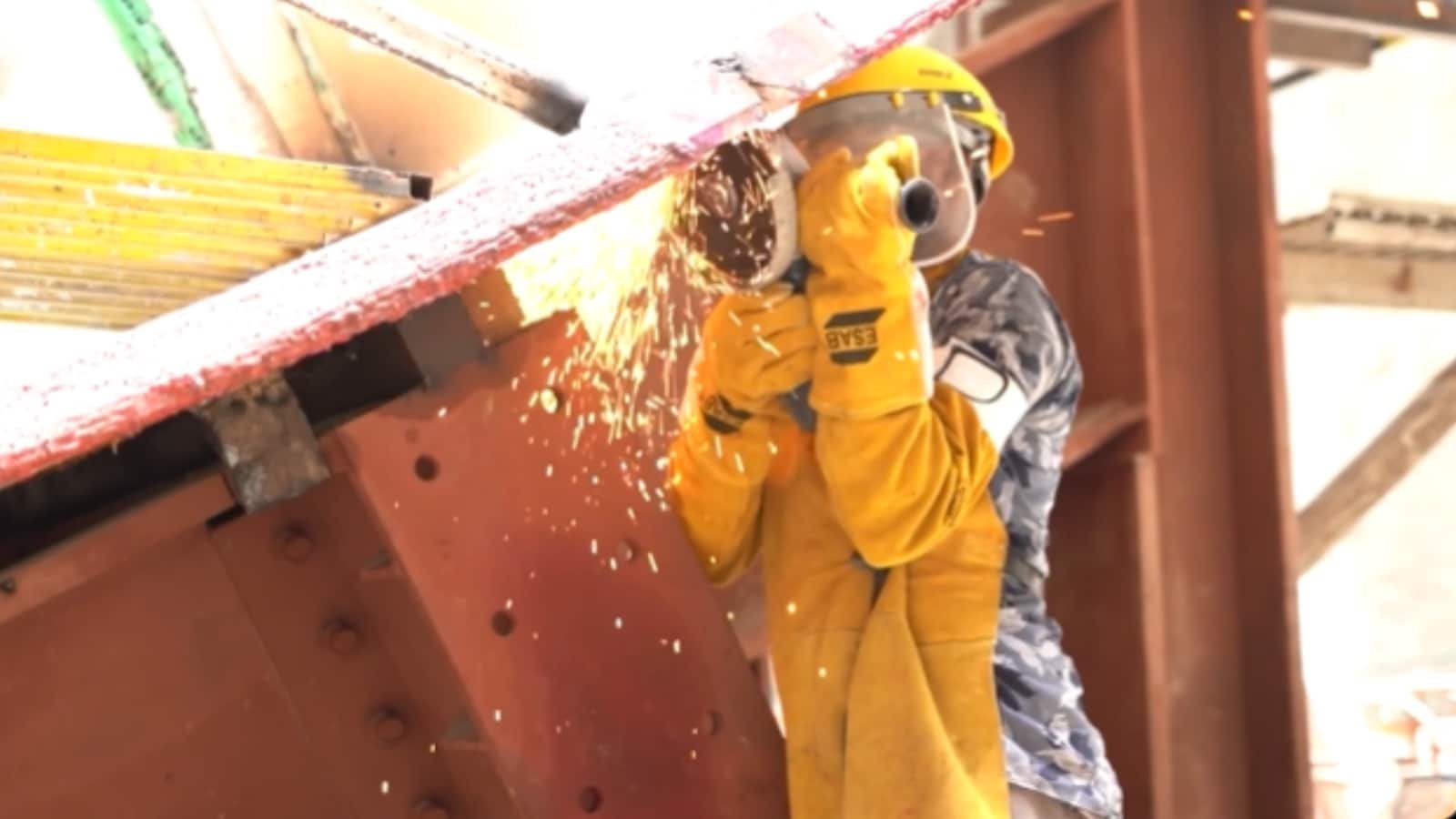
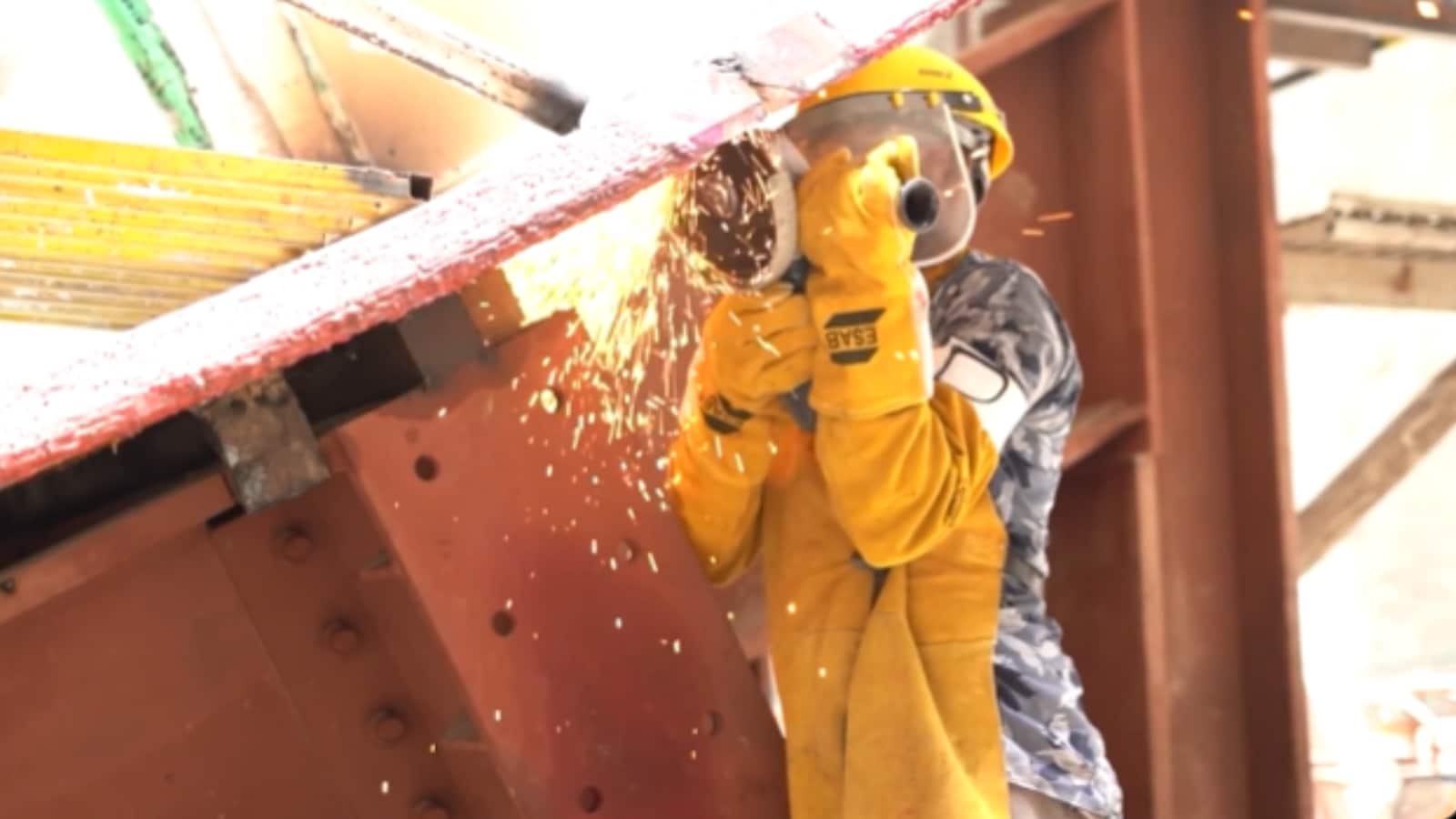
Bullet Train Project Updates: As work accelerates on the Mumbai-Ahmedabad High-Speed Rail corridor, a specialised track-switching system is being introduced to enable bullet trains to switch between tracks while meeting the stringent safety requirements of high-speed operations. Deployed by the National High-Speed Rail Corporation Limited (NHSRCL), the technology replaces conventional fixed crossings with movable or swing-nose crossings, as reported by The Indian Express. (X/@nhsrcl)
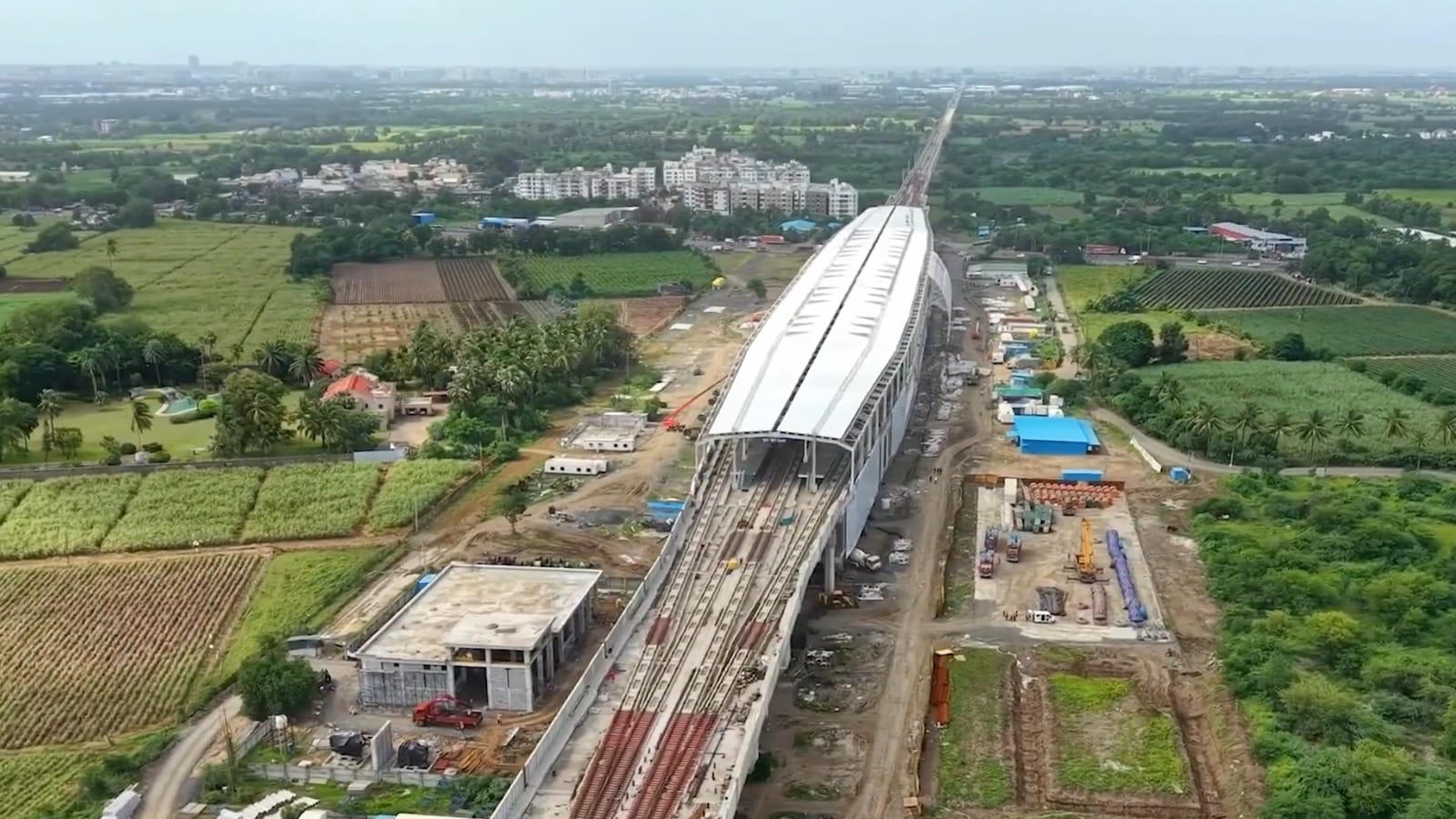
The system is designed to provide a more continuous running surface for the wheels as a train passes through a turnout, reducing the impact and vibration associated with conventional track crossings. The Mumbai-Ahmedabad corridor is being developed for trains capable of operating at speeds of up to 320 kmph, making precise track positioning and locking critical to safe operations. (X/@nhsrcl)
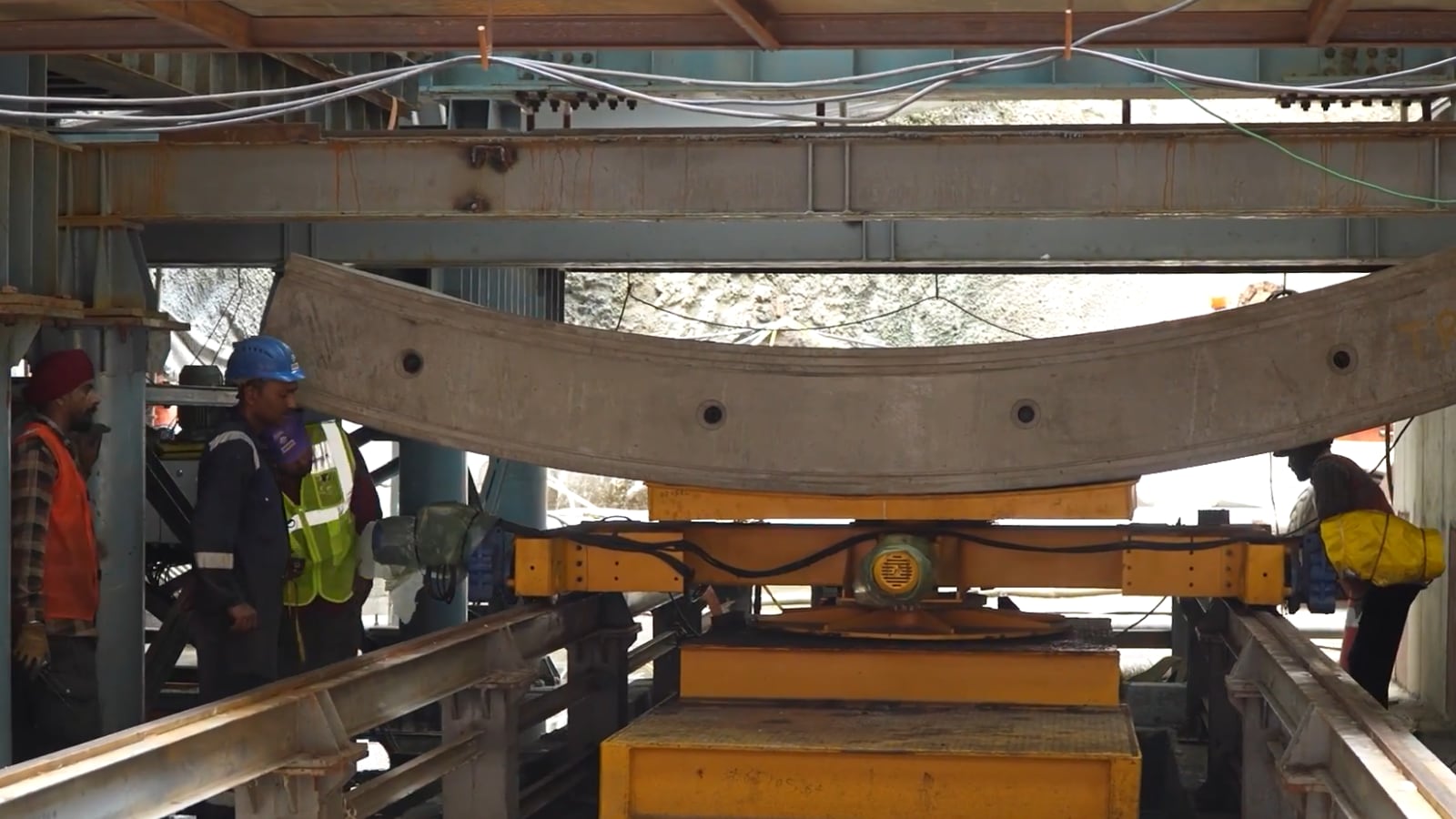
How Will A Bullet Train Change Tracks At High Speed? On conventional railway lines, a train changes tracks through a turnout, where two tracks converge and diverge. A conventional fixed crossing contains a gap at the crossing nose that the wheel has to pass over. At higher speeds, such interruptions in the running surface can generate additional dynamic forces, vibration and wear on both the track and rolling stock. The Mumbai-Ahmedabad High-Speed Rail project will instead use a movable crossing. (X/@nhsrcl)
In this arrangement, the crossing nose physically moves along with the switch rails, creating a more continuous path for the wheels. NHSRCL has described the technology as a first for the Indian railway network and said it is being introduced to meet the requirements of safe and reliable operation at design speeds of up to 320 kmph. (X/@nhsrcl)
What Is A Movable Or Swing-Nose Crossing? A swing-nose crossing is designed to eliminate the conventional gap at the crossing point. When a route is set, the movable crossing shifts into the required position and aligns with the switch rails. This provides continuous wheel guidance through the turnout instead of requiring the wheel to bridge the gap found in a conventional fixed crossing. (X/@nhsrcl)
The arrangement is expected to reduce dynamic impact and vibration, while also helping limit wear on rails, wheels and other components. For passengers, the main benefit could be a smoother transition when the train moves from one track to another, although most of the technology will remain beneath or alongside the track and will not be visible during a journey. (X/@nhsrcl)
Why Does The Turnout Need Two Point Machines? The high-speed turnouts on the corridor use two point machines, rather than relying on a single mechanism. The first point machine moves and locks the switch rails. The second operates and locks the movable crossing itself. Both components have to reach their designated positions and be securely locked before the signalling system can permit a train to pass through the turnout. This creates an additional layer of control for a system in which even small deviations in track position can have significant consequences at high speeds. (X/@RailMinIndia)
What Happens If The Track Is Not Properly Set? The turnout is connected to the railway’s signalling and interlocking system, which checks whether the different components are correctly positioned and locked. The system monitors the position of the switch rails and movable crossing, as well as their locking status. The route cannot be cleared for a train unless the required conditions are confirmed. In other words, the train is not simply relying on the physical movement of the track. The signalling system must also receive confirmation that the turnout has reached the correct position and is securely locked. This multi-layered detection is particularly important on a high-speed railway, where trains are designed to operate at speeds of up to 320 kmph. (X/@RailMinIndia)
How Is The MAHSR System Different From A Conventional Turnout? The key difference lies in what happens at the crossing point. A conventional fixed crossing has a discontinuity in the running surface, requiring the wheel to pass across a gap. The movable crossing on the Mumbai-Ahmedabad corridor is designed to physically move into alignment, providing a more continuous surface. This difference is intended to reduce dynamic impact, vibration and component wear, while maintaining precise wheel guidance through the turnout. The system also relies on two independently operated point machines and multiple position and locking checks before the route can be released. (X/@nhsrcl)
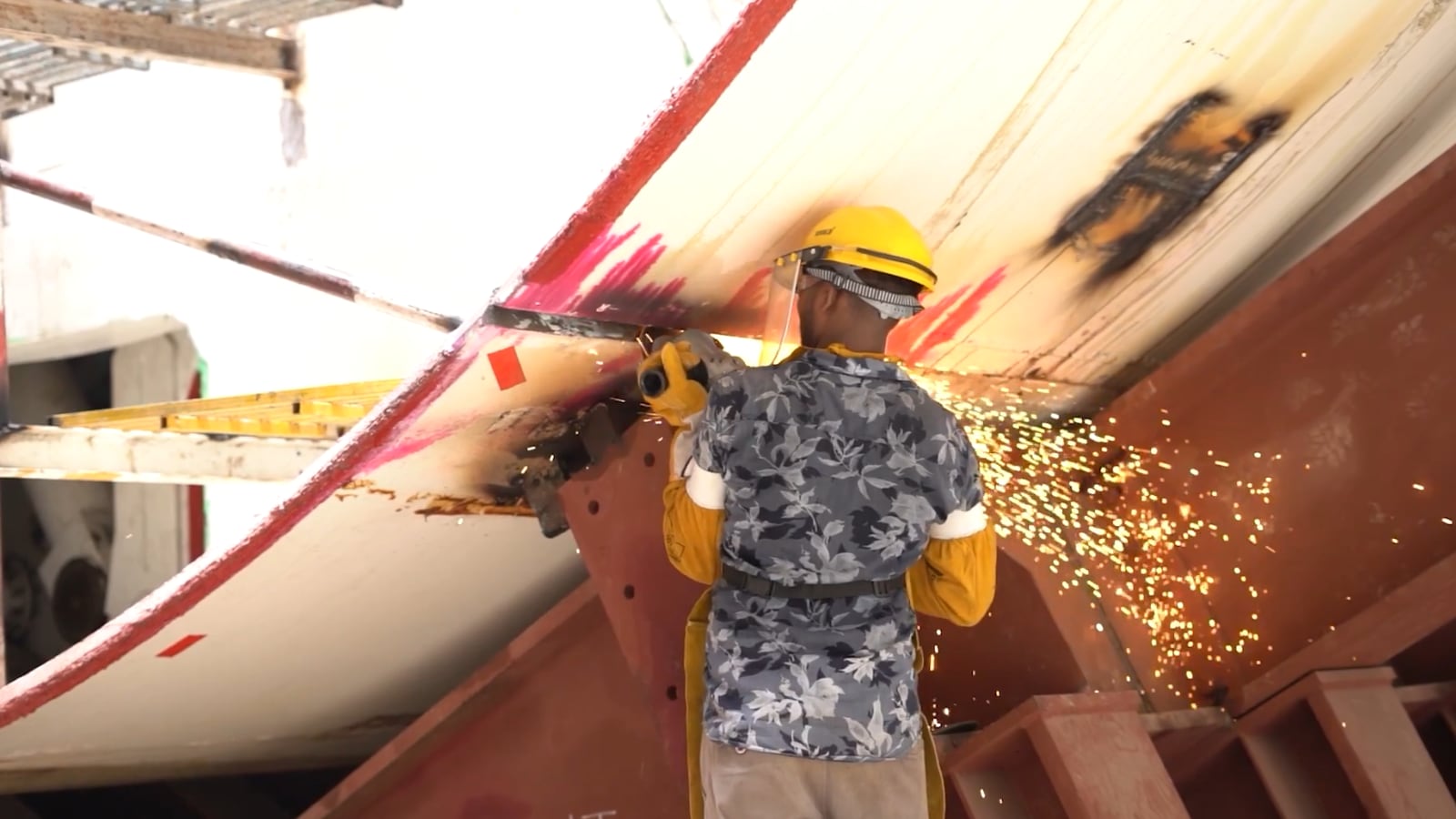
What Safety Checks Are Carried Out? The high-speed turnout system undergoes several stages of verification before a train is allowed to pass. These include checking whether the switch rails and movable swing-nose crossing have reached their intended positions, with the crossing monitored independently. The system also verifies that all relevant components are securely locked. The signalling and interlocking system clears the route only after confirming that the required positions and locking conditions have been met. This combination of mechanical locking, detection and signalling is intended to prevent a train from being authorised through a turnout if the track has not been correctly set. (X/@nhsrcl)
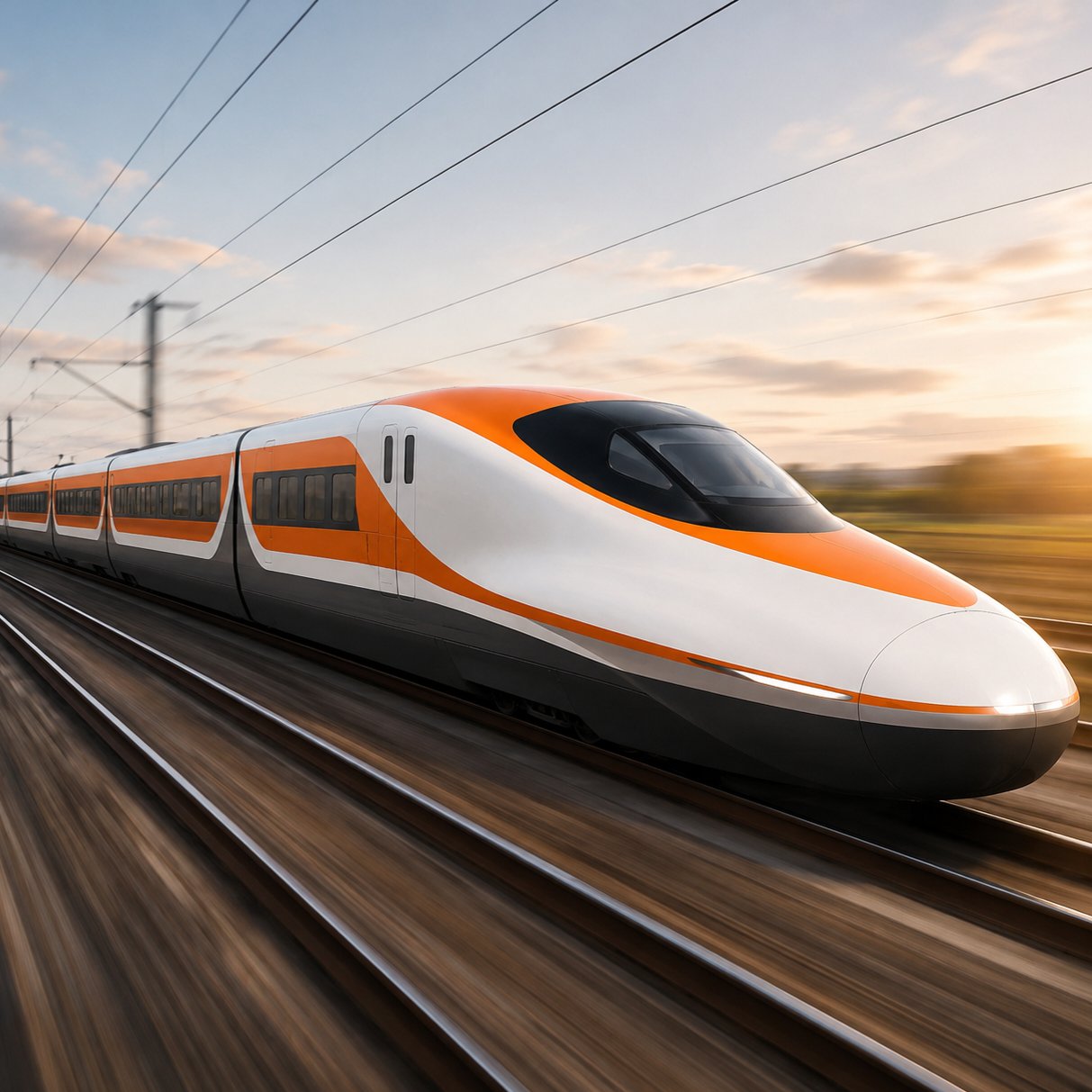
What Does The Technology Mean For Passengers? Passengers are unlikely to notice the individual components of the system, but they are designed to influence the quality and safety of the journey. A continuous running surface through the crossing can reduce the impact and vibration experienced when a train changes tracks. Lower dynamic forces can also help reduce wear on track and rolling-stock components. For a railway designed to operate at up to 320 kmph, maintaining precise track geometry and reliable turnout operation is therefore an important part of overall system performance.
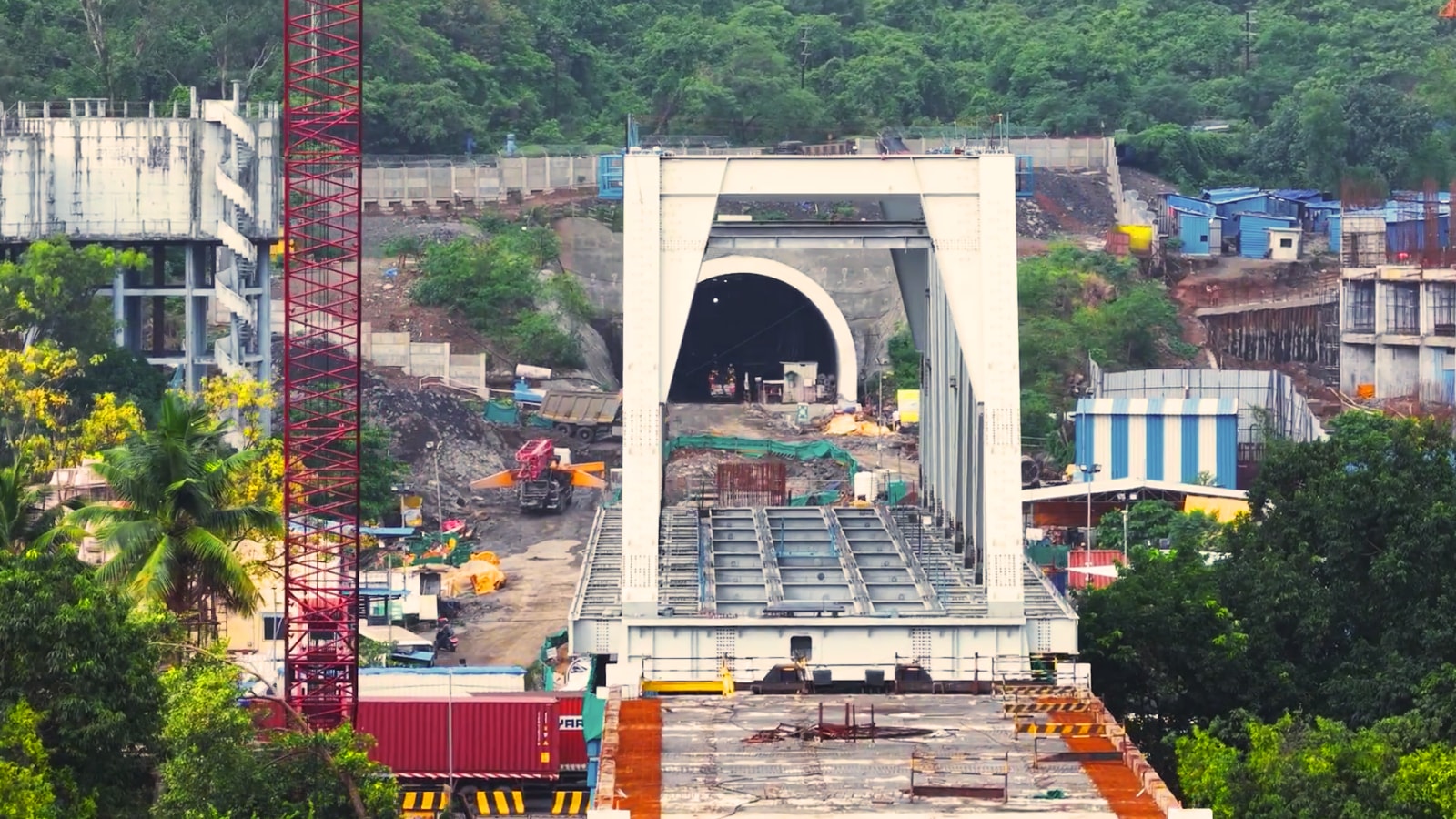
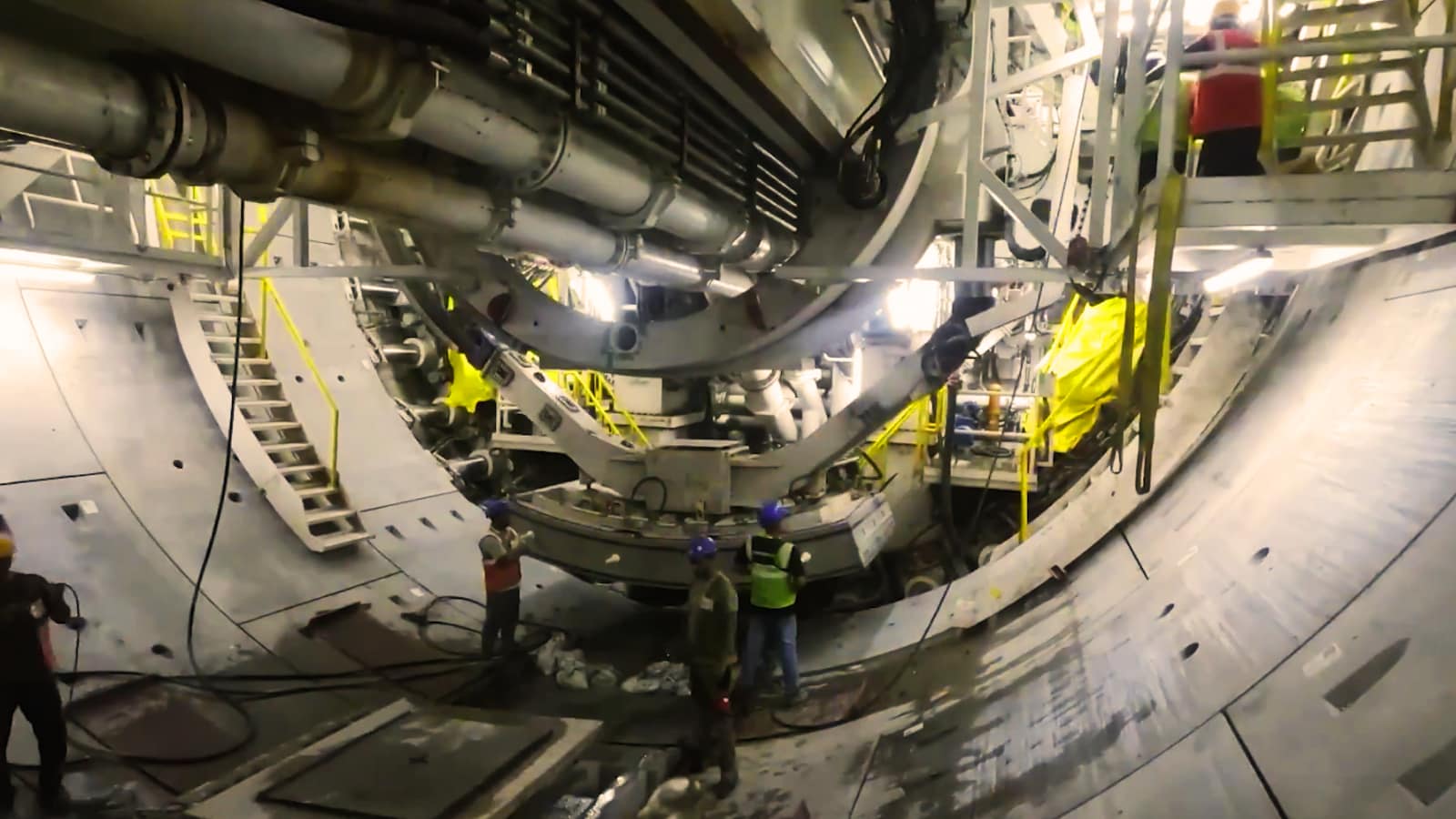
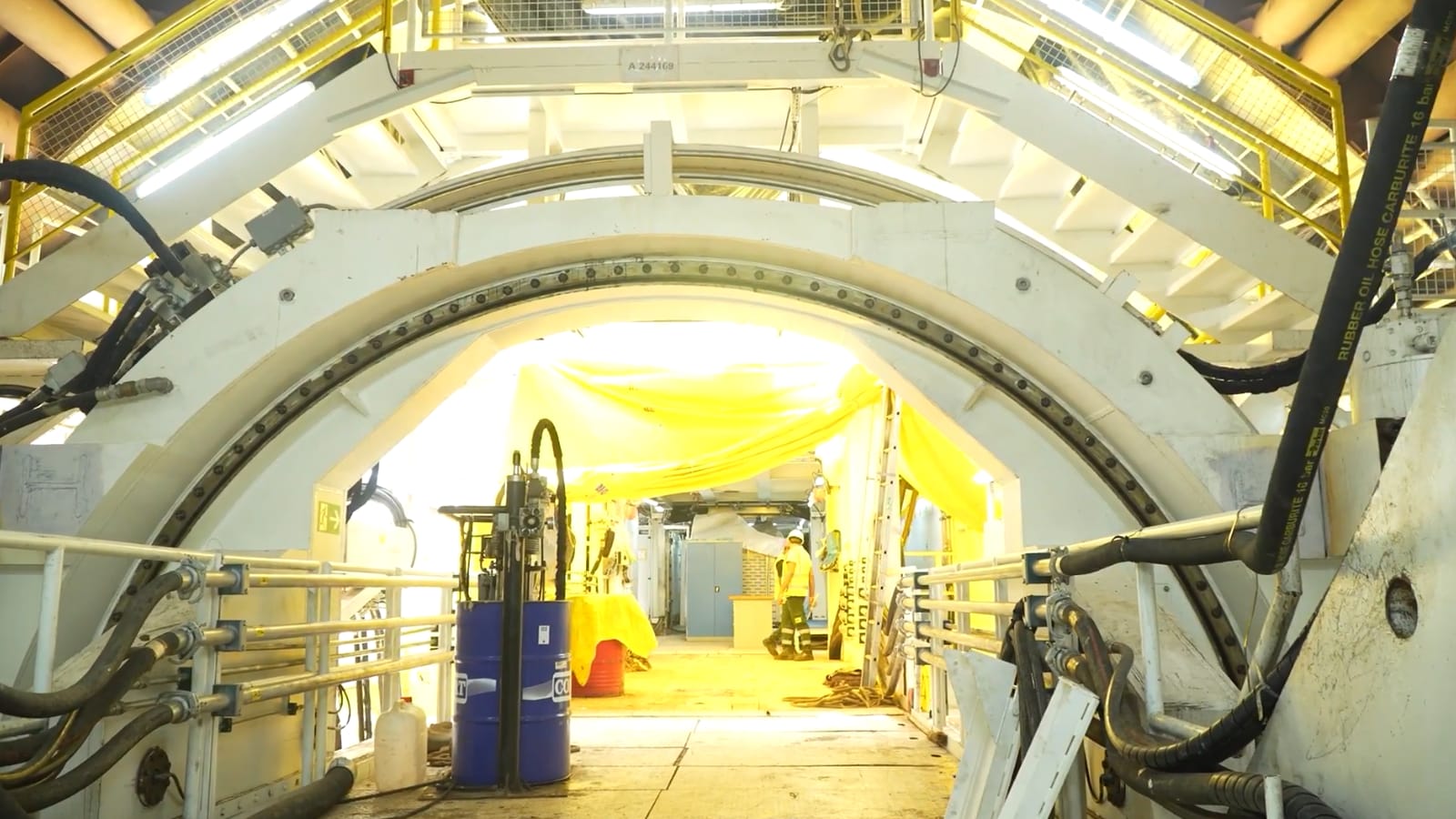
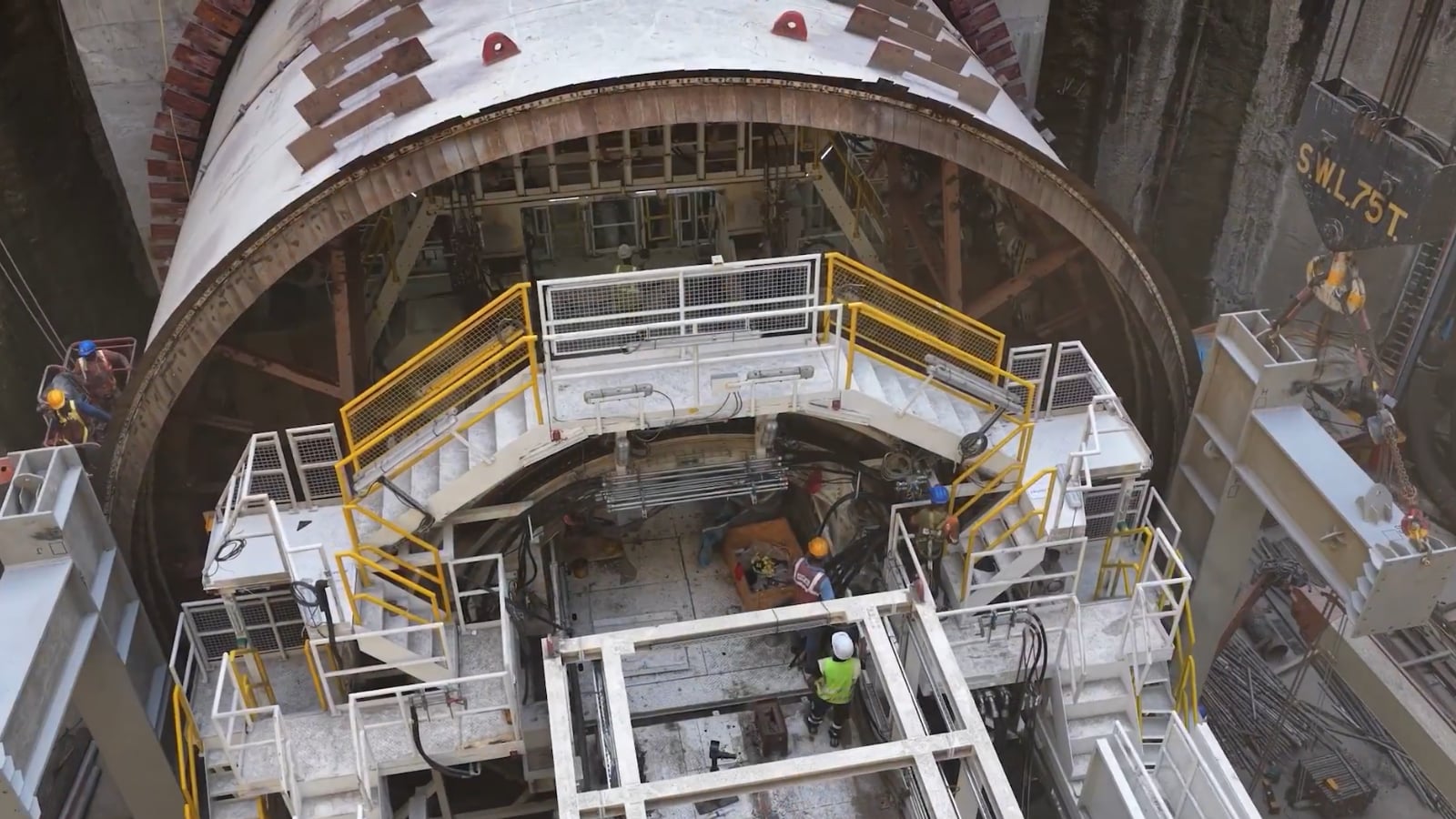
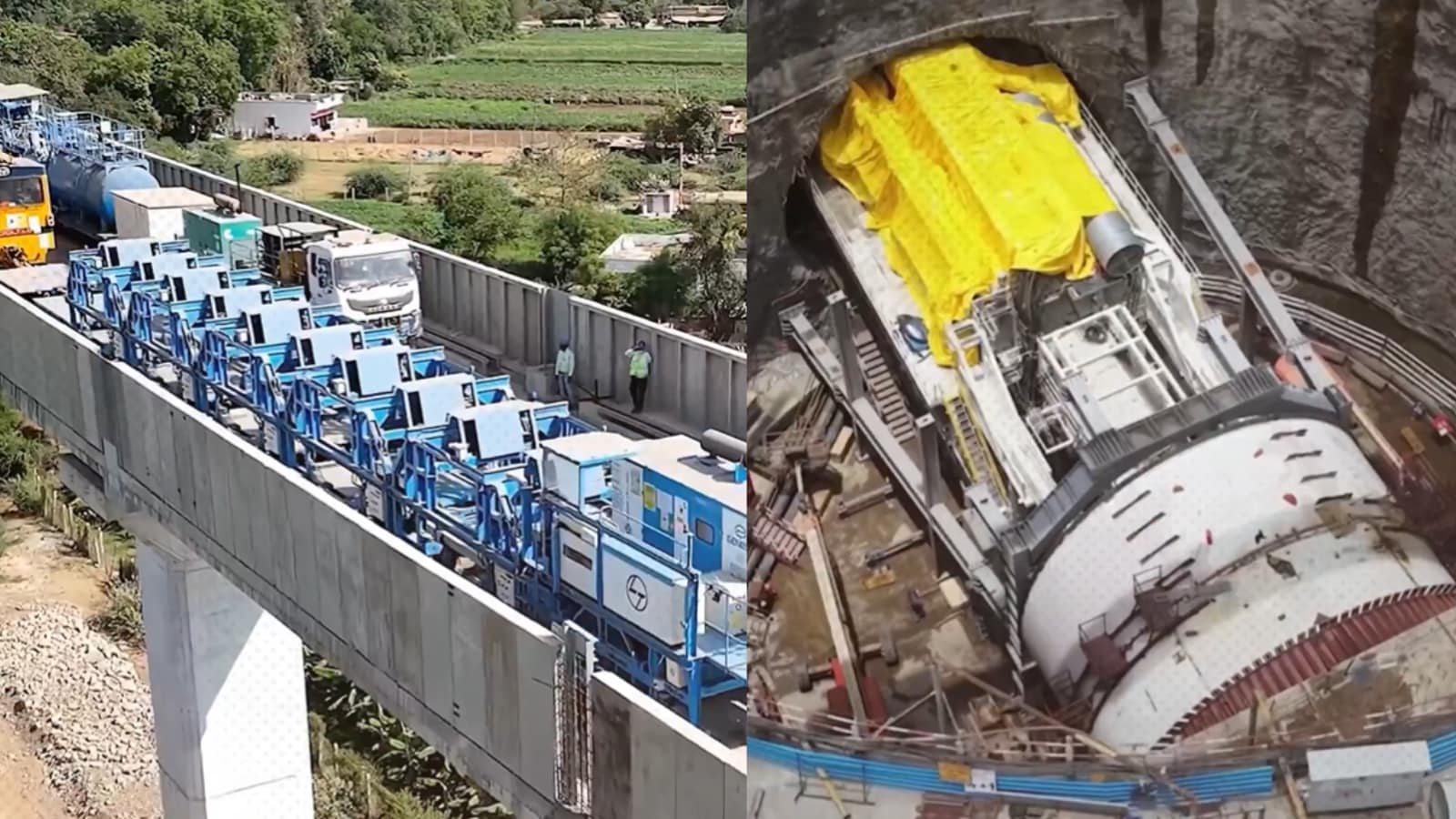
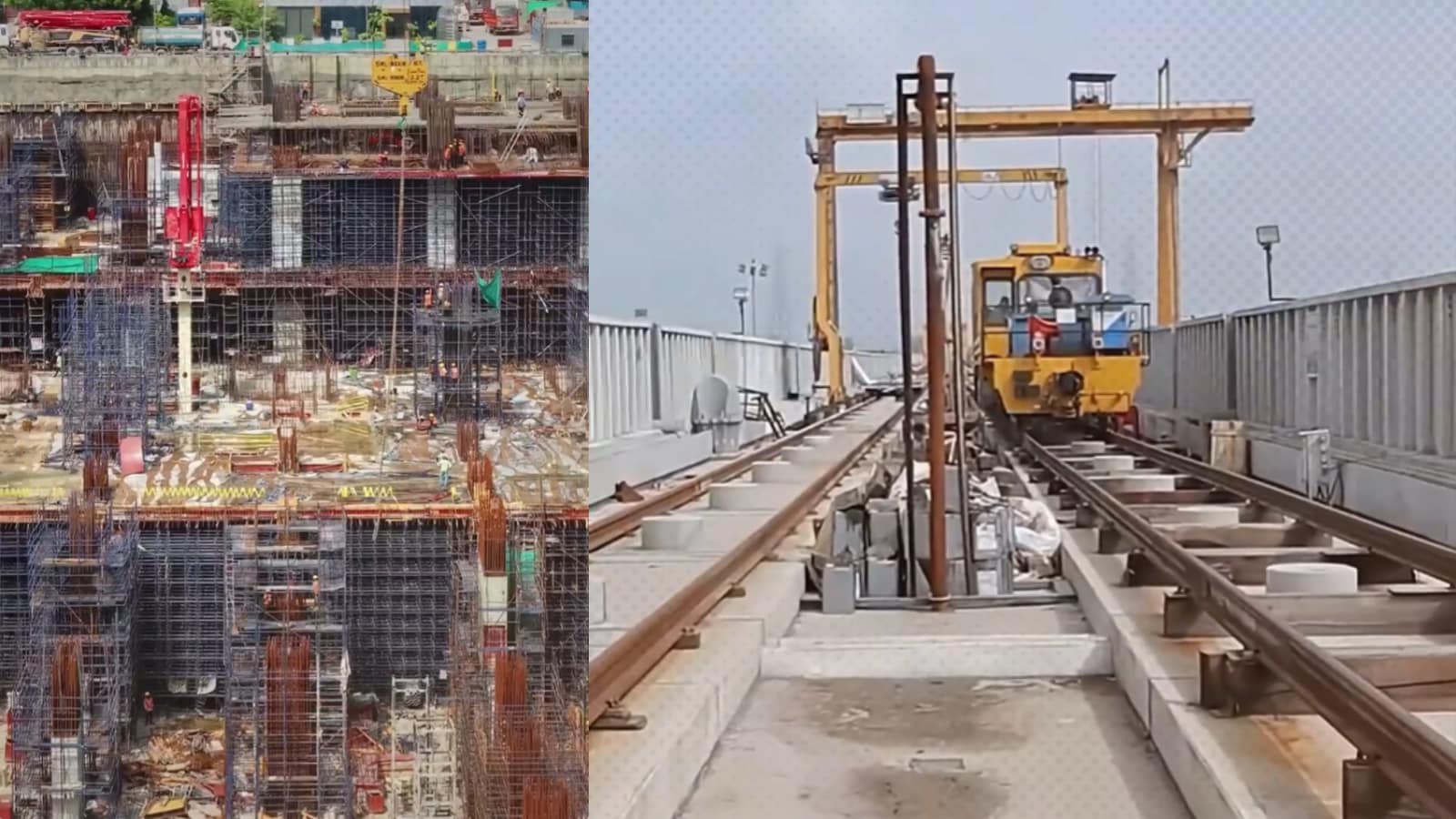
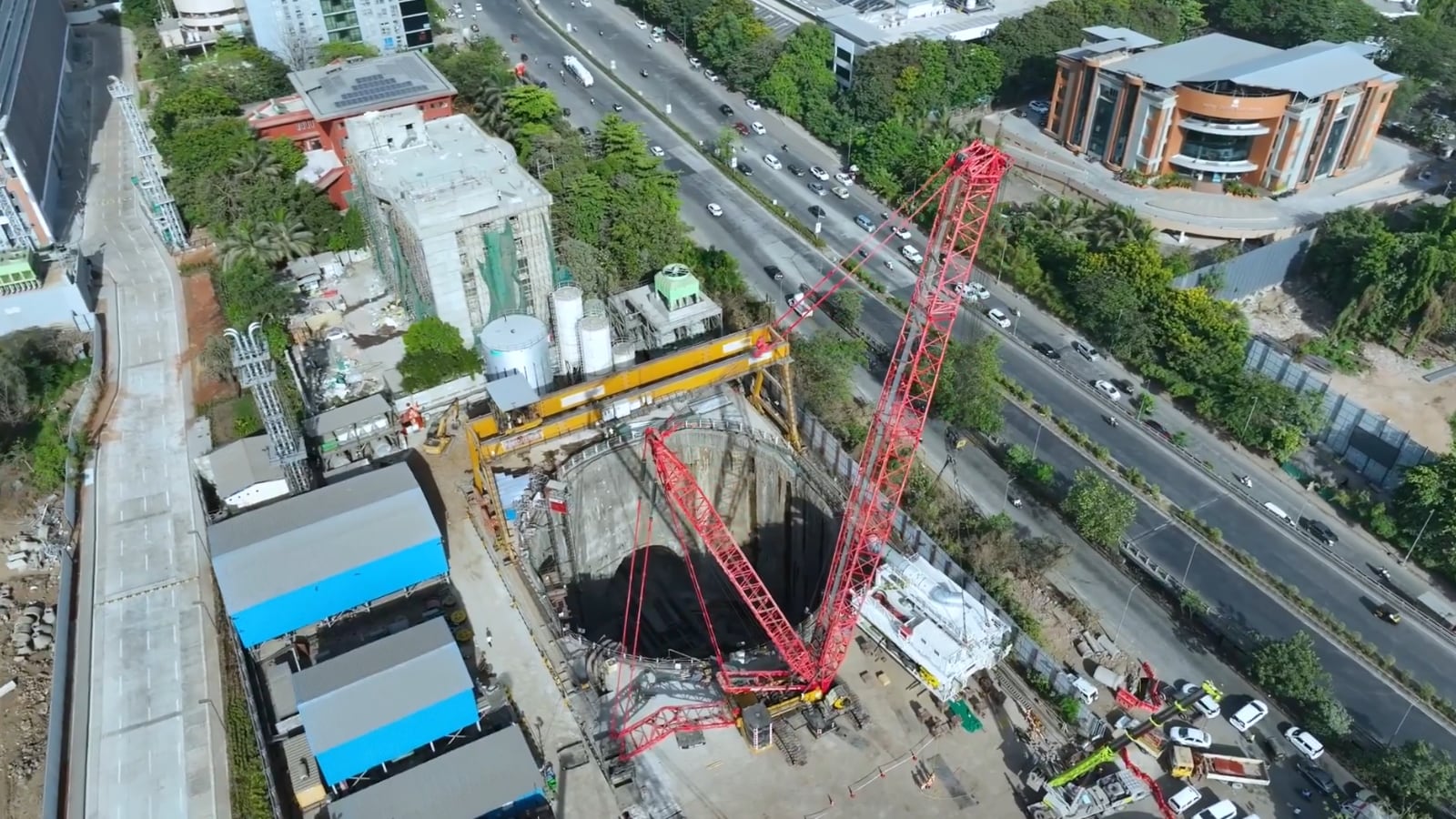
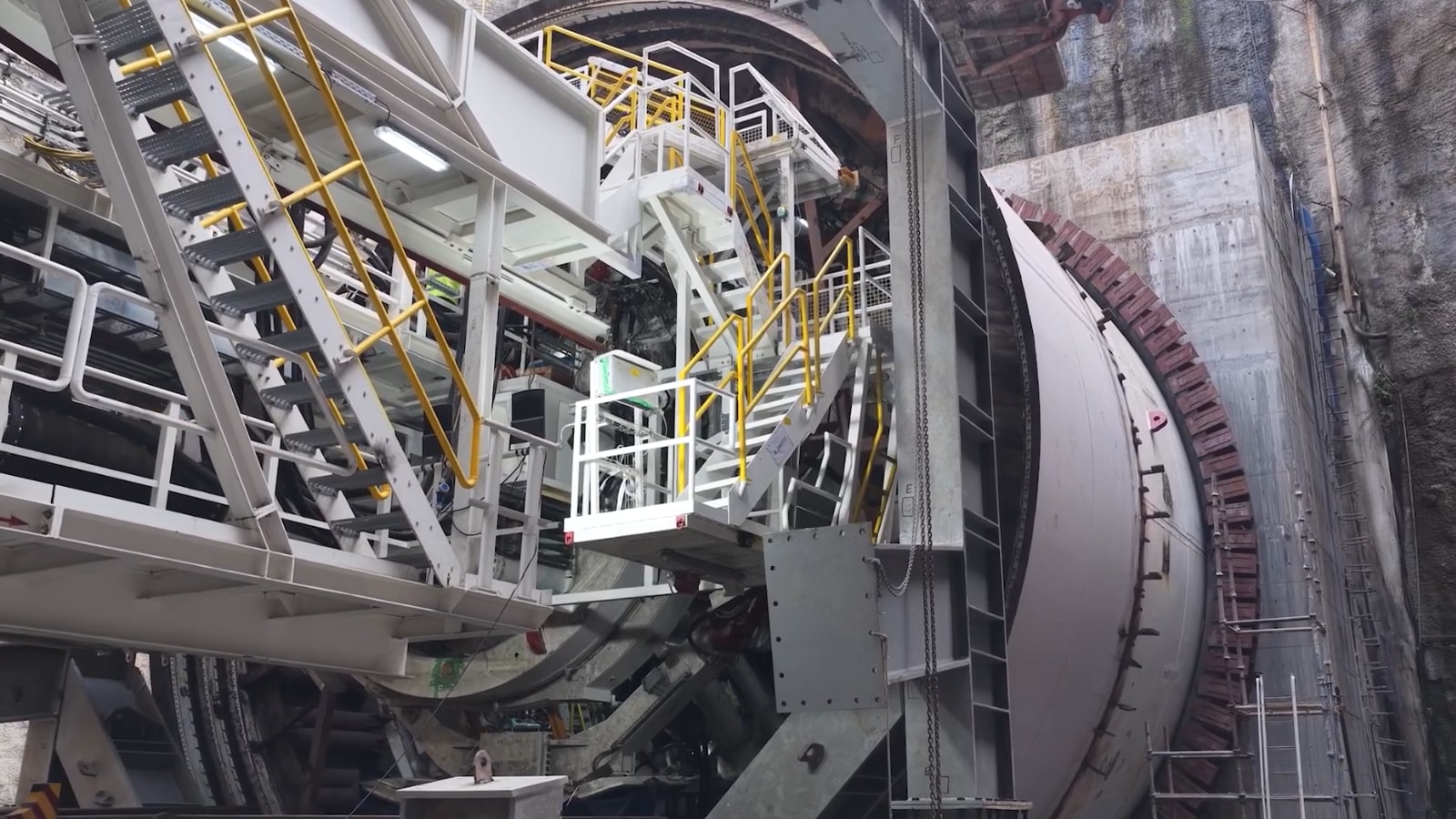
Mumbai-Ahmedabad Bullet Train Project: The track-switching technology is being introduced alongside major civil and tunnelling works across the Mumbai-Ahmedabad High-Speed Rail corridor. At the BKC-Thane underground section, both Tunnel Boring Machines have been lowered through their shafts, assembled and aligned for tunnelling. With these preparations completed, tunnelling work is progressing on the underground section. (X/@nhsrcl)
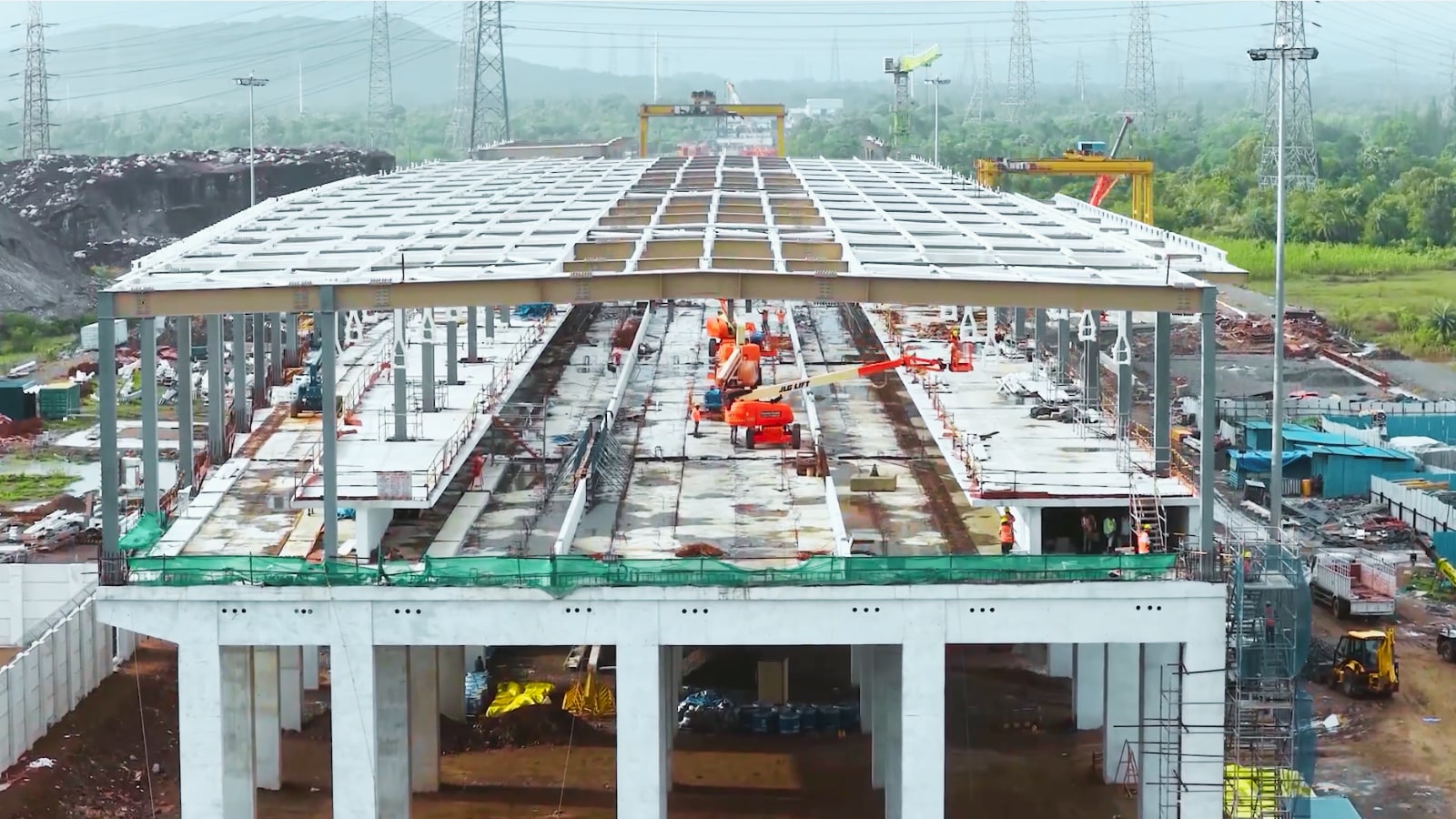
Construction of stations, bridges and other major components is also advancing along different sections of the corridor. The combination of specialised track technology, high-speed signalling and large-scale civil construction is aimed at creating the infrastructure required for India’s first high-speed rail service. (X/@nhsrcl)
Why The Track-Switching System Matters? The movable-crossing turnout is one of the less visible technologies being introduced on the Mumbai-Ahmedabad corridor, but it addresses a fundamental challenge of high-speed rail: enabling trains to change tracks without compromising precise wheel guidance. By combining movable crossings, dual point machines, mechanical locking and multiple signalling checks, the system is designed to ensure that a turnout is correctly positioned and secured before a high-speed train is allowed to pass through it. (X/@nhsrcl)