
Parandur Dropped, New Site To Be Chosen; What Happens Next?


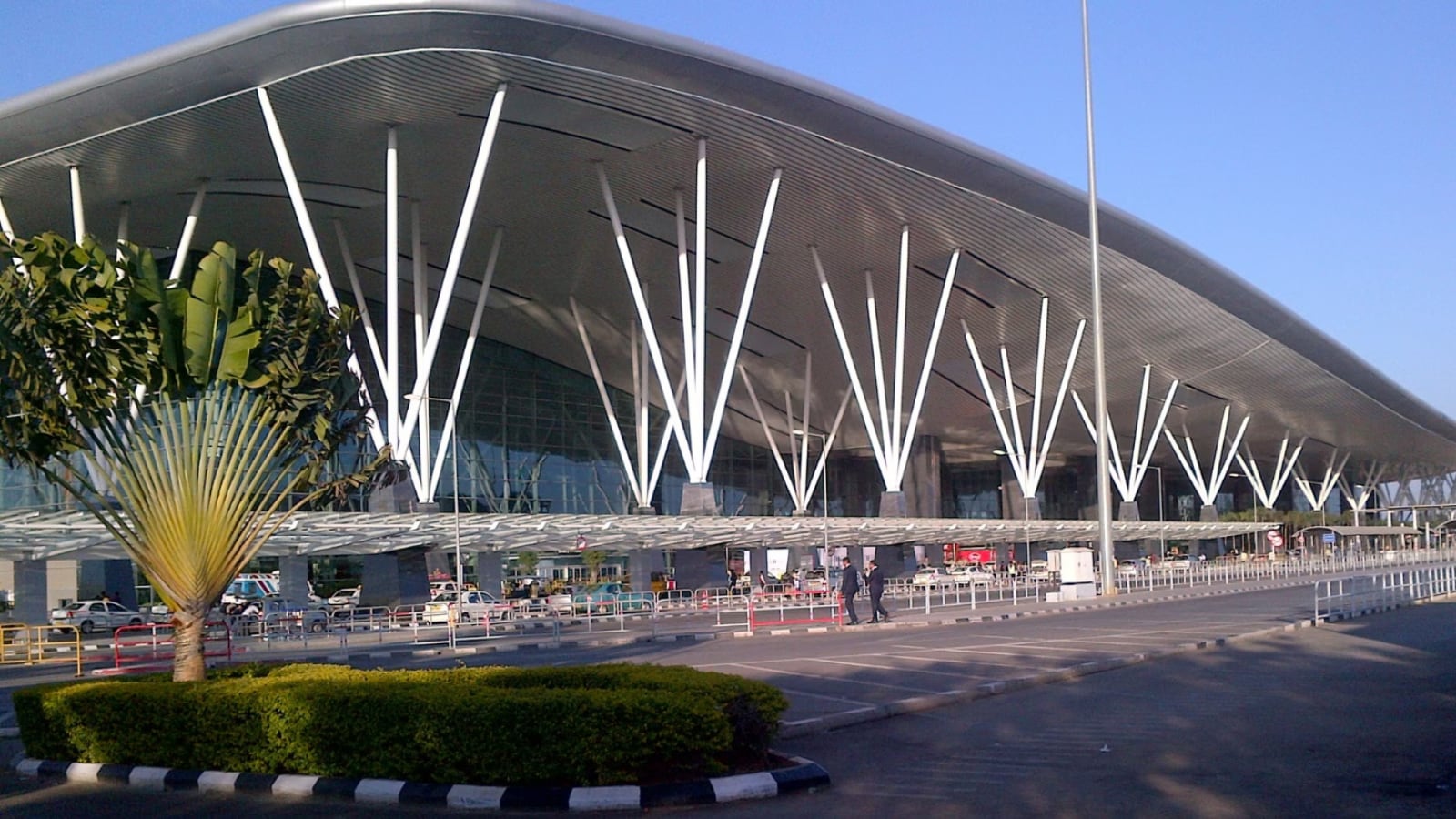
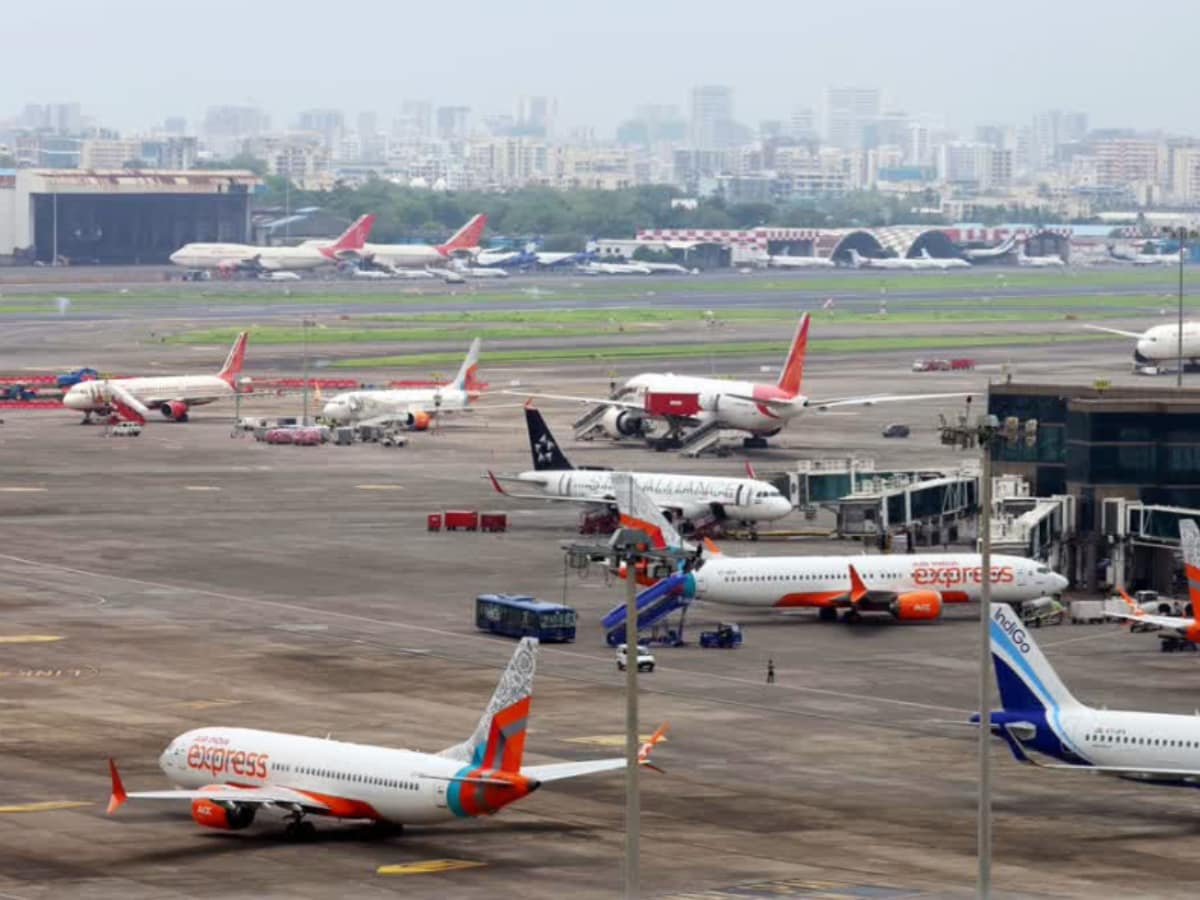
Why Does Chennai Need A New Airport? Chennai’s existing airport at Meenambakkam, operated by the Airports Authority of India (AAI), currently has capacity to handle around 30 million passengers a year, according to CM Vijay. The existing facility is already under pressure from the city’s expanding passenger, industrial and cargo requirements. The proposed second airport was therefore intended not merely as a replacement for Meenambakkam, but as a long-term aviation hub capable of handling the growth expected from Chennai and the surrounding manufacturing and logistics belt.
Chennai is a major industrial centre, with large manufacturing operations and export-oriented industries. Industry bodies have consequently continued to argue that the State needs additional aviation capacity to support passenger travel, cargo and investment.
What Was The Parandur Airport Plan? The Parandur project was conceived as a 100-million-passenger-per-year greenfield airport, making it significantly larger than Chennai’s existing facility. The original plan envisaged two parallel runways, multiple passenger terminals, cargo facilities, taxiways and aircraft aprons, Maintenance, Repair and Overhaul (MRO) facilities, associated airport infrastructure and development in multiple phases.
TIDCO’s master-planning documents envisaged an ultimate capacity of 100 million passengers per annum. A later technical plan envisaged three terminals, with the airport being expanded in phases as passenger demand grew. The planned runways were around 4,040 metres long and 45 metres wide, with parallel taxiways and supporting airside infrastructure designed for high-intensity operations.

How Big Was The Planned Airport? The project underwent several cost revisions as its scope was developed. Initial estimates in 2022 put the project cost at around Rs 20,000 crore, while subsequent planning documents placed the overall cost at roughly Rs 27,000-29,000 crore. A later project estimate put the figure at around Rs 27,400 crore. The airport was planned to be built in four phases. The first phase was designed to handle around 20 million passengers annually, with additional capacity to be added in subsequent phases until the 100-million-passenger capacity was reached.

How Could Parandur Airport Have Looked? Had the project gone ahead, Parandur was expected to develop into a large-scale aviation complex rather than simply another passenger terminal. The airport’s eventual layout would have been built around two long parallel runways, with passenger terminals positioned between or alongside the airside facilities, extensive aircraft parking aprons, taxiways and a dedicated cargo complex. The plans also included an MRO facility, allowing aircraft maintenance and related aviation activities to be carried out at the airport. The three-terminal concept was designed to expand progressively with demand rather than build the entire 100-million-passenger capacity at once.
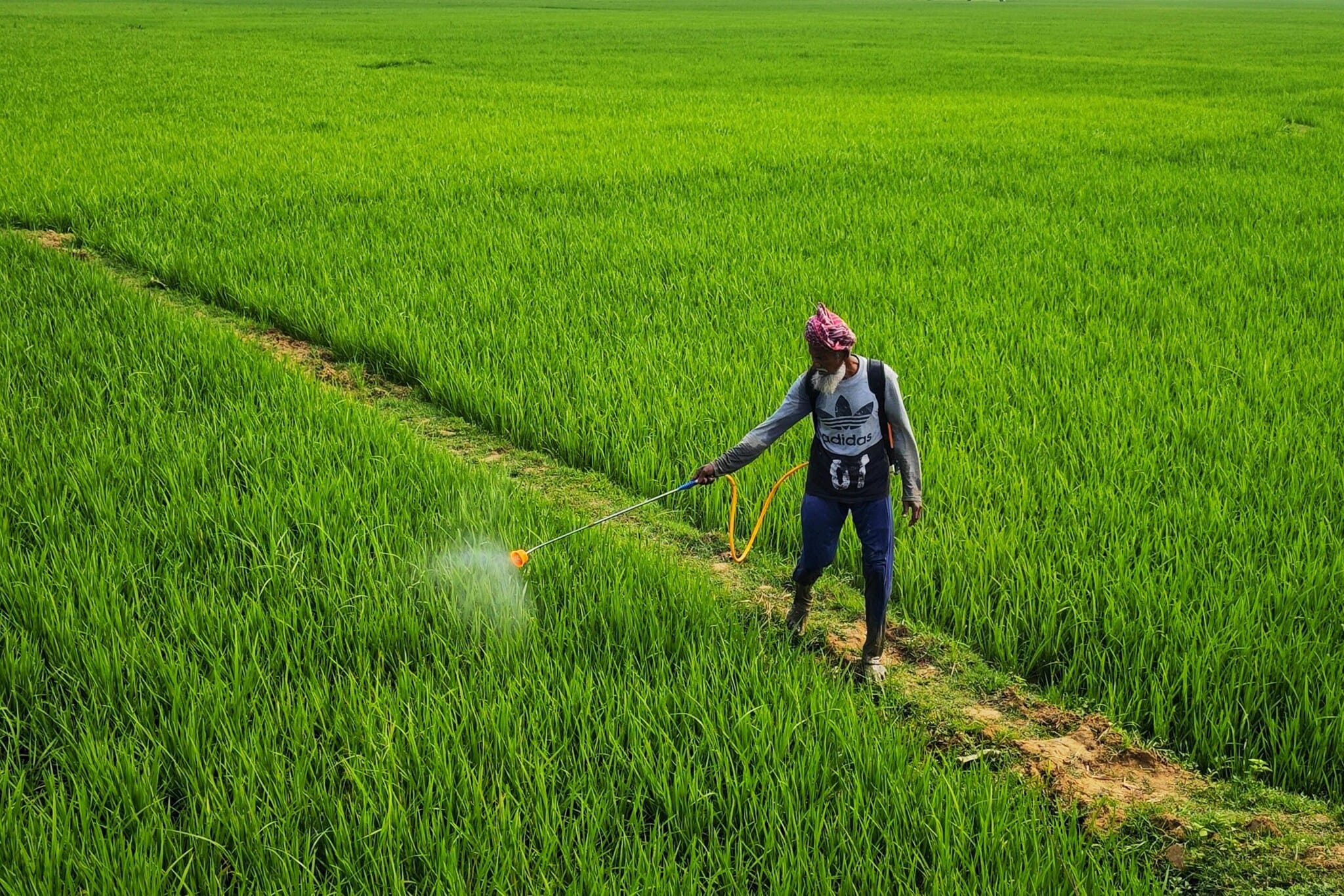
How Much Land Was Needed For Parandur Airport? The land requirement was one of the biggest points of contention. Government planning documents put the total requirement at around 5,746 acres spread across Parandur and neighbouring villages. One detailed government proposal listed around 2,325 hectares, or 5,746 acres, comprising both private and government land. A subsequent pre-feasibility report assessed the project at around 5,369 acres, reflecting changes in the project’s land requirement during the planning process. The land included agricultural areas and waterbodies. The pre-feasibility assessment found that a substantial share of the land was irrigated or dry agricultural land, while waterbodies accounted for a significant portion of the project area. This became central to the opposition from farmers and residents.
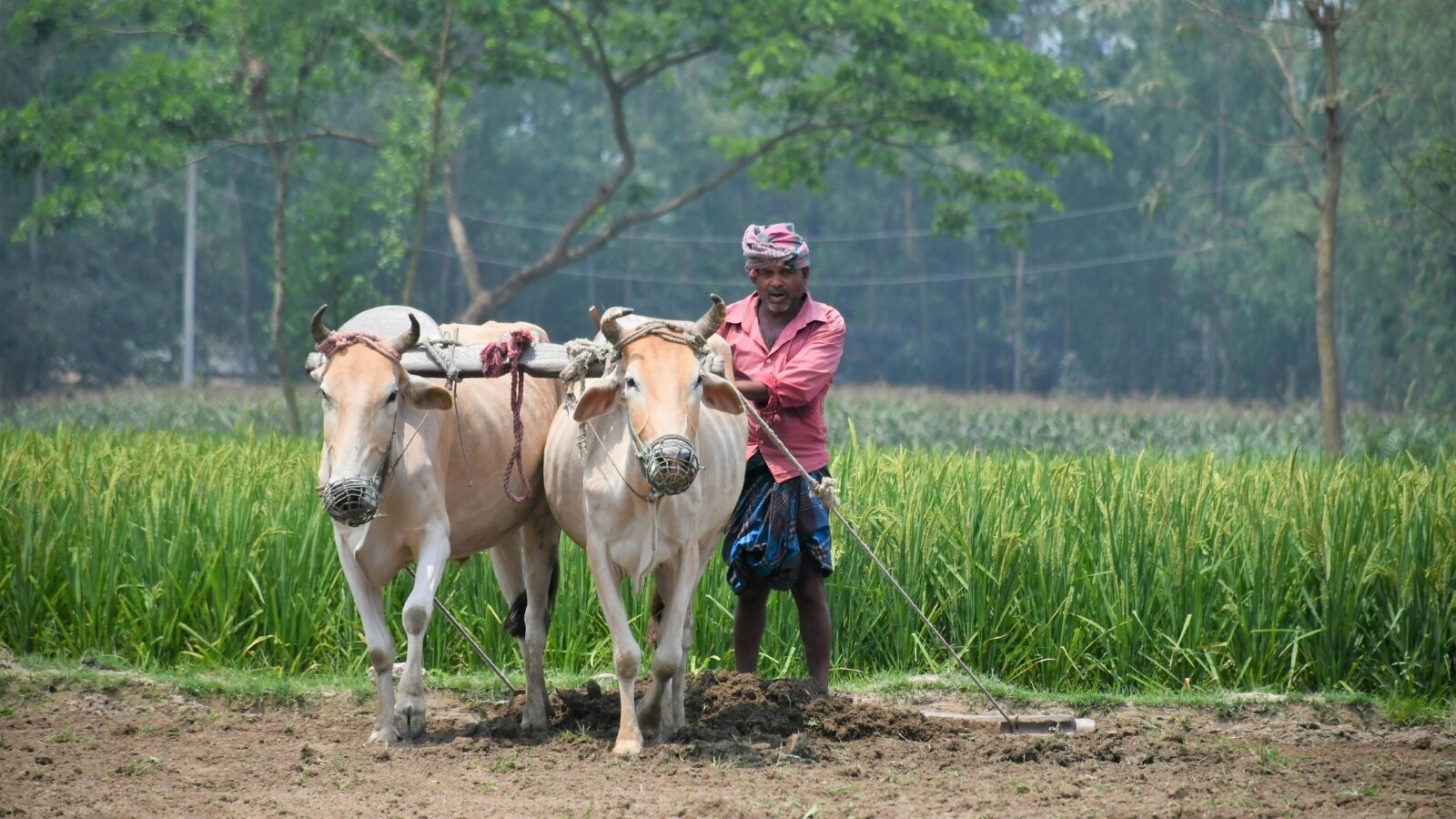
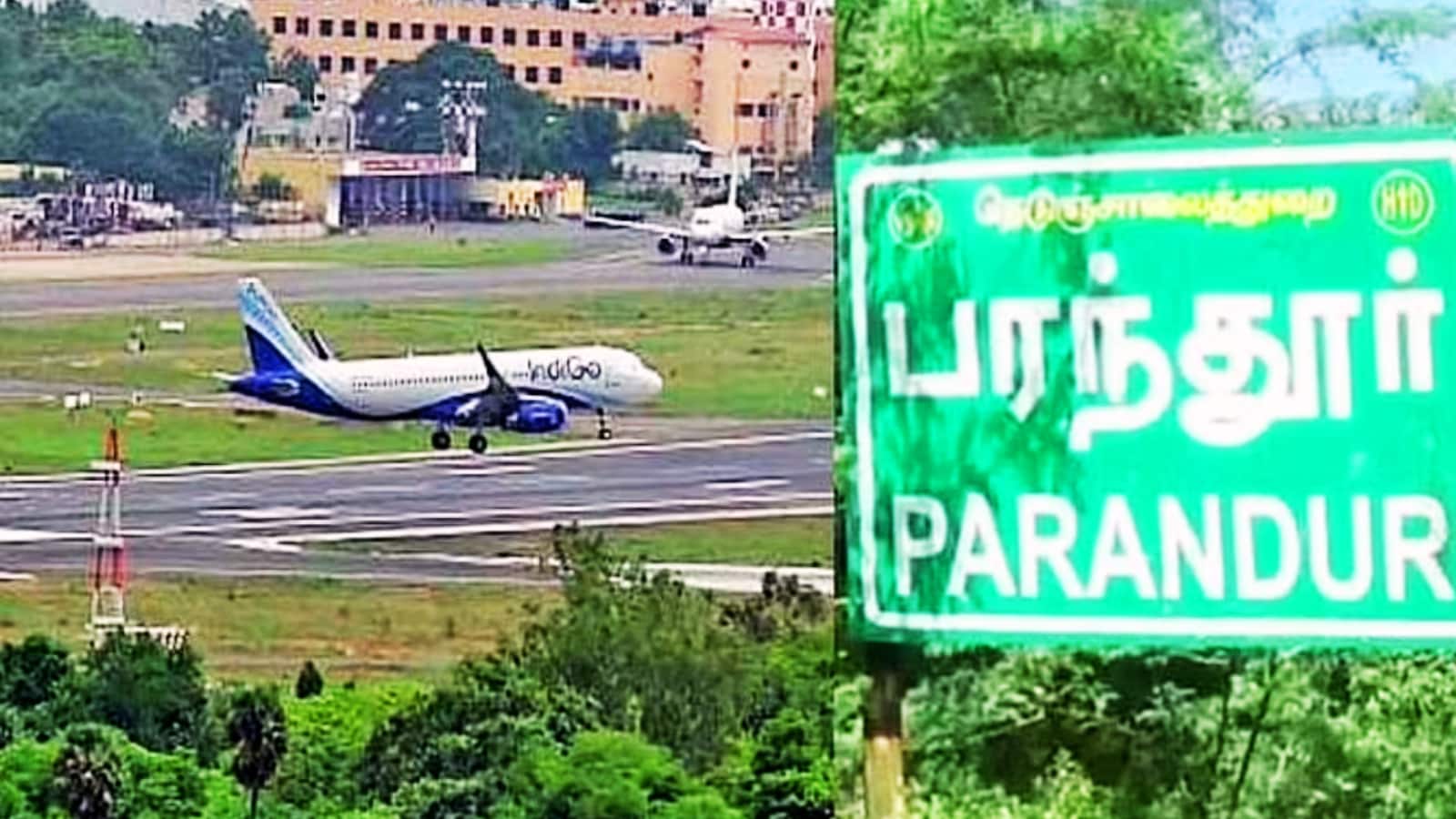
Why Did Farmers Oppose The Parandur Airport? Residents of Parandur, Ekanapuram and surrounding villages had opposed the airport over concerns about land acquisition, displacement, loss of agricultural land and the impact on waterbodies. The protests continued for years, with affected communities arguing that the project threatened their homes and livelihoods. Environmental concerns also centred on the region’s wetlands and water resources. Critics warned that altering these waterbodies could affect the area’s natural drainage and flood-buffering capacity.
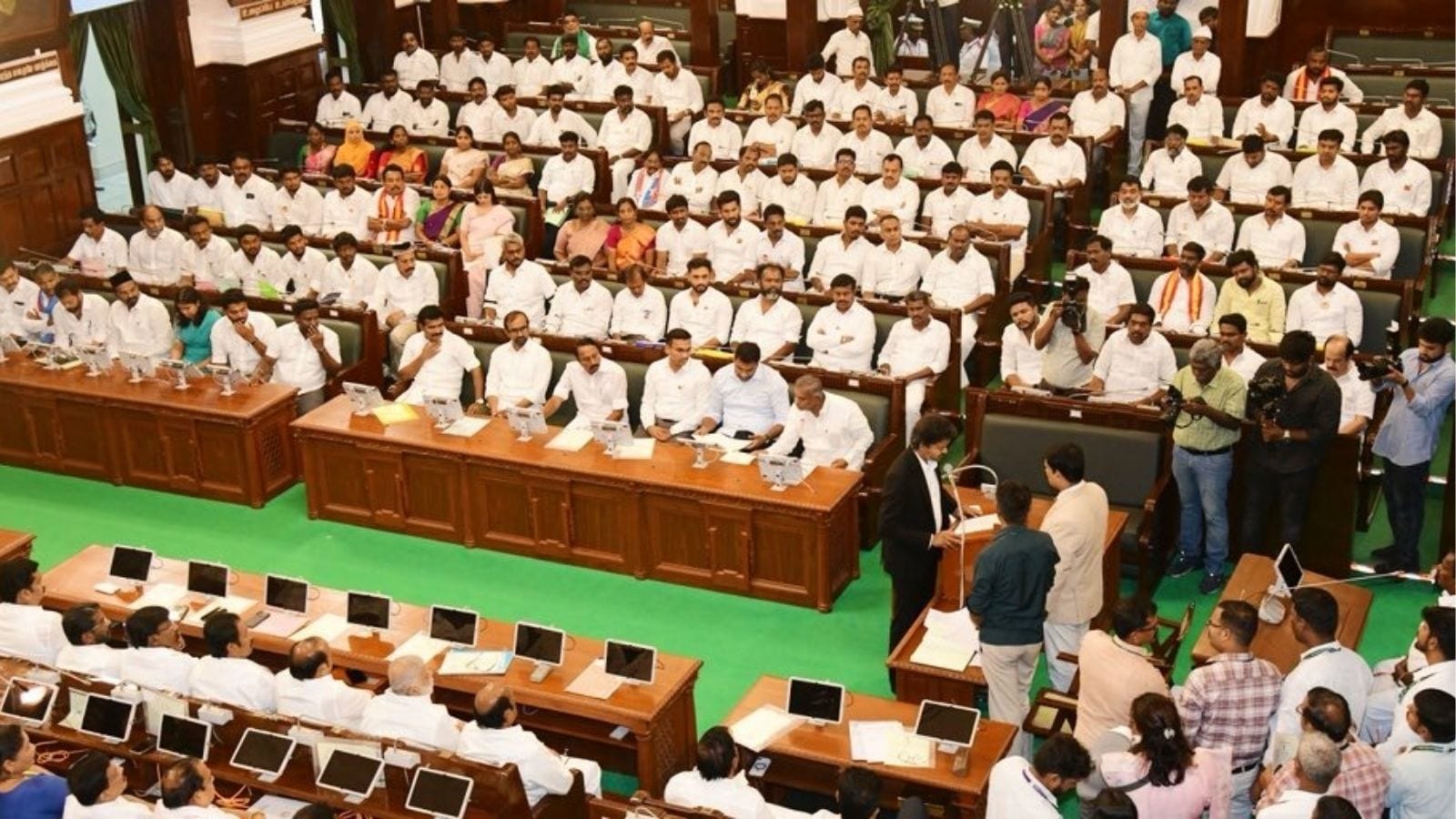
Vijay had backed the protesters before coming to power. He recalled visiting Eganapuram and other affected villages on January 20, 2025, and listening to residents’ grievances. In the Assembly on Monday, he reiterated his support for the farmers and residents opposing the Parandur project.

The project was not being abandoned at the proposal stage. The Centre granted site clearance in August 2024, following technical evaluation by agencies including the Airports Authority of India, Directorate General of Civil Aviation and Ministry of Defence. The Ministry of Civil Aviation subsequently granted in-principle approval for the international greenfield airport at Parandur, subject to various regulatory and statutory conditions. By 2026, land acquisition had also progressed substantially. Reports put the acquired area at around 1,700 acres against the total land requirement. That makes the decision to abandon Parandur particularly significant: the government is walking away from a project that had already passed several stages of planning, approval and land acquisition.

What Is The Plan For Chennai’s New Airport Now? The second airport project itself is not being cancelled. Instead, the Vijay government plans to identify a new site that can accommodate Chennai’s long-term aviation requirements while causing substantially less disruption to agricultural land and residential communities. CM Vijay said detailed consultations had already been held with senior officials and experts and that potential alternative locations had been identified. These locations will have to undergo scientific, technical and feasibility assessments before a final site is selected. Importantly, the government has not yet publicly finalised a new airport location. So, at present, there is no confirmed alternative airport blueprint comparable to the detailed Parandur master plan.

Which Locations Could Be Considered? The search for Chennai’s second airport is not entirely new. Before Parandur was selected, authorities had examined several potential locations, including Pannur, Padalam and Thiruporur, alongside Parandur. An Airports Authority of India pre-feasibility exercise compared the sites on factors including runway orientation, airspace availability, access, land use, noise and operational requirements. However, it would be premature to say that any of these locations has now been selected. The present government has indicated that the alternative sites will first undergo fresh technical and scientific evaluation.
The State’s aviation expansion plans are also not limited to the proposed second airport. The existing Meenambakkam airport is being expanded, with plans for additional terminal capacity. Reuters reported that the State plans to increase the existing airport’s capacity from around 30 million to 55 million passengers annually through upgrades and additional terminal infrastructure. The expansion is expected to act as an interim and complementary measure while the State works on its second airport plans.
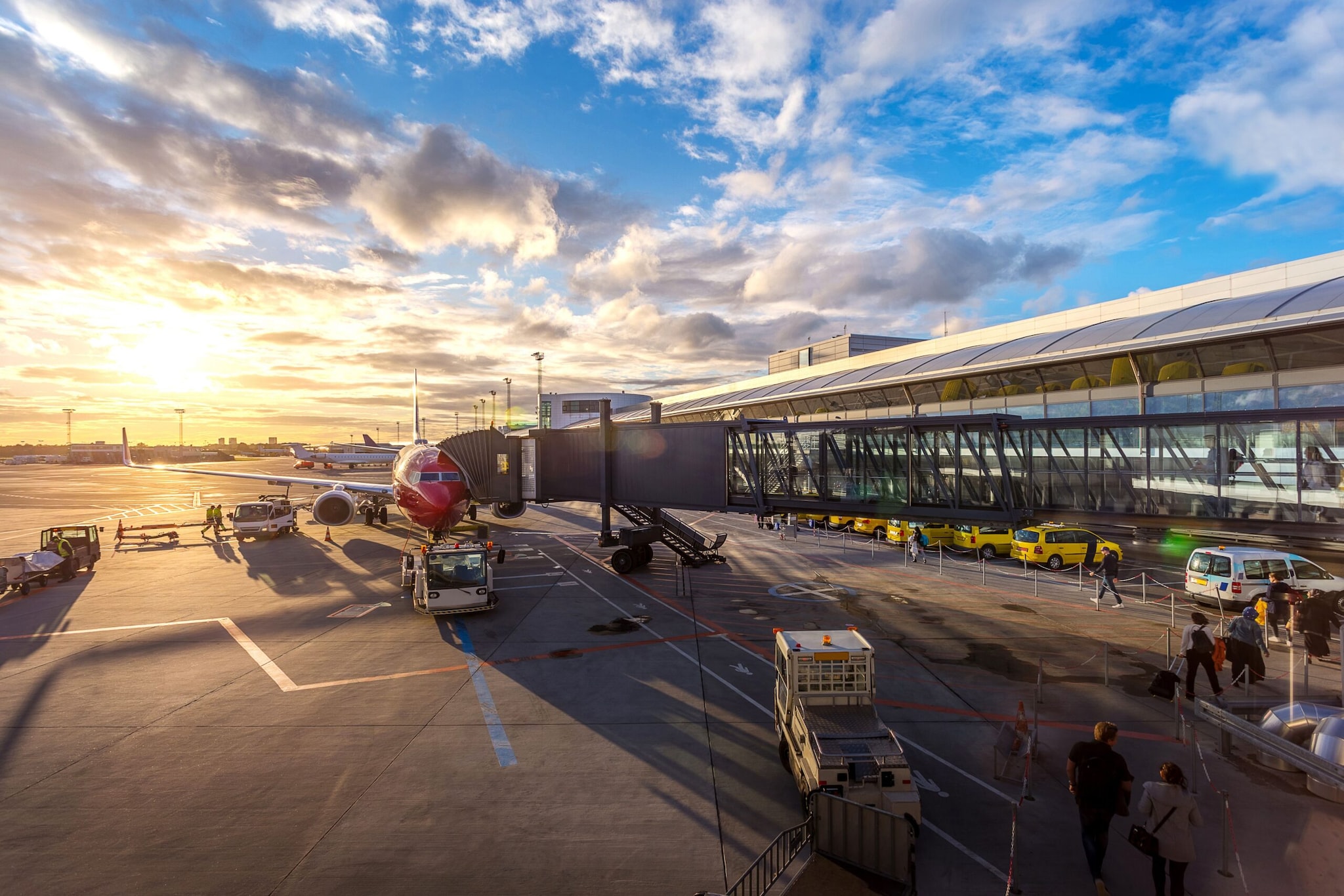
Why The New Site Could Take Years? Finding a new site is only the first step. A fresh location would have to undergo technical and operational studies, site clearance, environmental assessments, land acquisition, rehabilitation and resettlement, Central approvals, detailed project planning, tendering and construction. K Annamalai, opposing the decision to abandon Parandur, warned that identifying a new site and obtaining the necessary approvals could delay Chennai’s second airport by at least 10 years. The government, however, has maintained that the need for a second airport remains and that it intends to identify a location that better balances development with the protection of agricultural land and people’s livelihoods.

DMK Warns Of Economic Consequences: Former Tamil Nadu minister and DMK MLA Thangam Thennarasu criticised the decision, saying Parandur had been selected only after examining several technical possibilities, including the feasibility of two runways. He argued that abandoning the project could have economic consequences for Tamil Nadu and claimed industries could move towards neighbouring Andhra Pradesh if aviation infrastructure did not keep pace with demand. He also questioned what would happen to land already acquired for the project.

The Big Question: Can Chennai Get A Second Airport Without Another Parandur? The Vijay government’s challenge is now two-fold: find a site that can support a world-scale airport while avoiding the social and environmental conflict that engulfed Parandur. The new airport will still have to be large enough to support Chennai’s growing passenger and cargo requirements and sufficiently connected to the city and its industrial corridors. But unlike Parandur, the new plan will have to answer another question from the beginning: how can Chennai expand its aviation infrastructure without displacing communities or taking away large tracts of productive agricultural land? For now, the Parandur plan is over, but Chennai’s search for its second airport is not.osures Matter To Travellers? The reasons behind these airport closures fall into two broad categories. In Visakhapatnam and Ludhiana, passengers are moving to newer airports that offer better infrastructure, larger terminals, greater aircraft capacity and room for future expansion. While travellers may have to travel slightly farther to reach the airport, they are expected to benefit from more flight options, fewer operational restrictions and a better overall travel experience.