Audi A8 Discontinued After 32 Years, Final Unit Rolls Out
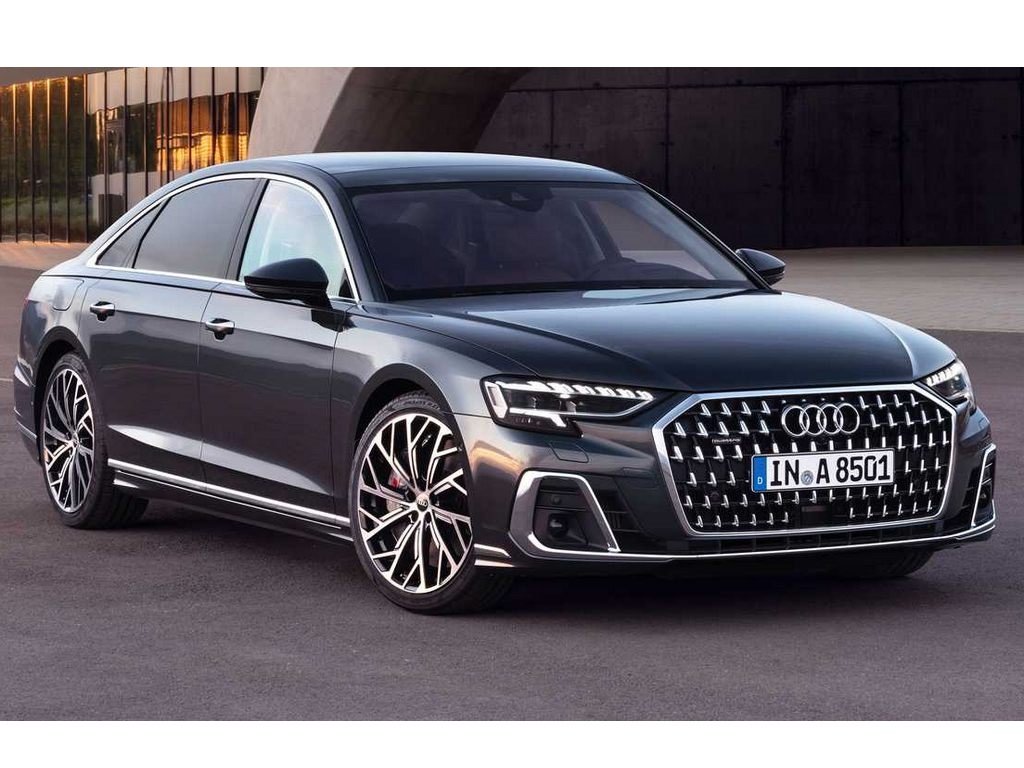
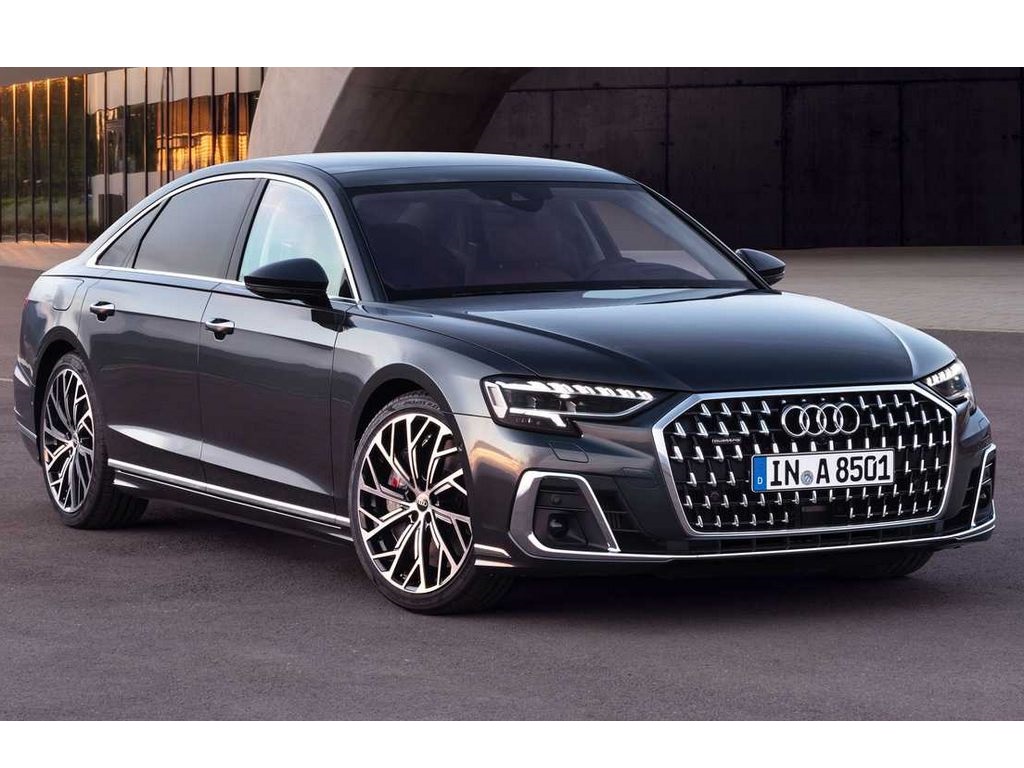
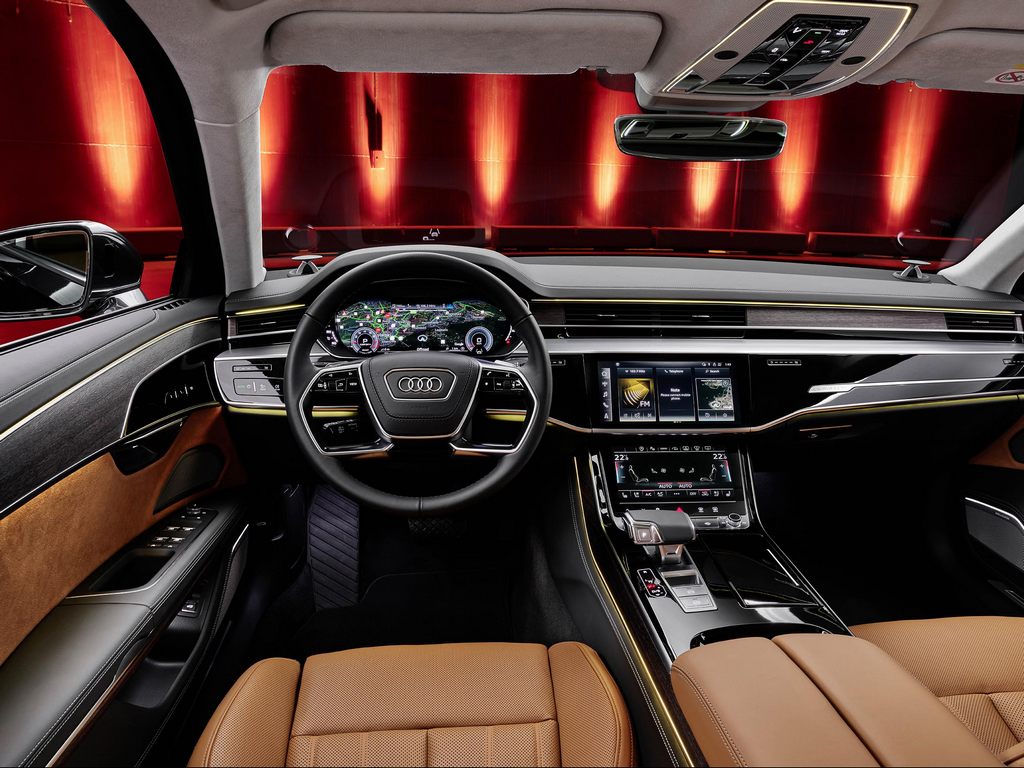
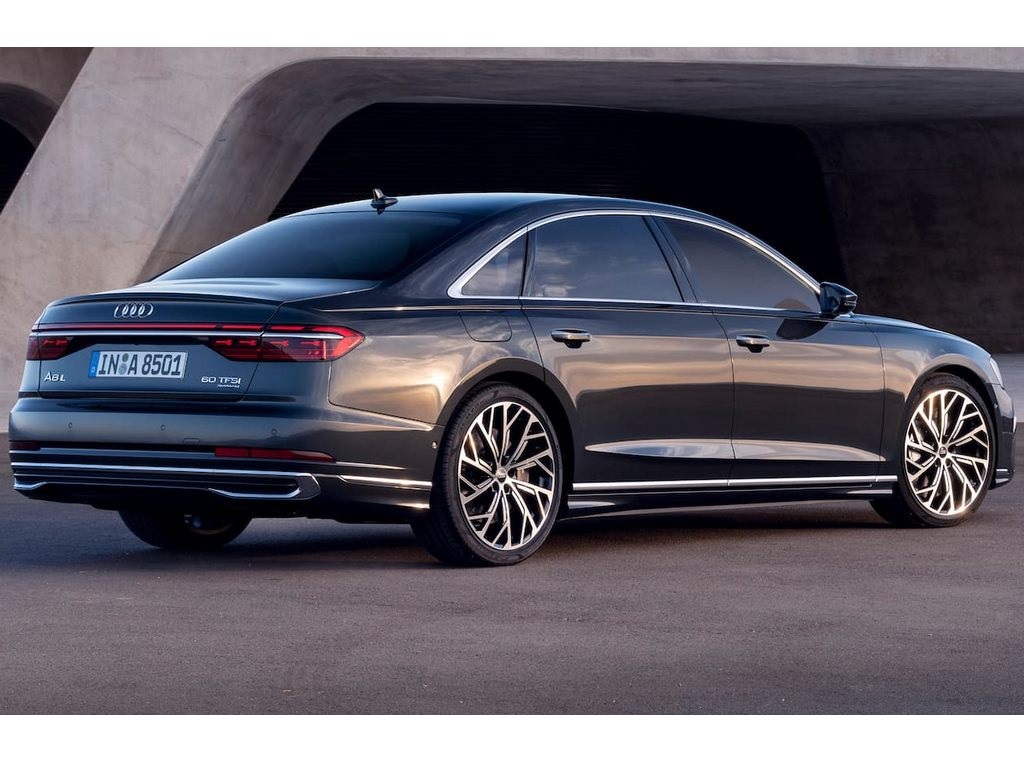
Audi has ended production of its flagship A8 luxury sedan after a 32-year run spanning four generations. The final unit has rolled off the production line at the company’s Neckarsulm facility in Germany, bringing an end to a nameplate that once represented the brand’s technological capabilities and competed directly with the Mercedes-Benz S-Class and BMW 7 Series.
Audi had stopped accepting orders for the A8 earlier this year, signalling the model’s impending exit. Its discontinuation leaves the German luxury carmaker without a conventional flagship sedan in its current lineup, at least for the time being.
Audi A8: A brief history of the luxury flagship
The original Audi A8 was introduced in 1994 and became an important model for the brand in the premium luxury segment. It was followed by the performance-oriented S8 in 1996, which featured a more powerful naturally aspirated 4.2-litre V8 engine producing 355hp.
Over the years, the A8 was offered with several engine configurations, including V6 and V8 petrol units, V10 and W12 engines, as well as V6 and V8 diesel options. The availability of a 6.0-litre W12 engine also made it one of the more distinctive offerings in its segment.
The second generation arrived in late 2002, followed by two further generations. Throughout its lifecycle, the A8 served as Audi’s flagship luxury sedan, showcasing the company’s developments in comfort, technology and performance.
However, the fourth-generation model, introduced in 2017, began to lose ground against newer competitors. The Mercedes-Benz S-Class received its current-generation update in 2020 and has since undergone another refresh, while the latest BMW 7 Series was introduced in 2022.
The age of the A8’s underlying platform and increasing competition from newer luxury sedans are believed to have contributed to its declining appeal.
Audi A8 sales decline contributed to its discontinuation
The A8’s sales performance in recent years provides some indication of the challenges faced by the model. In the US, annual sales peaked at more than 6000 units in 2013 but gradually declined over the following years.
By 2025, Audi sold just 1406 units of the A8 in the American market. In comparison, BMW delivered 11,393 units of the 7 Series, while Mercedes-Benz recorded 7408 S-Class sales during the same period.
The growing age of the current A8 and the arrival of newer products from its German rivals have made it increasingly difficult for the sedan to maintain its position in the segment.
Audi Q9 to become the brand’s new luxury flagship SUV
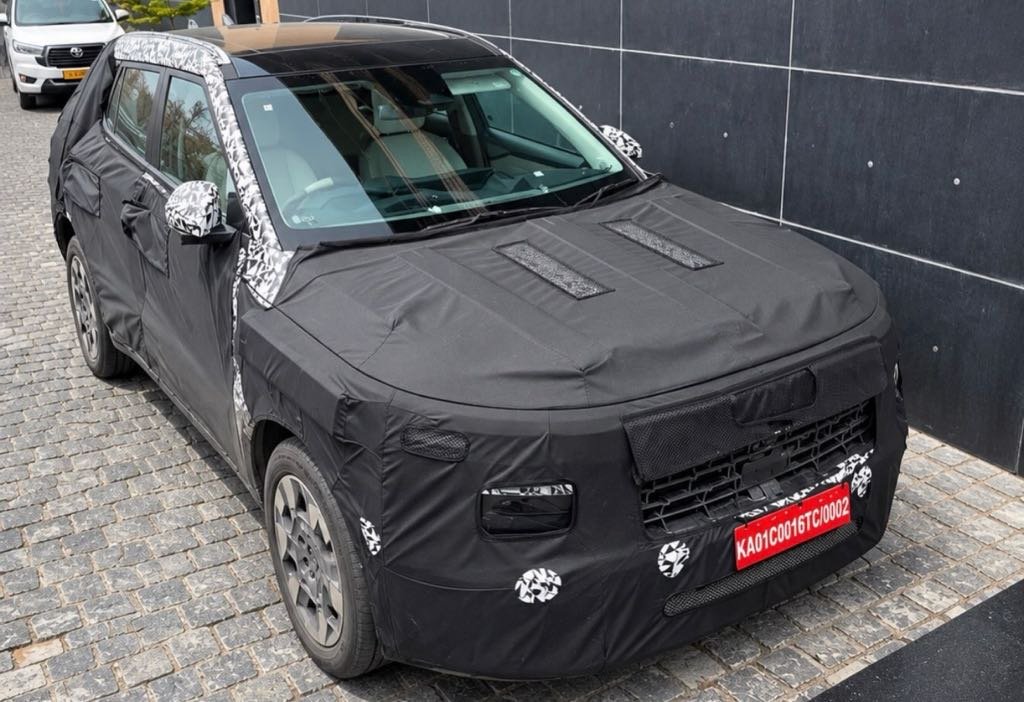
Although the A8 is leaving the lineup, Audi is preparing to expand its luxury SUV portfolio with the upcoming Q9. The model will sit above the Q7 and compete with large luxury SUVs such as the Mercedes-Benz GLS and BMW X7.
The Q9 is expected to be offered in six- and seven-seat configurations, with a focus on passenger comfort and technology. Its anticipated equipment includes a large panoramic glass roof with ambient lighting, premium cabin materials, multiple dashboard screens and MagSafe-compatible wireless charging.
While the Q9 will take on the role of Audi’s most luxurious SUV, it is not a direct replacement for the A8. The sedan’s departure leaves a gap in Audi’s conventional flagship passenger car range.
Could Audi develop a new luxury sedan for China?
Despite the A8’s discontinuation, Audi could explore a new luxury sedan for the Chinese market. According to reports from German publication Auto Motor und Sport, the company is in discussions with Huawei regarding the use of its vehicle architecture for a future premium sedan.
Details about the proposed model remain limited, including its design, powertrain and potential launch timeline. It is also unclear whether the vehicle would be restricted to China or considered for other international markets.
Such a development would follow Audi’s recent strategy of collaborating with Chinese manufacturers for market-specific electric vehicles. Its E5 Sportback and E7X, developed in partnership with SAIC Motor under the AUDI brand, are examples of this approach.
For now, Audi has not confirmed a direct successor to the A8. The end of its production marks the closure of an important chapter in the company’s history, while its future flagship strategy appears increasingly focused on SUVs and market-specific electric vehicles.