Union Minister’s Big Flying Taxi Push
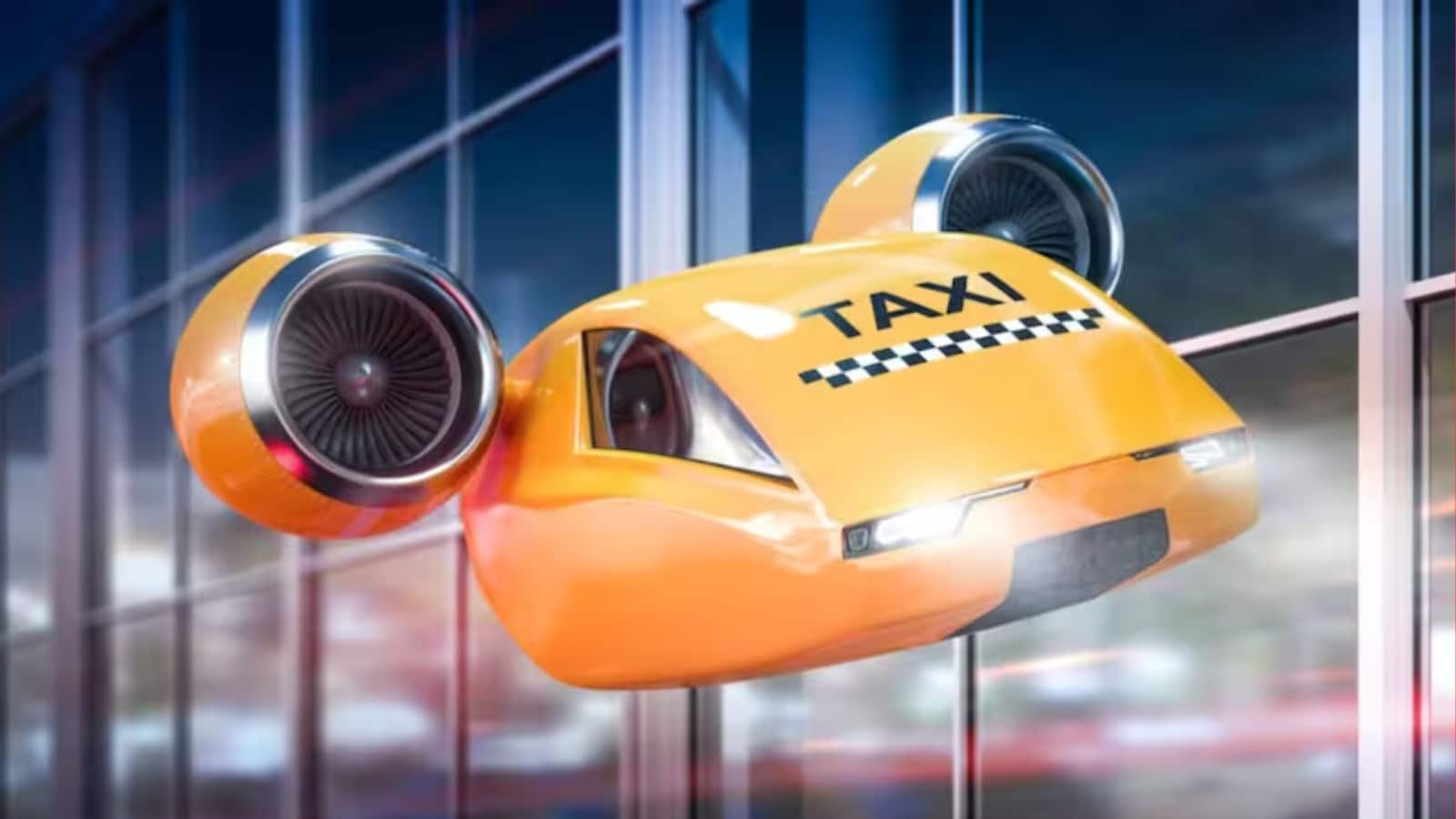
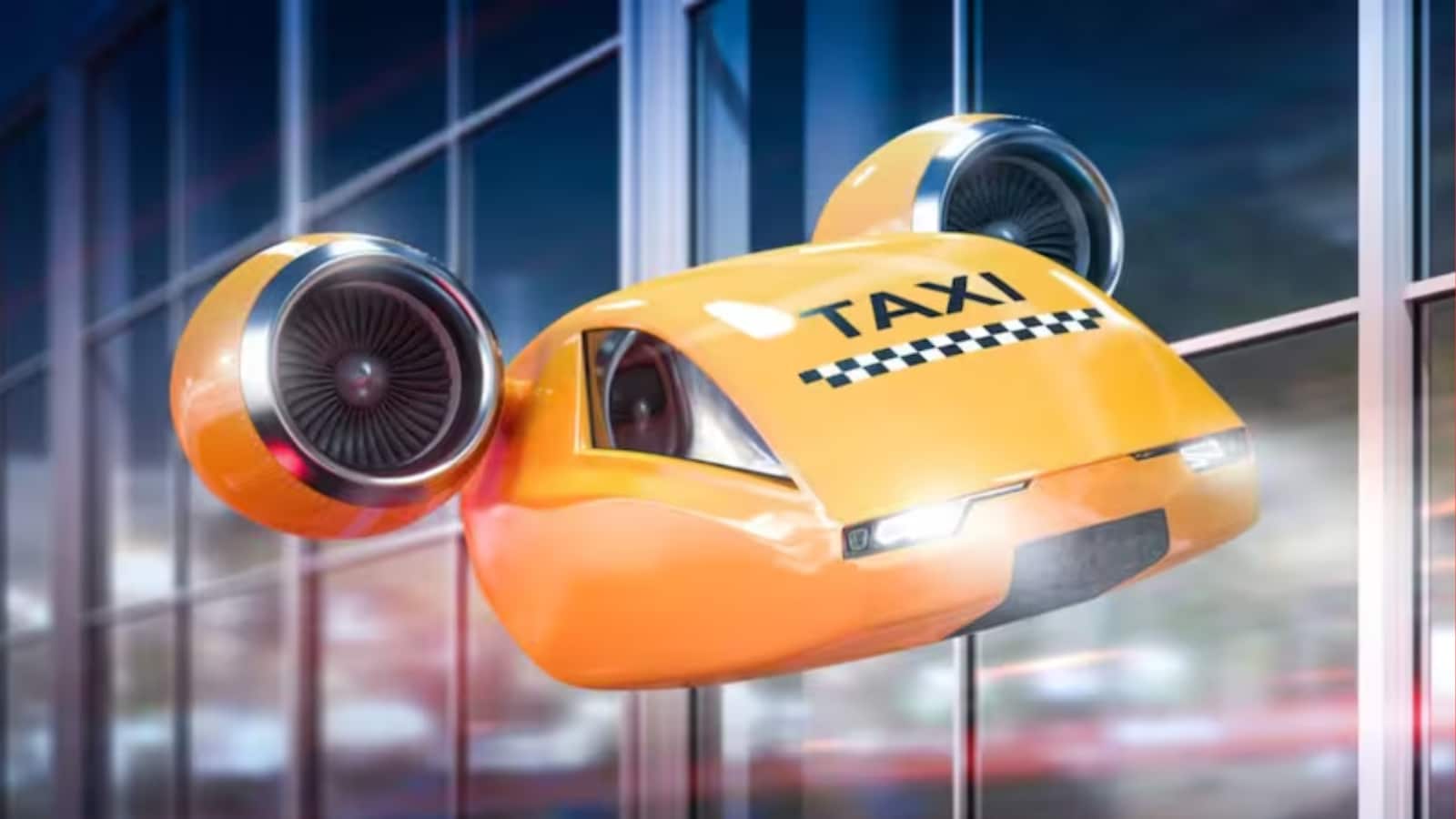
Air Taxi: For commuters spending hours stuck in traffic, the future of urban travel could soon move above the roads. Electric flying taxis, known as eVTOL aircraft, could take to the skies in India as early as 2028, according to Union Civil Aviation Minister Ram Mohan Naidu. eVTOL stands for Electric Vertical Take-Off and Landing aircraft. Unlike conventional aircraft, these vehicles are designed to take off and land vertically, allowing them to operate without the long runways required by traditional planes. The government is working towards introducing the technology in India, with Bengaluru, Delhi and Mumbai emerging as potential early markets.
Bengaluru is seen as a key market because of its notorious traffic congestion and the long journey between Kempegowda International Airport and different parts of the city. However, the demand is not limited to Bengaluru. According to the Union minister, metropolitan cities such as Mumbai and Delhi also face growing challenges caused by rising populations, traffic congestion and lengthy airport journeys. This has created a need for faster alternatives to road-based transport. The service could potentially be introduced in all three cities around the same period, although the actual launch will depend on testing, certification and regulatory approvals.
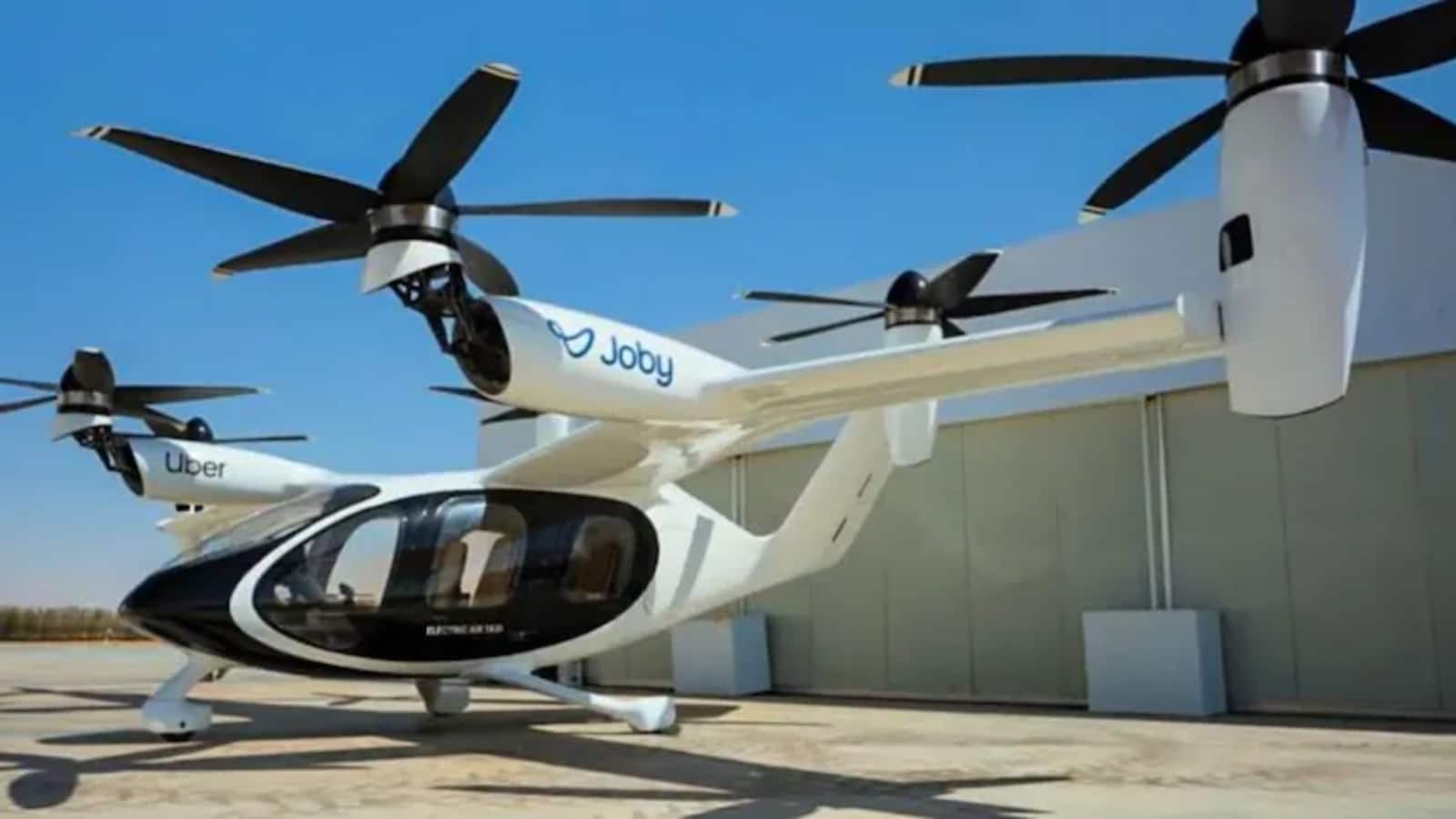
One of the biggest attractions of flying taxis is the potential to dramatically cut travel time. A journey from an airport to a major part of a city can currently take one to two hours by road and can stretch to three or four hours during peak periods, rain or severe congestion. eVTOL aircraft are expected to bypass road traffic by travelling through the air. In the initial phase, the focus is likely to be on airport connectivity, with journeys that currently take hours potentially being completed in around 20 to 30 minutes.
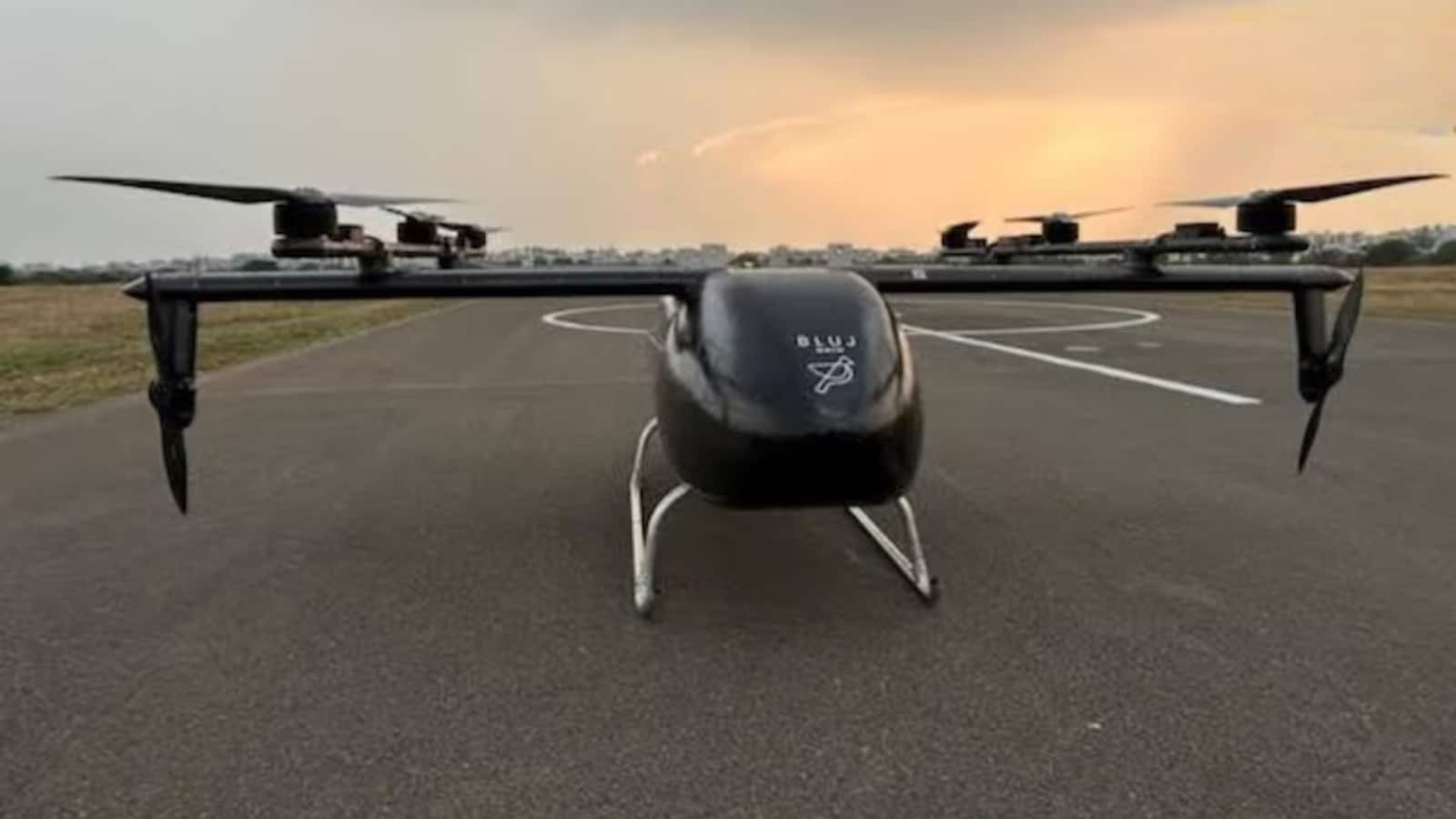
Although airport-to-city connectivity is expected to be the initial use case, flying taxis could eventually serve several other purposes. The technology could be deployed for medical emergencies, air ambulance services and cargo transportation. This could allow eVTOL aircraft to expand beyond passenger travel and become part of a wider urban mobility network.
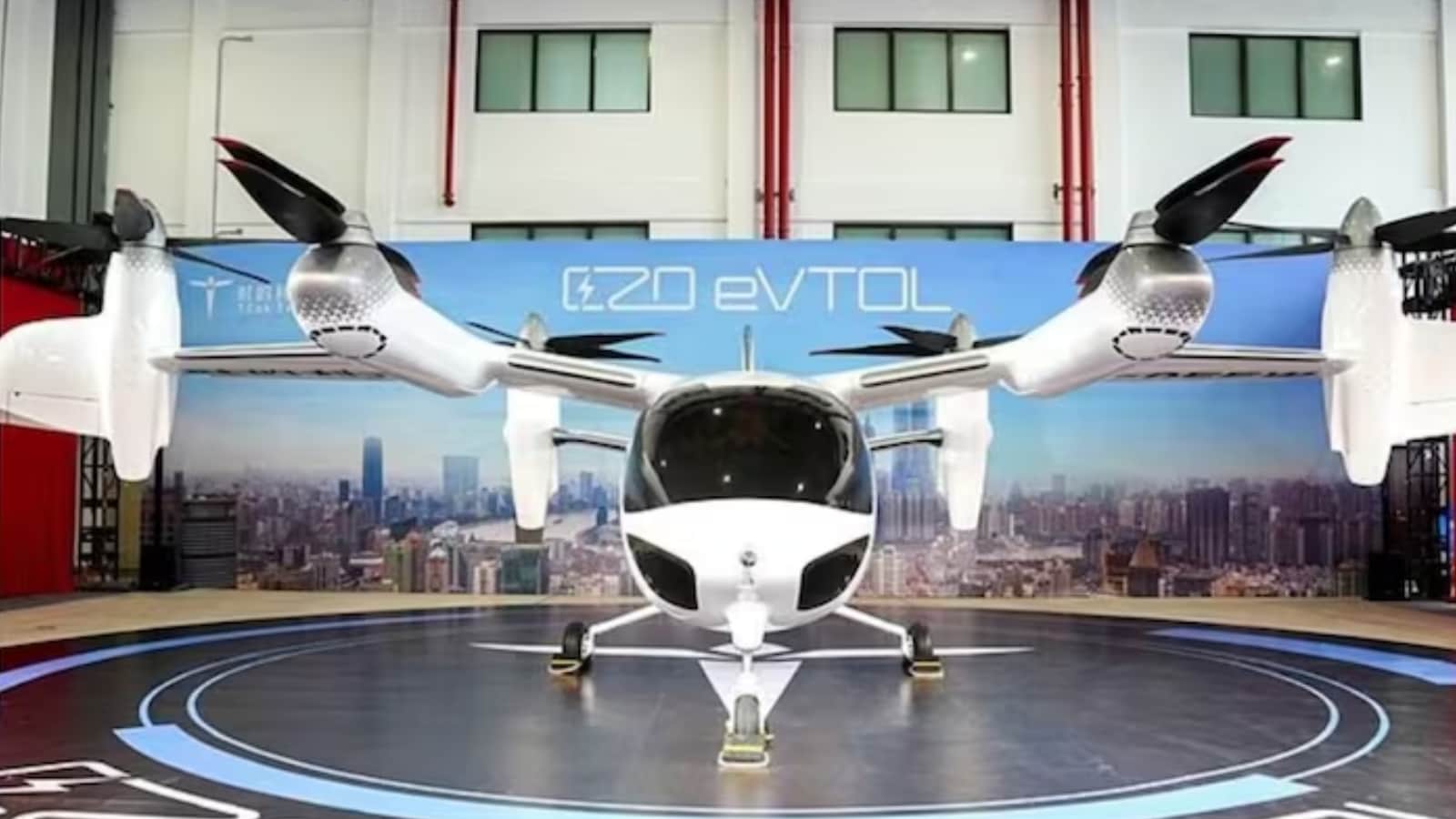
Making the technology accessible to ordinary commuters could prove just as important as getting the aircraft into the sky. Ram Mohan Naidu has said the government is working with industry to ensure eVTOL services do not remain restricted to wealthy or high-profile passengers. The broader objective is to develop a service that is safe, affordable and accessible to the public. However, keeping fares competitive could be one of the biggest challenges. If flying taxis cost substantially more than conventional cabs, their use could remain limited to a small section of passengers.
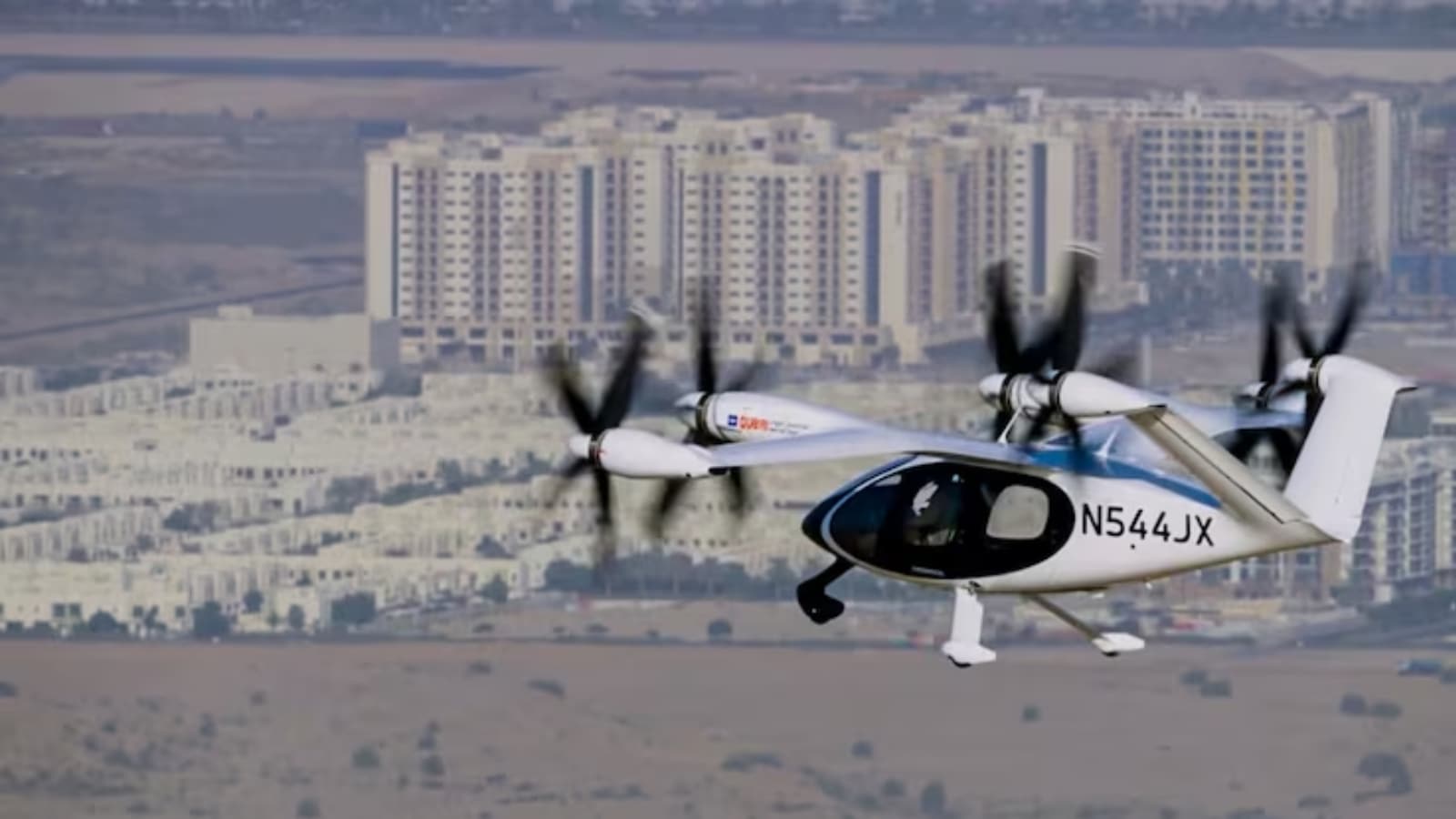
Indian aviation company Sarla Aviation is among the companies working on the technology. According to the information provided, the Directorate General of Civil Aviation (DGCA) has granted the company Design Organisation Approval, allowing it to progress with its aircraft development and testing programme. The company is expected to begin extensive testing from next year. However, the proposed 2028 commercial launch should not be treated as confirmed, as the aircraft will still need to clear testing, certification, safety assessments and other regulatory procedures.
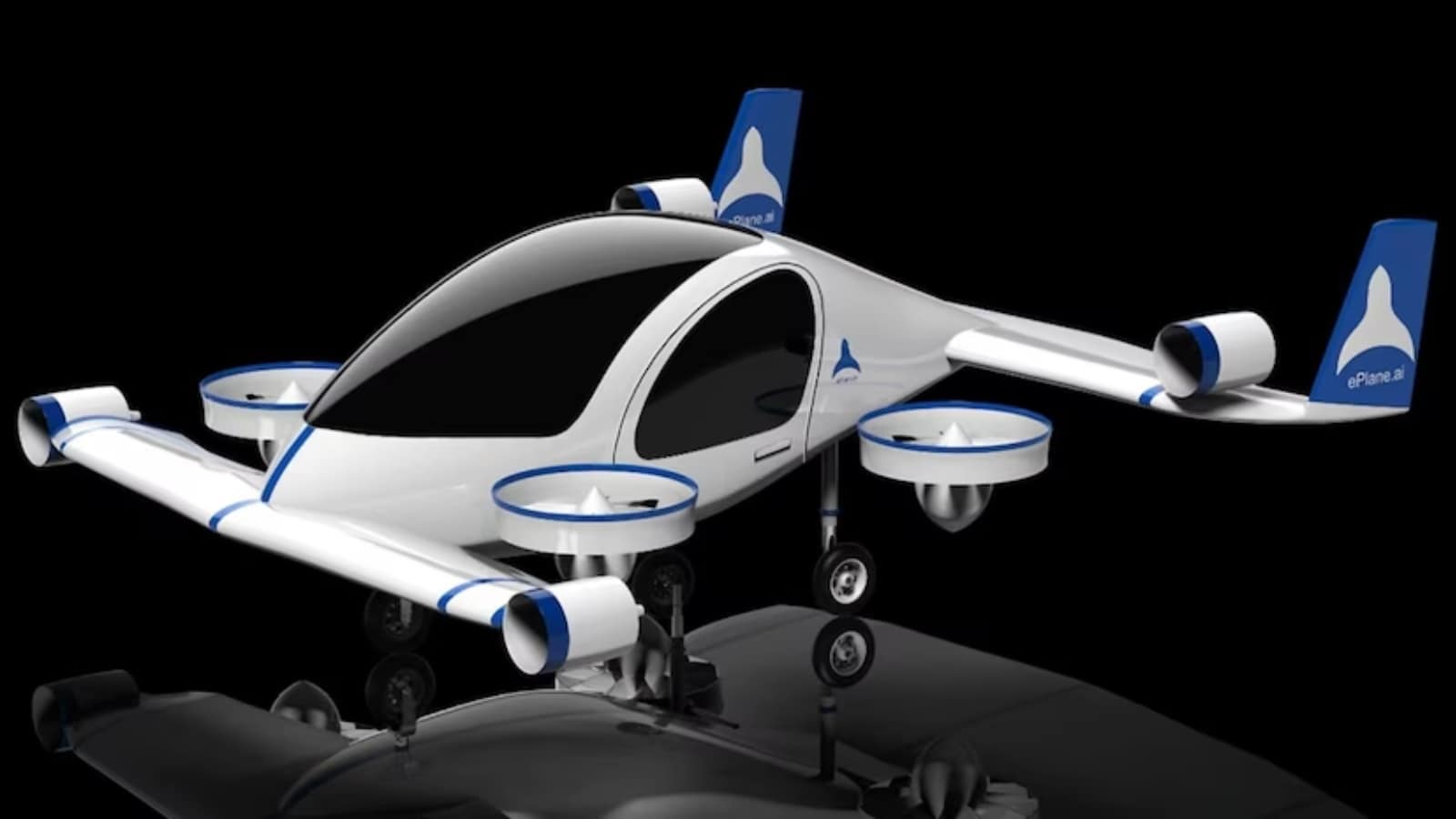
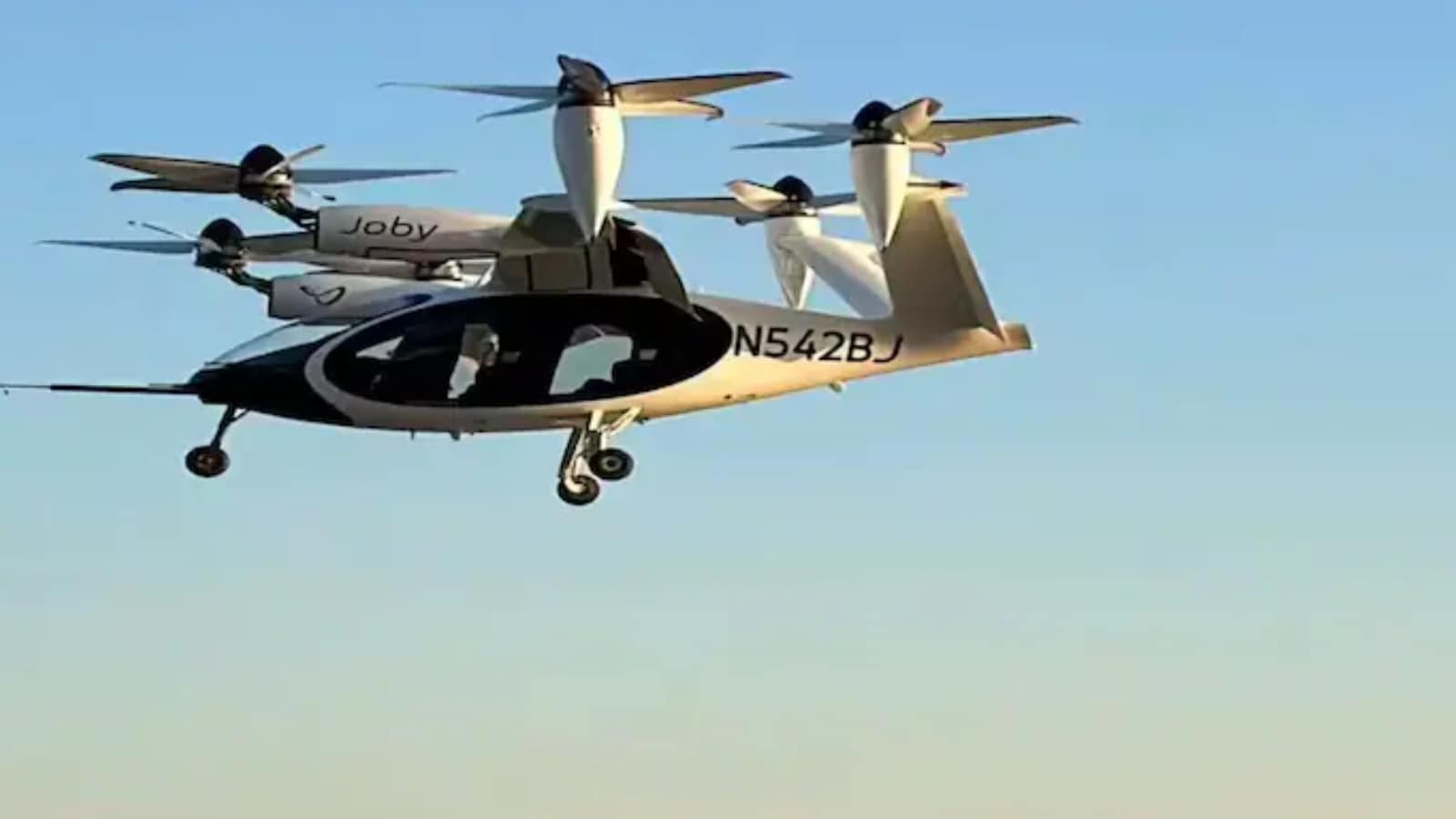
Sarla Aviation’s proposed eVTOL aircraft is being developed as a combination of features associated with a drone, helicopter and small aircraft. The planned aircraft is expected to carry six passengers and one pilot. The company is also focusing on manufacturing a large proportion of the aircraft’s components in India, with the aim of controlling production costs and developing a Made-in-India eVTOL ecosystem.

The flying taxi concept has already moved beyond the planning stage in Bengaluru. Bengaluru Airport has signed an agreement with Sarla Aviation for last-mile connectivity. If the aircraft successfully complete testing and receive the necessary government approvals, flying taxis could eventually offer Bengaluru passengers another option for travelling between the airport and the city.
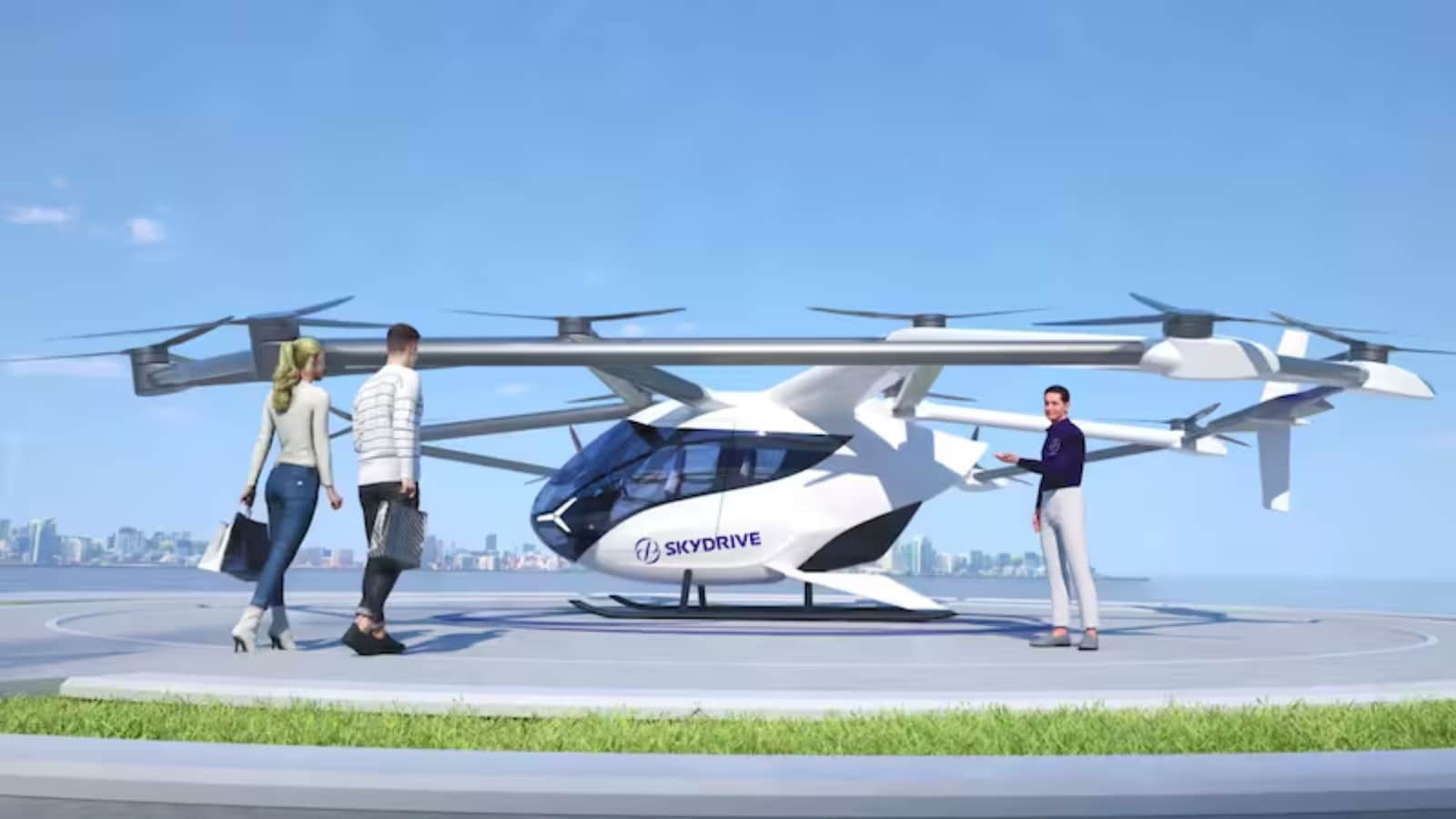
Can Flying Taxis Really Replace Cabs? The technology could transform urban travel by taking passengers above congested roads, but several hurdles remain before flying taxis become a routine mode of transport. Safety certification, airspace management, infrastructure, charging facilities, manufacturing costs and, crucially, passenger fares will determine whether eVTOLs become a mass-market transport option. Much like app-based cab services changed how people book and use taxis, flying taxis are being positioned as a potential new chapter in urban mobility. If the technology, regulations and economics all fall into place, the journey from India’s airports to its busiest cities could one day happen not on the road, but in the sky.