Delhi Metro Beats Hong Kong, Paris And New York With 99.95% Trains On Time


Delhi News Update: Delhi Metro Rail Corporation (DMRC) has achieved an exceptional train punctuality rate of 99.95% in 2026, placing it among the five most reliable Metro systems worldwide, according to international benchmarking conducted by the Community of Metros (COMET). The milestone comes as DMRC continues to operate one of the world’s largest urban rail networks. The benchmarking exercise covered 45 major Metro systems globally, with Delhi Metro outperforming systems in cities including Hong Kong, Paris and New York on the punctuality measure cited.
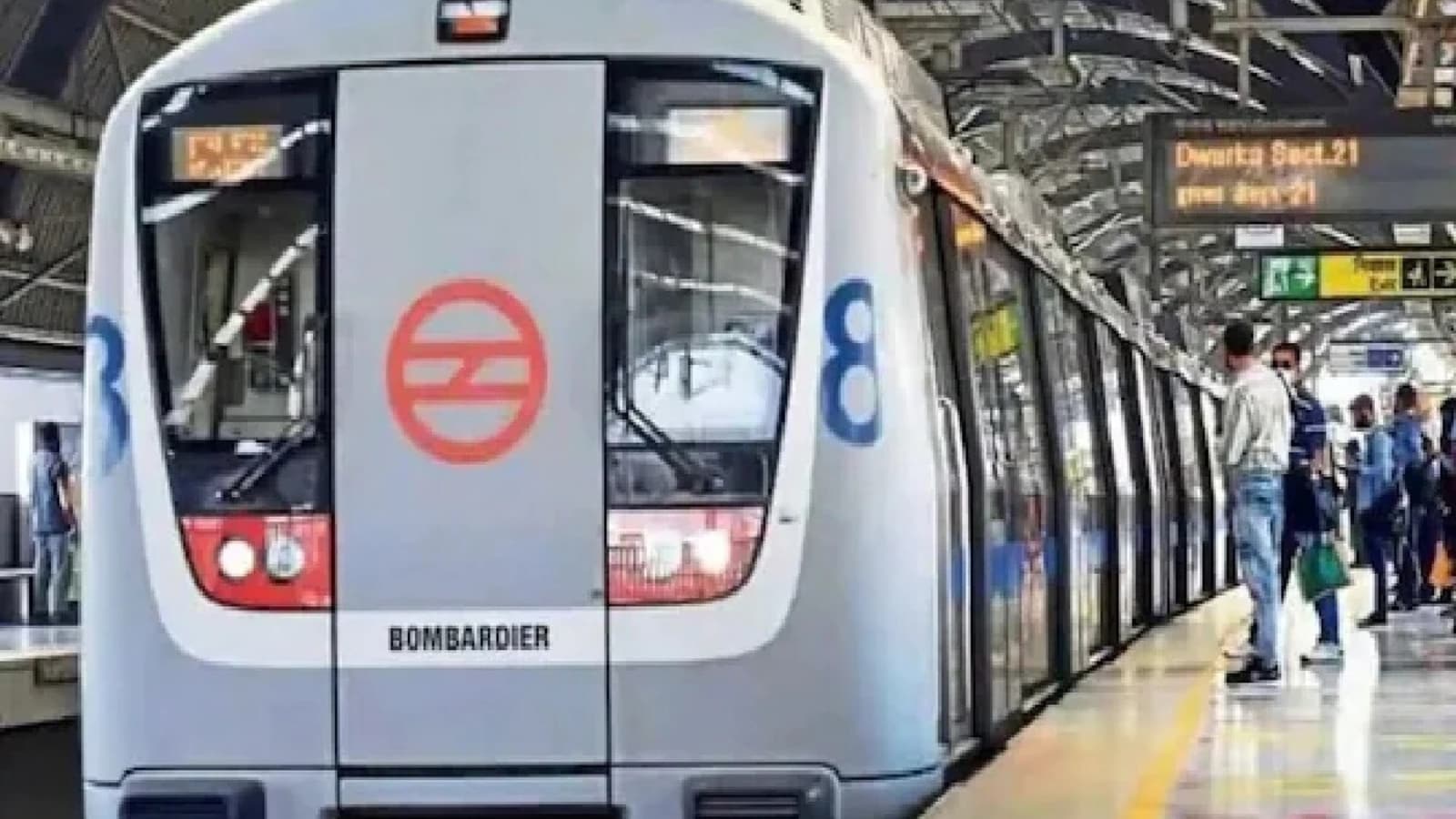
DMRC said it has maintained train punctuality of around 99.9% year after year. In 2026, the figure rose to 99.95% despite the expansion of its network and fleet. The corporation also recorded a Mean Distance Between Failures (MDBF) of 2.72 million car-kilometres. The international reliability indicator measures the average distance a Metro train travels before experiencing a service-affecting failure.
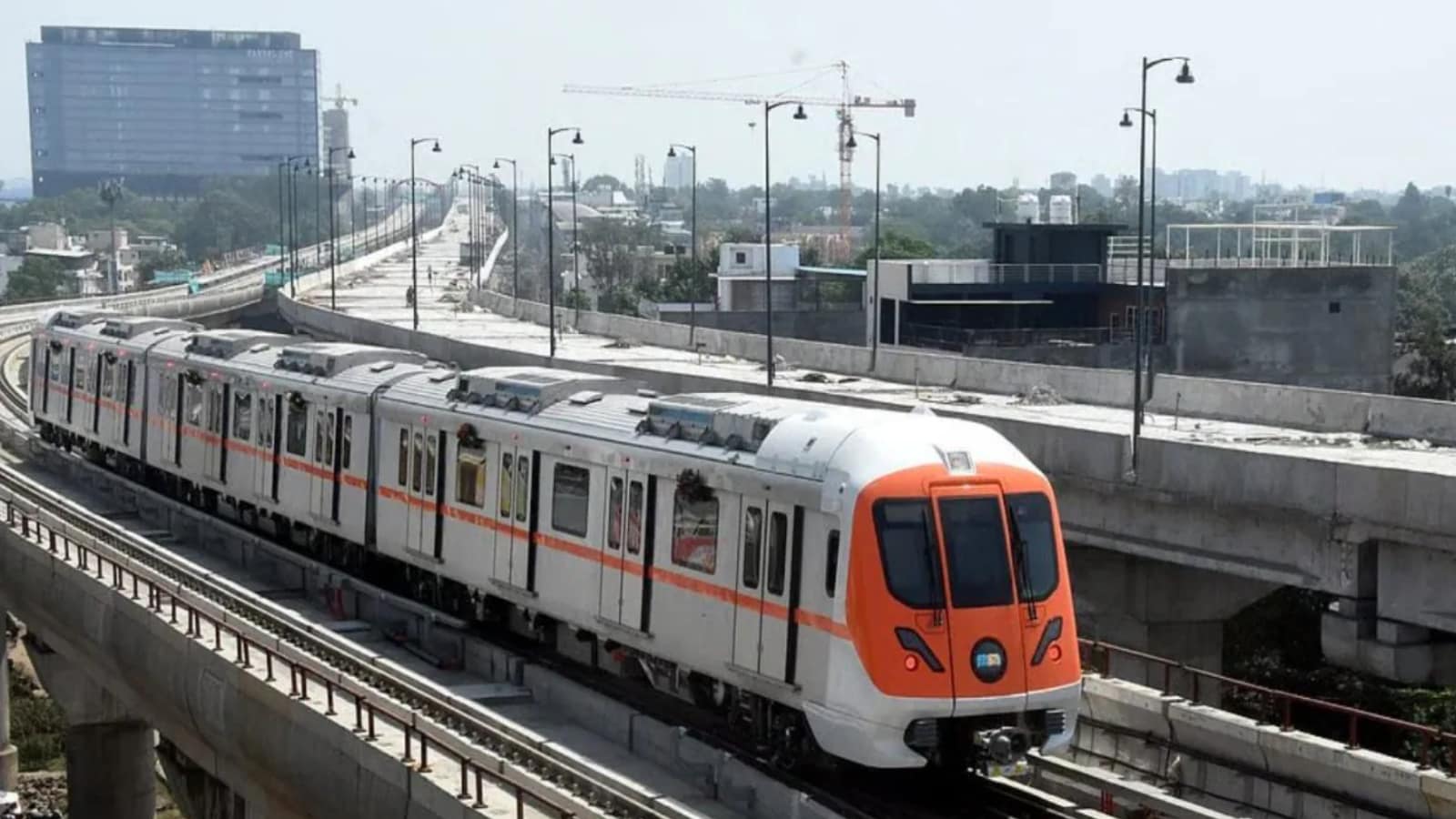
Delhi Metro uses a particularly strict definition when calculating punctuality. A train is counted as delayed if it reaches its destination more than 59 seconds after its scheduled arrival time. DMRC said this benchmark differs from that used by several other Metro systems, where delays may be measured using a threshold of several minutes.
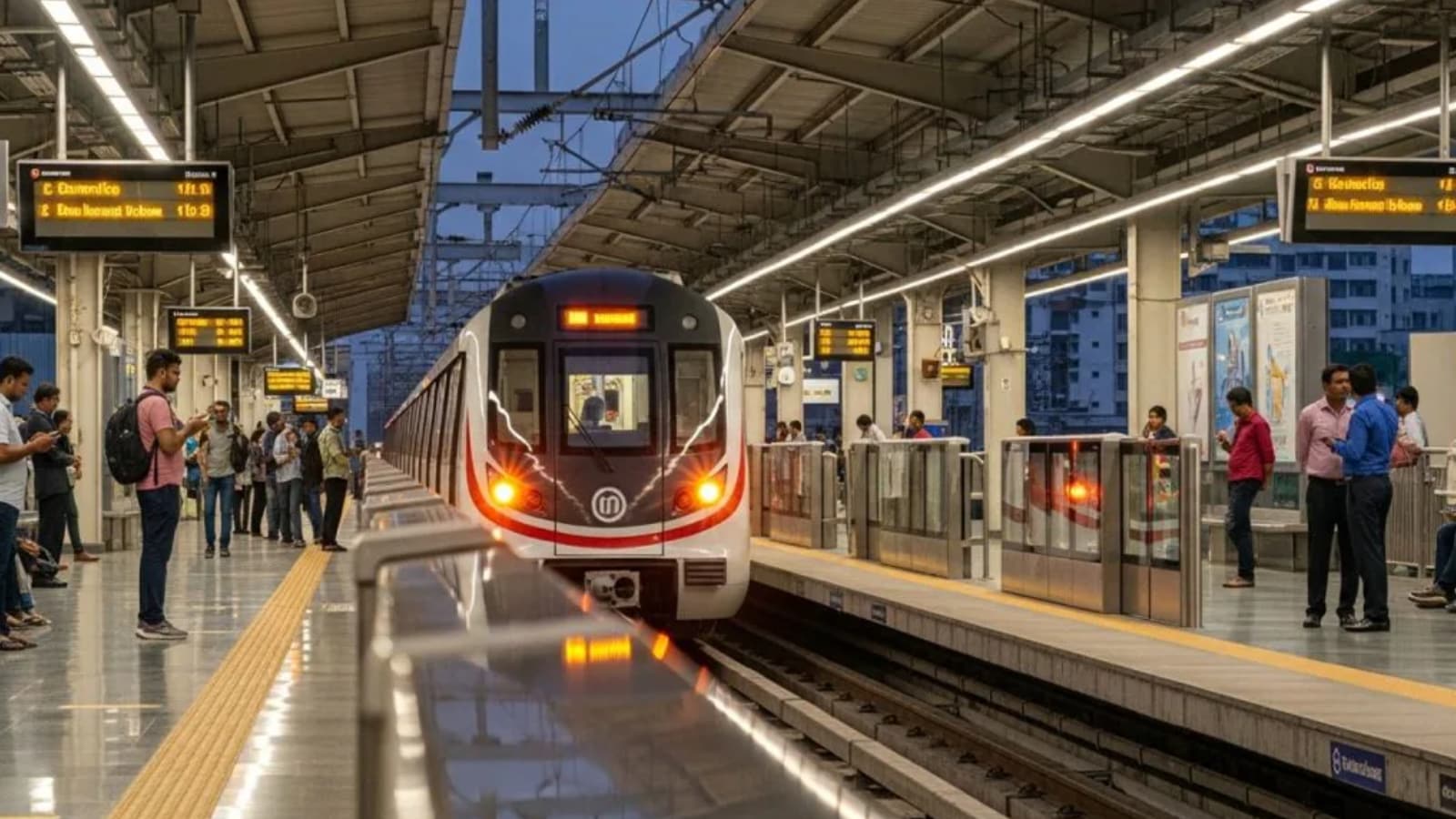
Around 29% of the Delhi Metro network operates under Unattended Train Operation (UTO), making it India’s largest driverless Metro network. One of its driverless corridors extends for 71.55 km and has 45 stations. The network also has 31 interchange stations connecting different parts of Delhi and the National Capital Region.

Delhi Metro started operations on December 25, 2002, with an 8.4-km stretch connecting Shahdara and Tis Hazari through six stations. Within its first year, the system achieved 98.27% train punctuality. By 2005, the figure had climbed to 99.64%, setting the foundation for the high reliability levels the network maintains today.

Delhi Metro has also significantly improved train frequency on its busiest corridors. The gap between trains, or headway, has been reduced to as little as 2 minutes 18 seconds on the busiest stretches, compared with around seven minutes during the network’s initial years. The improvement has helped DMRC accommodate the rapid growth in passenger numbers as the network expanded across the National Capital Region.
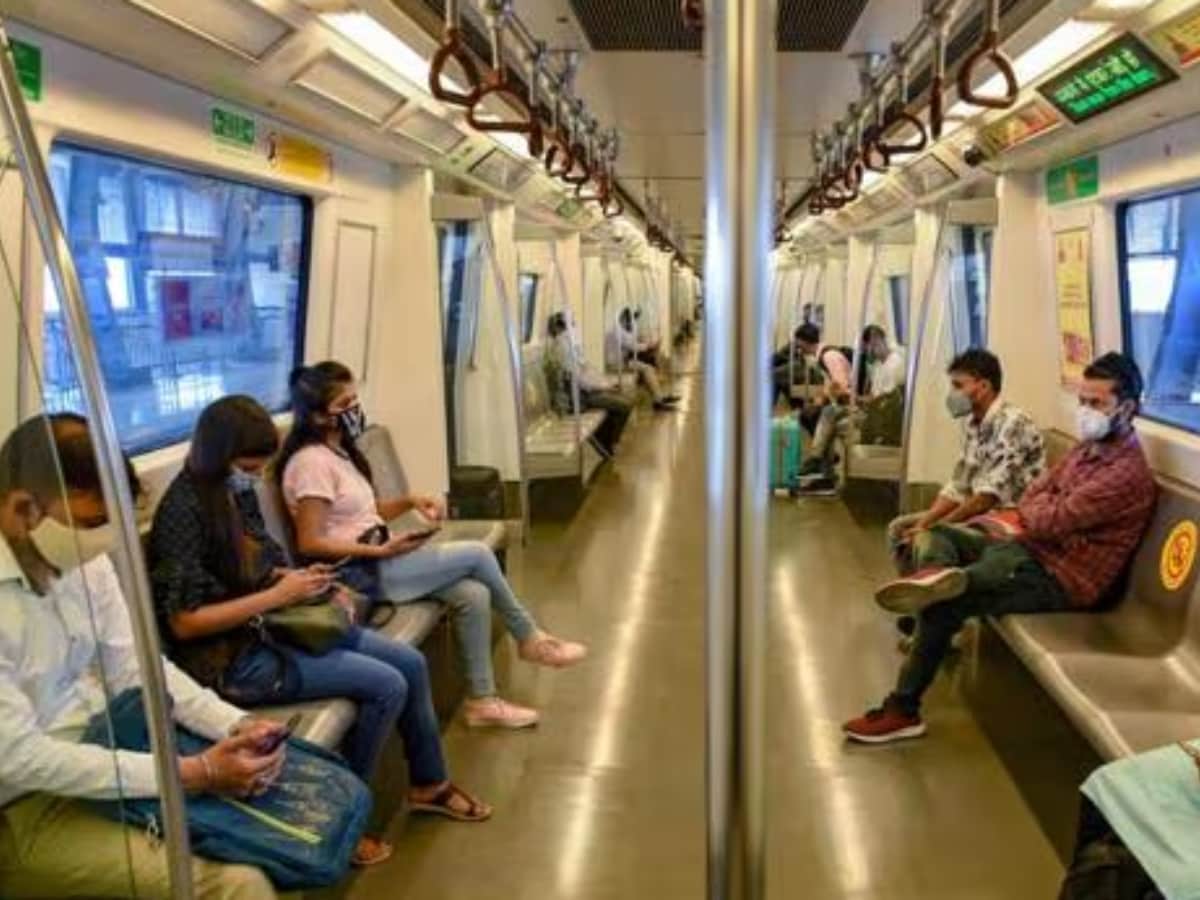
More than two decades after its launch, Delhi Metro has grown from a single 8.4-km corridor into India’s largest Metro rail network. DMRC currently operates a network spanning 416.5 km across 12 lines and 303 stations. The network has continued to expand alongside rising demand for mass rapid transit across Delhi and the wider NCR.

The growth of the network has been accompanied by a dramatic increase in passenger usage. Delhi Metro now records an average of around 6.406 million passenger journeys a day. From approximately 82,000 daily passenger journeys during its first year, the system reached a record of more than 8.1 million passenger journeys in a single day on August 8, 2025. The latest punctuality milestone comes as Delhi Metro continues to expand its network while handling millions of passenger journeys every day, strengthening its position as one of the world’s major urban rail systems.