40% Complete In 14 Months; Check When It Will Open And Who Benefits
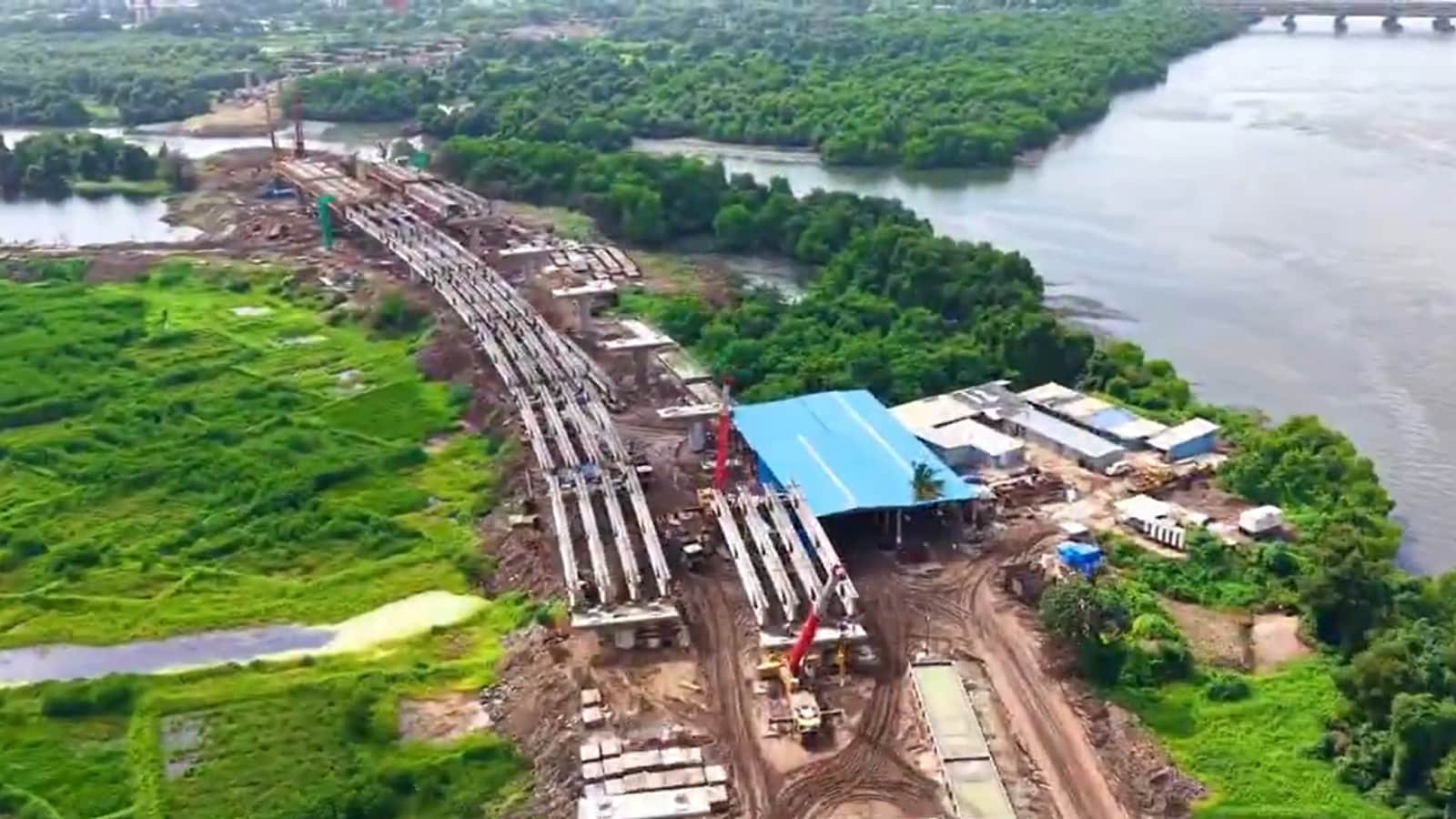
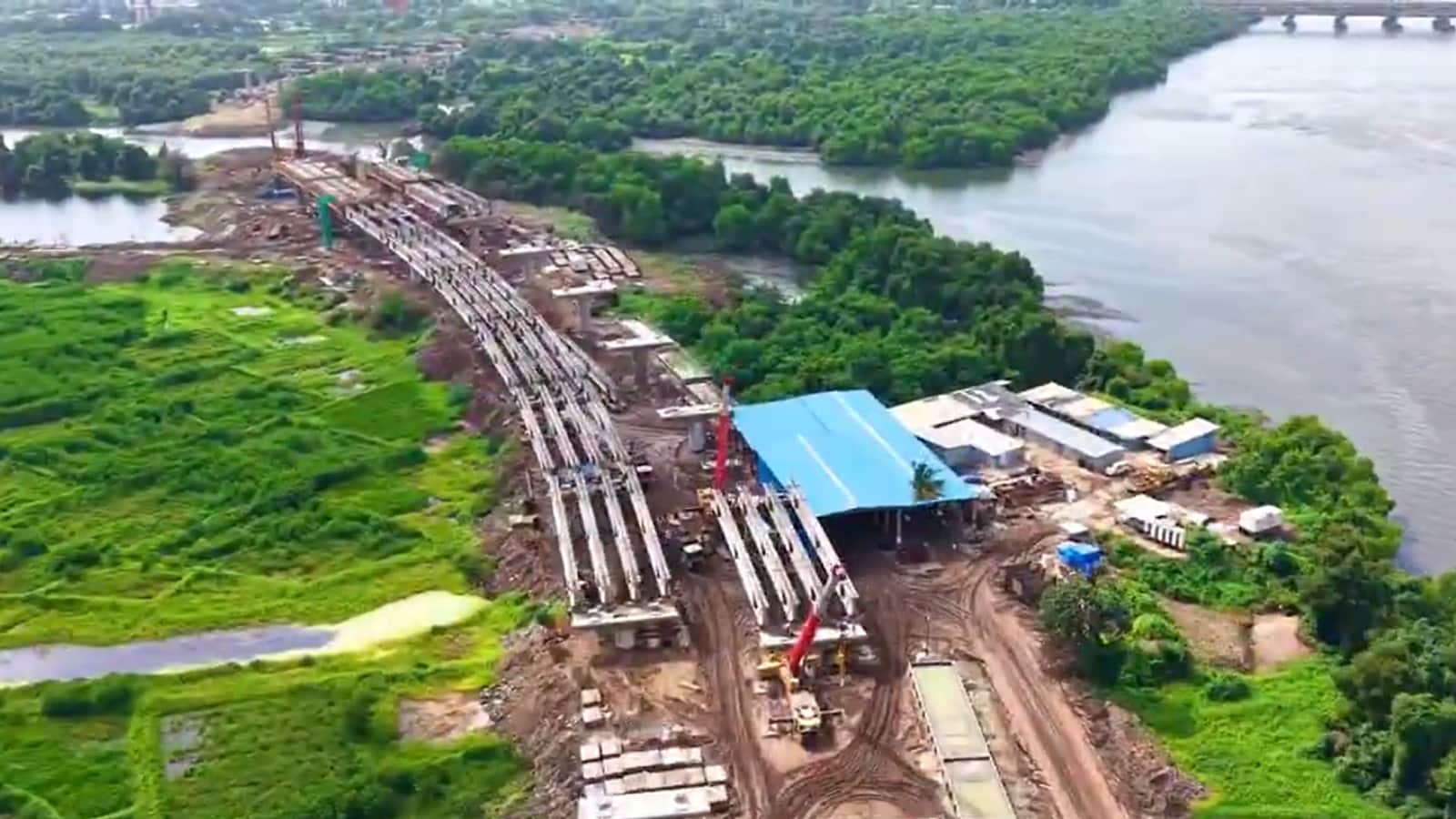
The Thane Coastal Road-1 project has crossed the 40% completion mark within 14 months, bringing the city’s long-awaited alternative to Ghodbunder Road a step closer to reality. The 13.45-km, six-lane road is being built between Kharegaon Toll Naka and Gaimukh. According to earlier project updates, the project is expected to be completed by December 2028. (X/@MMRDAOfficial)
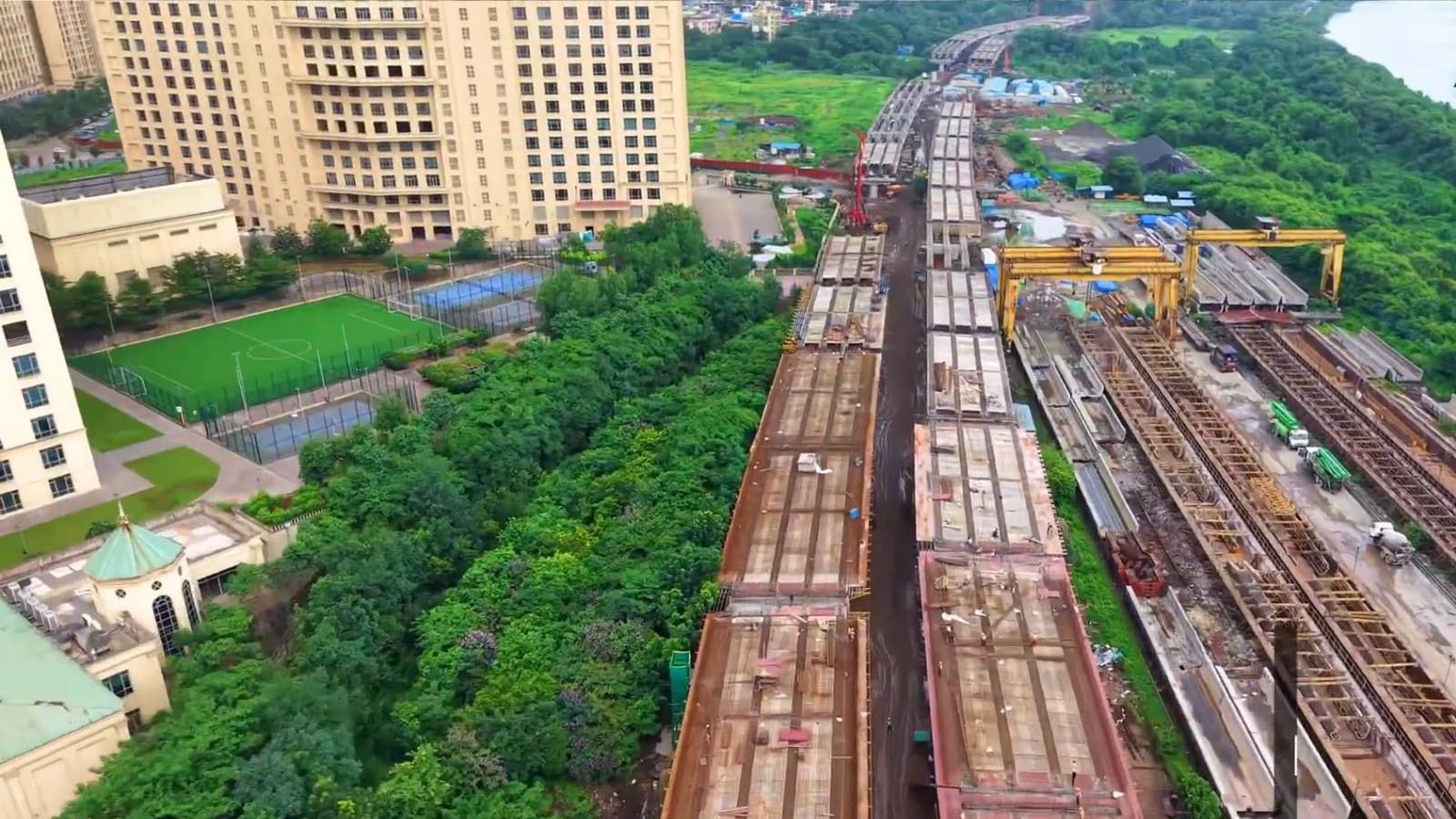
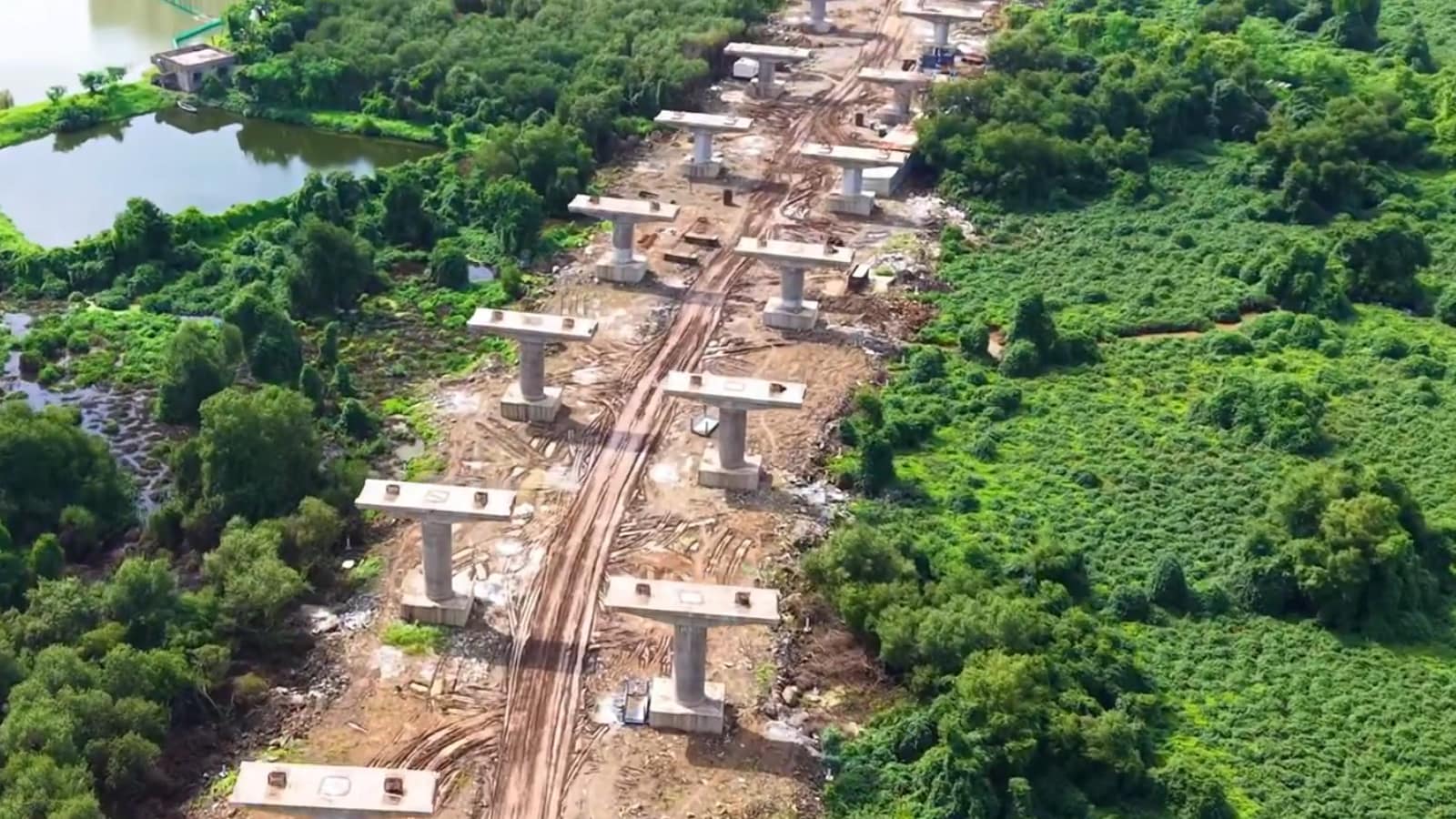
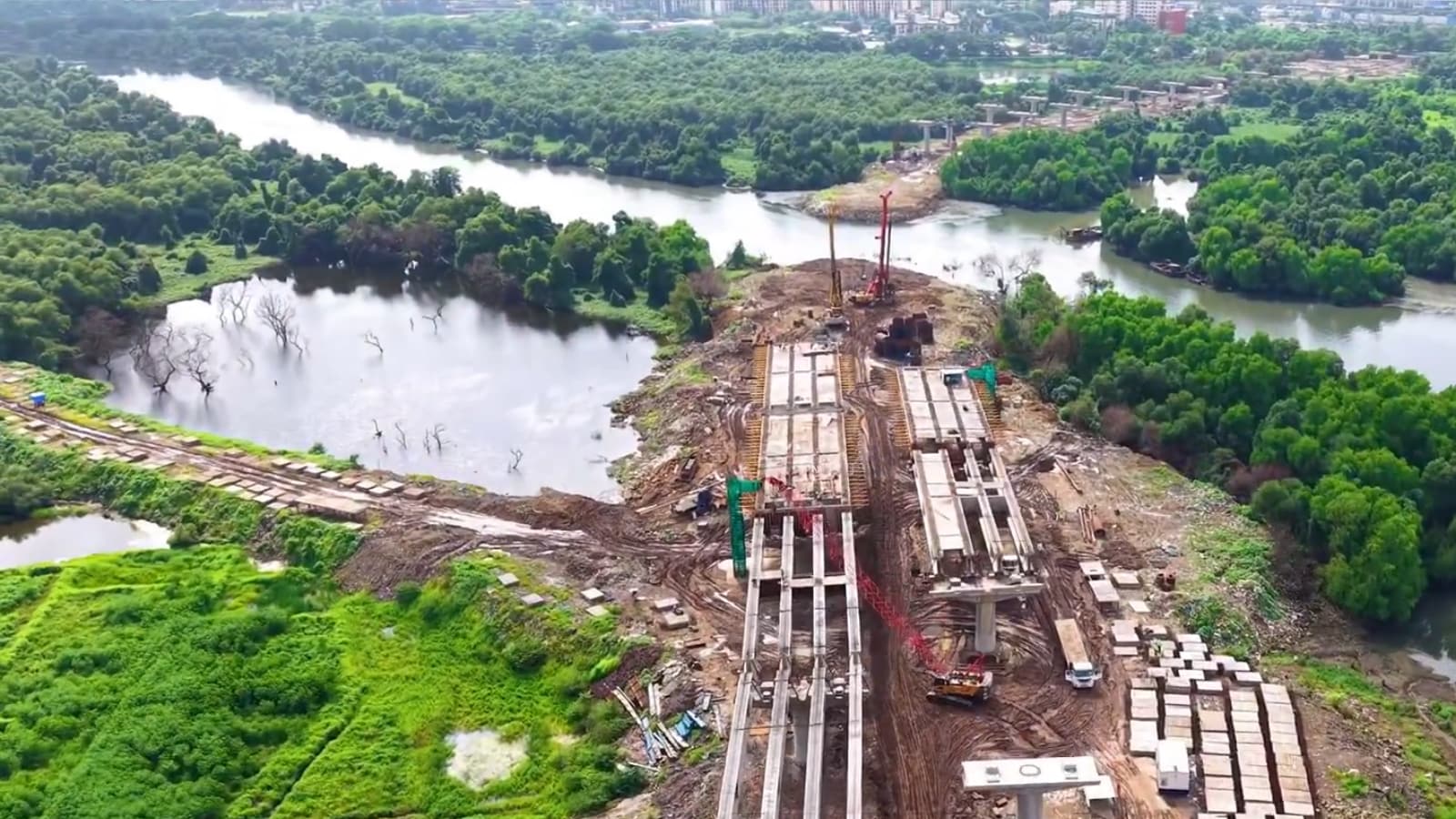
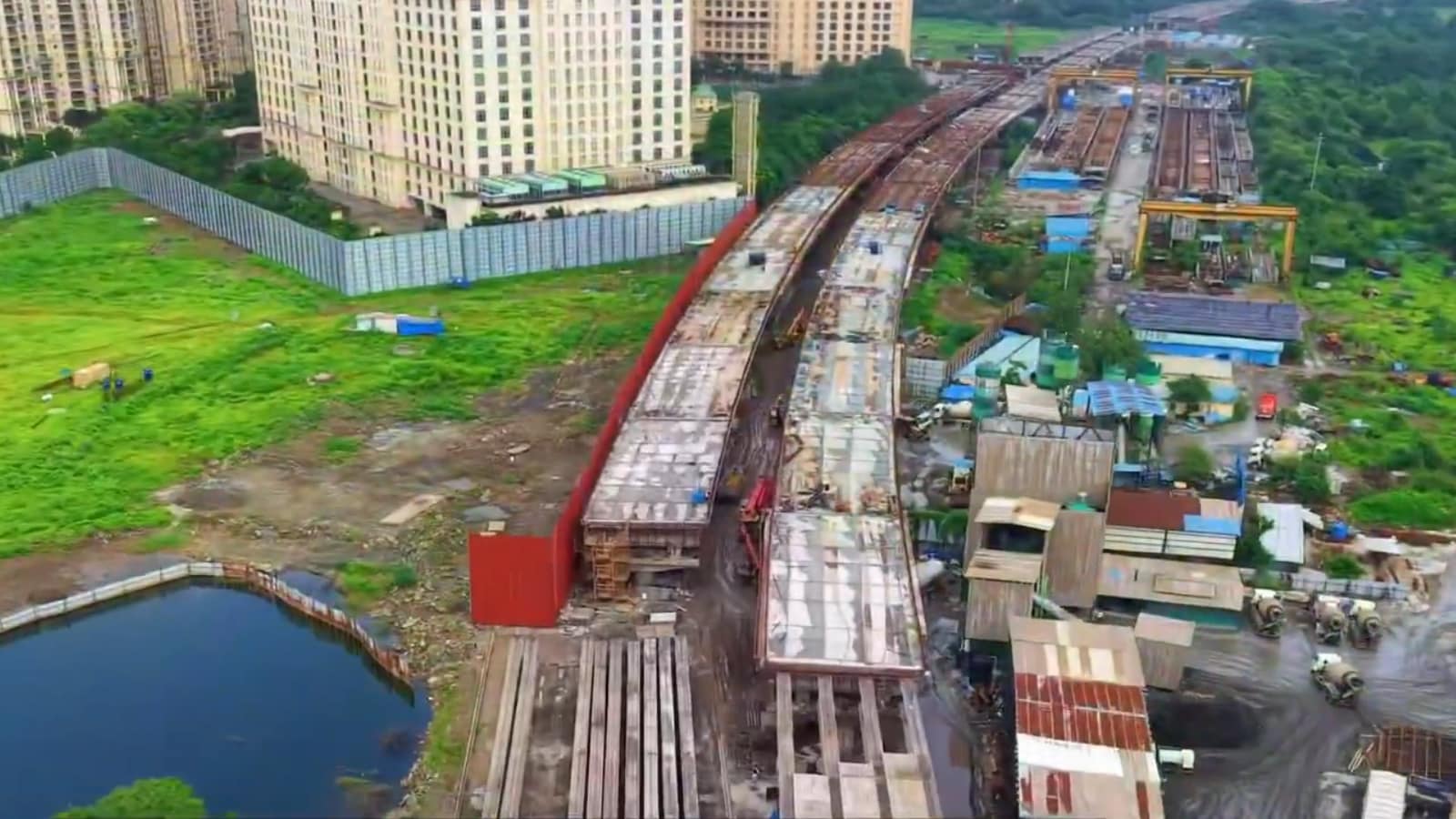
For residents who regularly deal with traffic on Ghodbunder Road, the significance of the project is straightforward: once open, the new route is expected to take a substantial share of local and through traffic away from the existing road. As of September 2, 332 of the 426 working piles have been completed, taking piling progress to 77%. Work on 277 of the 426 piers is also complete, while 460 pier caps have been cast. The next visible stage of construction is also gathering pace. 501 of the planned 1,632 I-girders have been erected and 13 deck-slab spans have been completed. (X/@MMRDAOfficial)
Why Residents Are Watching This Project Closely? For people living in and around Ghodbunder Road, the biggest issue is not the construction milestone itself but what the completed road could do to everyday travel. Ghodbunder Road currently carries a mix of local traffic, long-distance vehicles and heavy commercial traffic. This can create bottlenecks, particularly when traffic from Thane, Bhiwandi, Mira-Bhayandar and other parts of the region converges on the corridor. (X/@MMRDAOfficial)
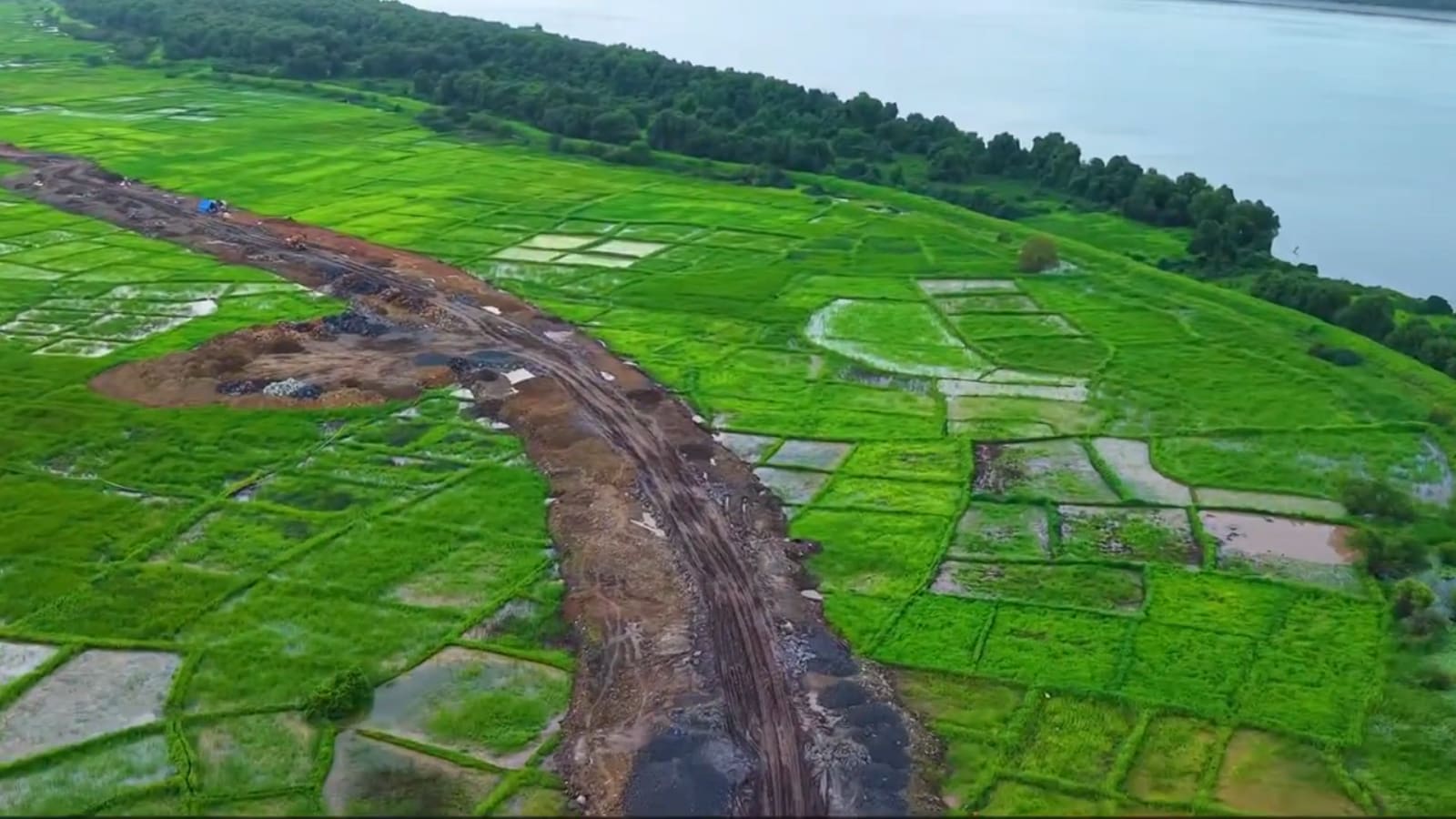
The Coastal Road is being developed as an alternative route between Kharegaon and Gaimukh. It is expected to provide a more direct option for traffic that does not need to use the existing Ghodbunder Road stretch. An earlier project assessment said the journey between the two points, which can currently take more than 40 minutes in traffic, could eventually come down to around 15 minutes on the new route. That does not mean every resident will suddenly see a 15-minute journey. The actual benefit will depend on where people start and end their trips, traffic volumes and how effectively the new road connects with other routes. (X/@MMRDAOfficial)
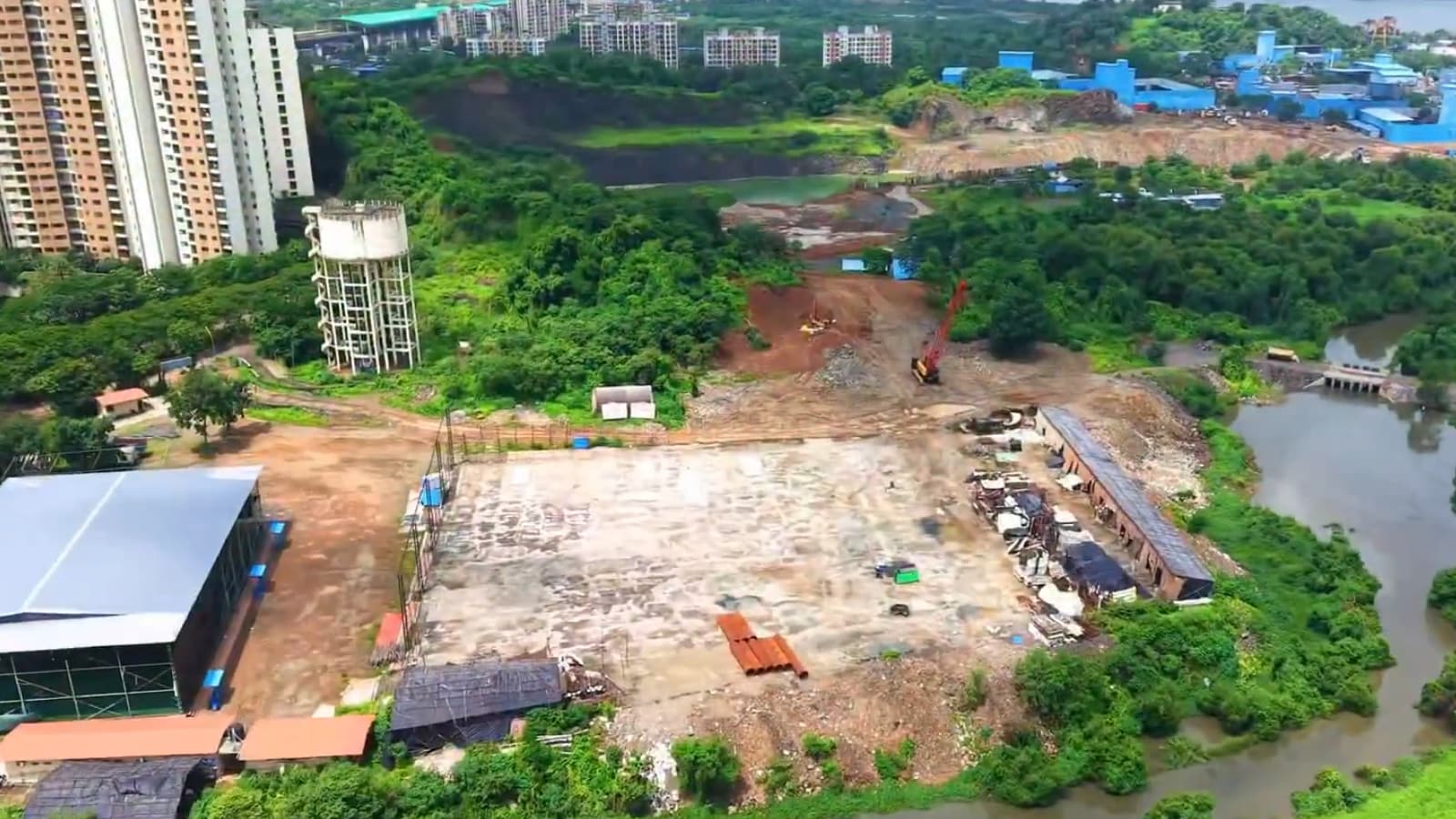
What Will Change For People Living Near Ghodbunder Road? The biggest expected change is the separation of different types of traffic. According to reports, the project includes a 40- to 45-metre-wide Development Plan road, which is intended to help separate local traffic from longer-distance and inter-city traffic. For residents making short trips between neighbourhoods along Ghodbunder Road, this could mean fewer conflicts with vehicles travelling much longer distances. For people travelling towards Nashik, Bhiwandi, Gujarat or northern parts of the Mumbai Metropolitan Region, the new corridor could provide an alternative to the existing congested route. (X/@MMRDAOfficial)
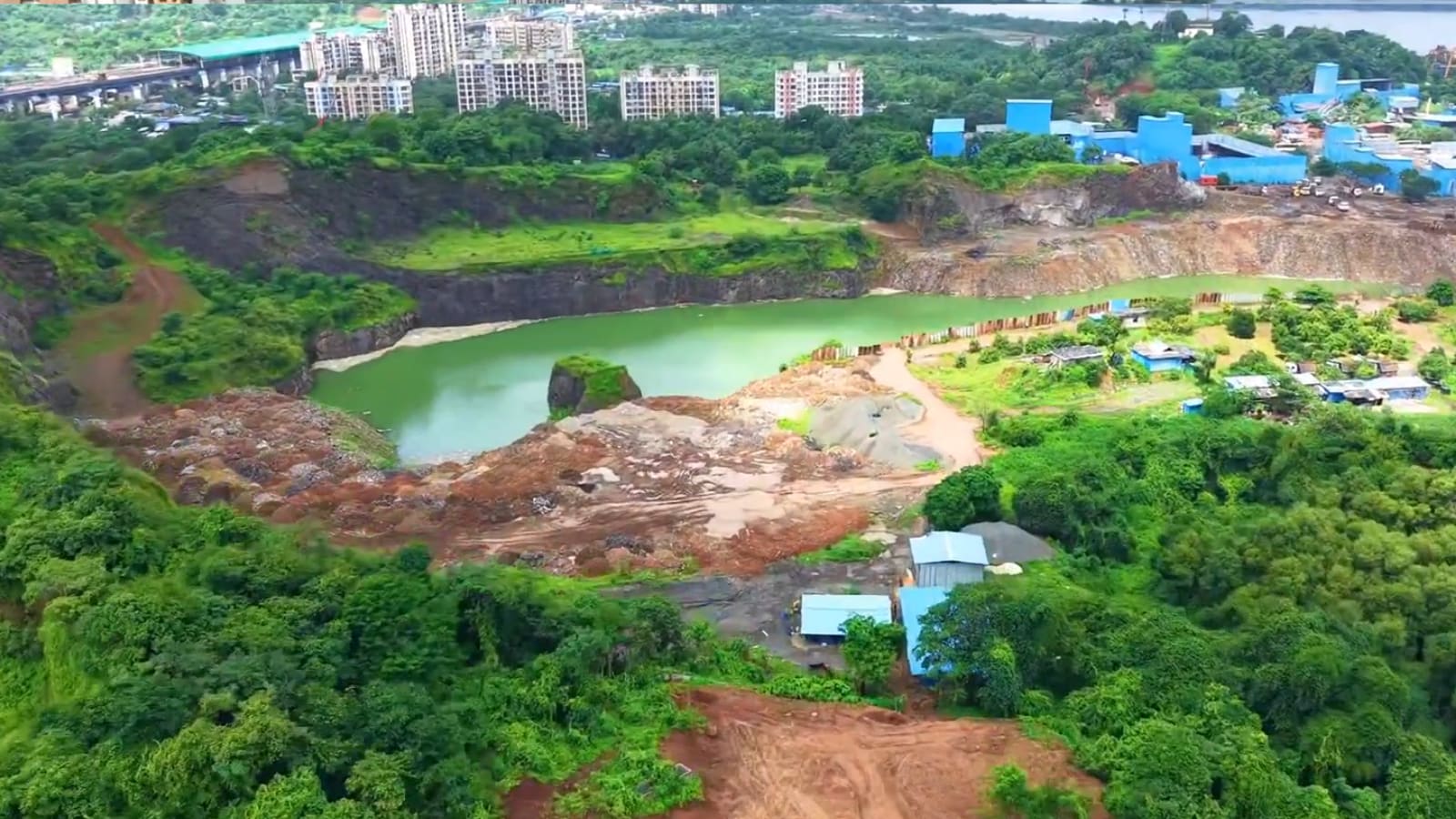
An Elevated Road Through The Mangrove Area: A significant portion of the Coastal Road will be elevated rather than built directly at ground level. The project includes an 8.11-km elevated stretch through mangrove areas and a 240-metre creek bridge. The elevated design is intended to reduce the impact on the sensitive mangrove ecosystem while allowing the road to cross difficult terrain and waterways. (X/@MMRDAOfficial)
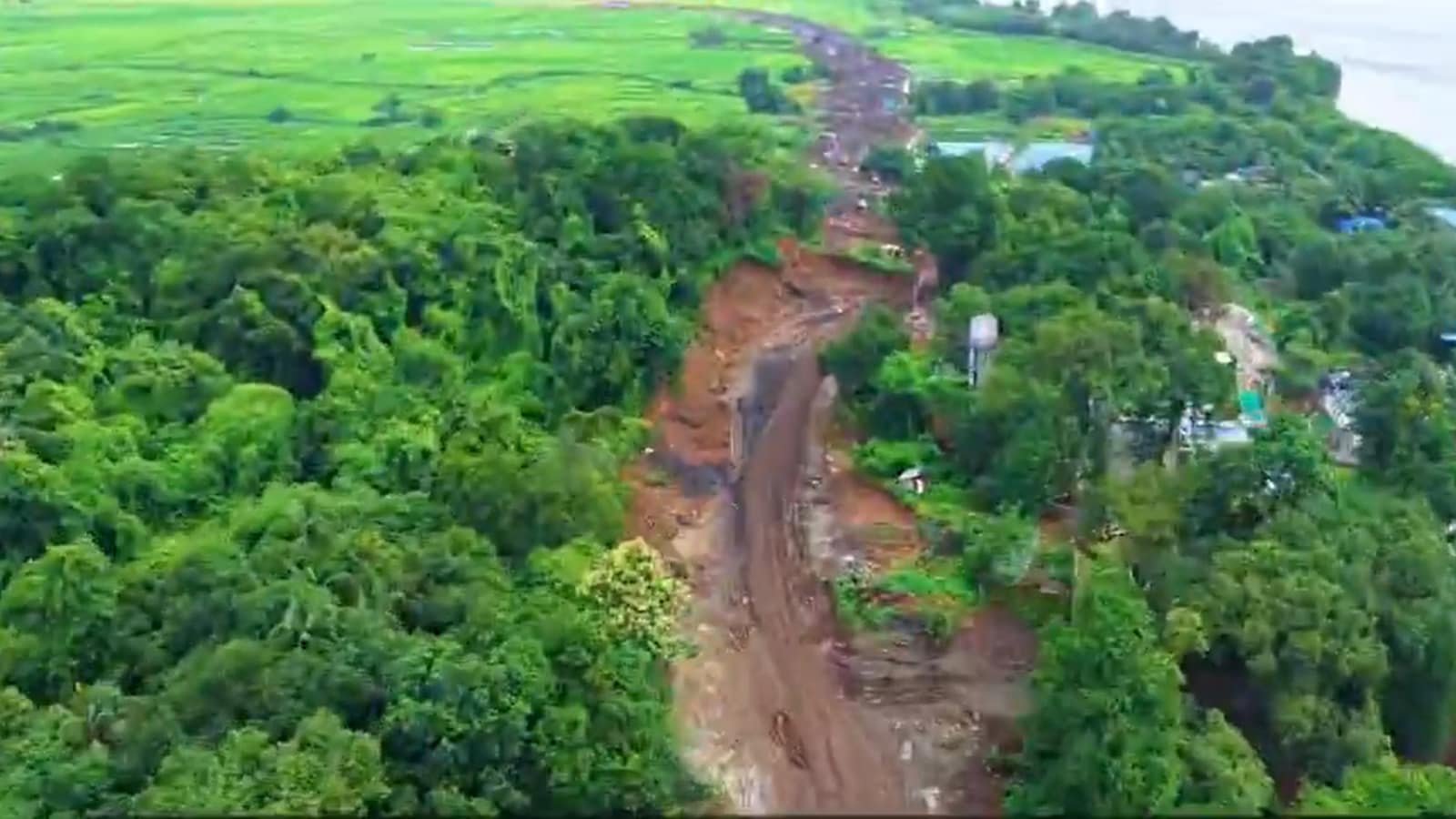
The project is also using a single-pile, single-pier arrangement with monopile foundations on land, described by the authorities as the first use of this system for a greenfield road project in India. For residents, the practical takeaway is that a large part of the new route will run above ground rather than becoming another major surface road cutting through the area. (X/@MMRDAOfficial)
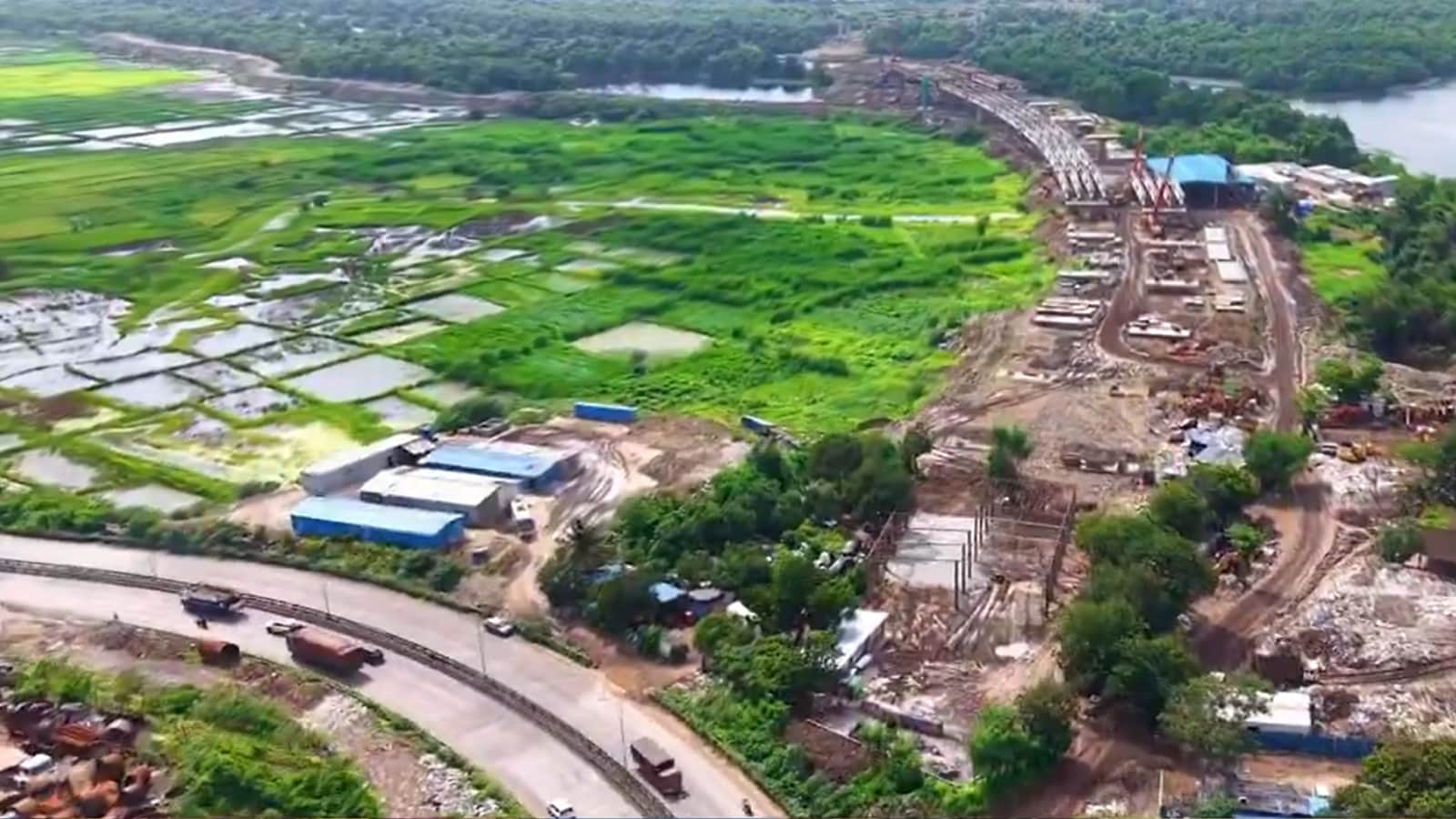
Gaimukh Will Become An Important Connecting Point: The road’s importance does not end at Gaimukh. At Gaimukh, the Coastal Road is planned to connect with the upcoming Gaimukh-Fountain Hotel Tunnel, which will improve the link towards Bhayander. This could eventually give residents another option for travelling between Thane and the western side of the Mumbai Metropolitan Region without depending as heavily on existing congested routes. The Coastal Road will also connect with other planned infrastructure, including Thane Coastal Road-2, the Saket-Aamne Elevated Corridor and the Kasarvadavali-Kharbhav Road. (X/@MMRDAOfficial)
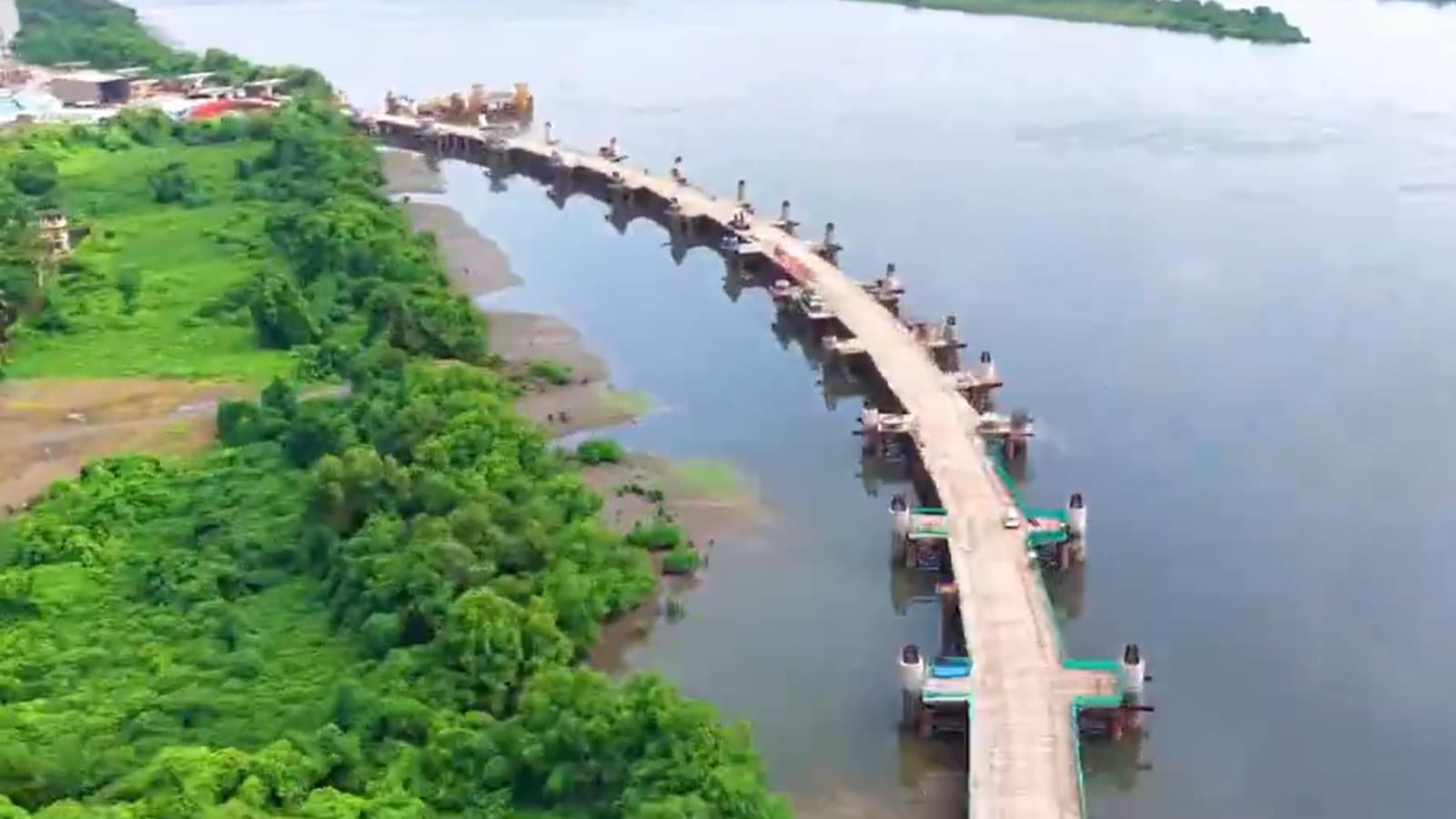
Another project moving ahead nearby is the Gaimukh-Payegaon Creek Bridge, which is expected to complement the Coastal Road. The 6.509-km, four-lane elevated road will connect Gaimukh with Chinchoti and Payegaon, creating a more direct route towards Bhiwandi, Vasai and northern parts of the Mumbai Metropolitan Region. The project is currently around 25% complete, with piling along the Thane Creek section more than 95% complete and pier and pier-cap work progressing at both ends. (X/@MMRDAOfficial)
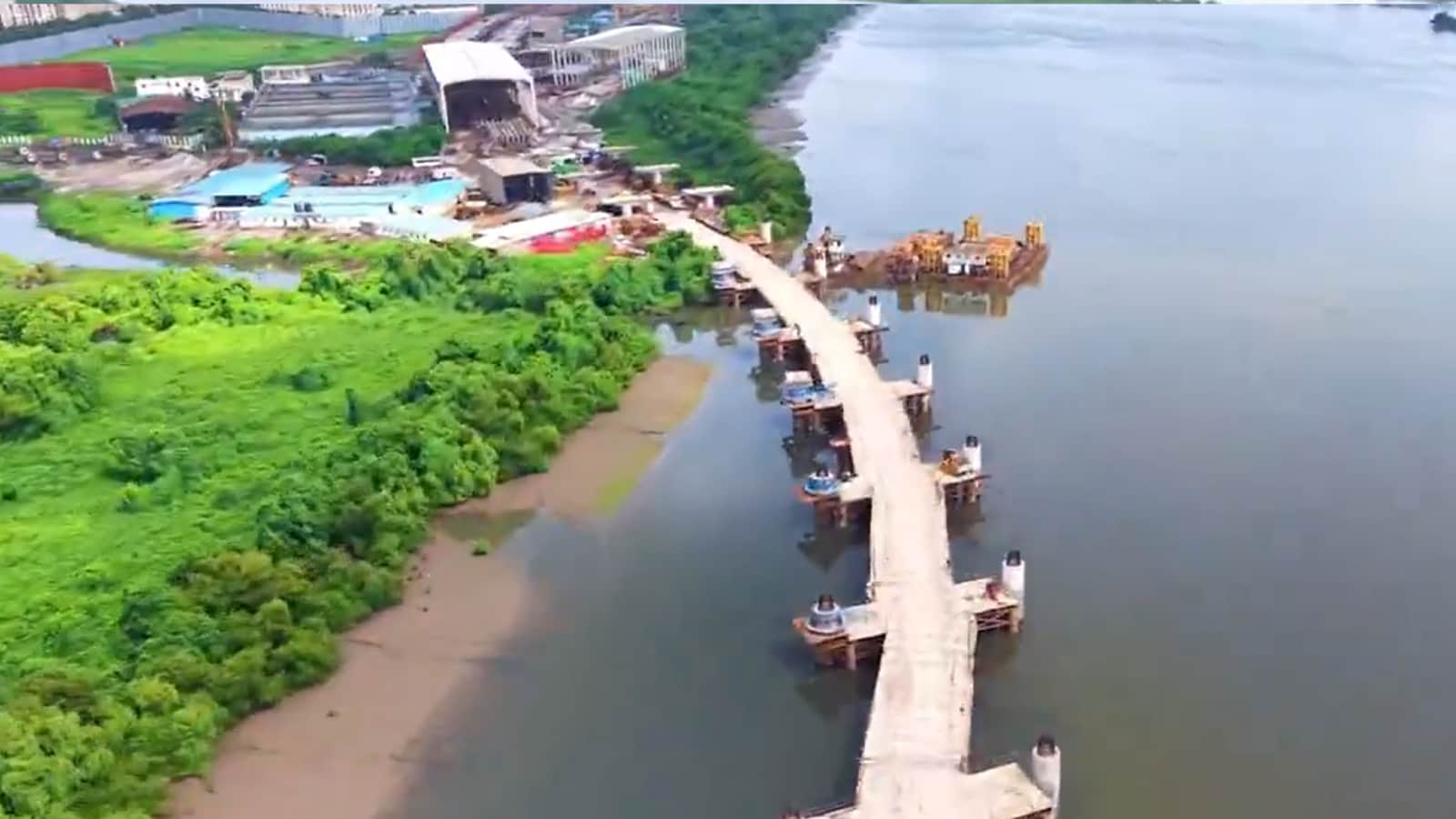
The project has a 42-month completion period, comprising 12 months for design and environmental clearances and 30 months for construction. MMRDA’s latest project information lists the physical progress at 23%. Because the project schedule includes approvals and design work, its final opening timeline should be treated separately from the Coastal Road’s December 2028 target. (X/@MMRDAOfficial)
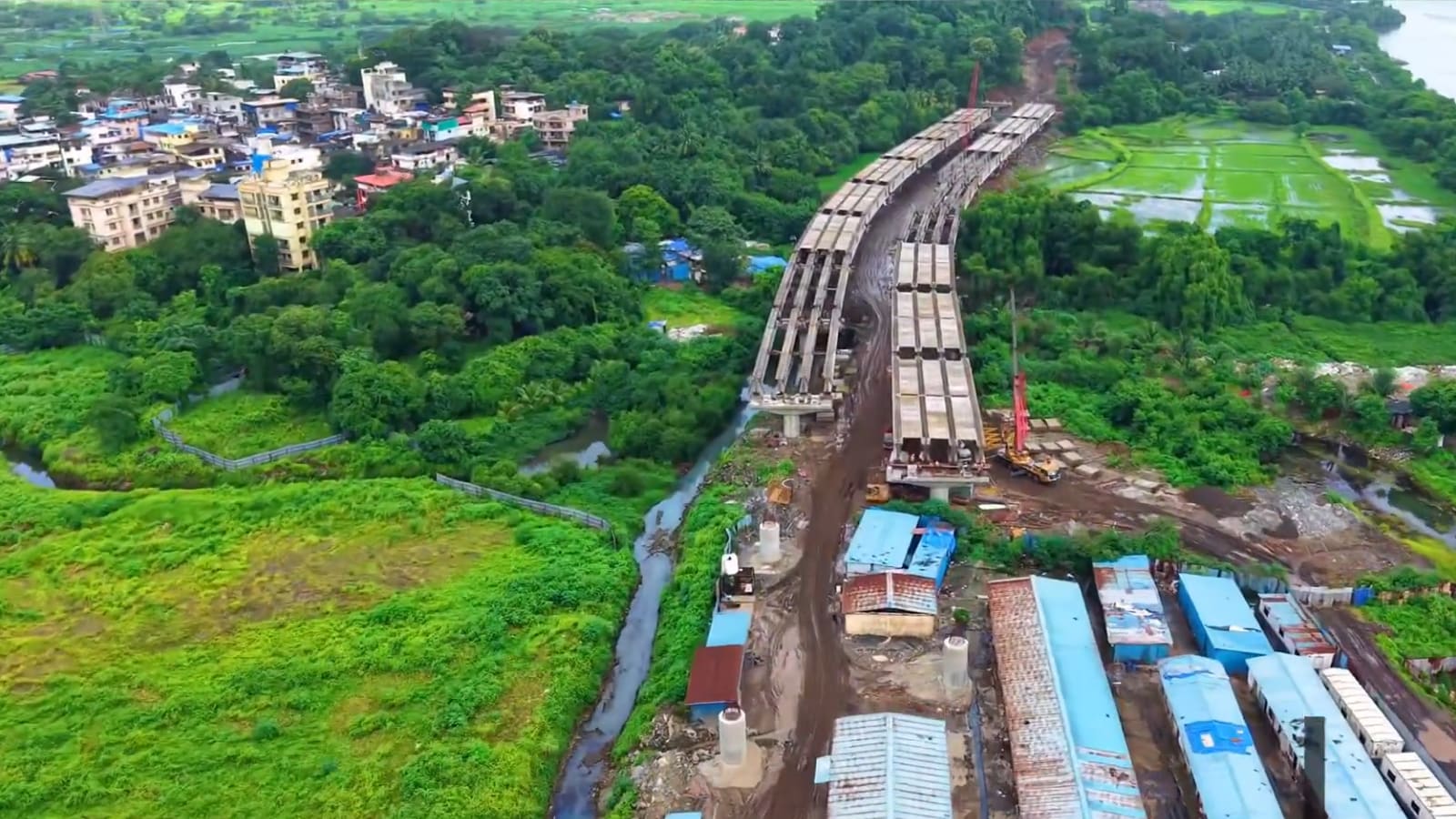
Why The Gaimukh-Payegaon Bridge Matters To Residents? At present, people travelling between Gaimukh and places such as Chinchoti, Payegaon and Vasai have to take a longer route through the Fountain Hotel Junction and Chinchoti. The existing road journey between Gaimukh and Payegaon is around 31.5 km and can take about 1.5 hours, according to project information. The new bridge is intended to shorten that connection considerably. For residents, this could mean easier access between Thane, Bhiwandi and Vasai, while businesses and freight operators would have another route for moving goods. It could also reduce the pressure created by heavy vehicles on existing roads. (X/@MMRDAOfficial)
The real benefit for residents is likely to come not from one road in isolation, but from the way these projects connect. The Coastal Road would provide an alternative to Ghodbunder Road between Kharegaon and Gaimukh. The Gaimukh-Payegaon bridge would then extend connectivity towards Chinchoti, Payegaon, Bhiwandi and Vasai. Other planned links, including the Thane Ring Metro, Thane Coastal Road-2, the Saket-Aamne Elevated Corridor and Kasarvadavali-Kharbhav Road, are expected to add further options for moving around the region. The broader plan is to give motorists and public transport more than one way to move through Thane instead of forcing large volumes of traffic through a handful of existing corridors. (X/@MMRDAOfficial)
For a resident travelling between Balkum, Kharegaon, Kolshet, Kasarvadavali and Gaimukh, the Coastal Road could eventually provide a faster alternative to sections of Ghodbunder Road. For those travelling towards Bhiwandi, Chinchoti or Vasai, the Gaimukh-Payegaon bridge could create a more direct connection. For people who use Ghodbunder Road for shorter local trips, the intended separation of local and inter-city traffic could be just as important as the new route itself. And for freight traffic, the new links could provide alternatives to existing roads, potentially reducing the number of heavy vehicles competing with daily commuters for road space. (X/@MMRDAOfficial)
When Will Residents Actually See The Benefit? The Coastal Road is not an immediate solution to today’s traffic problems. The project has now reached 40% completion, but construction still has a substantial distance to cover. The current target is to complete the 13.45-km Coastal Road by December 2028. The Gaimukh-Payegaon bridge is also still under construction and has a 42-month project schedule. This means residents should expect the benefits to come in stages rather than all at once. The important development is that both projects have moved well beyond the planning stage: foundations and structural work are now visibly progressing on the ground. (X/@MMRDAOfficial)