How Kolkata, Delhi, Bengaluru Saw Similar Storms
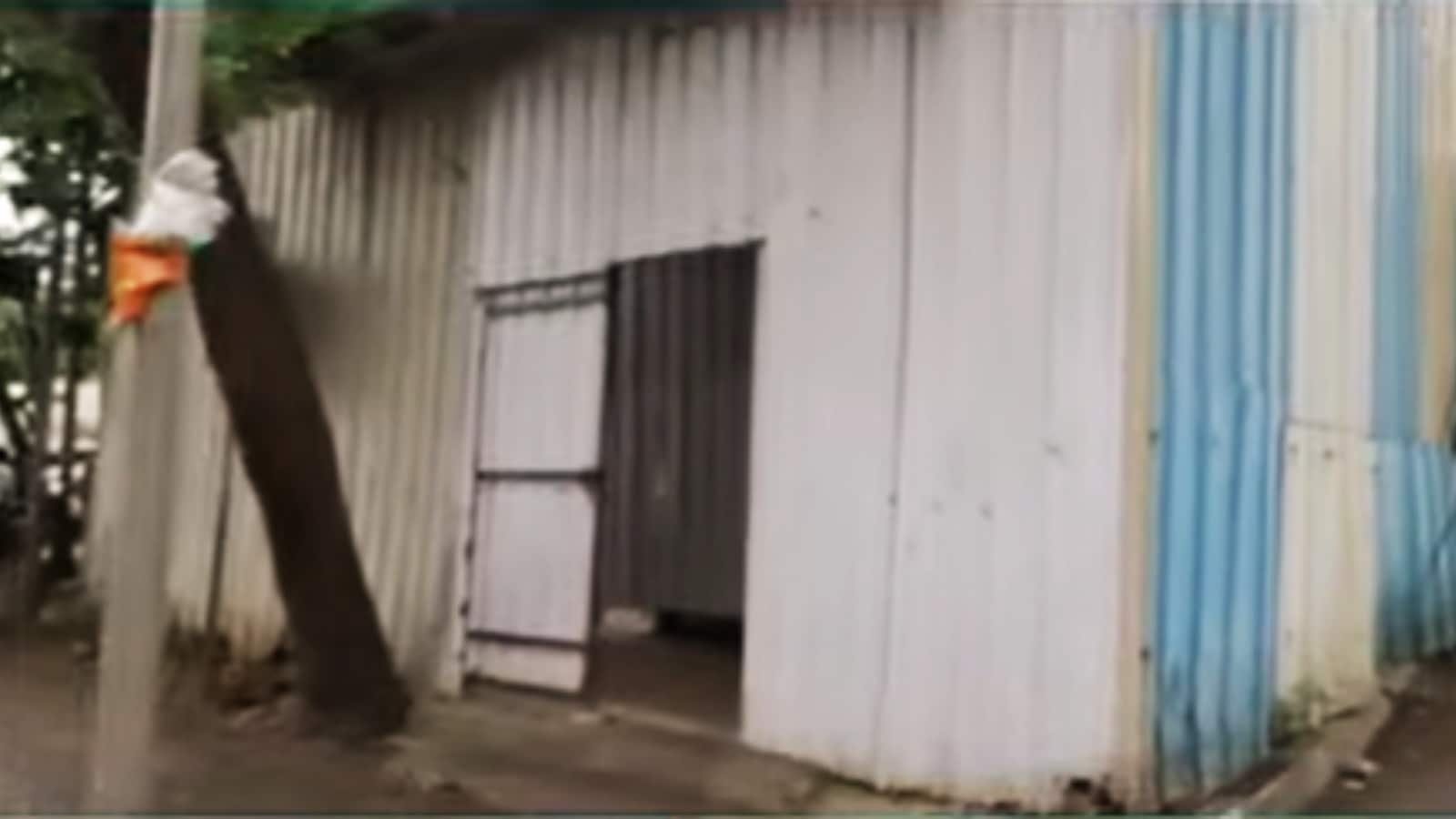
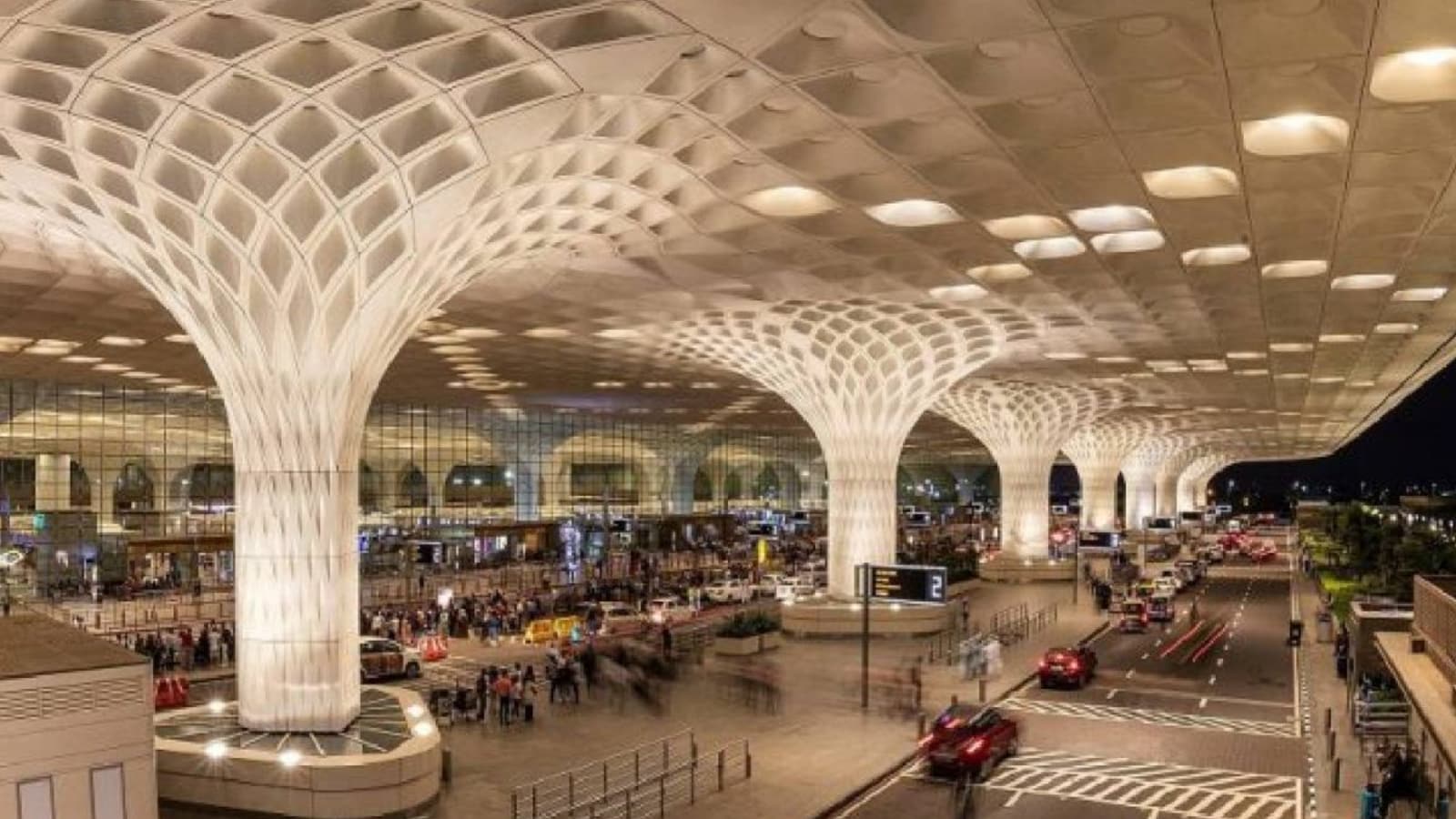
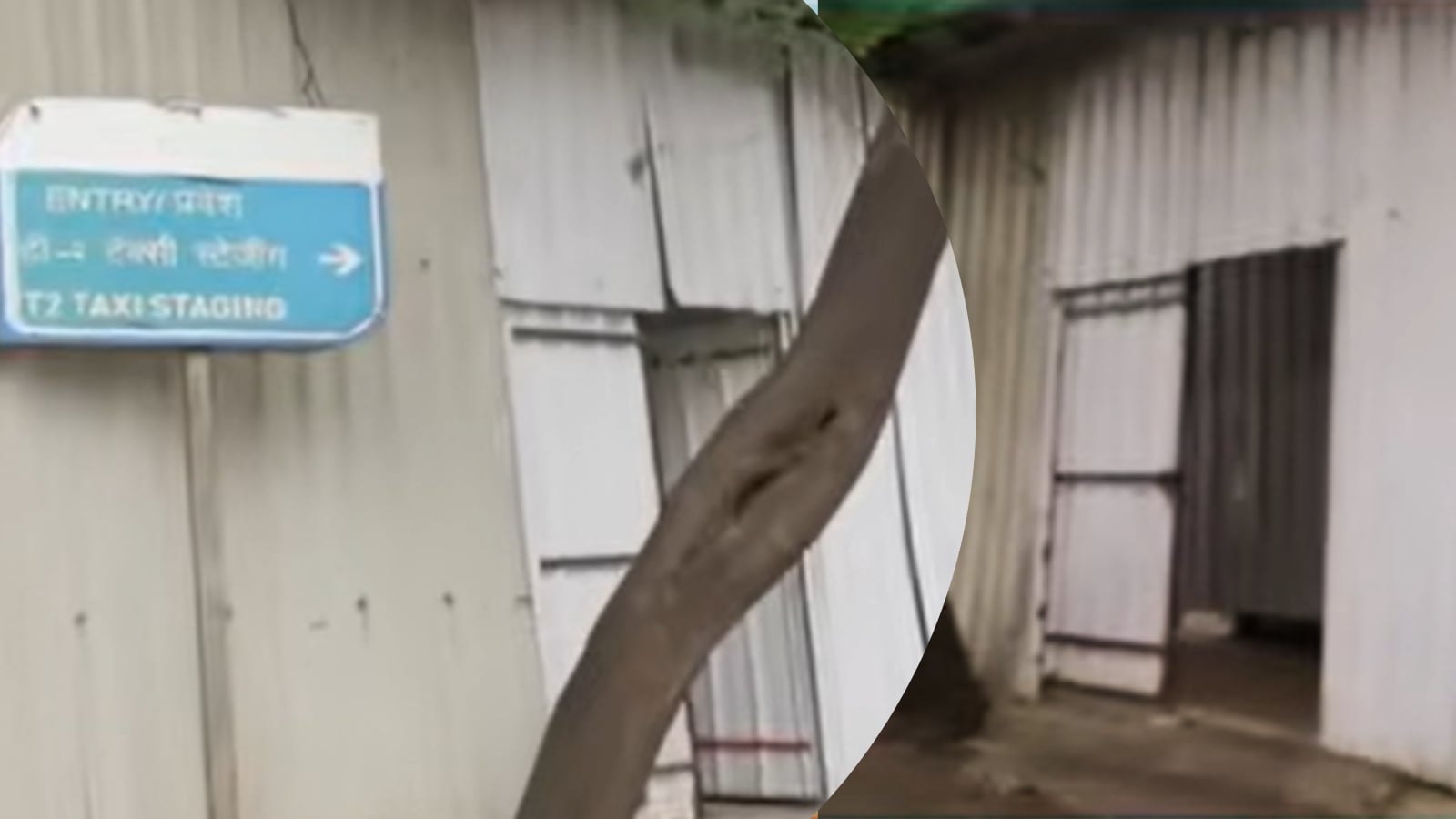
The controversy over a mosque-like structure near Terminal 2 of Mumbai’s Chhatrapati Shivaji Maharaj International Airport has brought a larger question into focus: what happens when places of worship or prayer spaces exist within or close to sensitive airport zones? BJP leader Kirit Somaiya said on Thursday that the Maharashtra Regional and Town Planning Authority (MMRDA) had informed Mumbai International Airport Ltd (MIAL) that it had not granted permission for the structure near the VIP arrival and taxi stand area of T2.
According to a September 8 letter shared by Somaiya, MMRDA said there was no permission, reservation or designation for a place of public worship at the site within the notified area. It asked MIAL, which is responsible for infrastructure and facilities within the airport’s notified area under the Operations, Management, Development Agreement, to take action for removal of the structure following due procedure. Somaiya had visited the location on September 3 with officials and had earlier alleged that an unauthorised mosque had been constructed on government land near the airport.
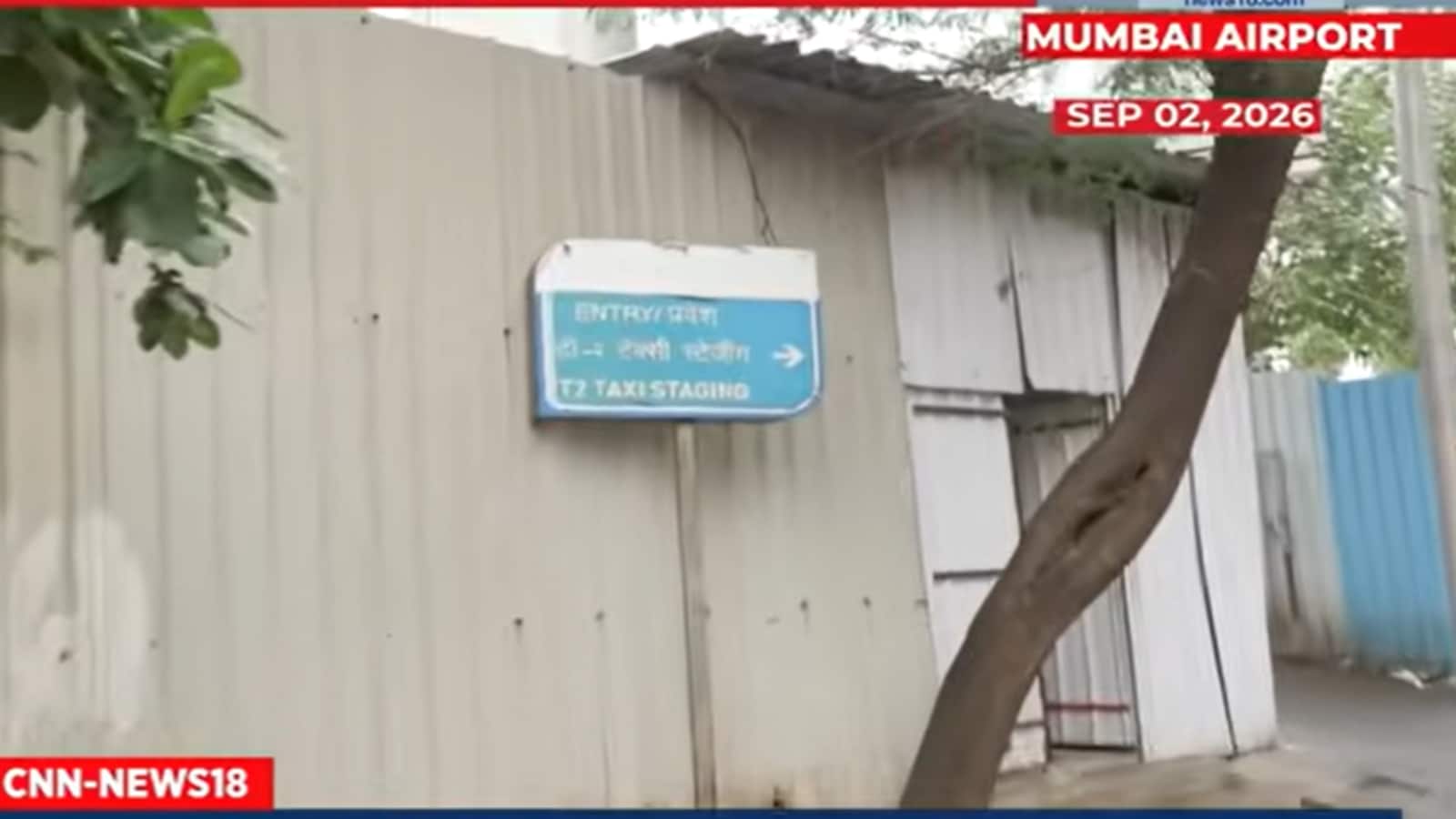
On September 8, Kirit Somaiya also said MMRDA had issued a show-cause notice and expected action within two weeks. Somaiya has described the issue as “land jihad” and demanded an FIR against those allegedly responsible. These allegations are political claims and have not been independently established by the MMRDA letter. Meanwhile, NCP-SP MLA Rohit Pawar said he was not aware of the mosque-like structure and said the authorities would need to establish whether it was inside or outside the airport premises and who had taken the decision regarding it.
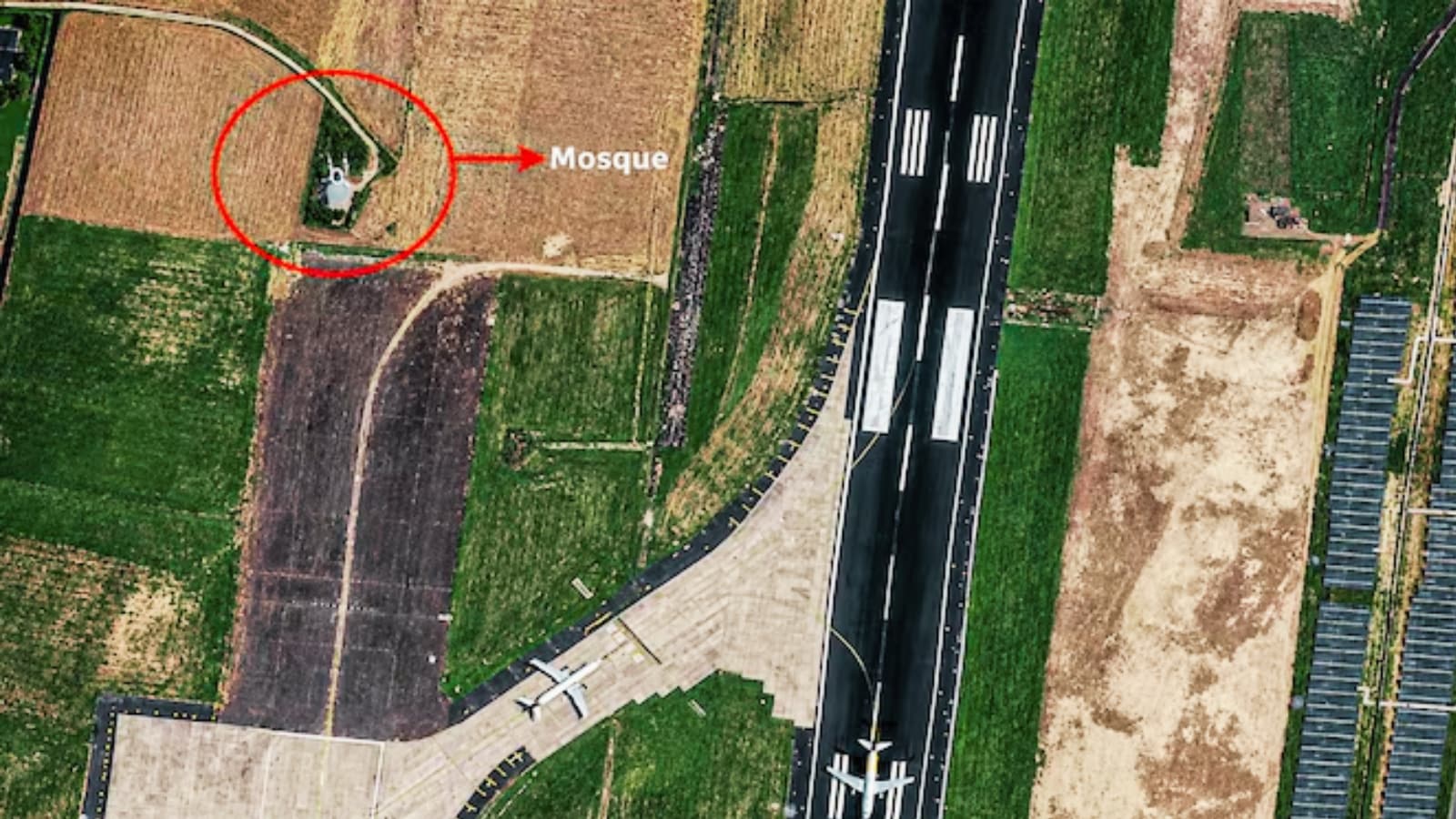
Kolkata Has Faced A Similar Dispute: The most striking parallel comes from Kolkata, where a 136-year-old mosque is located inside the operational area of Netaji Subhas Chandra Bose International Airport. The Bankra Mosque, also known as Gauripur Jame Masjid, predates the modern airport. Reports say it dates back to the late 19th century, while the Dum Dum aerodrome was developed in 1924. As the airport expanded over the decades, the mosque ended up inside the airport’s operational zone.
Unlike the Mumbai case, the central question in Kolkata is not whether the mosque received permission to exist. The mosque was already there before the airport expanded around it. The structure is now around 165 metres from the airport’s secondary runway. Aviation authorities have raised concerns over the movement of civilians into a highly sensitive operational area, while airport expansion and runway-related requirements have added to the pressure to relocate it.
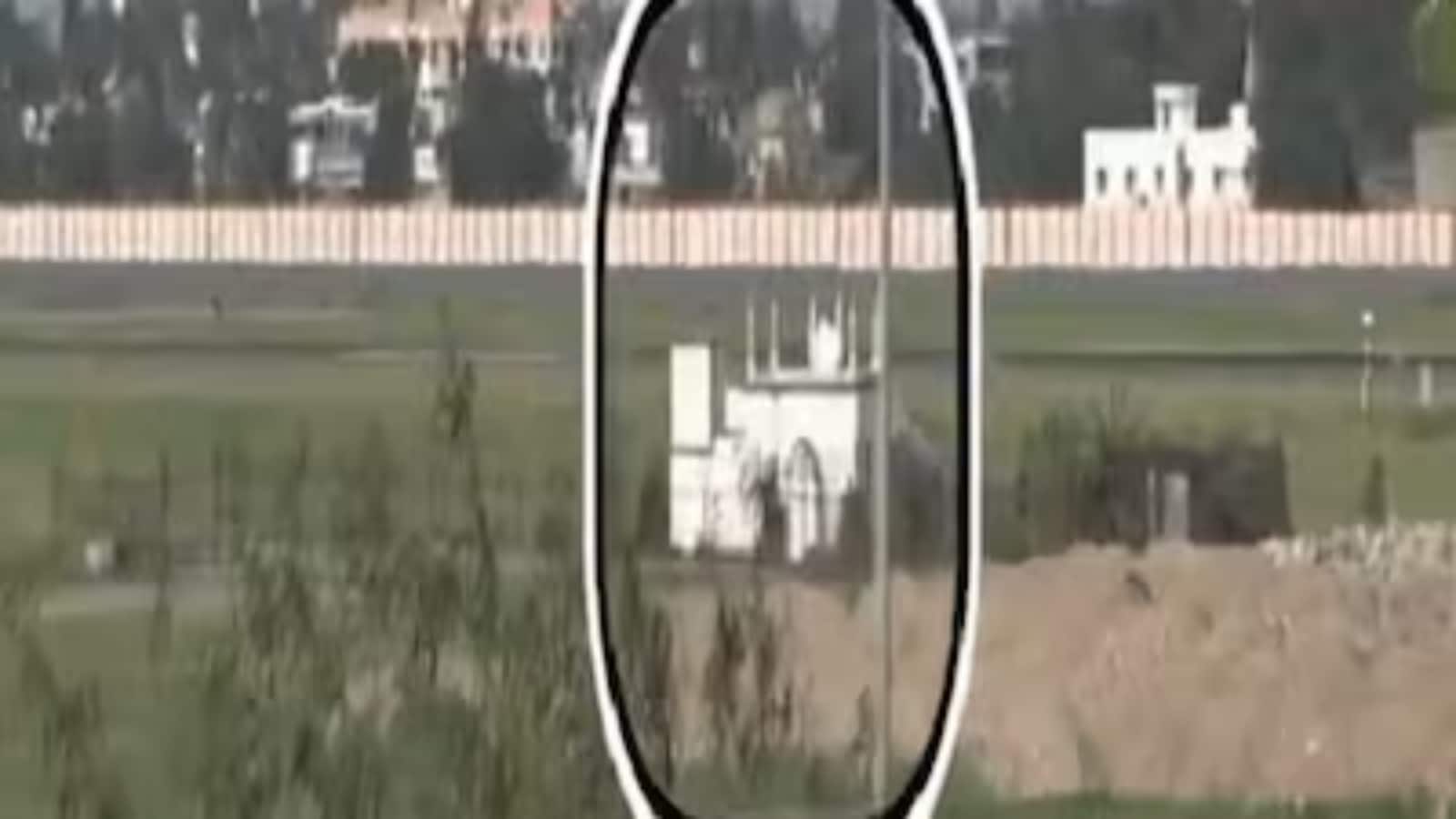
Why Did Kolkata’s Mosque Become A Security Issue? For years, devotees were allowed to reach the mosque through controlled access. They were screened by CISF personnel and, according to reports, were allowed in after showing Aadhaar cards. That arrangement came under renewed scrutiny after the Bureau of Civil Aviation Security raised concerns over civilian access to a high-security airport zone.
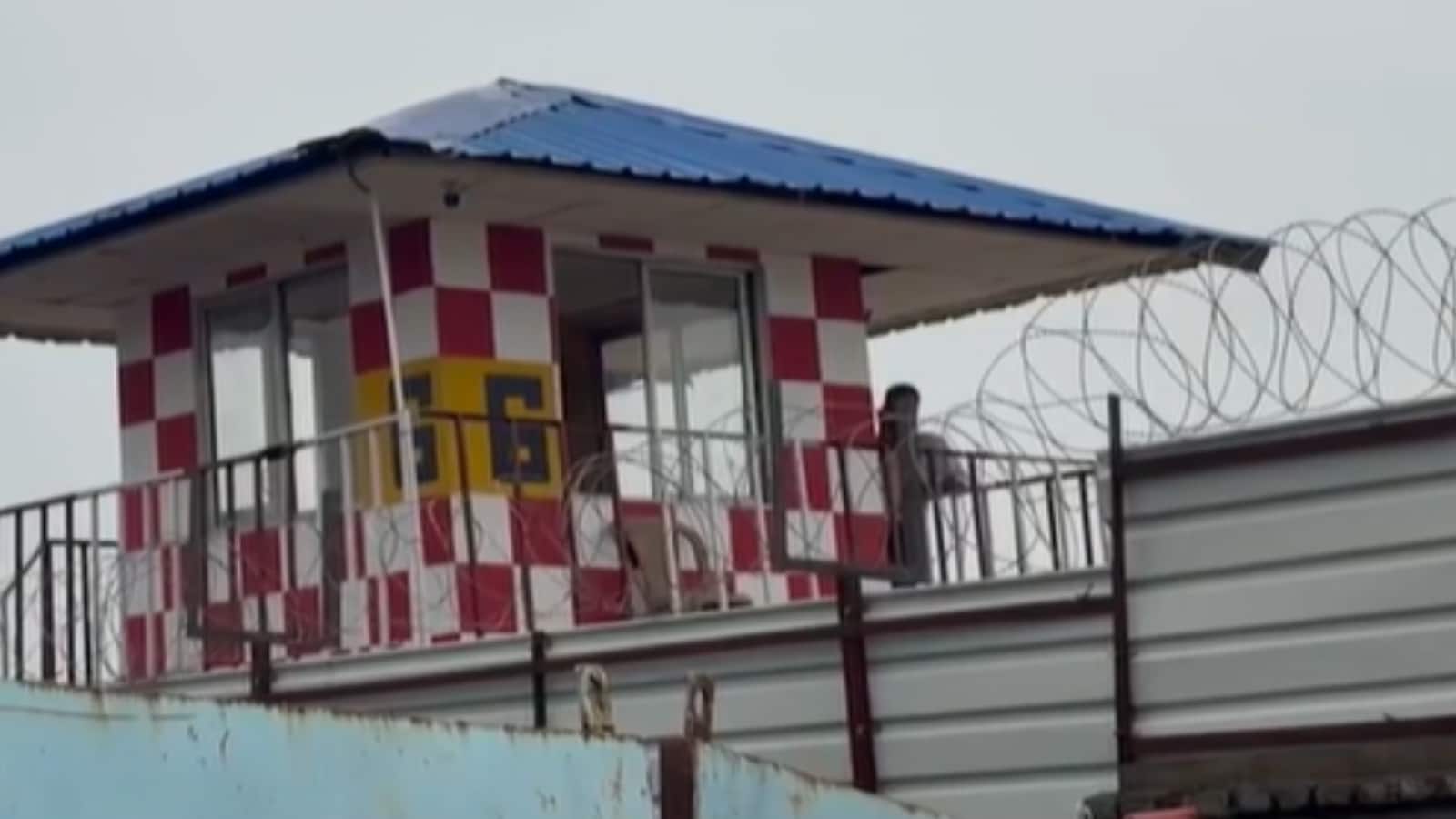
In July 2026, airport authorities stopped issuing entry passes to devotees and suspended prayers at the mosque. Authorities said the decision was linked to security concerns and discussions over relocating the mosque outside the airport premises. The issue soon became political. West Bengal Chief Minister Suvendu Adhikari defended the restrictions, saying airport and national security had to take priority. The mosque committee and opposition leaders, however, questioned the manner in which access had been stopped and sought consultations over any relocation. The dispute even led to plans for a protest and Friday prayers at the mosque, with authorities imposing restrictions around the airport. The proposed gathering was eventually called off after discussions with police.
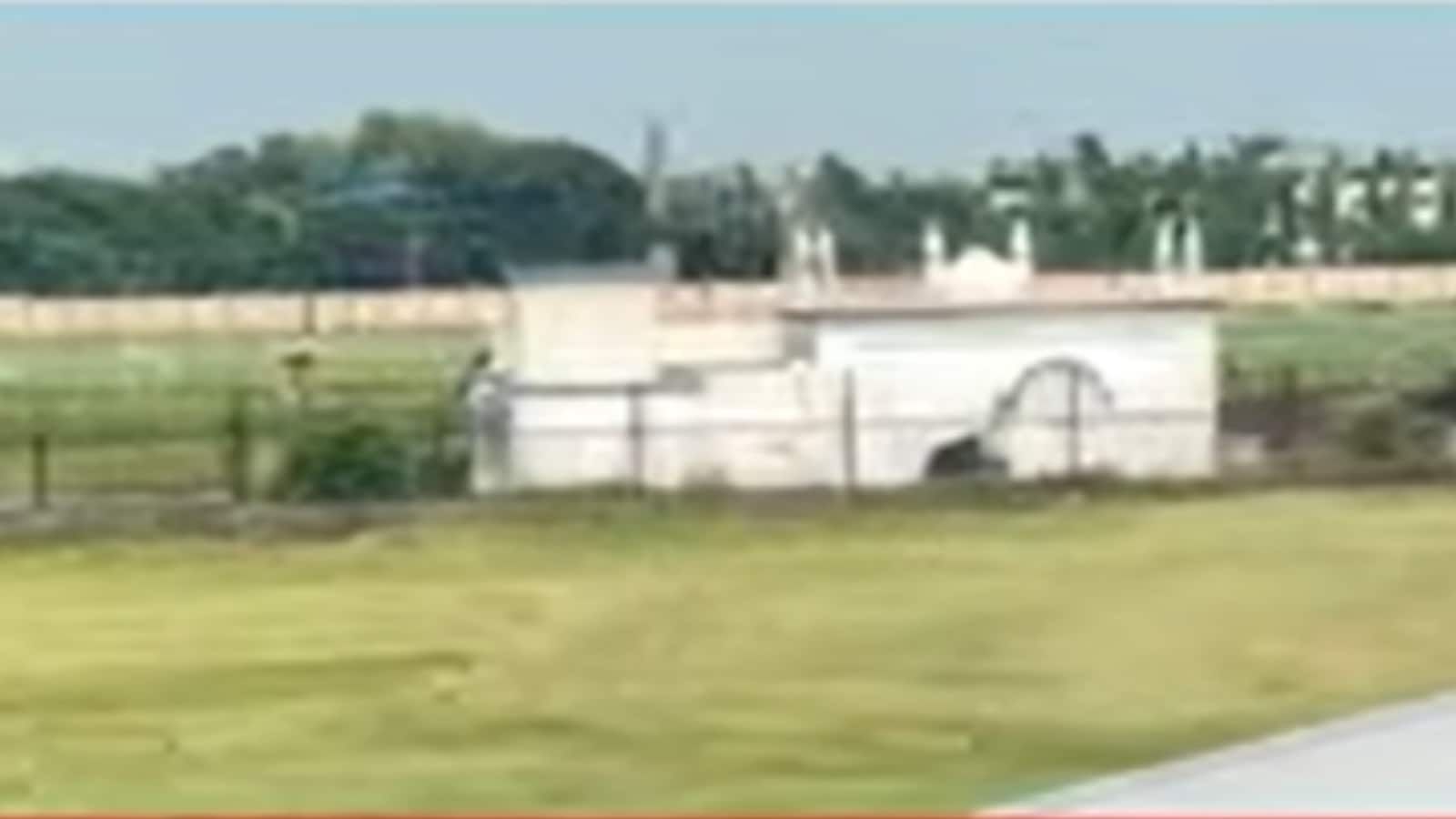
The Bankra Mosque has repeatedly come under scrutiny because airport expansion has gradually changed the surroundings of a structure that originally stood in a village setting. Reports in 2025 had already highlighted the long-running debate over the mosque, its proximity to the secondary runway and the question of whether it should be relocated to allow airport expansion and address safety concerns. That makes the Kolkata case particularly different from Mumbai: there, the mosque predates the airport; in Mumbai, the present dispute centres on whether the structure has the required permission within an airport-related notified area.
Bengaluru Saw A Different Kind Of Airport Prayer Row: A separate controversy erupted at Bengaluru’s International Airport in November 2025 after a video showed a group of men offering namaz near Terminal 2. The footage showed the men praying near an airport gate while CISF personnel were visible nearby. The BJP questioned how prayers were allowed in what it described as a high-security airport area and demanded to know whether permission had been granted. The controversy was different from both Mumbai and Kolkata because it involved people praying in an airport space rather than a longstanding mosque structure.
BJP leaders also sought clarification from the Karnataka government and questioned whether airport authorities had permitted the gathering. Bangalore International Airport Limited did not publicly comment on the incident at the time. The episode nevertheless highlighted the same underlying question: how should airports balance religious practices with security, movement restrictions and rules governing public spaces?
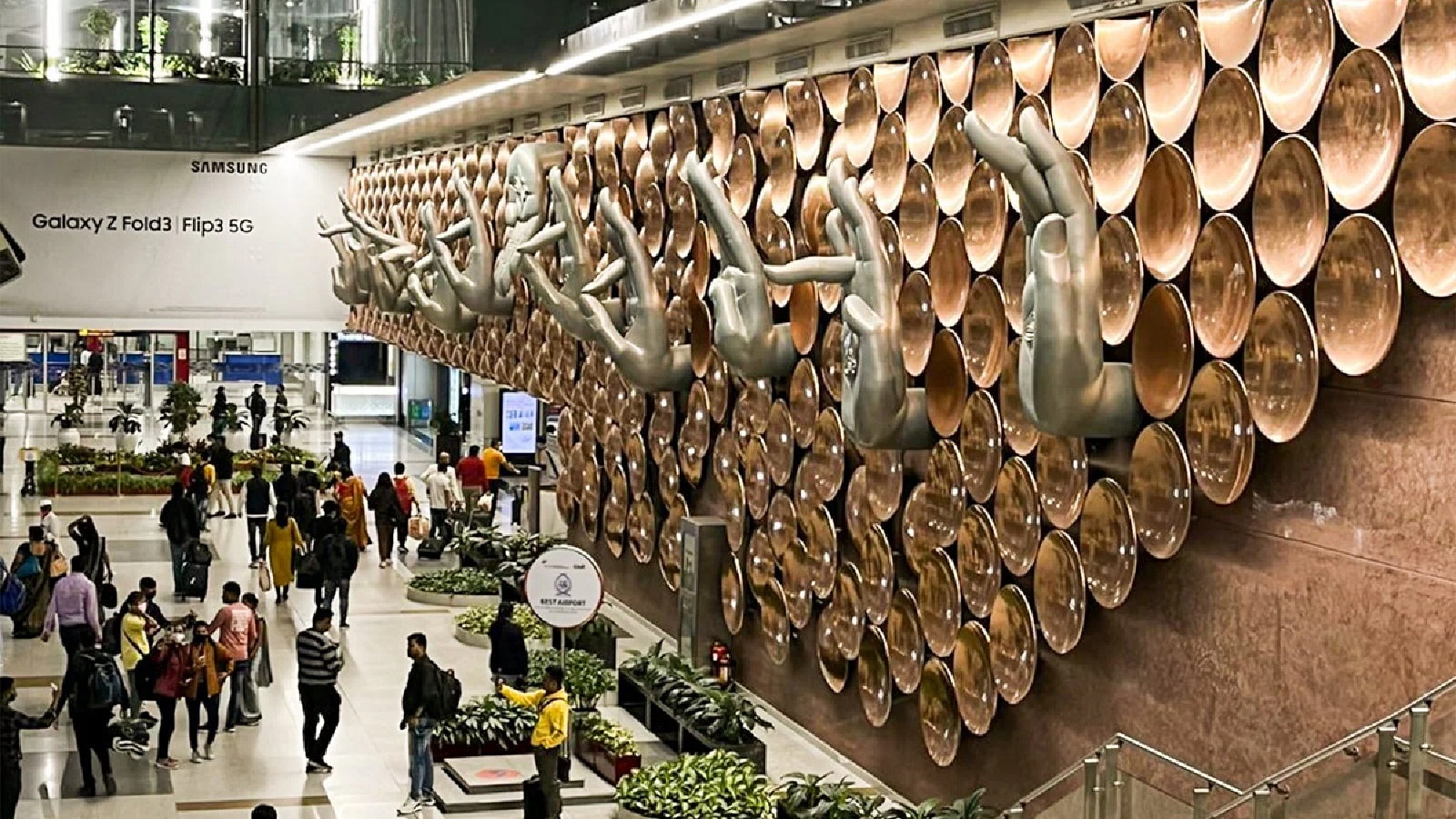
Delhi Airport Also Became A Prayer-Space Flashpoint: Delhi’s Indira Gandhi International Airport has had its own controversy around a multi-faith prayer room. In March 2026, BJP leader Madhavi Latha shared a video of herself reciting the Durga Suktam inside an airport prayer room, with women wearing burqas visible in the background. The video triggered a social media debate, with some users accusing her of provocation while others argued that the prayer room was meant to be a space open to people of different faiths. Latha later defended her action, saying a prayer space was not the property of any particular community and that people should be free to pray there. This case was not about an unauthorised religious structure or airport expansion, but it showed how even designated, shared prayer spaces at airports can become politically sensitive when religious practices are brought into the public spotlight.
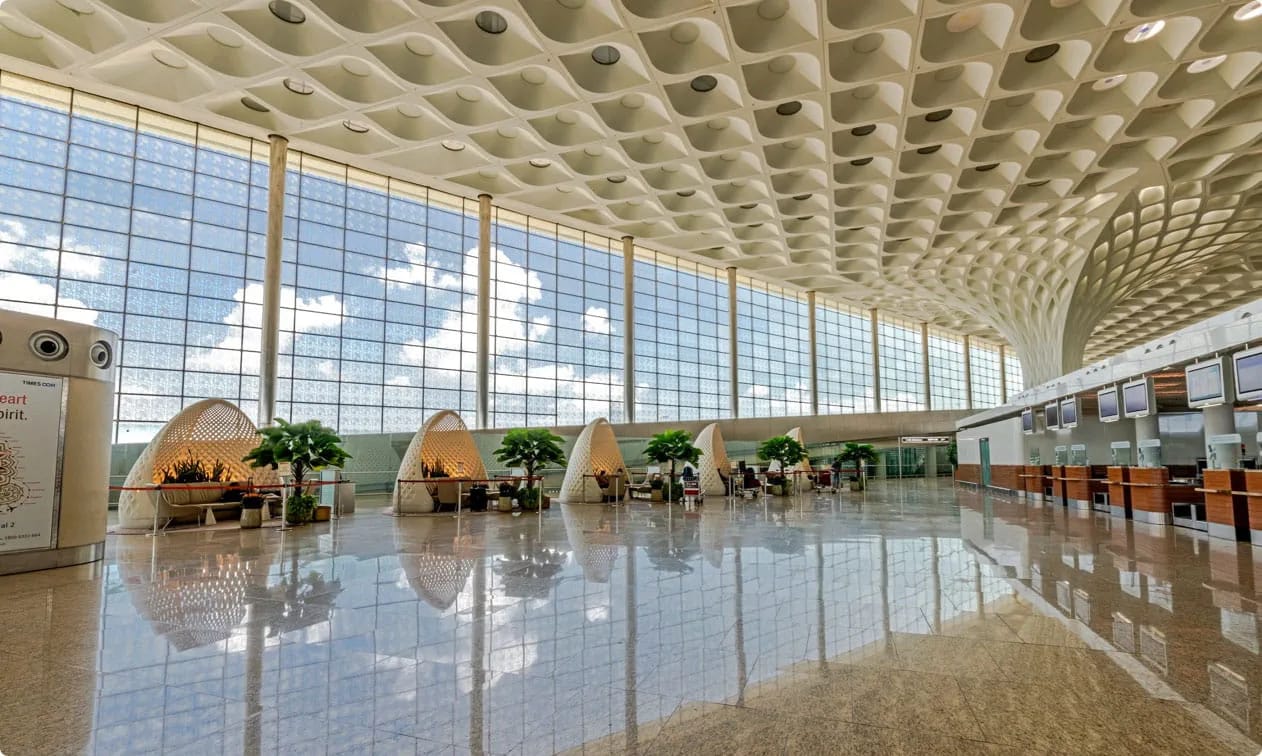
Mumbai Has Had An Earlier Prayer-Space Dispute Too: The current T2 structure controversy is also not the first time prayer arrangements near Mumbai airport have ended up in a legal dispute. In March 2026, the Bombay High Court declined to direct the government or MIAL to provide a temporary site near the airport for namaz during Ramzan. The petition had been filed by a taxi and autorickshaw drivers’ union after a temporary prayer shed near the airport had been demolished.

The petitioners sought either the same location or an alternative space. The state told the court that seven possible locations had been examined but none could be used because of security concerns, space constraints or ongoing development work. The court said airport security concerns could not be overridden while considering a request for a prayer site. The court did, however, note that a solution could potentially be considered in the future when the airport is redeveloped.
What Links These Airport Controversies? The cases in Mumbai, Kolkata, Bengaluru and Delhi are not identical. They involve different circumstances – an allegedly unauthorised structure, a historic mosque that predates an airport, people praying in a terminal area and a designated multi-faith prayer room. But they repeatedly bring up three overlapping issues. Airport security is one. Airports are tightly controlled spaces, and authorities have increasingly scrutinised civilian movement in operational areas.

Airport expansion and land use is another. In Kolkata, the mosque’s location has become part of a wider debate over runway safety and airport expansion. In Mumbai, MMRDA’s position centres on whether the structure has been authorised within the notified area. The third is religious freedom and access to places of worship. Mosque committees, worshippers and political parties have argued in different cases that religious practices cannot simply be stopped without consultation, particularly where a place of worship has existed for decades.
The Bigger Question: Who Came First? The history of these structures matters. In Kolkata, the mosque existed long before the airport expanded around it. That makes relocation a question involving heritage, religious access and aviation requirements. Mumbai’s latest controversy is different. Here, the immediate question raised by MMRDA is whether permission was ever granted for the structure in the first place. Bengaluru’s incident involved prayer in an airport space rather than a permanent mosque, while Delhi’s case concerned a prayer room specifically intended for shared religious use. So, while the controversies may look similar on the surface, the legal and administrative questions are not the same.
The Mumbai row has once again brought attention to a recurring challenge at India’s airports: how should authorities deal with religious structures and prayer spaces when security rules, airport expansion and religious practices overlap? In Kolkata, the debate has continued for years because the airport grew around an old mosque. In Bengaluru, a few minutes of prayer became a political controversy. In Delhi, even a designated prayer room became the setting for a religious debate. The Mumbai case now adds another dimension – the question of whether a mosque-like structure near an airport was legally authorised at all.